Construction and Early Years
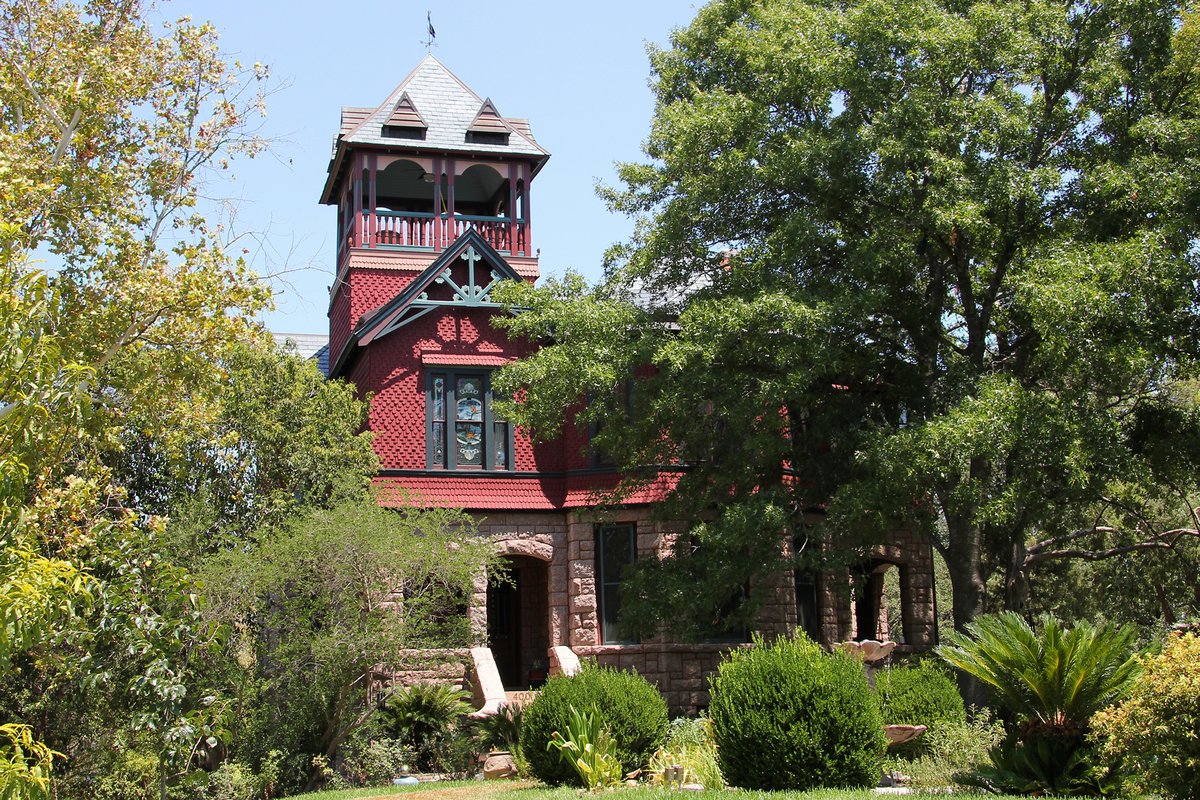
Commissioned by Hugh B. Hancock—an influential African American businessman and proprietor of the Black Elephant Saloon—the house was constructed in 1886 in East Austin’s Robertson Hill area. Its original features, including pine and oak flooring, classical columns, and intricate woodwork, reflect the craftsmanship and aspirations of the late 19th century (Judges Hill Historic District).
Symbol of African American Achievement
At a time when segregation and discriminatory laws limited opportunities for Black Texans, Hugh B. Hancock’s success and the construction of his Victorian home represented a notable achievement. The house became a gathering place and symbol of economic progress within Austin’s Black community (Violet Crown Voices).
The Legacy of Hugh B. Hancock
Hugh B. Hancock’s entrepreneurial spirit helped define the social and economic landscape of East Austin. His saloons provided employment and served as important community hubs. Building such a grand residence in this era not only showcased his personal success but also the resilience and unity of Austin’s Black residents.
After Hancock’s ownership, the house was purchased in 1904 by Charles Frederick Mann, a German immigrant and railroad engineer, whose family inhabited it until 1959, reflecting Austin’s growing diversity (Judges Hill Historic District).
Architectural Features and Restoration
The Hugh B. Hancock House stands out for its late Victorian design, with a symmetrical façade, ornate woodwork, original pine and oak flooring, and classical columns. Restoration efforts, notably following its 1979 relocation to 1717 West Avenue, preserved these details and restored the home’s exterior trim and ceilings. The careful preservation work makes the Hancock House a model for historic restoration in Austin.
Preservation Efforts and Relocation
Threatened by urban development in the late 1970s, the house was saved from demolition by Dr. and Mrs. Earl Howard. Relocating it to the Judges Hill Historic District in 1979, they undertook an extensive restoration, maintaining original materials and architectural integrity (Judges Hill Historic District).
African American Heritage in Austin
The Hancock House is an anchor in Austin’s Black heritage landscape. Austin’s historically Black neighborhoods flourished after Emancipation and Juneteenth (June 19, 1865), with residents establishing businesses, churches, and social organizations despite systemic discrimination (Visit Austin). The home stands as a reminder of Black achievement and community resilience.
Visiting Information
Hours and Admission
- Visiting Hours The Hugh B. Hancock House is open Wednesday through Sunday, 10:00 AM–5:00 PM.
- Admission $10 for adults, $7 for seniors and students, free for children under 12.
- Tickets Available online via the Austin Historical Sites website or at the entrance.
Tours and Accessibility
- Guided Tours Offered daily at 11:00 AM and 2:00 PM, providing in-depth historical and architectural insights.
- Accessibility The house is wheelchair accessible with ramps and accessible restrooms.
Location and Parking
- Address 1717 West Avenue, Austin, TX 78701
- Parking Limited street parking is available; public transportation and rideshare are recommended.
Nearby Attractions
- Judges Hill Historic District Known for its historic homes and walking tours.
- Texas State Capitol and Bullock Texas State History Museum: Major landmarks within walking distance.
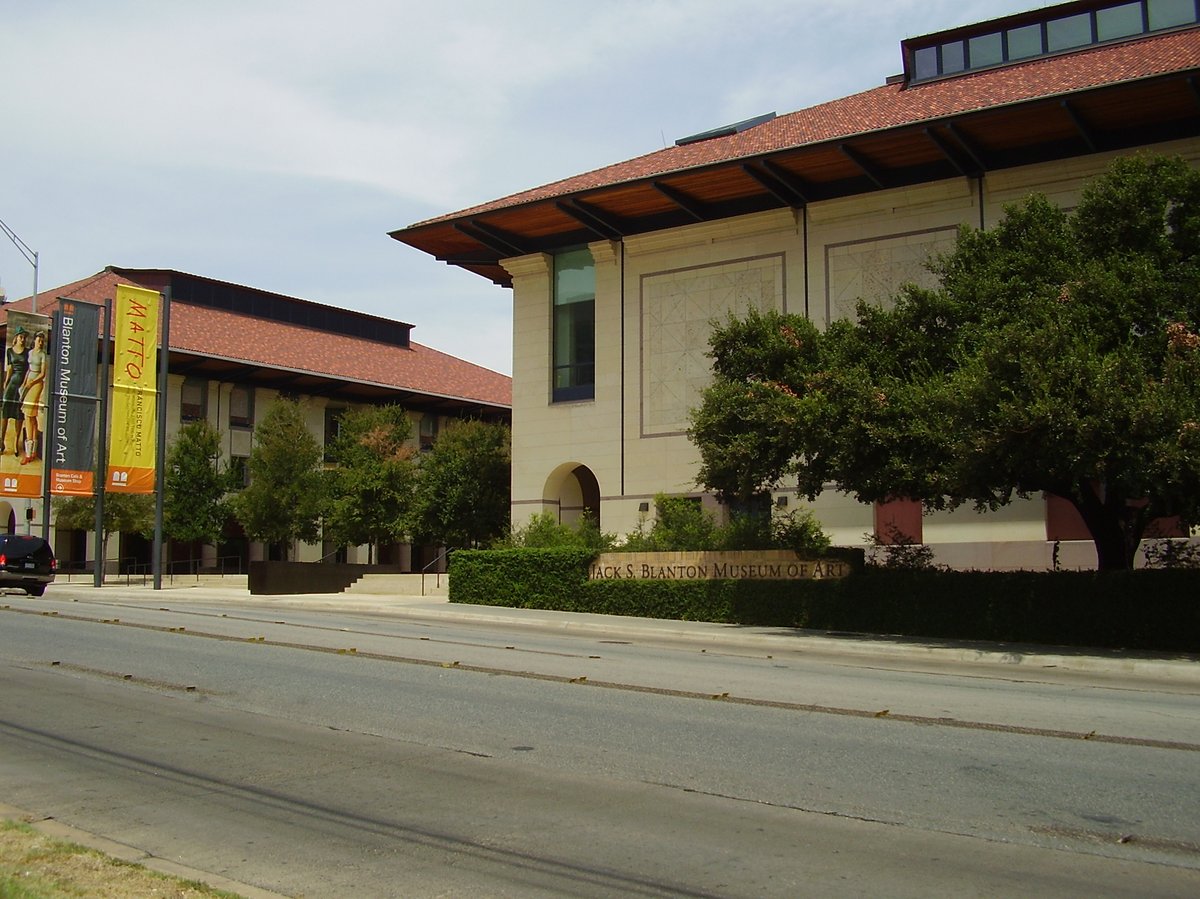
- Blanton Museum of Art and Austin’s vibrant 6th Street entertainment district.
Educational and Community Programs
The Hancock House actively engages the community through:
- Educational Tours For school groups, universities, and local organizations.
- Special Events Including Black History Month, Juneteenth celebrations, art exhibits, and panel discussions.
- Interpretive Materials Interactive displays, oral histories, and QR codes linking to online content.
Programs are often developed in collaboration with local historians and descendants of the Hancock family, fostering intergenerational dialogue.
Frequently Asked Questions (FAQ)
Q: Is photography allowed inside the house?
A: Yes, for personal use. Flash and tripods are not permitted.
Q: Are group tours available?
A: Yes, for groups of 10 or more—advance scheduling required.
Q: Can I host a private event at the Hancock House?
A: Occasional private event bookings are available—contact the visitor center for details.
Q: Is the house wheelchair accessible?
A: Yes, with ramps and accessible restrooms.
Q: Where can I park?
A: Limited street parking is nearby; public transit is recommended.
Travel Tips
- Best Time to Visit Spring and fall offer pleasant weather.
- Getting There Accessible by car, public transit, or rideshare.
- Plan Ahead Check event schedules and book guided tours in advance.
- Visitor Etiquette Respect preservation efforts and privacy of neighboring homes.
- Dining Explore local restaurants and Black-owned businesses in the area (Visit Austin Guide to Black-Owned Austin).