Plan and listen to George Washington Carver Museum And Cultural Center with Audiala.
Audio guide in your pocket, itinerary in your browser. Built for the way you actually visit.
Introduction
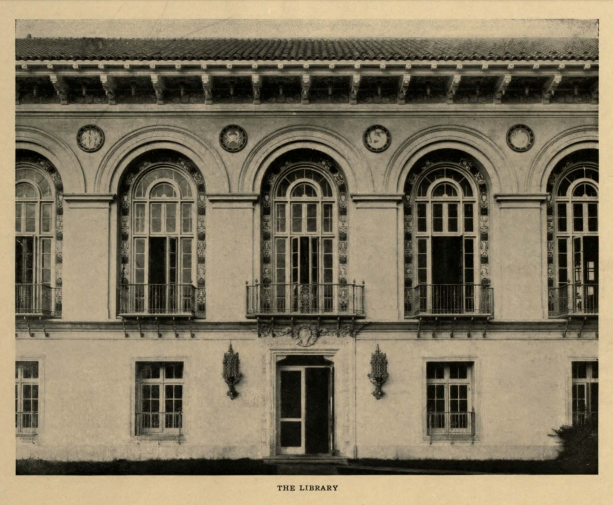
In the heart of East Austin, the George Washington Carver Museum and Cultural Center stands as a profound testament to the African American experience in Central Texas. Established in 1926 as one of Austin’s first public libraries—and later transformed into Texas’s first African American neighborhood museum—the Carver Museum now occupies a striking 36,000-square-foot facility that seamlessly fuses its historic Colonial Revival library with modern, sustainable design. This dynamic institution not only honors the legacy of Dr. George Washington Carver but also celebrates Black families, artists, scientists, and innovators, serving as both a museum and a vibrant hub for community engagement (AustinTexas.gov; Guide to Austin Architecture).
Signature exhibits such as “The African American Presence in 19th Century Texas” offer immersive, multi-sensory narratives tracing Black Texans’ stories from slavery through emancipation and beyond. The museum is also renowned for its annual events, including Austin’s premier Juneteenth celebration—Stay Black & Live—and the Austin African American Book Festival, as well as ongoing workshops, performances, and genealogy resources (juneteenthatx.com; aaabookfest.org).
This comprehensive guide provides everything you need to know about visiting the Carver Museum: hours, admission, accessibility, exhibit highlights, and tips to ensure a meaningful and memorable experience at one of Austin’s most treasured cultural landmarks (AustinTexas.gov).
Quick Reference: Visiting Hours, Tickets, and Location
- Address: 1165 Angelina St, Austin, TX 78702
- Visiting Hours:
- Tuesday–Saturday: 10:00 AM–5:00 PM
- Closed Sundays, Mondays, and major holidays (some sources report Sunday hours; always check official site for updates)
- Admission: Free (no tickets required)
- Accessibility: Fully ADA-compliant, with ramps, accessible restrooms, and seating
- Parking: Free on-site and street parking; accessible via Capital Metro bus routes
- Contact: (512) 974-4926
Historical Background
Origins and Early History
The Carver Museum began as one of Austin’s first public libraries in 1926 and was relocated to its present site in 1933, becoming the city’s first branch library accessible to Black residents during segregation (austintexas.gov; texastimetravel.com). In 1947, the branch was renamed to honor Dr. George Washington Carver, the renowned scientist and inventor, reflecting the aspirations and pride of Austin’s Black community.
Transformation and Expansion
After a new library was built nearby, the original building was repurposed in 1980 as Texas’s first African American neighborhood museum. The campus expanded in 2005 with a striking new 36,000-square-foot facility, designed by architect Donna Carter, FAIA, that preserved the historic library while adding galleries, a theater, classrooms, and archival spaces (Guide to Austin Architecture). Planned expansions will further enhance the museum’s community and educational offerings (urbanize.city).
Museum Architecture and Campus
The campus features both the original 1,896-square-foot library (now home to the Genealogy Center) and the crescent-shaped modern museum building. Notable architectural features include a circular atrium, textured masonry that symbolizes resilience, and sustainable building practices—making it one of Austin’s first LEED-certified projects (Guide to Austin Architecture).
Outdoor spaces include Freedom Plaza with a timeline of Black history and the Juneteenth Memorial Sculpture Monument—five bronze figures narrating the journey from enslavement to freedom, culminating at the “Bell of Freedom” (Wikipedia).
Core Exhibits and Galleries
Permanent Exhibits
- The African American Presence in 19th Century Texas: A multi-sensory exhibition exploring African influences, slavery, Reconstruction, freedmen’s communities, and the origins of Juneteenth. Portraits, oral histories, and artifacts offer compelling narratives (AustinTexas.gov; History in the Margins).
- Families Gallery: Highlights stories of prominent Black families in Central Texas across generations (Austin Insider Blog).
- L.C. Anderson High School Exhibit: Celebrates achievements of alumni from Austin’s pre-integration Black high school.
Children’s Gallery
A hands-on, family-friendly space introducing young visitors to Black scientists, inventors, and community leaders, designed to inspire curiosity and pride (History in the Margins).
Rotating Galleries
The museum hosts approximately eleven rotating exhibitions annually, featuring Texas Black artists, music, and local history (TSHA Handbook).
Genealogy Center
Located in the historic library building, the Carver Genealogy Center offers resources, workshops, and staff support for African American family history research (AustinTexas.gov).
Community Events and Programs
Signature Annual Events
- Stay Black & Live: Austin’s Juneteenth Festival: A week-long citywide celebration featuring symposiums, music, cookouts, and community remembrance ceremonies (juneteenthatx.com; austintexas.org).
- Austin African American Book Festival: Brings together authors, scholars, and community members to celebrate Black literature (aaabookfest.org).
- Black History Month Programming: Includes music, storytelling, block parties, and educational workshops (ATX Today).
Ongoing Programs
- Studio Arts: Art classes for adults, led by local artists, covering DJing, printmaking, digital photography, and more (austintexas.gov).
- Create and Heal: Art therapy workshops addressing trauma and fostering resilience.
- Small Black Museum Podcast: Features stories from Black Austinites and cultural leaders.
- HBCU Day: Connects families and students with Historically Black Colleges and Universities.
Special Events
The museum regularly hosts film screenings, block parties, youth programs, and vendor markets. The Boyd Vance Theatre accommodates performances, lectures, and community events, with plans to add a 500-seat theater in future expansions (Guide to Austin Architecture).
Practical Visitor Tips
- Allocate 1–2 hours for a full visit, including galleries and the outdoor sculpture monument.
- Photography is generally allowed; flash and tripods may be restricted.
- Guided tours can be arranged in advance for groups; self-guided tours are welcomed.
- Combine your visit with nearby historical sites such as the Texas State Capitol, French Legation Museum, and the Bullock Texas State History Museum (Lonely Planet).
- Arrive early during events and festivals as parking may be limited.
Frequently Asked Questions (FAQ)
Q: What are the George Washington Carver Museum’s visiting hours?
A: Tuesday–Saturday, 10:00 AM–5:00 PM; closed Sundays, Mondays, and major holidays.
Q: Is there an admission fee or are tickets required?
A: Admission is always free; no tickets necessary.
Q: Is the museum accessible for visitors with disabilities?
A: Yes, it is fully ADA-compliant with ramps, accessible restrooms, and seating.
Q: Are guided tours available?
A: Yes, guided tours can be arranged in advance for groups.
Q: Can I take photographs inside the museum?
A: Photography is permitted in most areas, with restrictions in certain exhibits.
Q: What special events does the museum host?
A: Annual events include Juneteenth celebrations, the African American Book Festival, Black History Month activities, and a variety of workshops and performances.
Enhance Your Experience
- Visuals: Explore photo galleries and videos on the museum’s official website.
- Download the Audiala app for enhanced audio tours and exclusive content.
- Social Media: Stay updated by following Facebook and Instagram.
Listen to the full story in the app
The whole George Washington Carver Museum And Cultural Center,
told well.
Audio guides for 1,100+ cities across 96 countries. History, stories, and local insight — offline ready.

Verified, and shown.
Researched and written by the Audiala editorial team from historical records, architectural archives, and local expertise.
Researched from Wikidata, Wikipedia & official sources · fact-checked · How we make our guides →