
What the place is
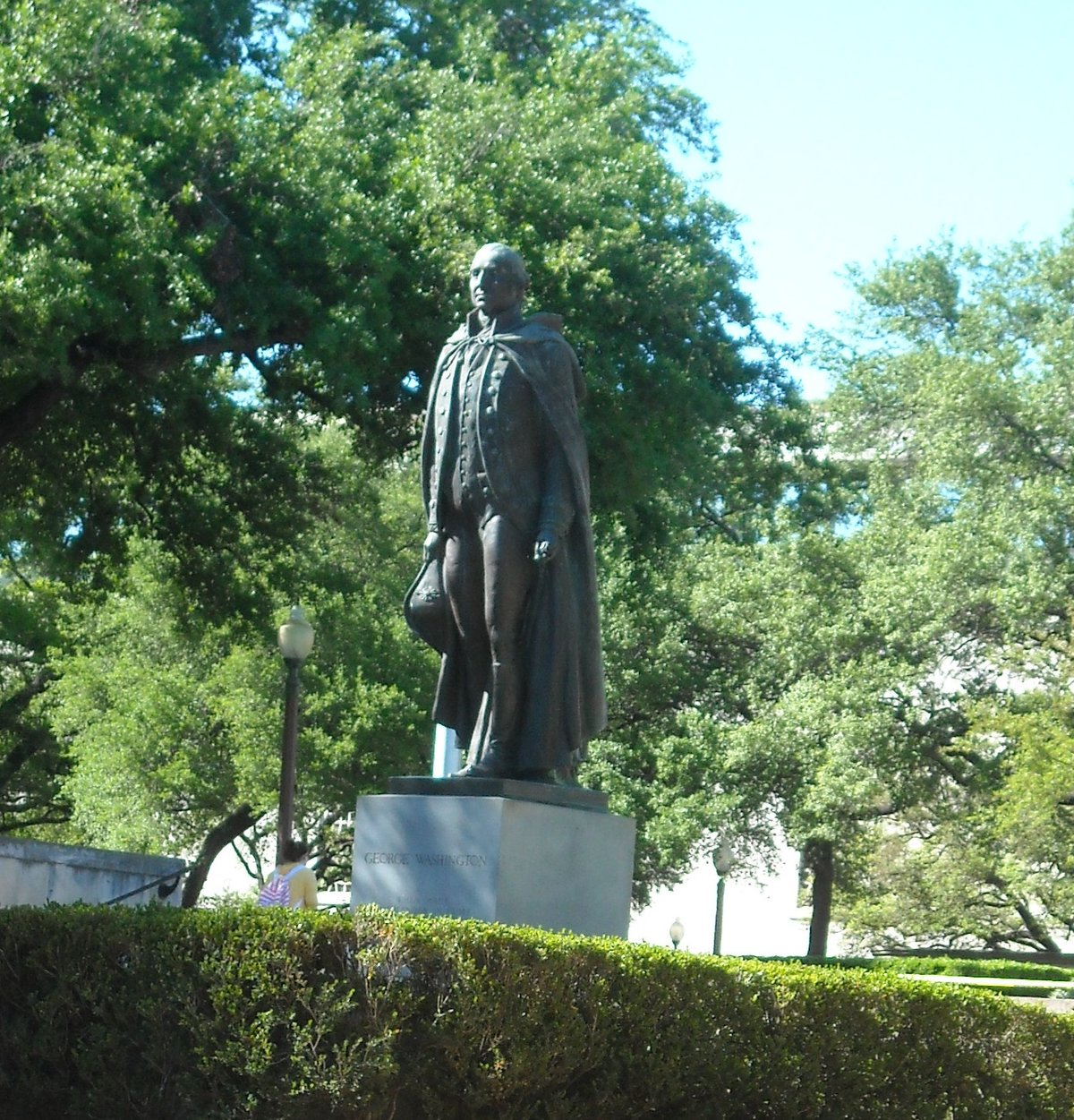
Austin, Texas, is renowned for historical landmarks that reflect America’s evolving heritage and cultural narratives. Its George Washington statues—particularly those at the University of Texas at Austin (UT Austin) and on the Texas State Capitol grounds—serve as reminders of the nation’s founding ideals and invite reflection on public memory and historical representation. The George Washington Carver Museum in East Austin complements these sites as an institution dedicated to African American history and culture (Waymarking; Smarthistory; Austin Texas Official Tourism; Austinot).
History
George Washington statue at UT Austin
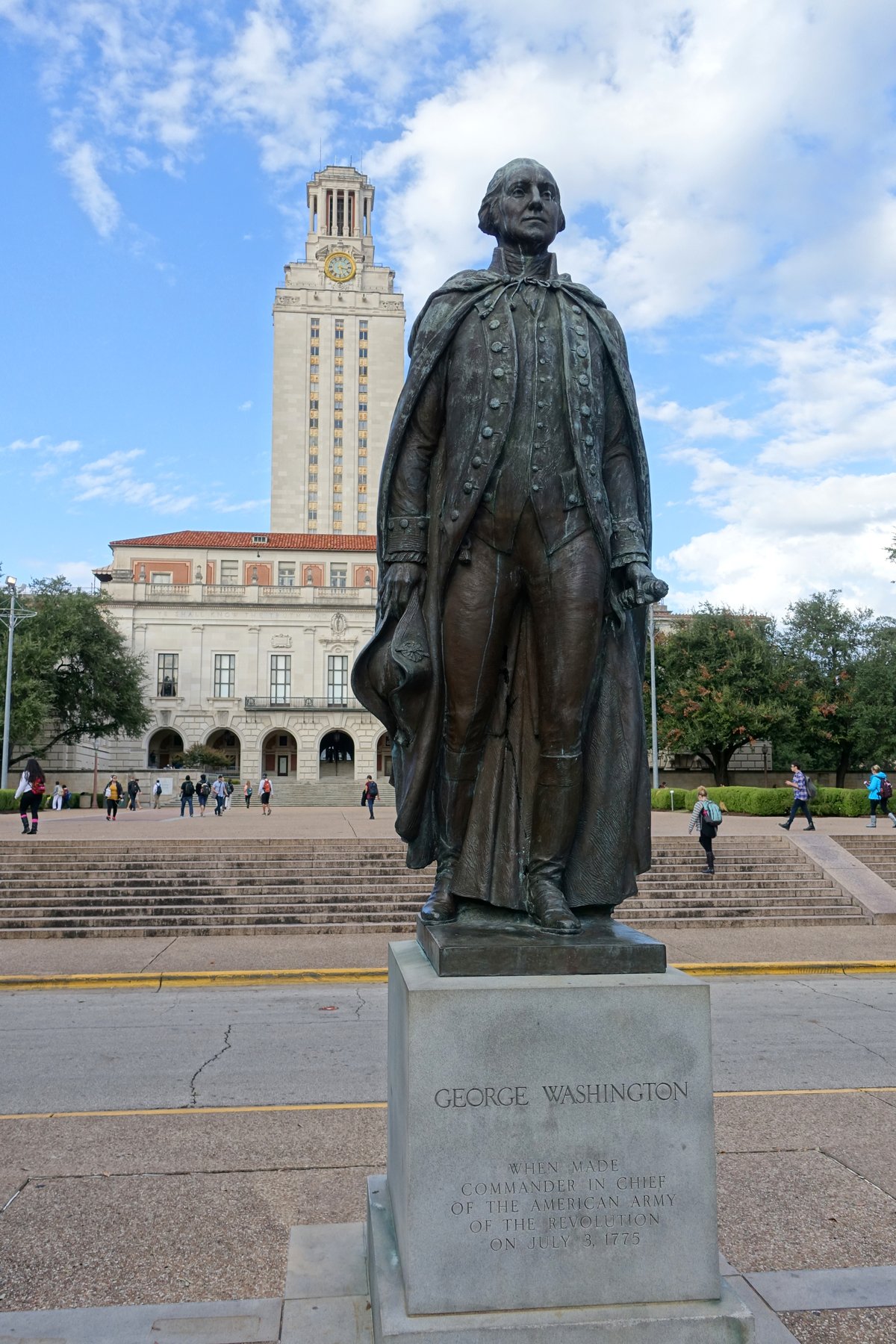
Erected in 1955, the full-length bronze statue of George Washington on the UT Austin campus was sculpted by Pompeo Coppini, a notable Italian American artist. The Texas Society Daughters of the American Revolution (DAR) commissioned it to honor Washington’s foundational role in American independence (Waymarking).
Washington is depicted in military uniform, underscoring his leadership as Commander in Chief during the American Revolution. He holds a cane capped with a lion’s head, symbolizing Britain in a subtle artistic critique of colonial rule (Flickr).
The statue was installed on the South Mall after several Confederate monuments, many funded by Major George Washington Littlefield. In contrast, the Washington statue was intended as a symbol of national unity. Following the removal of Confederate statues in 2016, it now stands alone, emphasizing its place in campus history (Austin Chronicle; Racial Geography Tour).
George Washington statue at the Texas State Capitol
The Capitol statue belongs to a broader tradition of honoring America’s founders in civic spaces. Its placement among Texas historical monuments highlights the state’s alignment with national narratives of leadership and republican values (Smarthistory).
Erected in the early 20th century, the statue reflects efforts of that era to reinforce patriotism and collective identity. Its position near memorials such as the Texas African American History Memorial invites reflection on the contradictions and complexities of American history (Visit Austin). Drawing inspiration from Jean-Antoine Houdon’s acclaimed statue, the Austin representation depicts Washington in contemporary attire rather than neoclassical costume, emphasizing his civilian and military leadership (Smarthistory). Its proximity to other monuments also prompts dialogue about inclusion, representation, and the evolving meaning of public memory.
George Washington Carver Museum
Located in East Austin, the George Washington Carver Museum and Cultural Center is dedicated to celebrating and preserving African American history. It is housed in a building listed on the National Register of Historic Places (Wikipedia).
What to see
UT Austin statue and campus landmarks
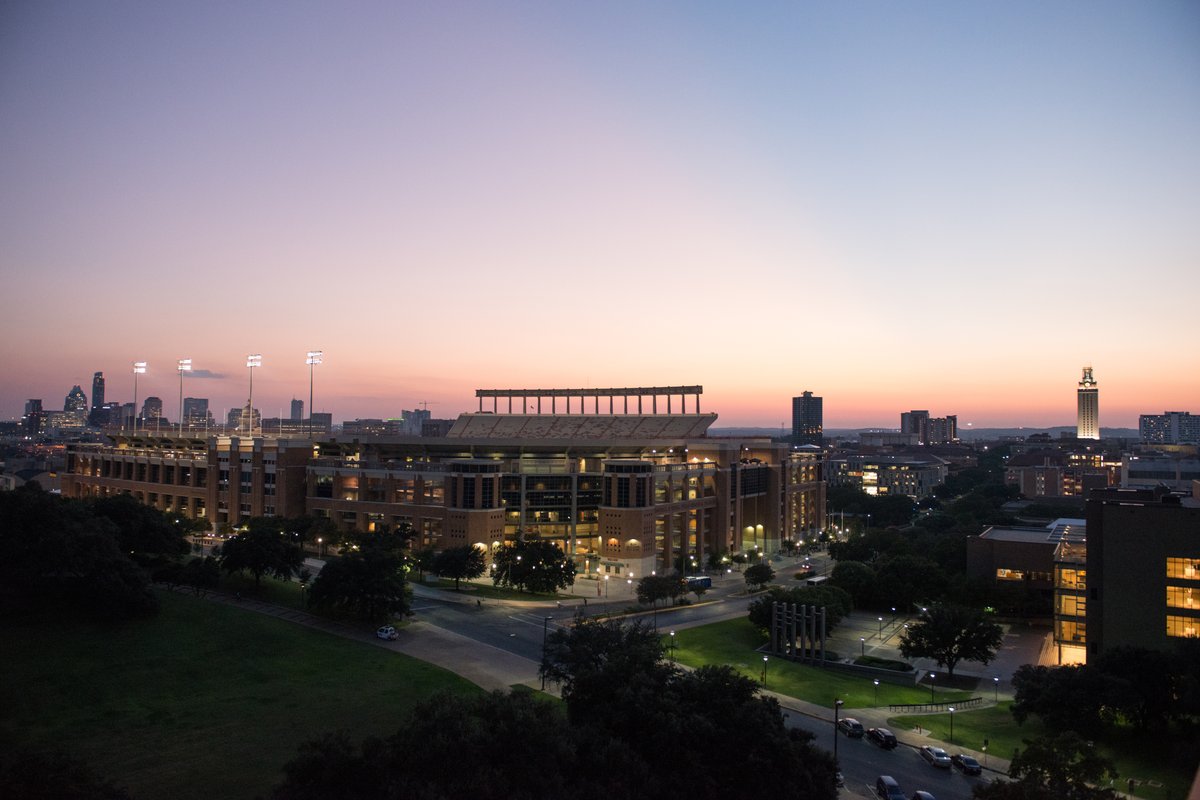
The statue stands on the South Mall. Nearby campus landmarks include:
- Littlefield Fountain — another Coppini work and a major campus landmark.
- UT Tower and Main Building — iconic architecture with observation decks.
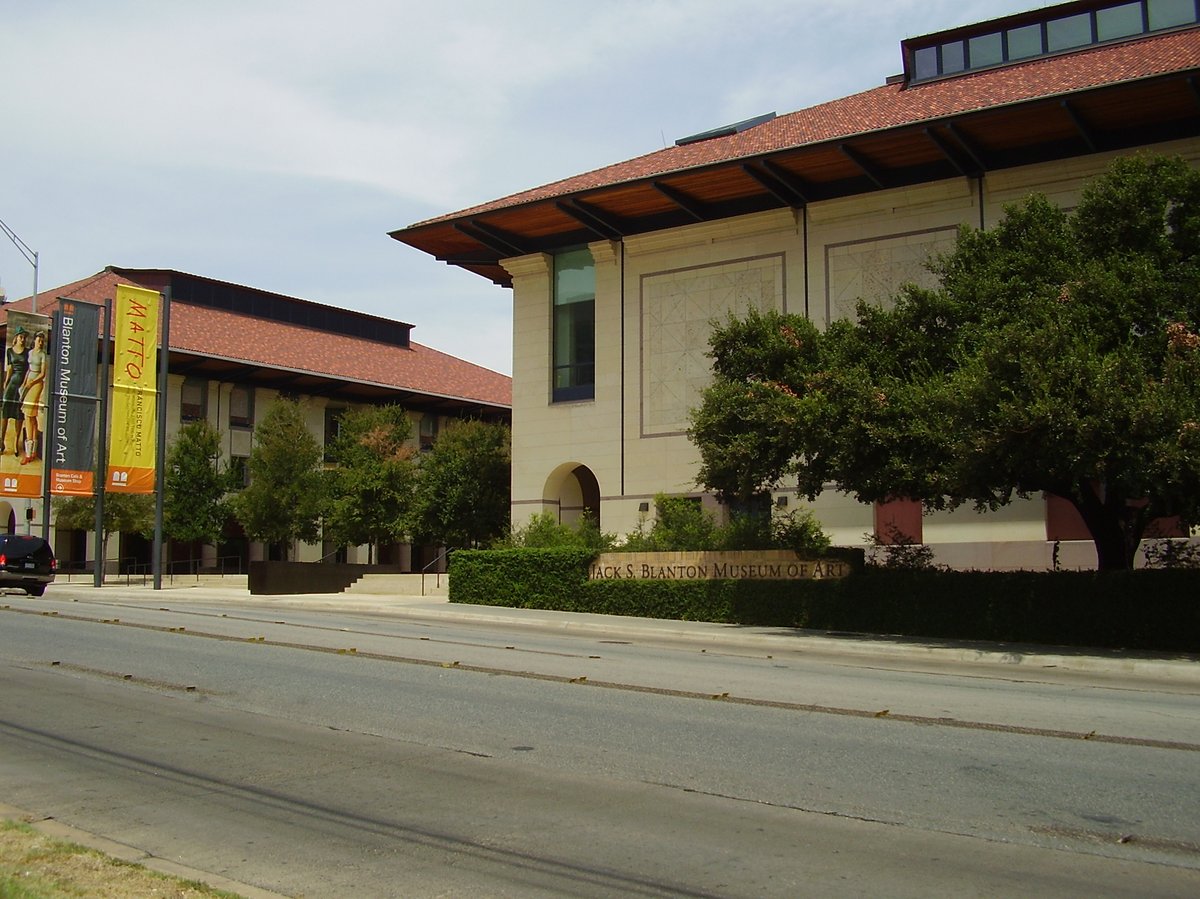
- Blanton Museum of Art and LBJ Presidential Library — cultural attractions.
The statue, framed by the UT Tower, makes for photographs, particularly at sunrise or sunset (Austinot).
Capitol grounds and monuments
The George Washington statue is among the historical monuments on the Texas State Capitol grounds, near the Texas African American History Memorial.
Carver Museum galleries and programs
The museum has four permanent galleries and rotating exhibitions, including “The African American Presence in 19th Century Texas,” the Families Gallery, and an exhibit on L.C. Anderson High School.
Its educational programming includes interactive exhibits, hands-on art workshops, film screenings, artist lectures, and annual events such as Juneteenth commemorations. The Juneteenth Memorial Monument is a centerpiece of the outdoor space, marking the story of emancipation through art. The Carver Genealogy Center offers resources and classes for tracing African American ancestry and exploring and documenting family histories.
By centering Black narratives and promoting community engagement, the museum fosters pride, learning, and dialogue around social justice and representation (Texas Architect; Travel Noire).
Practical visiting information
UT Austin statue
- Hours The statue is in an open area and accessible daily from dawn until dusk.
- Tickets No admission or ticket is required; the site is free and open to the public.
- Accessibility Paved, wheelchair-friendly pathways lead to the statue. Accessible parking is available nearby.
- Tours UT Austin campus tours include the statue and can be booked through the university’s visitor center.
Texas State Capitol statue
- Hours The Capitol grounds are typically open daily from 8:00 AM to 8:00 PM.
- Tickets No fees or tickets are required to visit the statue or grounds.
- Accessibility Paved, wheelchair-accessible paths and accessible restrooms are nearby.
- Tours The Texas State Preservation Board and local organizations offer guided tours of the grounds and monuments.
George Washington Carver Museum
- Hours Tuesday–Saturday: 10:00 AM–5:00 PM; Sunday: 1:00 PM–5:00 PM; closed Mondays and major holidays.
- Admission Free for all visitors.
- Tours Guided tours and special programs are available with advance registration. Check the museum website for details.
- Accessibility The museum is fully ADA accessible.
Tips
- For UT Austin statue photography, early morning or late afternoon offers optimal lighting.
- Use public transportation or campus shuttles to avoid parking hassles. Wear comfortable shoes and bring water during warmer months.
- Check the official Capitol website for tour schedules and information on special events.
- For a richer visit, use self-guided tours, join campus or Capitol walks, and attend community events. Download the Audiala app for interactive maps and up-to-date information. Follow official channels for news, events, and visitor tips.
Nearby places
Near the UT Austin statue are Littlefield Fountain, the UT Tower and Main Building, the Blanton Museum of Art, and the LBJ Presidential Library.
Frequently asked questions
UT Austin statue
- Are tickets required to visit? No. The site is free and open to the public.
- When is the best time for photography? Early morning or late afternoon offers optimal lighting.
- Is the site accessible for those with disabilities? Yes. Paved and ramped walkways surround the statue.
- Are guided tours available? Yes, through UT Austin’s visitor center.
Texas State Capitol statue
- What are the visiting hours? 8:00 AM–8:00 PM daily, subject to change for holidays and events.
- Is admission free? Yes, there is no charge to visit the statue or Capitol grounds.
- Is the site wheelchair accessible? Yes, pathways and restrooms are accessible.
- Are guided tours available? Yes. Check the State Preservation Board’s website for details.
George Washington Carver Museum
- What are the museum’s hours? Tuesday–Saturday: 10 AM–5 PM; Sunday: 1–5 PM; closed Mondays and holidays.
- Is admission free? Yes, general admission is always free.
- Are tours available? Yes, for special programs and groups; see the museum website for information.
- Is the museum accessible? Yes, it is fully ADA accessible.