Plan and listen to Garrison Hall with Audiala.
Audio guide in your pocket, itinerary in your browser. Built for the way you actually visit.
Introduction
Garrison Hall stands as one of the University of Texas at Austin’s most iconic and historically significant buildings. With its enduring blend of Texas heritage, academic excellence, and distinctive architectural style, Garrison Hall is a must-visit for anyone interested in Austin’s cultural landscape. This comprehensive guide details Garrison Hall’s rich history, architectural features, visiting hours, ticketing policies, accessibility, and practical tips for visitors seeking to delve into one of Austin’s most treasured historical sites. (jimnicar.com, notevenpast.org, wikipedia, thedailytexan.com, Travel Realist, UT Austin History)

Historical Background and Construction
Garrison Hall’s origins date back to the early 1920s, a period of significant expansion at UT Austin. By 1921, the university had outgrown its original forty-acre campus, prompting the Texas Legislature to approve the acquisition of additional land and the development of new academic buildings (jimnicar.com). Planning for Garrison Hall began in 1922, with the university’s Board of Regents commissioning Texas architect Herbert M. Greene—alongside James White and Robert Leon White—to design the building. Construction began in 1925, and Garrison Hall was completed in 1926 at a cost of $370,000, reflecting a commitment to both function and grandeur (notevenpast.org; wikipedia).
Naming and Dedication
The building honors George Pierce Garrison (1853–1910), the university’s first chair of the History Department and a key figure in Texas historiography. Garrison was pivotal in shaping historical studies at UT Austin and was a founding member of the Texas State Historical Association. The building’s dedication to him underscores its longstanding connection to the university’s academic and cultural mission (wikipedia).
Architectural Design and Symbolism
Style and Features
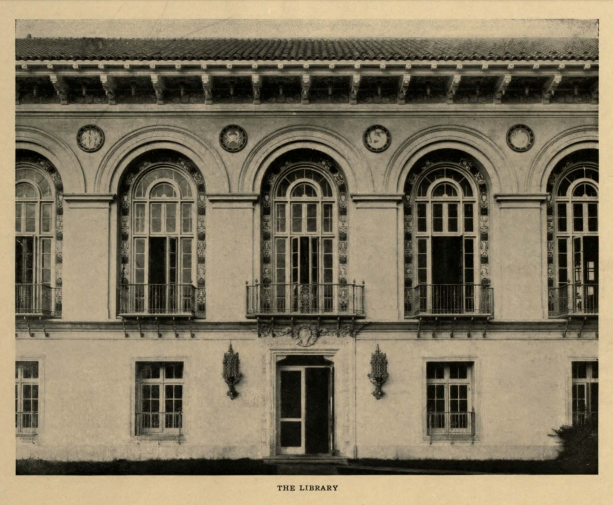
Garrison Hall is a testament to Mediterranean Revival and Beaux-Arts architectural traditions, harmonizing classical academic motifs with Texas symbolism. Designed by Herbert M. Greene, its limestone façades, red clay tiled roofs, and ornate stonework reflect both regional materials and international style (thedailytexan.com). The building features:
- Indiana limestone cladding for durability and visual unity across campus.
- Red clay roof tiles providing weather resistance and aesthetic appeal.
- Arched windows and entrances lending classical elegance.
- Decorative stonework including medallions, cornices, and unique Texan motifs.
Texan Symbolism
Garrison Hall’s ornamentation is a visual chronicle of Texas history. Notable elements include:
- Carved names of Texas founders (Houston, Austin, Burnet, Jones, Travis, Lamar) beneath the eaves.
- Cattle brands, longhorn skulls, bluebonnets, and cacti as tributes to Texas’s ranching and natural heritage.
- Chronological ranch motifs on the building’s façades, representing different eras in Texas history.
Role in Campus and Academics
Situated on the southeast corner of UT Austin’s Main Mall, Garrison Hall occupies a prominent, though slightly offset, position in the campus’s master plan (utdirect.utexas.edu). The building originally housed a range of disciplines—including English, government, psychology, sociology, philosophy, and economics—but has long been the home of the Department of History. Today, Garrison Hall is renowned for its role in academic life, hosting lectures, seminars, and major research initiatives (jimnicar.com).
Visiting Garrison Hall
Visiting Hours and Admission
- Public Hours: Monday through Friday, 8:00 AM to 5:00 PM.
- Admission: Free; no tickets required for general entry.
- Weekend Visits: Available by appointment or during campus-wide events.
- For the latest updates, visit the University of Texas official website or the campus events calendar.
Accessibility
Garrison Hall is fully accessible, with ramps, elevators, and accessible restrooms. Visitors with mobility needs will find the building compliant with ADA standards, and accessible parking is located nearby.
Guided Tours and Special Events
- Guided Tours: Offered periodically through the university’s visitor center, often as part of broader campus tours (Travel Realist).
- Special Events: The Department of History and affiliated institutes host public lectures, symposia, and community outreach events. Check departmental and university calendars for details.
Nearby Attractions
Garrison Hall’s central location makes it a convenient starting point for exploring other Austin landmarks:
- UT Tower
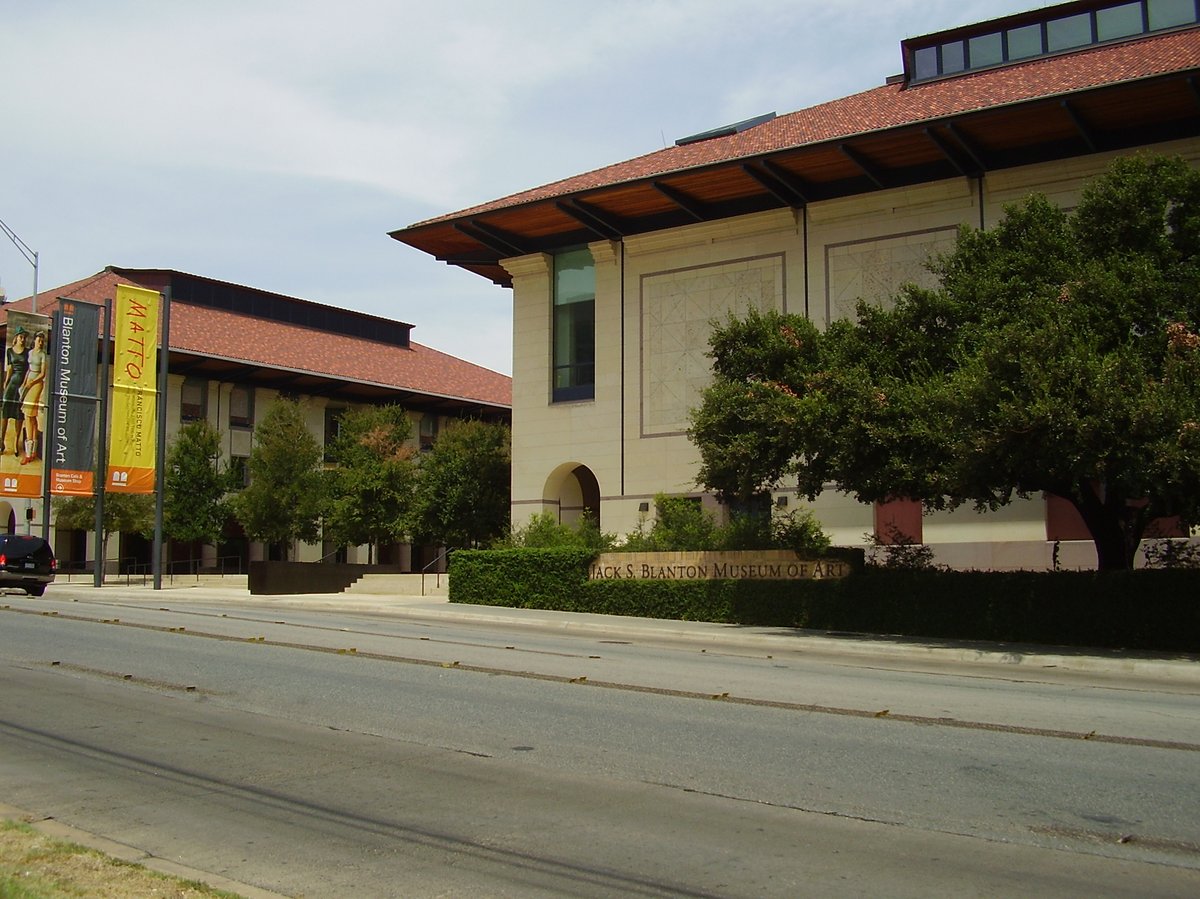
- Blanton Museum of Art
- LBJ Presidential Library
- Battle Hall and other historic campus buildings
Tips for a Memorable Visit
- Timing: Early mornings or late afternoons offer the best light for photography and fewer crowds.
- Navigation: Use the UT Virtual Campus Tour or the official campus map to plan your route.
- Transportation: Capital Metro buses and UT Shuttle Service provide easy access; paid parking is available at nearby garages (Brazos Garage, San Antonio Garage).
- Visitor Etiquette: Be mindful of ongoing classes and events; keep noise to a minimum in academic areas.
- Accessibility: Contact the Disability & Access Office for assistance or special accommodations.
Frequently Asked Questions (FAQ)
Q: What are the visiting hours for Garrison Hall?
A: Monday to Friday, 8:00 AM to 5:00 PM. Closed on university holidays; check for special event hours.
Q: Is there an admission fee?
A: No, Garrison Hall is free and open to the public during business hours.
Q: Are guided tours available?
A: Yes, as part of campus tours or special events; check with the Visitor Center or Department of History.
Q: Is the building accessible?
A: Yes, Garrison Hall has ramps, elevators, and accessible restrooms.
Q: Where can I park?
A: Paid parking is available at nearby university garages and limited metered street parking on Guadalupe Street and San Jacinto Boulevard.
Q: Can I take photographs?
A: Yes, but please be considerate of classes in session.
Listen to the full story in the app
The whole Garrison Hall,
told well.
Audio guides for 1,100+ cities across 96 countries. History, stories, and local insight — offline ready.
Verified, and shown.
Researched and written by the Audiala editorial team from historical records, architectural archives, and local expertise.
Researched from Wikidata, Wikipedia & official sources · fact-checked · How we make our guides →