

What Concordia University Texas is
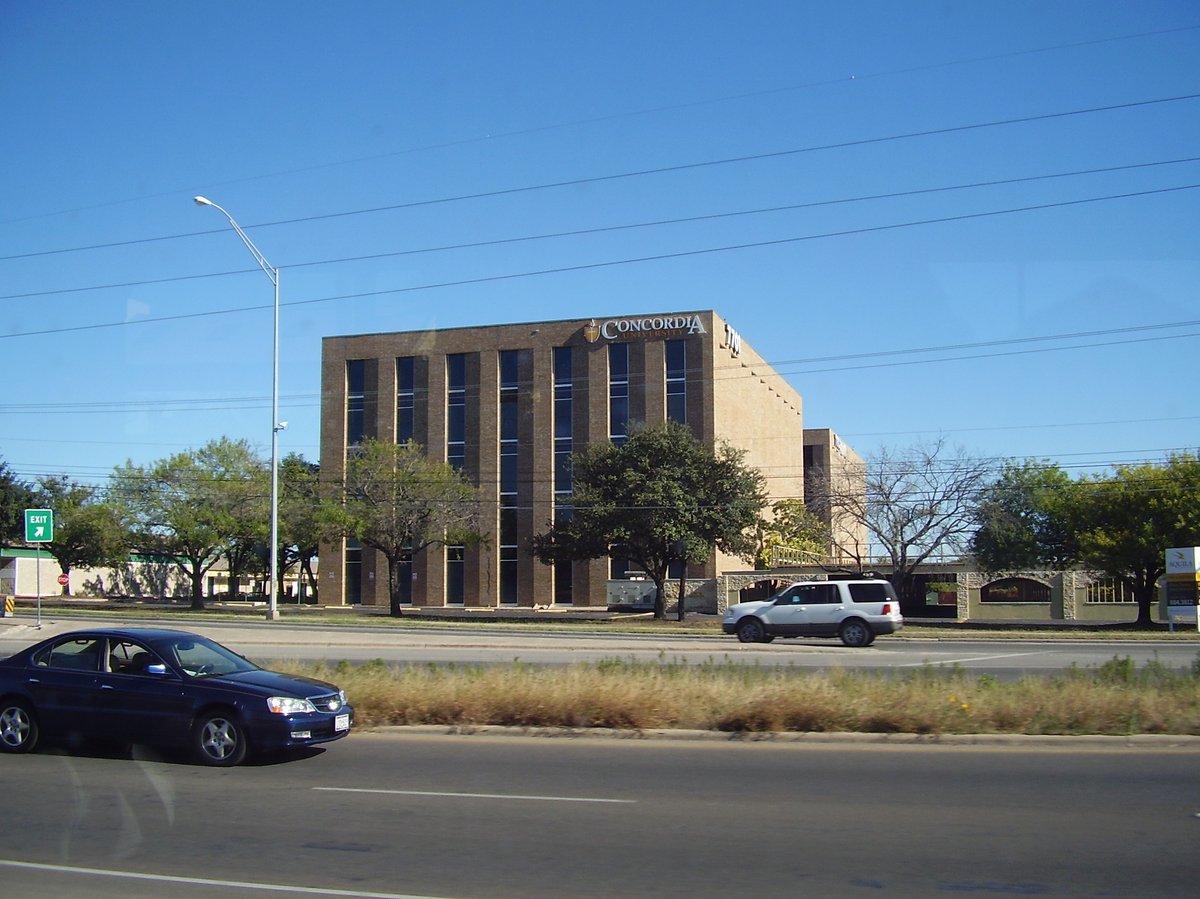
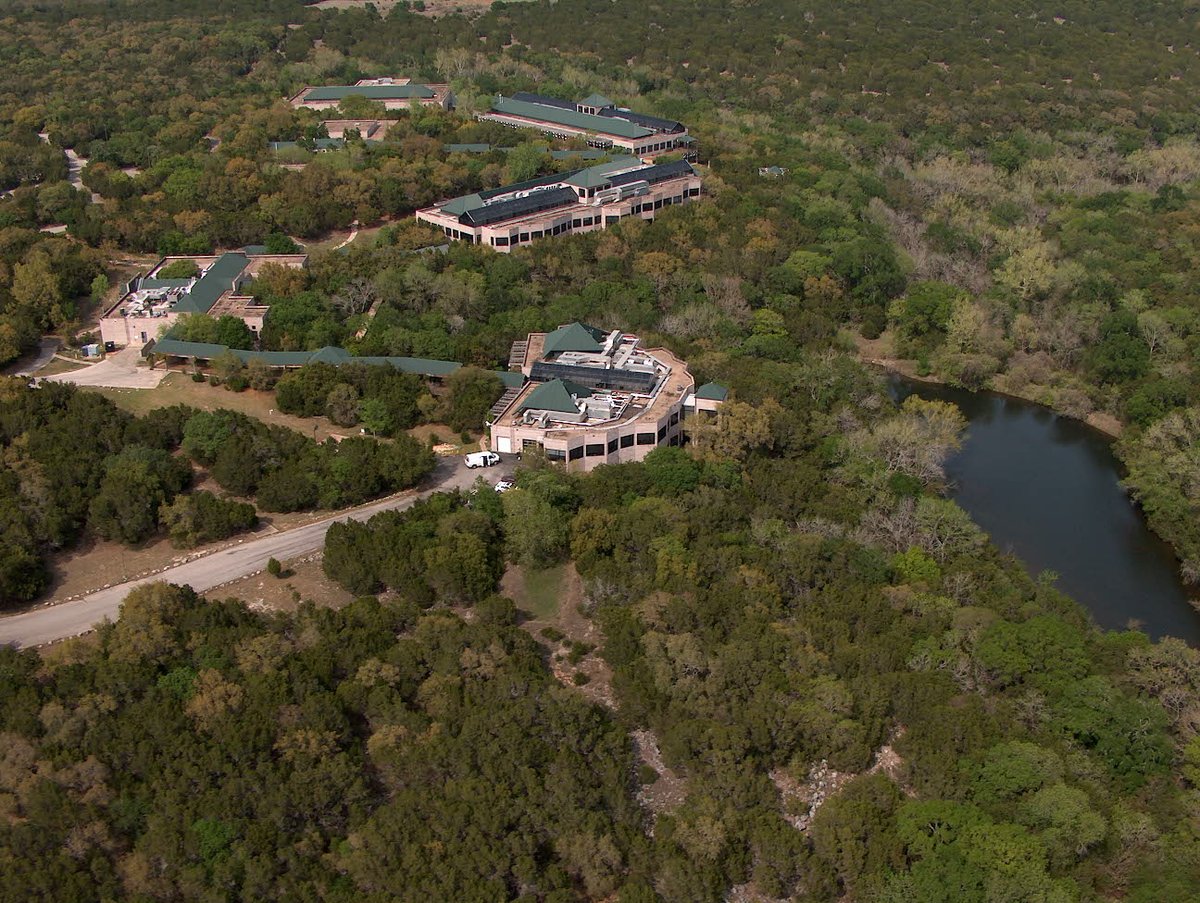
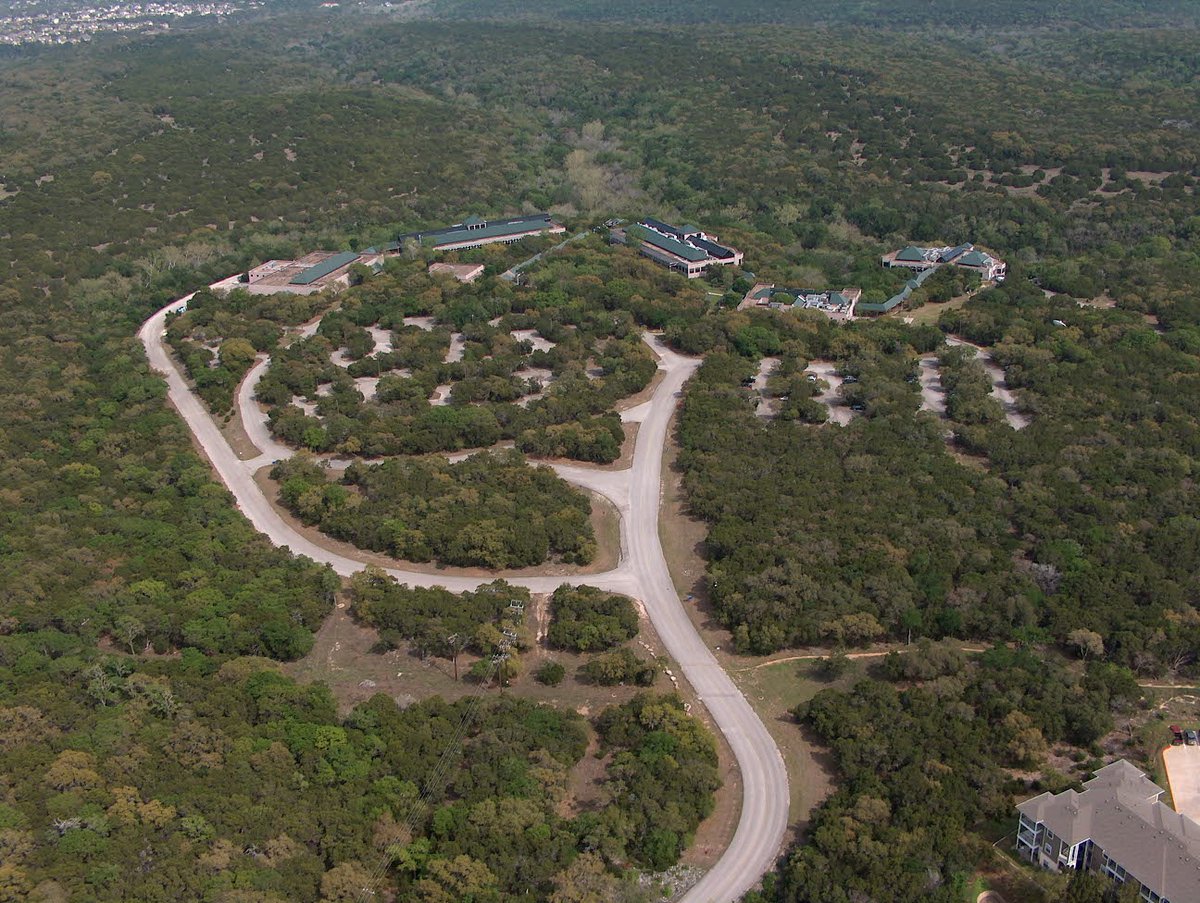
Concordia University Texas is in Austin, Texas. Its current campus covers 400 acres, including a protected 250-acre nature preserve that is part of the larger Balcones Canyonlands Preserve system. The campus combines academic and student facilities with native woodlands and habitats that support conservation, research, and environmental education.
For information about the university and preserve, see the official Concordia University Texas website, the university’s dedicated nature preserve page, and the Concordia University Texas Nature Preserve.
History
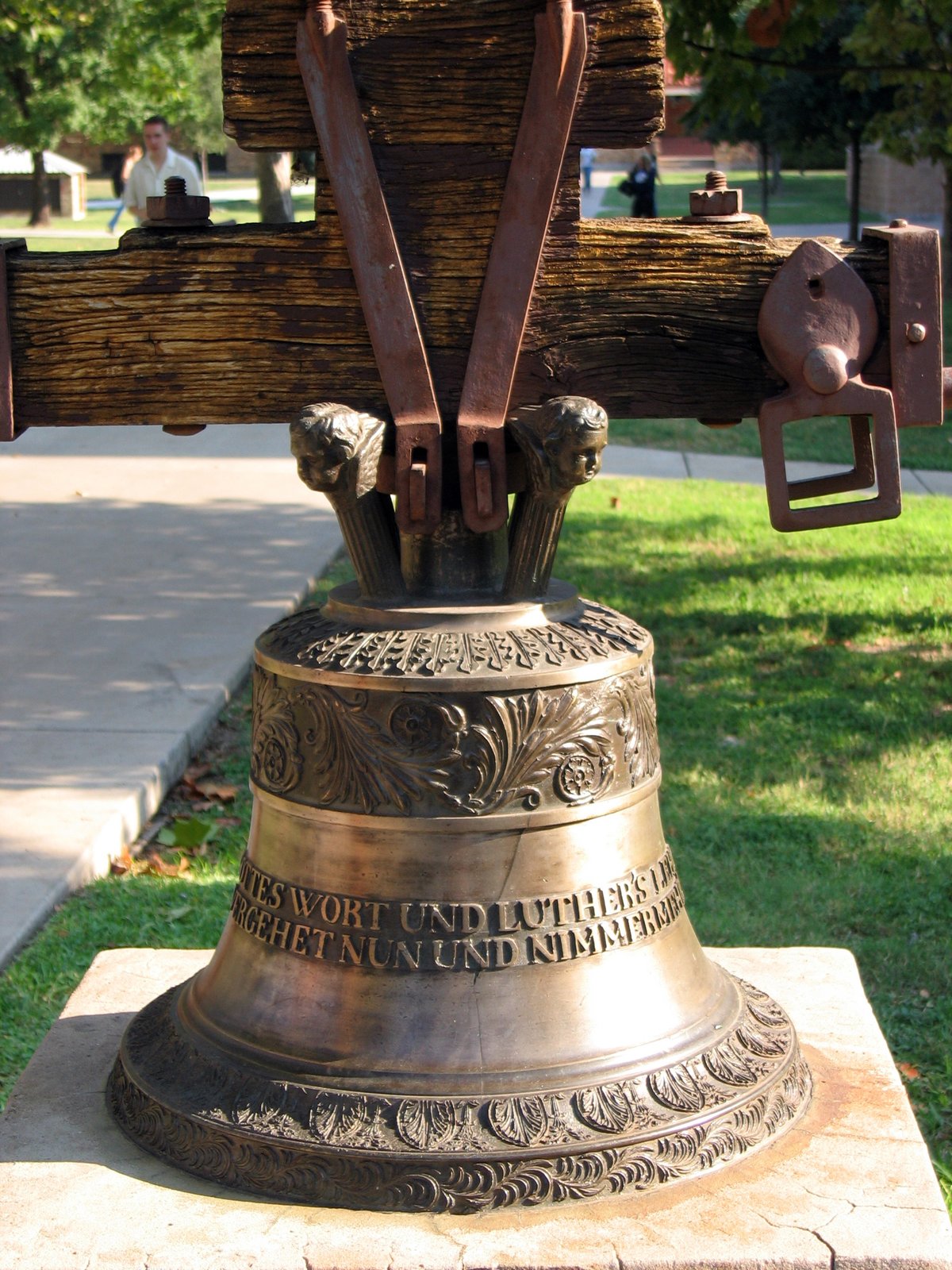
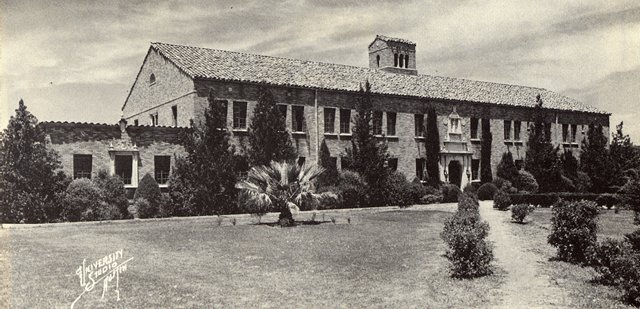
Concordia was founded in 1926 as Lutheran Concordia College of Texas. It began as a four-year high school intended to prepare young men for ministry in the Lutheran Church–Missouri Synod (LCMS). Its history is closely connected to Texas’s Wendish immigrant community; Kilian Hall is named for church leader John Kilian.
The institution became coeducational in 1955 and expanded to a full four-year university by 1980. In 2005, Concordia moved to its current campus in northwest Austin, where modern academic buildings sit alongside the nature preserve. The university’s history is described here (source).
What to see
Campus landmarks and setting
The campus sits atop the Jollyville Plateau, within the Edwards Aquifer Recharge Zone. Its preserve is a key part of the Balcones Canyonlands Preserve, which protects habitat and water quality and is described as one of the nation’s largest urban preserves.
Campus highlights include:
- Kilian Hall, which honours Texas Lutheran heritage.
- The Chapel, a spiritual hub and architectural feature.
- Harms Hall and student housing, which show a mix of modern and traditional architecture; many residence halls have views of the preserve.
- The Student Center and Athletic Complex, the latter with state-of-the-art facilities and scenic views.
- Modern academic buildings among native oak and juniper woodlands.
- Walking trails connecting major campus areas.
Nature preserve
The Concordia University Texas Nature Preserve protects rare habitats and endangered bird species, and serves as a living classroom for research and environmental education (source). Its trails and features include:
- Marked hiking paths ranging from easy to moderate, as well as miles of routes for hiking and jogging.
- Birdwatching stations where visitors may see Golden-cheeked Warblers and Black-capped Vireos.
- A wetlands boardwalk over sensitive habitats.
- Guided access to limestone formations for cave exploration.
- Native flora, endangered species, and interpretive signage.
The preserve also supports wildlife observation, outdoor classrooms, environmental workshops, and nature walks. Interpretive signs, student-led projects, and events such as Earth Day promote sustainability and environmental awareness (Concordia Nature Preserve).
Programs and events
Campus programming includes chapel services, concerts, and other events reflecting Concordia’s Lutheran roots, along with art and environmental installations. Summer camps offer hands-on learning and campus tours in Music, coding, nursing, and leadership. Other programs include Earth Day celebrations, birdwatching workshops, guided nature walks, educational camps for youth and families, retreats, and academic conferences. Check the official preserve page and the summer camps schedule for current information.
Practical visiting information
Hours and admission
Campus hours are listed in two ways:
- Monday–Friday, 8:00 AM–6:00 PM, with weekend hours available during select events.
- 7:00 AM–9:00 PM daily; buildings are open by appointment and for scheduled events.
The nature preserve is open daily from dawn to dusk. General admission to both the campus and preserve is free. Some special programs, tours, or camps may require advance registration or a fee.
Directions, transportation, and parking
- Address 11400 Concordia University Drive, Austin, TX 78726.
- By car The campus is reached via Mopac Expressway (Loop 1) and Highway 183, about 25 minutes from downtown Austin.
- Public transit Service is limited; rideshare or car rental is recommended. Rideshare is also recommended for travel from downtown, and drop-off zones are provided.
- Parking Free visitor parking is available near the main entrance and visitor center. Visitors to the preserve can use main campus lots adjacent to its entrance; visitor parking is free and well-marked.
Accessibility
Wheelchair-accessible routes are available throughout campus and the preserve, though only select trails and facilities are accessible and some trails have uneven terrain. Barrier-free restrooms, designated ADA parking, and restrooms and drinking fountains at the preserve’s main entry are available. Visitors who need additional support are encouraged to contact visitor services in advance.
Tips
- Check event schedules before visiting.
- Wear comfortable shoes and dress for walking and the weather. For preserve visits, bring water and use sun and insect protection.
- Respect preserve rules to protect wildlife and habitats.
- Photography is permitted, but some areas may have restrictions.
- Pets are allowed on campus if leashed, but are not allowed in the preserve. Bikes are also not allowed in the preserve.
- Spring and fall are noted as good times to visit for mild weather and vibrant scenery.
Nearby places
Nearby destinations include:
- Lake Travis, 4 miles west of campus, for boating and swimming.
- Balcones Canyonlands Preserve and Balcones Canyonlands National Wildlife Refuge.
- Lady Bird Lake.
- Downtown Austin, with music, museums, and dining; see attractions.
- More local information is available in the Austin historical sites guide.
Frequently asked questions
Are there entrance fees?
No. General access to the campus and nature preserve is free. Some programs, tours, or camps may require registration or a fee.
Are guided tours available?
Yes. Tours and preserve programs are available by appointment; advance booking is recommended for groups. Tours typically last about an hour.
Is the campus family-friendly?
Yes. The preserve and campus open spaces appeal to visitors of all ages.
Can I bring pets or bikes?
Leashed pets are allowed on campus, but pets and bikes are not allowed in the preserve.
Is the preserve accessible for wheelchairs?
Some trails and facilities are accessible. Routes, facilities, and trail surfaces vary, and some trails have uneven terrain.
When is the best time to visit?
Spring and fall offer mild weather and vibrant scenery.