Plan and listen to Batts Hall with Audiala.
Audio guide in your pocket, itinerary in your browser. Built for the way you actually visit.
Introduction
Batts Hall is an iconic landmark on the University of Texas at Austin (UT Austin) campus, celebrated for its architectural distinction, deep academic heritage, and lasting cultural impact. As a member of the famed “Six Pack” of limestone and red tile-roofed buildings, Batts Hall embodies the Beaux-Arts vision of campus unity and stands as a testament to UT Austin’s commitment to both tradition and innovation (barrypopik.com, travelrealist.com). Named for Judge Robert Lynn Batts, an influential figure in Texas law and education, the building continues to serve as a vibrant center for language and cultural studies (news.utexas.edu).
This guide provides comprehensive information on Batts Hall’s history, architecture, academic role, visitor logistics, and its unique place among Austin’s historical sites. Whether you're an architecture enthusiast, a language learner, or a visitor eager to explore Austin’s heritage, Batts Hall offers a rich and rewarding experience.
Origins and Construction of Batts Hall
Batts Hall was constructed as part of UT Austin’s major 1930s expansion, a period that saw the creation of the “Six Pack”—a harmonious row of Indiana limestone buildings with red tile roofs, designed under the campus master plan of architect Paul Cret (barrypopik.com). This cluster, which includes Batts, Mezes, Benedict, Parlin, Calhoun, and Homer Rainey Halls, is a defining feature of the university’s South Mall (travelrealist.com). The uniform architectural style was intended to foster a sense of academic prestige and institutional unity.
The Namesake: Judge Robert Lynn Batts
Judge Robert Lynn Batts was a pivotal leader in the history of UT Austin. Serving as a professor at the UT School of Law, a jurist, and chairman of the Board of Regents, Batts was known for his dedication to the university’s mission and environment. His advocacy for campus preservation, notably his famous pledge to protect the university’s oak trees, underscores his lasting legacy (news.utexas.edu).
Architectural and Academic Significance
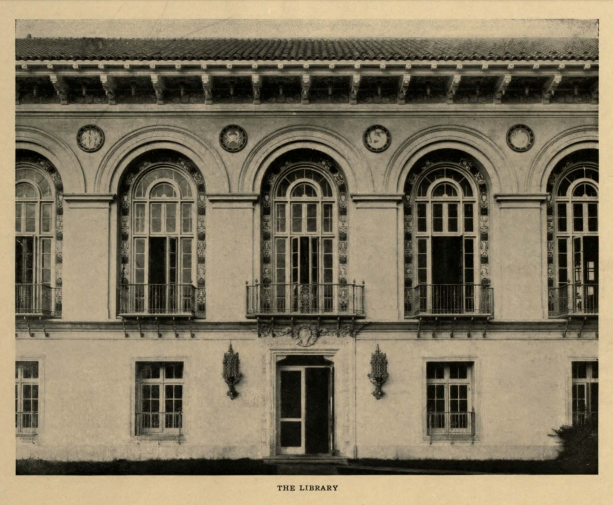
Batts Hall’s exterior features classic Beaux-Arts symmetry, Indiana limestone, and signature red tile roofing, ensuring visual harmony with the South Mall. Inside, it houses the College of Liberal Arts’ language departments—including French and Italian, Germanic Studies, and Slavic and Eurasian Studies—making it central to UT Austin’s leadership in language and cultural education (liberalarts.utexas.edu).
Batts Hall in Campus Culture and Lore
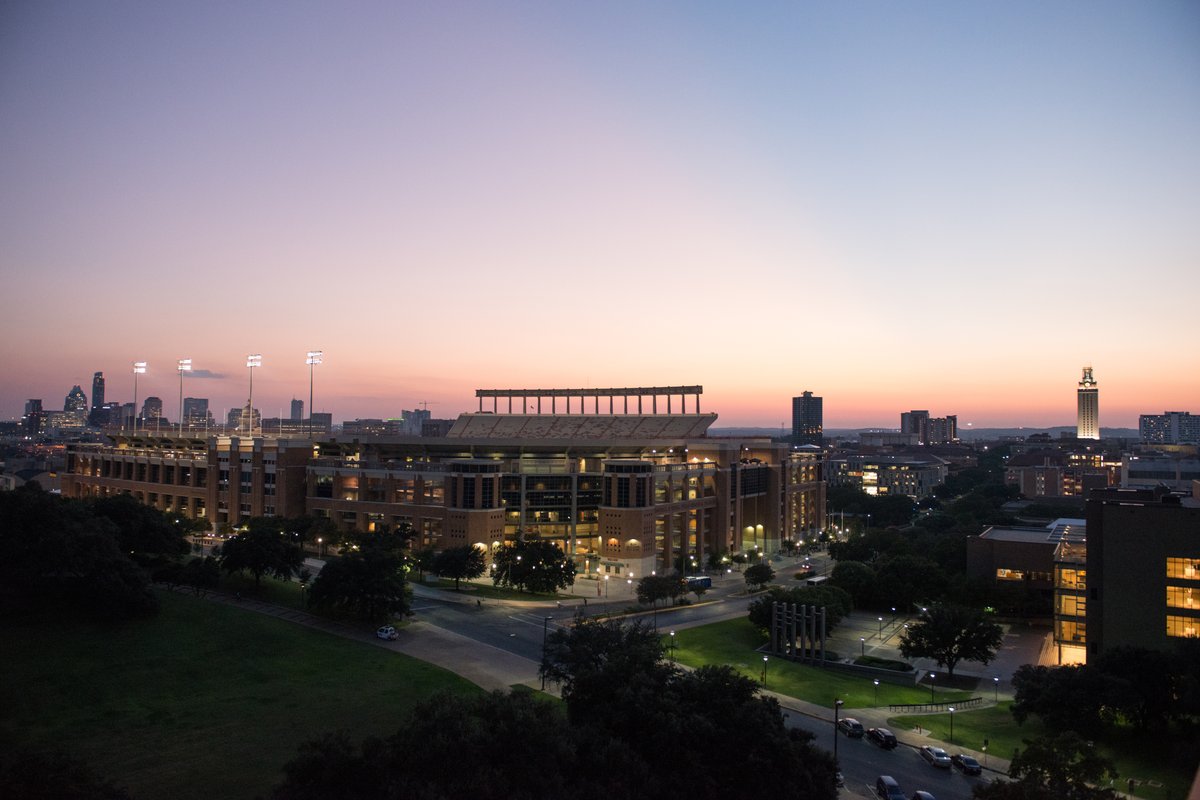
As a hub for student activity, Batts Hall is deeply woven into campus traditions. Its proximity to the UT Tower, the Littlefield Fountain, and the South Mall makes it a popular backdrop for photos and a favorite study spot (reddit.com). The hall is also a key stop on self-guided and official campus tours (travelrealist.com).
Visiting Batts Hall: Hours, Tickets, and Accessibility
- Visiting Hours: Batts Hall is open to the public Monday through Friday, 8:00 AM to 6:00 PM during the academic year. Hours may vary during holidays and university breaks (admissions.utexas.edu/visit).
- Tickets: No ticket or fee is required for general visitation.
- Access: The building is ADA-compliant, with ramps, elevators, and accessible restrooms. Contact UT Services for Visitors with Disabilities for specific accommodations.
Parking and Transportation Tips
Parking on campus is limited and requires payment or a permit. Nearby options include the San Jacinto and Speedway Garages, both within walking distance of Batts Hall. Austin’s Capital Metro provides bus service to the campus, and rideshare and biking options are widely available (austintexas.org).
Special Events and Photographic Spots
Batts Hall and the South Mall host numerous university events, from commencements to cultural festivals. The balcony between Batts and Mezes Halls offers some of the best campus views for photography, especially with the UT Tower in the background.
Frequently Asked Questions (FAQ)
Q: What are Batts Hall’s visiting hours?
A: Monday to Friday, 8:00 AM to 6:00 PM during the academic year. Confirm special hours during holidays.
Q: Is there an admission fee or ticket required?
A: No, entry is free.
Q: Are guided tours available?
A: Yes, through the UT Visitor Center.
Q: Is Batts Hall wheelchair accessible?
A: Yes, with ramps, elevators, and accessible restrooms.
Q: Where can I park?
A: Use nearby garages like San Jacinto or Speedway. See UT parking information.
Q: Can I take photos in Batts Hall?
A: Yes, in public areas. Please respect class and office privacy.
Renovations and Modernization
A major renovation between 2002 and 2006 upgraded Batts Hall’s infrastructure, ensuring both safety and accessibility while preserving historic character. Updates included restored façades, new energy-efficient windows, ADA-compliant features, and modernized classrooms (schooldesigns.com).
Visitor Experience and Accessibility
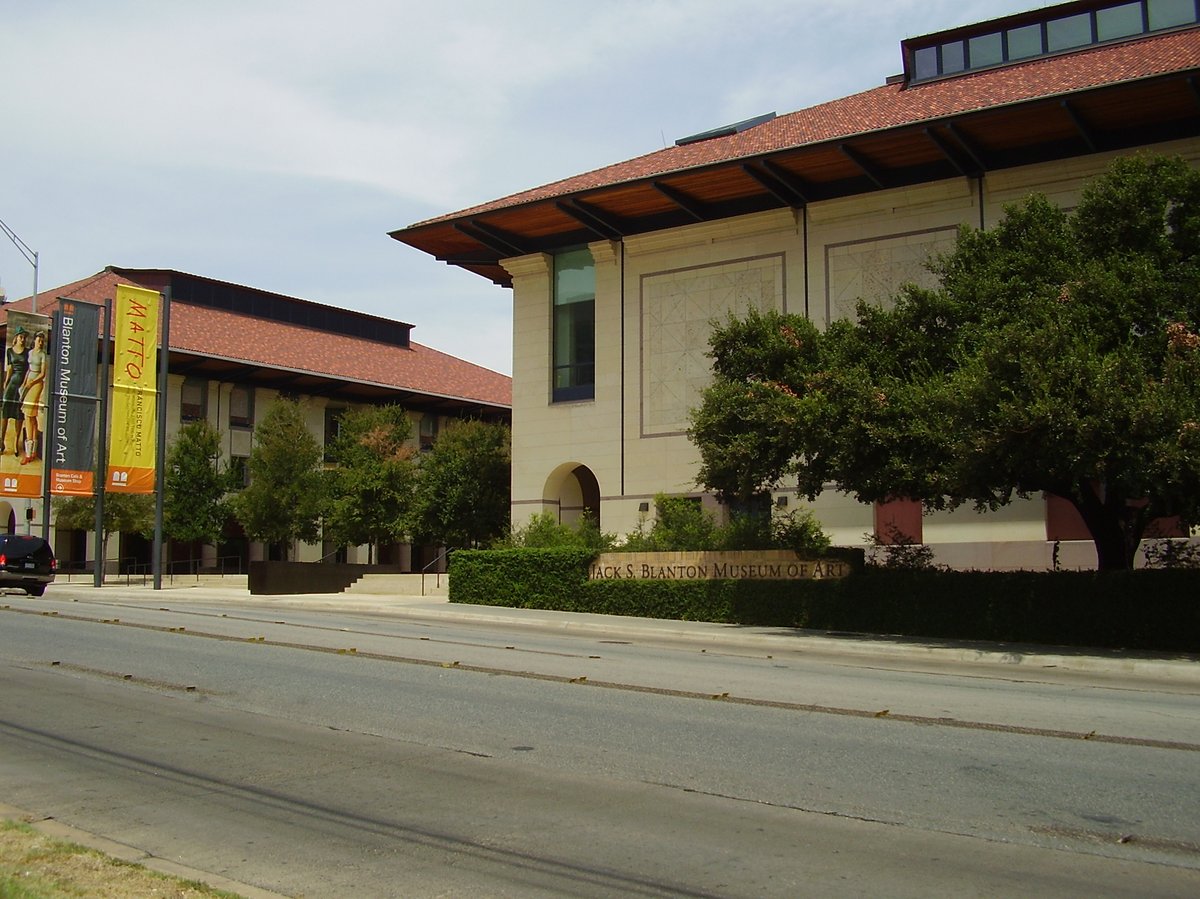
Visitors will find Batts Hall easy to navigate, with clear signage and accessible facilities. The building’s South Mall location makes it ideal for including in campus tours or as a central point for exploring nearby attractions like the Blanton Museum of Art and LBJ Presidential Library.
Practical Tips for Visiting Batts Hall and Austin
- Visit during the academic year for the liveliest campus atmosphere.
- Early mornings or late afternoons offer the best lighting and calmer conditions for photography.
- Dress for Austin’s variable weather and bring water, especially in summer (Austin Weather Guide).
- Nearby cafes and the Texas Union offer refreshments.
Unique Aspects of Batts Hall Compared to Other Austin Historical Sites
Batts Hall stands out for its role in UT Austin’s academic and architectural legacy. As part of the “Six Pack,” its preserved limestone façade and historical integrity make it a living example of the university’s mid-century vision—distinct from other Austin sites in both function and design.
Discover More
Batts Hall is more than an academic building—it is a vibrant center for language learning, cultural exchange, and historical exploration. Its architectural harmony, storied legacy, and ongoing academic mission make it a must-see among Austin historical sites. Plan your visit today, and enhance your experience with resources like the Audiala app for interactive campus maps and up-to-date event information.
For the latest updates and visitor tips, follow us on social media, explore our related articles, and make Batts Hall your gateway to discovering UT Austin’s rich heritage.
Listen to the full story in the app
The whole Batts Hall,
told well.
Audio guides for 1,100+ cities across 96 countries. History, stories, and local insight — offline ready.

Verified, and shown.
Researched and written by the Audiala editorial team from historical records, architectural archives, and local expertise.
Researched from Wikidata, Wikipedia & official sources · fact-checked · How we make our guides →