Architectural Features & Campus Influence
Design and Structure
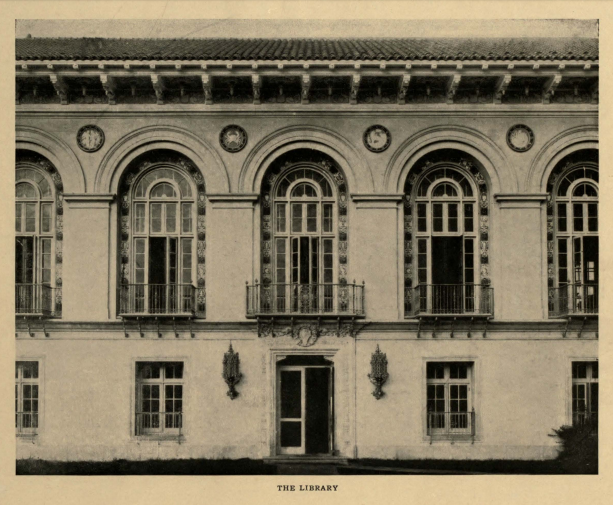
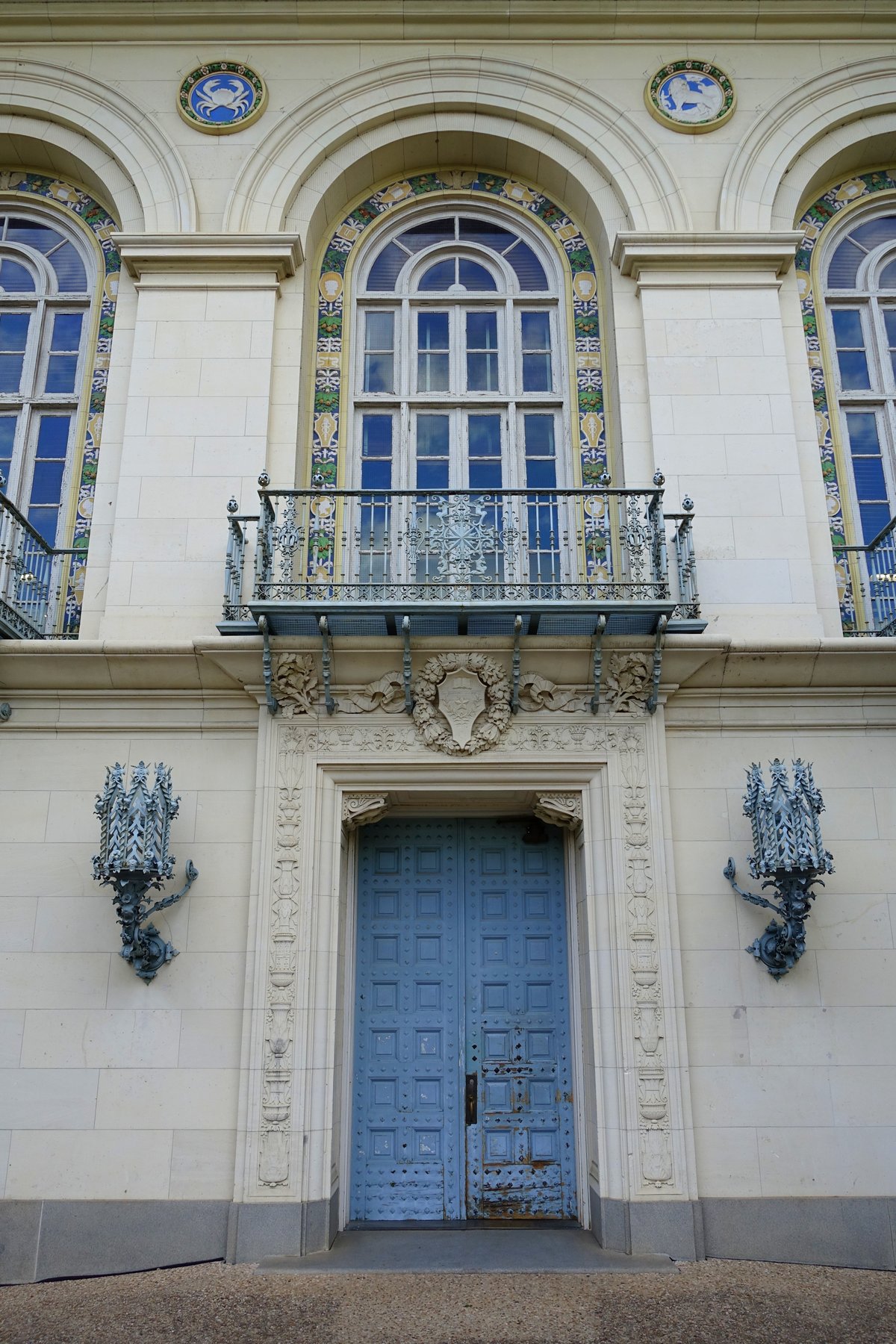
Battle Hall’s architecture fuses Mediterranean and classical elements adapted to the Texan landscape. Key features include:
- Indiana limestone walls and decorative cornices
- Broad red clay tile roof for climate suitability
- Arched windows and arcaded loggias for shaded walkways
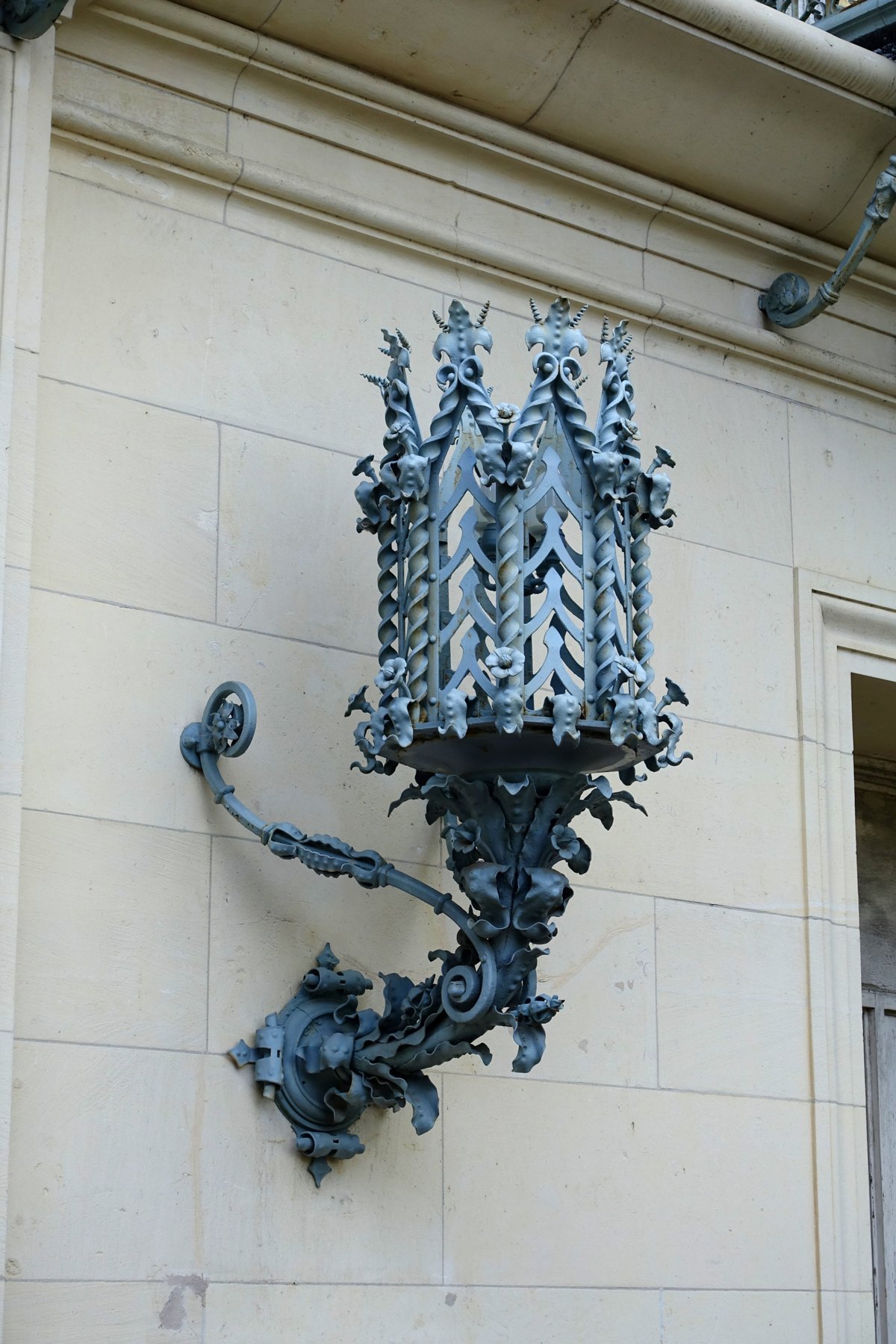
- Intricate iron balconies and zodiac medallions
The building’s layout maximizes natural light, with a grand vaulted reading room, high ceilings, and exposed wooden trusses. Its design directly influenced the campus’s architectural continuity, notably in Paul Cret’s later master plan (UT School of Architecture; Travel Realist).
Preservation, Restoration & Social History
Restoration Efforts
Battle Hall has undergone significant renovations, particularly since 2018, to preserve its historical integrity and upgrade accessibility. Restoration projects included:
- Replacement of the red tile roof and central skylight
- Restoration of decorative eaves and ironwork
- Upgrades to electrical and mechanical systems
- Addition of elevators and accessible restrooms (architexas.com; traditionalbuilding.com)
Social and Cultural Significance
Battle Hall is not only an architectural icon but also a site of social change. In 1917, it was the setting for early student protests, like the successful challenge to the campus dress code. Recent restoration work revealed evidence of the building’s segregated past, leading to new research and exhibits highlighting the contributions of Black laborers to university construction (Briscoe Center; spaces4learning.com).
Visitor Information: Hours, Tickets & Accessibility
- Location 310 Inner Campus Drive (B7500), Austin, TX 78712-1009
- Hours Monday–Friday: 8:00 AM–6:00 PM; Saturday: 10:00 AM–4:00 PM; Closed Sundays and university holidays. Confirm current hours on the UT School of Architecture website.
- Admission Free; no tickets required for general visits.
- Guided Tours Offered by appointment and during special events; contact the School of Architecture or check the visitor page for scheduling.
- Accessibility ADA-compliant with ramps, elevators, and accessible restrooms.
- Facilities Restrooms, water fountains, free guest Wi-Fi, and comfortable study areas.
Travel Tips & Nearby Attractions
- Parking Visitor parking is available at the San Antonio and Brazos Garages, with metered street parking nearby (UT Parking).
- Public Transit Served by Capital Metro bus routes (CapMetro).
- Nearby Landmarks UT Tower, Blanton Museum of Art, Texas State Capitol, and LBJ Presidential Library are all within walking distance.
- Best Visiting Times Weekday mornings or early afternoons for a quieter experience; avoid peak exam periods.
Visitor Experience & Educational Opportunities
Inside Battle Hall
Visitors can explore:
- The grand reading room with its vaulted ceiling and original woodwork
- Rotating exhibits on architectural history and social context
- The Architecture and Planning Library, renowned for its collections and exhibitions (lib.utexas.edu)
Photography is permitted in most public areas; check for any restrictions during exhibitions.
Educational Engagement
As the home of the School of Architecture, Battle Hall hosts lectures, exhibitions, and special programs that illuminate its design and legacy. The Briscoe Center archives provide deeper insight into the building’s construction and social history (Briscoe Center). Virtual tours and digital resources are also available online.
Frequently Asked Questions (FAQ)
Q: What are Battle Hall’s visiting hours?
A: Monday–Friday, 8:00 AM–6:00 PM; Saturday, 10:00 AM–4:00 PM; closed Sundays and holidays.
Q: Is there an entry fee or ticket required?
A: No, general admission is free and no tickets are needed.
Q: Are guided tours available?
A: Yes, by appointment and during special events. Check the UT School of Architecture website for details.
Q: Is Battle Hall accessible for visitors with disabilities?
A: Yes, the building is ADA-compliant with ramps, elevators, and accessible restrooms.
Q: Can I take photographs inside Battle Hall?
A: Personal photography is allowed in public areas; restrictions may apply during certain exhibits.