Plan and listen to Austin History Center with Audiala.
Audio guide in your pocket, itinerary in your browser. Built for the way you actually visit.
Introduction
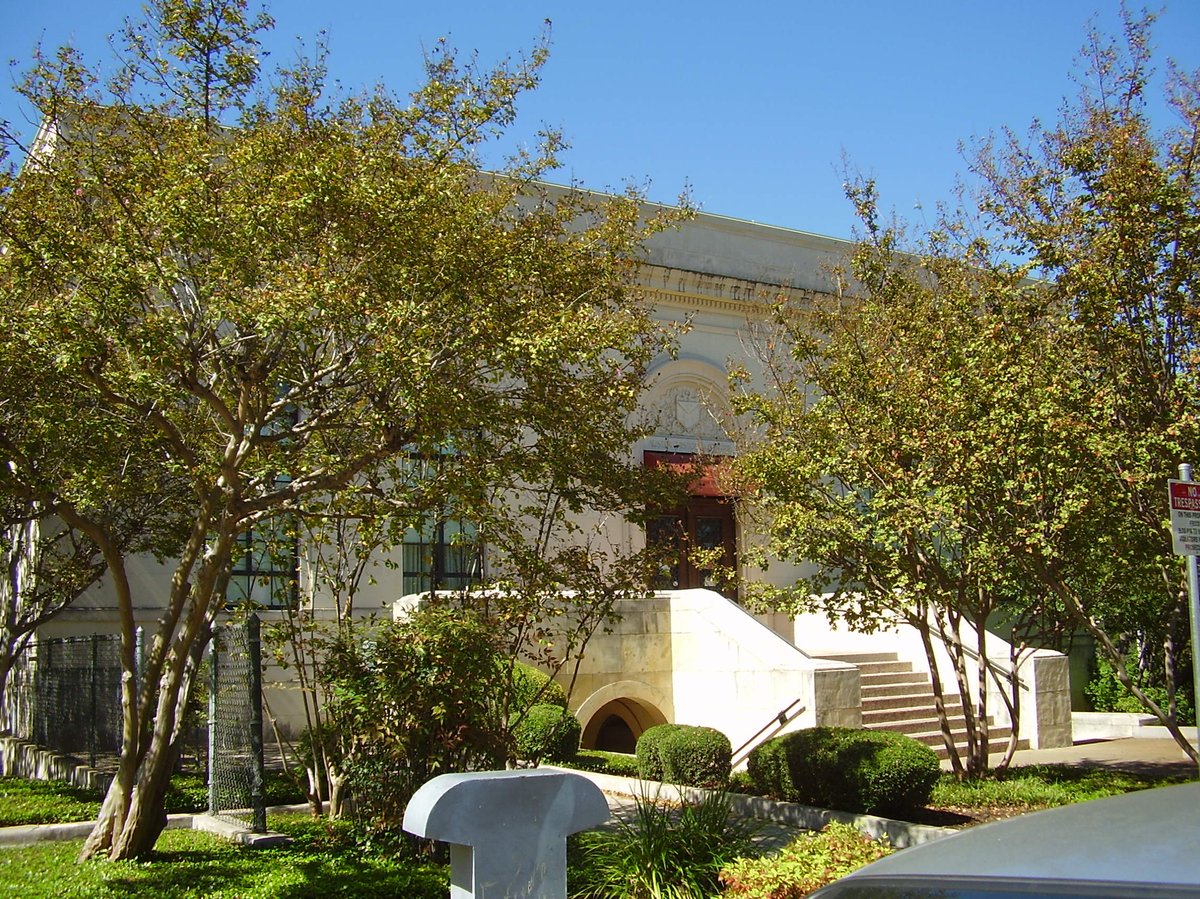
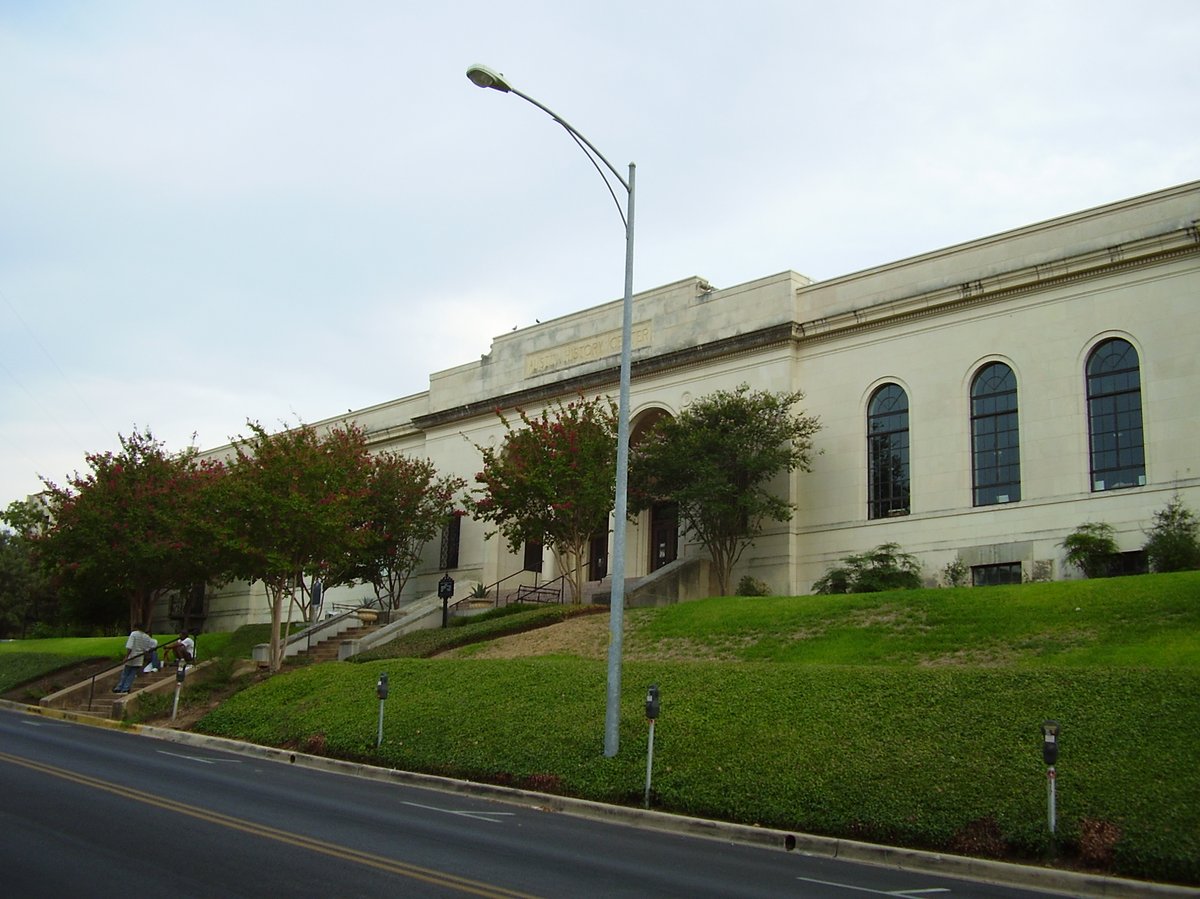
The Austin History Center (AHC), located in downtown Austin, serves as the official archive for the City of Austin and Travis County. Housed in an architecturally significant Renaissance Revival building from 1933, the AHC is both a vital research institution and a celebrated cultural landmark. With extensive archival collections, rotating exhibits, public programming, and a steadfast commitment to preserving Austin’s multifaceted history—including the voices of underrepresented communities—the AHC offers a comprehensive experience for history enthusiasts, genealogists, students, educators, and travelers alike. This guide provides everything you need to know about visiting the Austin History Center, including hours, ticketing, accessibility, nearby attractions, and tips for making the most of your visit (Austin History Center, About Us; Austin History Center Visiting Hours, Tickets, and Guide).

Origins and Architectural Heritage
Founding and Early Development
The Austin History Center was established as part of Austin’s 1928 city plan. The site was acquired in 1913 from the Texas Legislature, intended for a public library. Construction of the Renaissance Revival building began in 1933 under architect J. Roy White and the firm of Hugo Kuehne (Wikipedia: Austin History Center). The building served as Austin’s main public library until 1979, when library operations moved to the adjacent John Henry Faulk Library.
Architectural Features and Local Craftsmanship
The AHC is renowned for its architectural details and local craftsmanship. Notable features include:
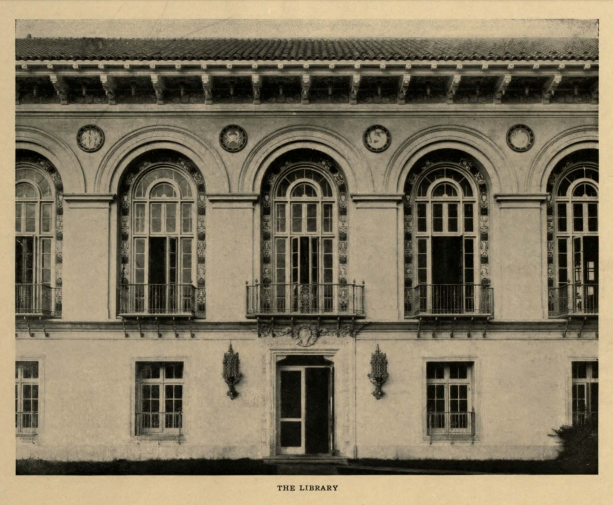
- Loggia and Fresco: The building’s loggia, adorned with Corinthian columns, features a hand-painted fresco by Harold “Bubi” Jessen, a German-born artist known for his work at the University of Texas.
- Ironwork and Woodwork: Fortunat Weigl and his sons crafted the ornate glass and iron doors and balcony railings, while Peter Mansbendel’s woodwork graces the interior.
- Lobby Details: The main lobby boasts oak wainscoting, imitation travertine Corinthian pilasters, a five-paneled plaster ceiling, and original 1933 flooring.
The AHC is recognized as a Recorded Texas Historic Landmark and has been listed on the National Register of Historic Places since 1993 (Wikipedia: Austin History Center).
Historical Significance and Community Engagement
The AHC serves as the city’s collective memory, housing thousands of documents, photographs, maps, artifacts, and oral histories chronicling Austin and Travis County’s evolution (Austin History Center, About Us). The Center supports research, exhibitions, and public programs for all audiences.
Community engagement is central to the AHC’s mission. Through dynamic programming, rotating exhibits, and collaborations with local organizations, the Center highlights Austin’s diverse communities and historical milestones. The David Earl Holt Gallery and the Mayor’s Room, featuring portraits of Austin mayors since 1839, are notable public spaces within the building (Wikipedia: Austin History Center).
Preservation Efforts
Conservation Initiatives
The AHC’s status as a National Register and Texas Historic Landmark ensures legal protections and funding eligibility for preservation. In 2025, the Center received a Heritage Preservation Grant to support capital improvements and expansion, including a new Archival and Research Campus with expanded gallery space, a rooftop garden, and a public plaza (Austin Monitor, Heritage Preservation Grant).
The AHC also educates the public on archival preservation best practices, offering guidance on protecting family documents and photographs (Austin History Center, Preserving Your History).
Challenges and Community Support
Space limitations, infrastructure maintenance, and climate control are ongoing challenges for the AHC. Community advocacy, city funding, and expansion plans are essential to safeguarding Austin’s historical records for future generations.
Visiting the Austin History Center
Visiting Hours and Ticket Information
- Hours: Typically open Tuesday–Saturday, 10 AM–6 PM; Sunday, 1 PM–5 PM; closed Mondays and major holidays. Always confirm current hours on the official website.
- Admission: Free for all visitors. No tickets required; some special events may require registration.
Accessibility and Facilities
- Fully accessible building with wheelchair access, elevators, accessible restrooms, and designated parking.
- Service animals are welcome.
- Staff available to assist visitors with disabilities. For specific accommodations, call 512-974-7480.
Guided Tours and Programs
- Guided tours for groups and schools may be arranged by appointment.
- Public lectures, workshops, and special exhibits are ongoing; check the events page for details.
Parking and Transportation
- Main Parking: The onsite lot is temporarily closed; use the 700 Lavaca parking garage (validation available at the Reference Desk). Metered street parking is also available, free on Sundays (library.austintexas.libanswers.com).
- Accessibility: Vehicles with disabled tags or license plates park for free at meters.
- Public Transit: Served by Capital Metro bus routes; see the CapMetro planner.
- Biking: Bike racks are available nearby.
Nearby Attractions and Photo Tips
The AHC’s central location allows easy access to other Austin landmarks such as the Texas State Capitol, Bullock Texas State History Museum, and the University of Texas campus. The building’s façade and loggia are popular spots for photography. Check with staff regarding interior photo guidelines.
Exhibits and Collections
- Manuscript and Archival Collections: Over 1,200 collections of city records, family papers, and local organizations.
- Photographs: Thousands of images documenting Austin’s people and places since the 19th century.
- Maps and Architectural Drawings: Extensive historic maps and original architectural plans.
- Austin Files (Vertical Files): Ready-reference resources on local topics.
- Digital Collections: Expanding online access to rare materials.
- Special Exhibits: Rotating displays on topics ranging from civil rights to neighborhood histories (Austin History Center Visiting Hours, Tickets, and Guide).
Frequently Asked Questions (FAQ)
Q: What are the Austin History Center’s visiting hours?
A: Typically Tuesday–Saturday, 10 AM–6 PM; Sunday, 1 PM–5 PM; closed Mondays. Confirm current hours on the official website.
Q: Is there an admission fee?
A: No, admission is always free.
Q: Are guided tours available?
A: Yes, by appointment for groups and schools; check for special tours and events online.
Q: Is the Center accessible?
A: Fully accessible, with staff available to assist.
Q: Where can I park?
A: Use the 700 Lavaca garage (with validation) or metered street parking.
Q: Can I take photos?
A: Photography is generally allowed for personal use; flash and tripods are prohibited. Consult staff for restrictions.
Discover More
The Austin History Center stands as a dynamic guardian of Austin’s heritage—combining architectural splendor, extensive collections, and vibrant public programming. With free admission, central location, and resources for all interests, it is a must-visit for locals and tourists alike.
Before your visit, check the official website for current hours, parking updates, and event listings. Enhance your experience by exploring nearby attractions and engaging with the AHC’s digital offerings. For the latest exhibits, programs, and historical insights, follow the Center on social media or subscribe to their newsletter. Download the Audiala app for curated tours and local travel tips.
Embrace Austin’s past—plan your visit to the Austin History Center and become part of the ongoing story of this remarkable city.
Listen to the full story in the app
The whole Austin History Center,
told well.
Audio guides for 1,100+ cities across 96 countries. History, stories, and local insight — offline ready.
Verified, and shown.
Researched and written by the Audiala editorial team from historical records, architectural archives, and local expertise.
Researched from Wikidata, Wikipedia & official sources · fact-checked · How we make our guides →