
Live Music Capital
Over 250 venues keep the city humming every night. Stand on East Sixth at dusk and the sound spills from open doors — everything from honky-tonk two-steps to jazz in a basement club called the Elephant Room.
Austin, United States of America, is known for 1.5 million bats flying from under a downtown bridge each summer night. The guide covers 204 attractions. The best season to visit is Spring (March-May) or Fall (September-November), with an average visit duration of 3-5 days.
The first time you stand on the Congress Avenue Bridge at dusk and watch 1.5 million Mexican free-tailed bats pour out from under your feet, Austin reveals its secret: this isn't the Texas you expected. In a state famous for oil rigs and cowboy hats, America's live music capital smells like breakfast tacos at 2 a.m., echoes with pedal steel guitar, and refuses to pave over its weirdness.
Curated from places in this city. Same price as official sites.
Prices shown are indicative — final pricing and availability are confirmed at checkout. Audiala may receive a commission from bookings made via these links.
AThe first time you stand on the Congress Avenue Bridge at dusk and watch 1.5 million Mexican free-tailed bats pour out from under your feet, Austin reveals its secret: this isn't the Texas you expected. In a state famous for oil rigs and cowboy hats, America's live music capital smells like breakfast tacos at 2 a.m., echoes with pedal steel guitar, and refuses to pave over its weirdness.
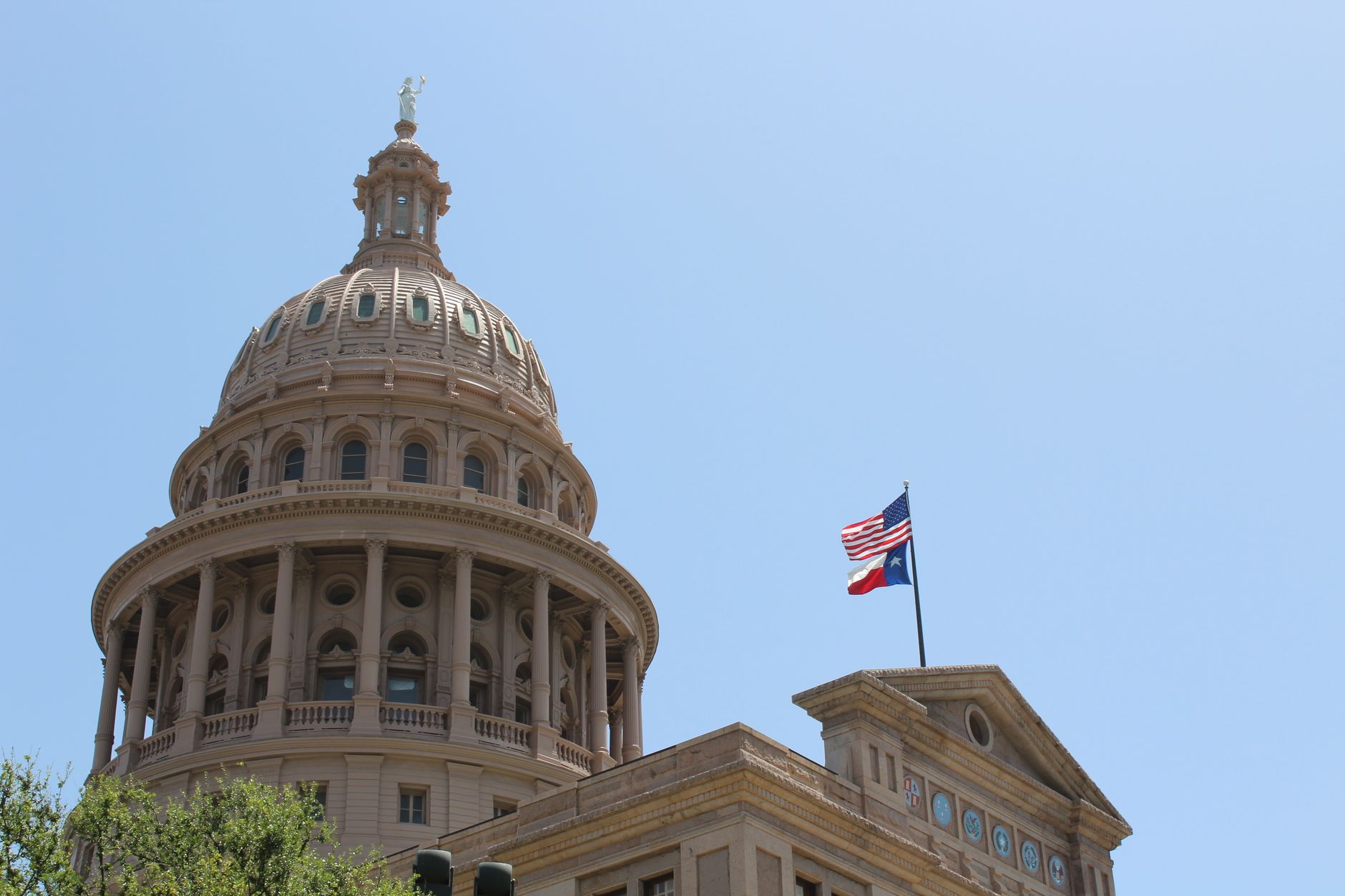
The Texas State Capitol looms at the top of Congress Avenue, its pink granite dome the tallest among all state capitols. Yet the real Austin lives in the moonlight towers that still bathe certain streets in sodium glow, in the 68-degree water of Barton Springs where locals swim year-round, and in the converted bungalows of Rainey Street where the drinks flow until someone starts an impromptu sing-along.
Keep Austin Weird isn't marketing. It's a defensive spell against chains and conformity. The city protects its independent bookstores, its graffiti walls that get painted over only to bloom again, and its habit of wearing flip-flops to places that would demand suits anywhere else. Even the University of Texas tower, once a site of tragedy, now stands as backdrop to both football Saturdays and quiet evenings when the carillon rings across campus.
What makes this place worth slowing down for.
Over 250 venues keep the city humming every night. Stand on East Sixth at dusk and the sound spills from open doors — everything from honky-tonk two-steps to jazz in a basement club called the Elephant Room.
Barton Springs stays 68°F year-round. Locals have been swimming here since the 19th century; the water feels like liquid history, especially when you float on your back and watch the live oaks above.
Each evening from March to November, 1.5 million Mexican free-tailed bats pour from under the Congress Avenue Bridge. The sky turns black with them at twilight. Nothing prepares you for the sound of all those wings.
The dome rises higher than any other state capitol in the country. Walk the 22-acre grounds at golden hour and the pink granite glows. The monuments tell stories most visitors never stop to read.
Not every monument, just the ones we'd walk you past ourselves.

Darrell K Royal–Texas Memorial Stadium, situated in the vibrant city of Austin, Texas, stands as a monumental symbol of Texas pride, collegiate football…

Nestled on the vibrant University of Texas at Austin campus, the Blanton Museum of Art stands as a premier destination for art enthusiasts and cultural…
Situated just east of downtown Austin, the Texas State Cemetery stands as a poignant testament to the rich and multifaceted heritage of Texas.

The University of Texas at Austin (UT Austin) stands as a premier educational and cultural landmark nestled in the vibrant city of Austin, Texas.
Nestled within the expansive Circuit of the Americas (COTA) complex in Austin, Texas, the Germania Insurance Amphitheater has rapidly established itself as…

Nestled just 13 miles southeast of downtown Austin, McKinney Falls State Park stands as a captivating blend of natural splendor, rich history, and…
Nestled in the heart of Austin, Texas, Zilker Park stands as a vibrant testament to the city’s rich history, natural beauty, and cultural vitality.
Where to wander, by quarter — each with its own rhythm.
The two-mile stretch south of the river mixes 19th-century storefronts with modern quirks. Browse cowboy boots at Allens Boots, eat breakfast tacos from a trailer, then catch live music at the Continental Club. The avenue's light hits the Victorian facades just right at golden hour, and the crowds feel like locals showing off their city.
Once the heart of Austin's Black and Latino business district, East Sixth now pulses with breweries, vinyl shops, and venues. The street's historic buildings hide jazz basements like the Elephant Room and artist collectives in former warehouses. Come for the music, stay for the smoke drifting from the taquerias at midnight.
The ceremonial spine runs from Lady Bird Lake to the Capitol grounds. Look up at the Scarbrough Building from 1910, Austin's first skyscraper, or the Gothic lines of the Norwood Tower. The moonlight towers still stand sentinel here, their metal skeletons reminding you this city once lit its streets with the largest such system in the world.
Historic bungalows from the 1920s now serve as bars with porches perfect for lingering. The district sits steps from the water, where the light off Lady Bird Lake softens the edges of the night. It's where Austin's casual soul meets its nightlife without pretense.
This 350-acre park holds Barton Springs Pool, whose natural 68°F water draws swimmers even in January. Nearby trails connect to the Greenbelt's limestone cliffs and swimming holes. The Umlauf Sculpture Garden sits quietly at the edge, where bronze figures watch the hills roll toward the west.
The city's creative and Latino heart beats in converted warehouses and murals that change monthly. Canopy hosts open studios where you can meet the artists. The Emma S. Barrientos Mexican American Cultural Center offers exhibitions that connect deeply with the neighborhood's heritage.
The 307-foot UT Tower anchors a district of museums and libraries. The Blanton holds Ellsworth Kelly's standalone chapel-like building called "Austin." The Harry Ransom Center displays the world's first photograph nearby. Students and visitors share the South Mall's live oaks without much hierarchy.
The Contemporary Austin's lakeside campus occupies a historic villa with trails and outdoor sculptures framed by cypress trees. Peacocks roam Mayfield Park's lily ponds a short drive away. The light here feels softer, the pace slower, and the Hill Country begins to whisper.
From frontier gamble to stubborn capital to live music outlaw
Hunter-gatherers left stone tools in the shelters above Barton Springs. The land already felt old. Water bubbled clear and constant from the Edwards Aquifer, drawing people for thousands of years before any map bothered to record them.
Three makeshift missions appeared near the Colorado River in July. The friars lasted less than a year before moving on. Their brief stay left little trace except the name they gave the springs: San Francisco de los Dolores.
A handful of cabins on the bluff above the river were renamed after Stephen F. Austin. The Republic of Texas needed a capital far from the coast and Mexican threats. Surveyor Edwin Waller laid out the grid on paper before most lots had been sold.
President Sam Houston ordered the government records moved to Houston after Mexican troops threatened San Antonio. Austin residents surrounded the wagons at gunpoint on a December night and refused to let the archives leave. The standoff ended with the papers staying put.
The lone star came down. Austin remained capital of the new state by a narrow vote. The decision cemented its awkward position on the edge of settlement, half exposed to Comanche raids and fully committed to staying.
The Greek Revival house on the hill opened its doors. Built for $17,000 with slave labor, it would witness secession, reconstruction, and every political deal made in the parlor for the next 150 years.
Austin's German settlers and Unionists lost the statewide vote. Travis County went against secession 704 to 450. Once Texas joined the Confederacy anyway, the city sent its men to war and tried to pretend normal life continued.
The red granite dome, taller than the U.S. Capitol by seven feet, was dedicated. Built with convict labor and paid for with three million acres of public land, it announced that Texas intended to stay in Austin forever.
On April 7 the dam across the Colorado gave way without warning. Floodwaters tore through the city at night, killing at least 40 people. The lights went out. Austin learned the river could take back what it had given.
A new master plan officially designated East Austin for Mexican and Black residents. The document that shaped the city's geography for the next century was presented as progressive planning. It was segregation by another name.
The University of Texas completed its 307-foot limestone beacon. For decades it would be the tallest structure between New Orleans and Denver. Students still set the clock to 3:57 after football wins.
On August 1, Charles Whitman killed 16 people and wounded 31 in 96 minutes. The shooting changed campus security forever and left a scar on the city's self-image. The Tower observation deck stayed closed for decades afterward.
The Red Headed Stranger moved to Austin, grew his hair out, and started playing the Armadillo World Headquarters. Country music discovered it could wear jeans instead of sequins. The Outlaw movement was born on those stages.
The PBS show taped its first episode with Willie Nelson. The tiny studio on the UT campus became the most famous music room in America. For the first time the rest of the country could see what Austin already knew: something different was happening here.
A few hundred people showed up for the first music and film festival. By combining film, music, and eventually technology, SXSW turned the city's weirdness into an industry. The slogan 'Keep Austin Weird' became both marketing and battle cry.
The 23-year-old dropped out of UT and turned his dorm-room computer business into a global force. Dell's success helped transform Austin from a sleepy college town into a serious technology center. The city gained ambition and lost some of its cheap rent.
The old Mueller Airport closed. Austin-Bergstrom International opened on the site of a former Air Force base. The new terminal featured live music seven days a week. Even the airport refused to be ordinary.
Over three weeks in March, a serial bomber killed two people and injured several more with explosive packages left across the city. The attacks shattered Austin's sense of itself as a place apart from the world's violence. The bomber was identified and killed on March 21.
The Nobel laureate who perfected the lithium-ion battery died in Austin at 100. He had taught at UT since 1986, still working in his lab into his nineties. The batteries that power the modern world were improved in a nondescript building on the east side of campus.
The Frank Erwin Center, known to generations as 'The Drum,' was demolished. In its place rose a sleek new arena on the UT campus. Some mourned the loss of the old concrete beast where they had seen everyone from Dylan to Beyoncé.
The people who shaped the city — and were shaped by it.
He arrived at UT Austin in his sixties and kept a office on campus until weeks before his death at 100. Students still describe the same quiet hallway where he sketched cathode materials that now power every phone in your pocket. The city he chose feels unchanged by fame; he probably would have preferred it that way.
Clark grew up hearing Sixth Street through open windows and now plays the Continental Club like it’s still 2005. When he steps outside after a set the same live oaks and food trucks wait. Austin let him become famous without ever asking him to leave.
She arrived with a guitar and an instinct for rooms that still smell like last night’s beer. The city’s casual cruelty to the inauthentic sharpened her; you hear it in the space she leaves between notes. Locals claim her the way they claim the best taco truck—quietly, possessively.
Where locals actually book dinner — not the tourist menus.
Small things that change how the city treats you.
Come between mid-September and late October or early April to late May. Highs average 62–85°F instead of July’s 97°F, crowds thin at Barton Springs, and bat flights remain reliable.
Use any contactless card or phone on CapMetro. Local fares automatically cap at $2.50 per day; one ride from AUS on Route 20 costs $1.25 and counts toward the cap.
The bars get rowdy after 10 p.m. on weekends. APD warns of elevated pickpocketing risk between midnight and 3 a.m. Stick to daylight or early evening if you dislike crowds.
Even counter-service taco trucks expect $1–2 minimum or 15–20 %. Locals treat it as standard; skipping it marks you as an outsider.
The 45-minute drive to the grotto and waterfall requires reservations that open 30 days ahead. They sell out within hours on summer weekends.
The spring-fed pool holds steady at 68 °F. Bring water shoes; the bottom is uneven limestone and the water clarity reveals every pebble.
The city, as it actually looks.

Thousands of bats emerge from beneath the Congress Avenue Bridge in Austin, United States of America, creating a dramatic silhouette against the sky.
Jason Jacobs from Honolulu, USA

A stunning aerial perspective of the Austin skyline, showcasing the city's modern architecture alongside the winding Colorado River.
Quintin Soloviev

A view of Austin, United States of America.
Planet Labs, Inc.

The modern skyline of Austin, Texas, reflects beautifully over the tranquil waters of Lady Bird Lake, framed by the historic railway bridge.
Maria Von Losch on Pexels

A scenic multi-use path in Austin, United States of America, designed for both pedestrians and cyclists with clear directional markings.
Fastmole

A stunning aerial view of the Austin, United States of America skyline, showcasing the city's modern architecture along the Colorado River.
Quintin Soloviev

A diverse group of film enthusiasts gathers inside a nostalgic video rental store in Austin, United States of America.
Unknown authorUnknown author

A stunning aerial perspective of the Austin, United States of America skyline, showcasing the city's modern architecture along the banks of the Colorado River.
Quintin Soloviev

A bright, sunny day along a concrete trail in Austin, Texas, where a cyclist rides past a tree-lined park and a busy road.
Fastmole

The vibrant Austin skyline glows at twilight, with the city's iconic skyscrapers reflecting beautifully across the tranquil waters of Lady Bird Lake.
LoneStarMike

A sunny day along a paved trail in Austin, United States of America, with modern city skyscrapers visible in the distance.
Fastmole

A vibrant street scene in downtown Austin, Texas, captures the city's urban energy with a fire truck passing through an intersection filled with pedestrians.
Yes, if you like live music, outdoor swimming holes, and breakfast tacos at 2 a.m. The city’s casual weirdness is real, not marketing copy. Three days is enough to feel the rhythm; five lets you slow down and join it.
Three full days covers the Capitol, Lady Bird Lake trail, bat emergence, and a couple of barbecue lines. Add two more if you want Hamilton Pool, the Greenbelt, and unhurried evenings on South Congress. Most visitors leave wishing they had stayed longer.
CapMetro Route 20 leaves every 15–30 minutes and reaches downtown in about 35 minutes for $1.25. Rideshares pick up on the upper-level departures curb. Late-night arrivals after midnight use Route 483 Night Owl.
Downtown sees opportunistic pickpocketing after dark, especially on Sixth Street weekends. Parked cars at trailheads get broken into. Use normal city sense, lock valuables, and avoid leaving bags visible. 311 handles non-emergencies.
Mexican free-tailed bats emerge from Congress Avenue Bridge at dusk from March through November. Numbers peak in August and September when mothers and pups fly together. Arrive 30 minutes early; the spectacle lasts about 20 minutes.
Not necessary for downtown, South Congress, and the lake trail. CapMetro, bikes, and rideshares work fine. Rent one only if you plan to reach Hamilton Pool Preserve or the Hill Country wineries.
Ready to book?
Curated from places in this city. Same price as official sites.
Prices shown are indicative — final pricing and availability are confirmed at checkout. Audiala may receive a commission from bookings made via these links.
Austin-Bergstrom International Airport (AUS) sits 8 miles southeast of downtown. CapMetro Route 20 runs every 15 minutes, takes about 35 minutes, and costs $1.25. Rideshares pick up on the upper level of the departures curb.
CapMetro operates the bus and commuter rail network with high-frequency routes every 15–30 minutes. The Ann and Roy Butler Trail circles Lady Bird Lake for 10 miles of car-free cycling. As of 2026, tap-to-pay caps daily local fares at $2.50.
Summers hit 96°F with high humidity. Winters average highs of 63°F and lows around 42°F. Spring (March–May) and fall (mid-September–late October) offer the best balance of mild temperatures and lower crowds.
Downtown pickpocketing spikes between 10 p.m. and 3 a.m. on weekends, especially near Sixth Street. Vehicle break-ins are common at trailheads and parks. Use the APD CrimeViewer map before choosing where to park.
204 places, one continuous walking route. Free with your first city.
204 places to discover


Showing 48 of 204 — search any place to jump straight there.