Place
United States of America Updated Apr 2026
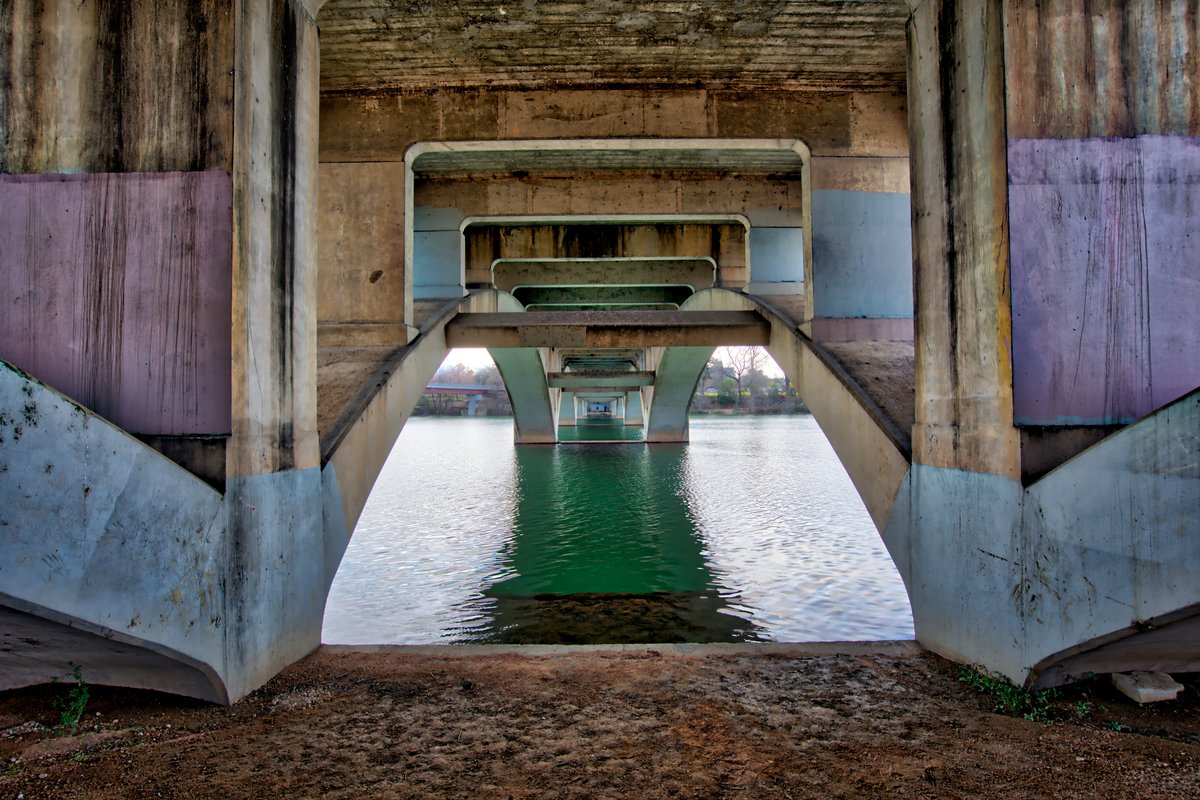
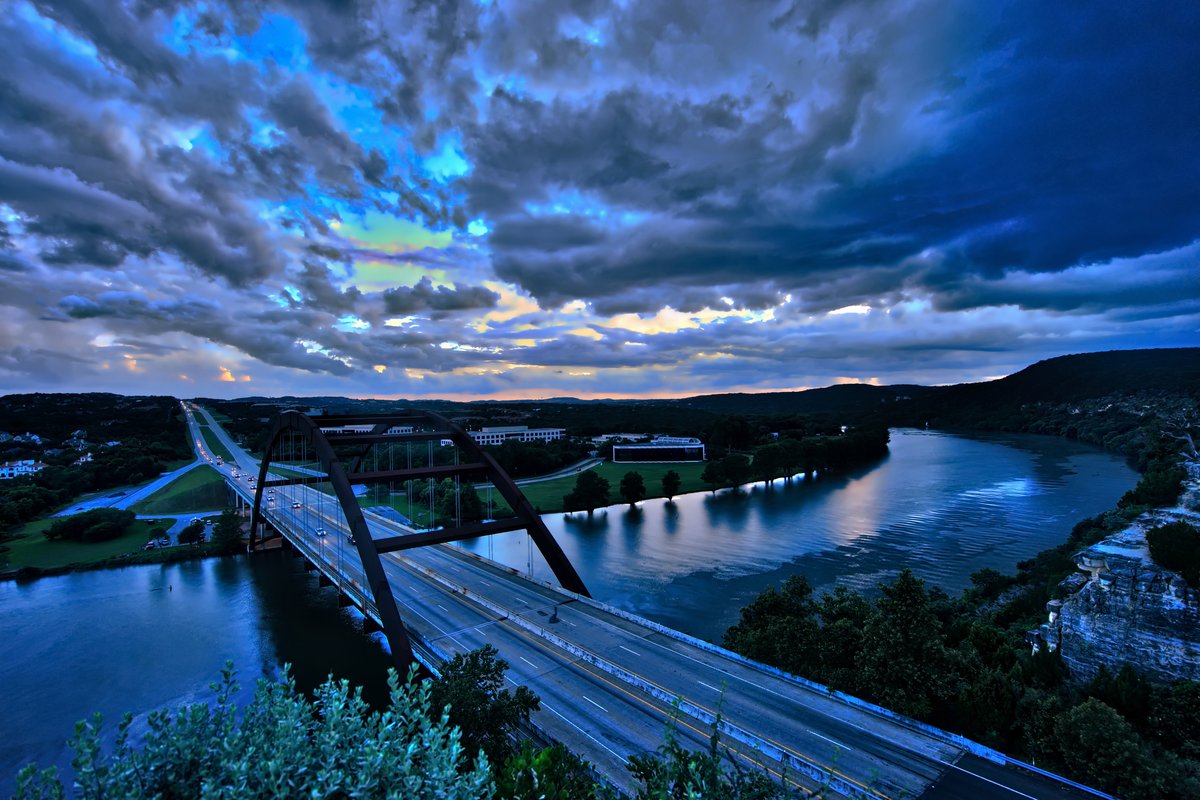
The first time you stand on the Congress Avenue Bridge at dusk and watch 1.5 million Mexican free-tailed bats pour out from under your feet, Austin reveals its secret: this isn't the Texas you expected. In a state famous for oil rigs and cowboy hats, America's live music capital smells like breakfast tacos at 2 a.m., echoes with pedal steel guitar, and refuses to pave over its weirdness.
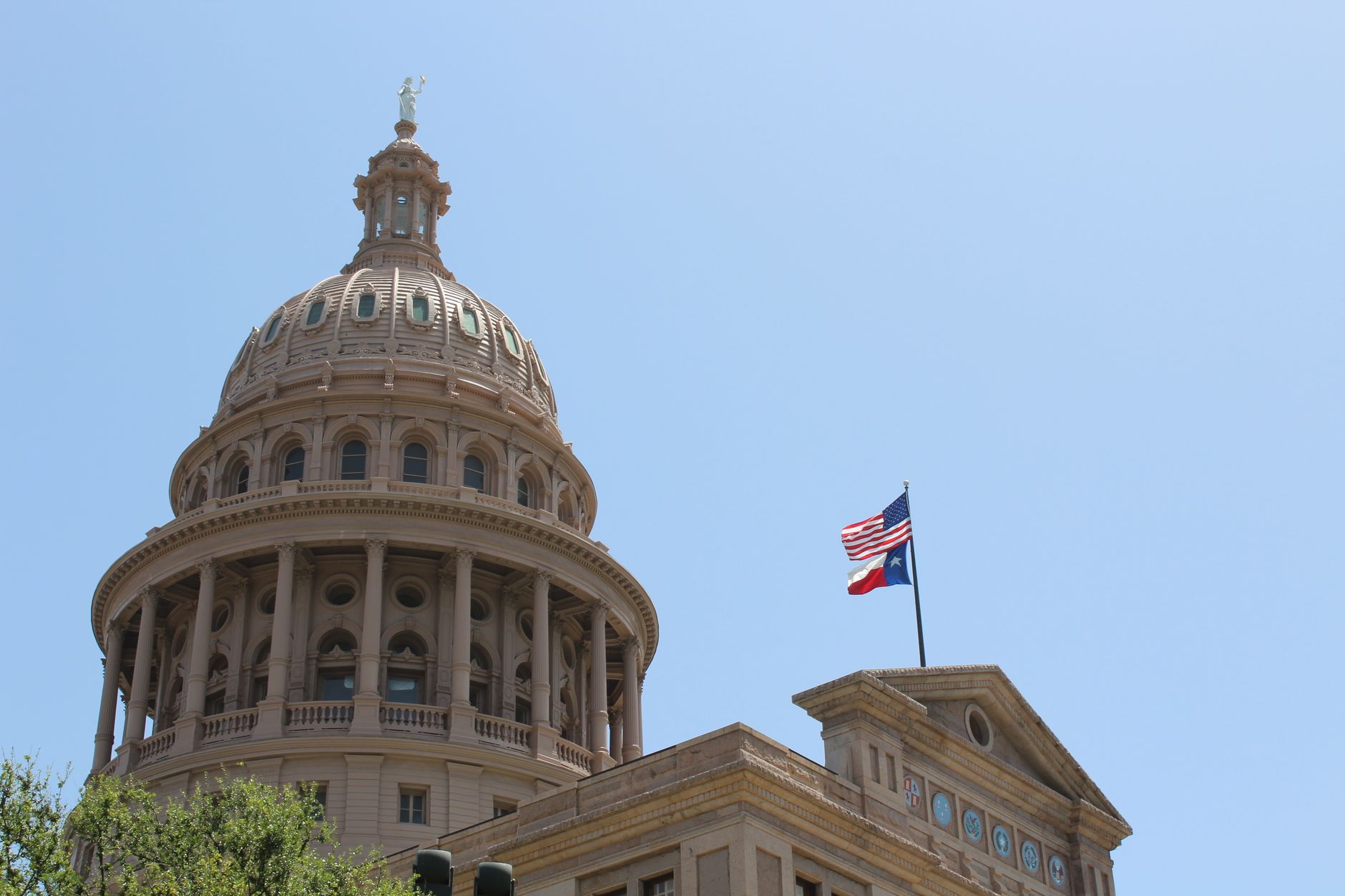 Photo: Ruben Reyes / Pexels
Built from cited sources · see the method · How we make our guides →
The Texas State Capitol looms at the top of Congress Avenue, its pink granite dome the tallest among all state capitols. Yet the real Austin lives in the moonlight towers that still bathe certain streets in sodium glow, in the 68-degree water of Barton Springs where locals swim year-round, and in the converted bungalows of Rainey Street where the drinks flow until someone starts an impromptu sing-along.
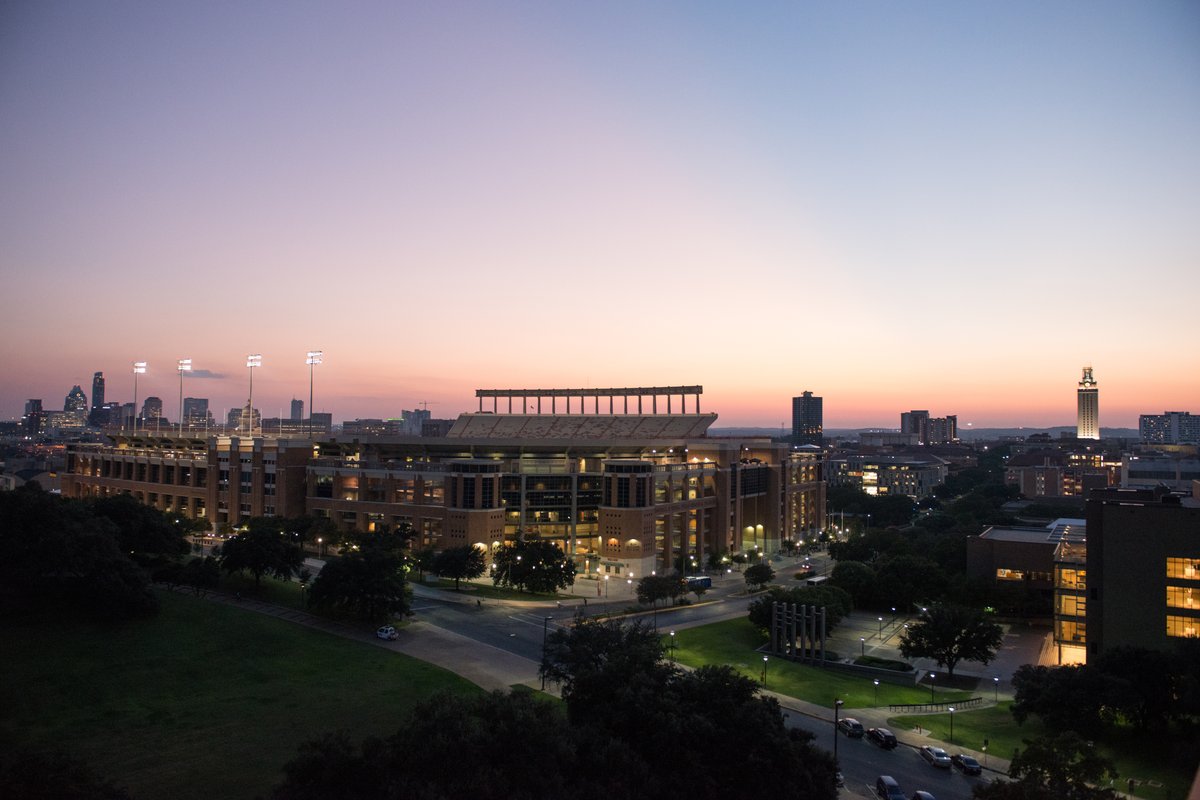
Keep Austin Weird isn't marketing. It's a defensive spell against chains and conformity. The city protects its independent bookstores, its graffiti walls that get painted over only to bloom again, and its habit of wearing flip-flops to places that would demand suits anywhere else. Even the University of Texas tower, once a site of tragedy, now stands as backdrop to both football Saturdays and quiet evenings when the carillon rings across campus.
What changes you is the way Austin slows everyone down. Conversations stretch. Lines for barbecue form at dawn but feel like community. And somewhere between a honky-tonk on Sixth Street and a sculpture garden by the lake, you realize the city doesn't perform Texas. It performs itself, unapologetically.
Not every monument, just the ones we'd walk you past ourselves.
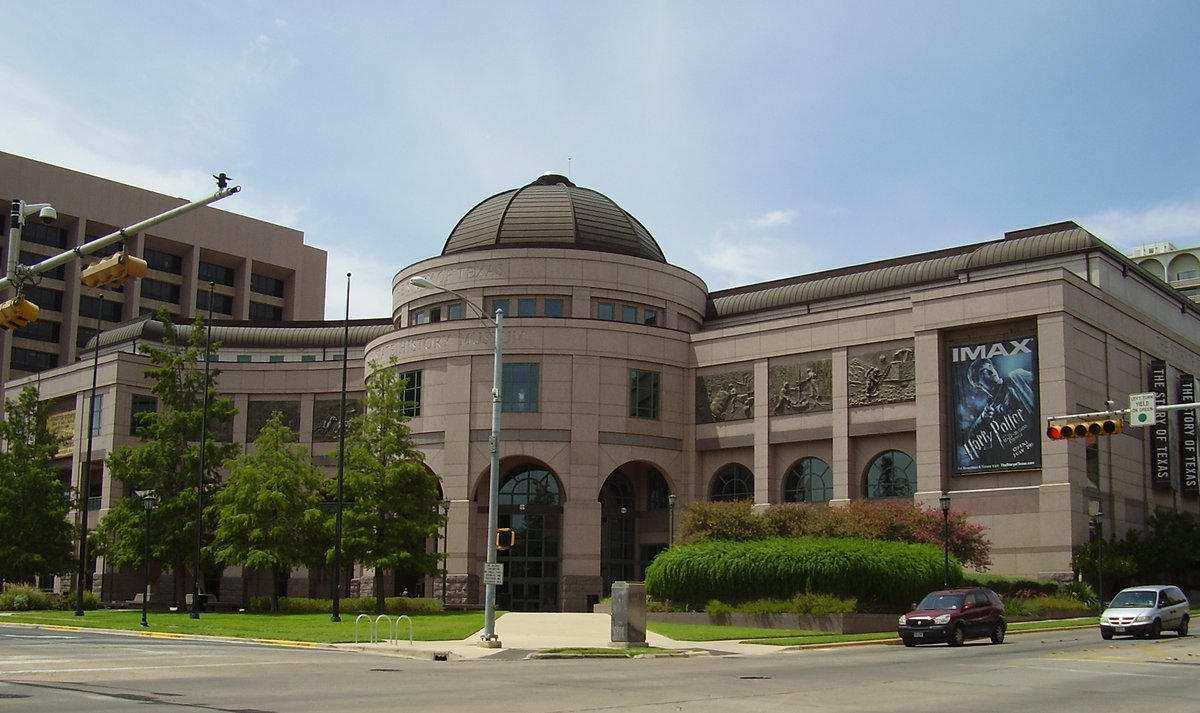
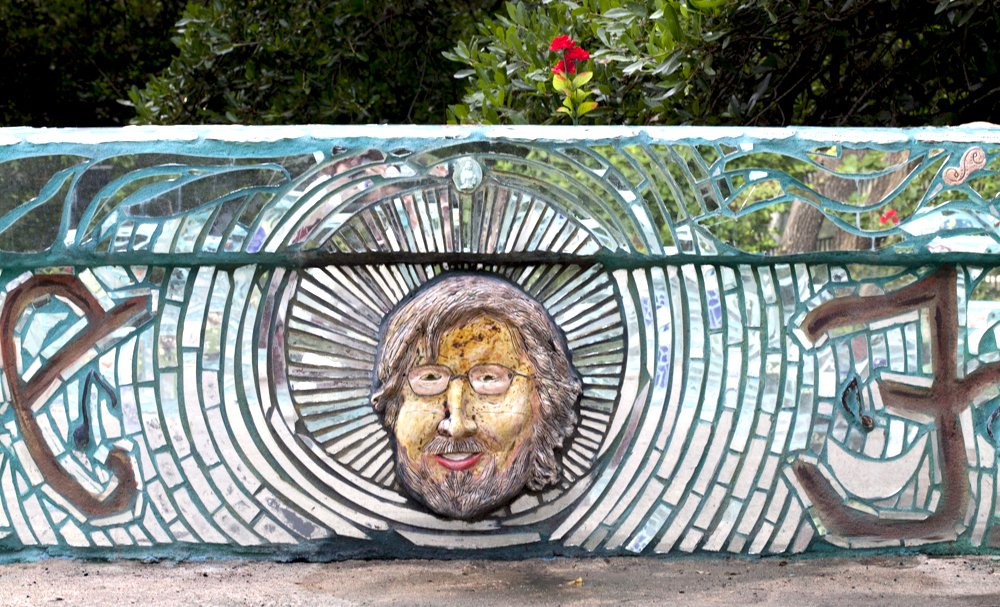
Where to wander, by quarter — each with its own rhythm.
Before you go
Curated from places in this city. Same price as official sites.


Prices shown are indicative — final pricing and availability are confirmed at checkout. Audiala may receive a commission from bookings made via these links.
From frontier gamble to stubborn capital to live music outlaw
Hunter-gatherers left stone tools in the shelters above Barton Springs. The land already felt old. Water bubbled clear and constant from the Edwards Aquifer, drawing people for thousands of years before any map bothered to record them.
Three makeshift missions appeared near the Colorado River in July. The friars lasted less than a year before moving on. Their brief stay left little trace except the name they gave the springs: San Francisco de los Dolores.
A handful of cabins on the bluff above the river were renamed after Stephen F. Austin. The Republic of Texas needed a capital far from the coast and Mexican threats. Surveyor Edwin Waller laid out the grid on paper before most lots had been sold.
President Sam Houston ordered the government records moved to Houston after Mexican troops threatened San Antonio. Austin residents surrounded the wagons at gunpoint on a December night and refused to let the archives leave. The standoff ended with the papers staying put.
The lone star came down. Austin remained capital of the new state by a narrow vote. The decision cemented its awkward position on the edge of settlement, half exposed to Comanche raids and fully committed to staying.
The Greek Revival house on the hill opened its doors. Built for $17,000 with slave labor, it would witness secession, reconstruction, and every political deal made in the parlor for the next 150 years.
Austin's German settlers and Unionists lost the statewide vote. Travis County went against secession 704 to 450. Once Texas joined the Confederacy anyway, the city sent its men to war and tried to pretend normal life continued.
The red granite dome, taller than the U.S. Capitol by seven feet, was dedicated. Built with convict labor and paid for with three million acres of public land, it announced that Texas intended to stay in Austin forever.
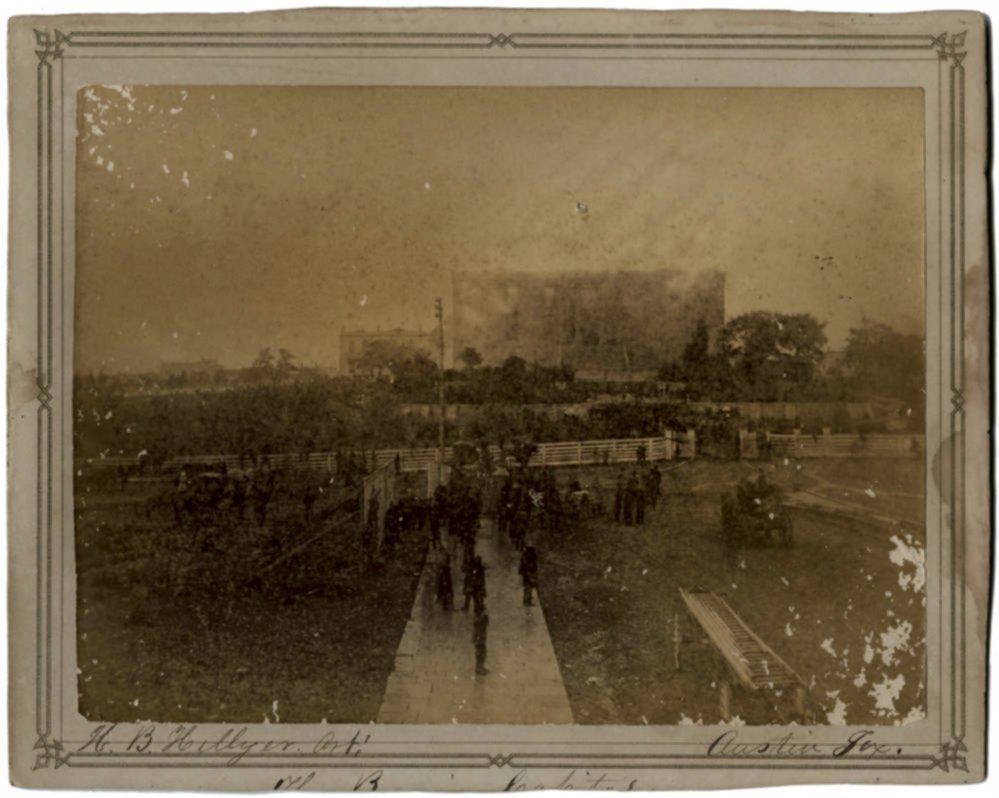
On April 7 the dam across the Colorado gave way without warning. Floodwaters tore through the city at night, killing at least 40 people. The lights went out. Austin learned the river could take back what it had given.
A new master plan officially designated East Austin for Mexican and Black residents. The document that shaped the city's geography for the next century was presented as progressive planning. It was segregation by another name.
The University of Texas completed its 307-foot limestone beacon. For decades it would be the tallest structure between New Orleans and Denver. Students still set the clock to 3:57 after football wins.
On August 1, Charles Whitman killed 16 people and wounded 31 in 96 minutes. The shooting changed campus security forever and left a scar on the city's self-image. The Tower observation deck stayed closed for decades afterward.
The Red Headed Stranger moved to Austin, grew his hair out, and started playing the Armadillo World Headquarters. Country music discovered it could wear jeans instead of sequins. The Outlaw movement was born on those stages.
The PBS show taped its first episode with Willie Nelson. The tiny studio on the UT campus became the most famous music room in America. For the first time the rest of the country could see what Austin already knew: something different was happening here.
A few hundred people showed up for the first music and film festival. By combining film, music, and eventually technology, SXSW turned the city's weirdness into an industry. The slogan 'Keep Austin Weird' became both marketing and battle cry.
The 23-year-old dropped out of UT and turned his dorm-room computer business into a global force. Dell's success helped transform Austin from a sleepy college town into a serious technology center. The city gained ambition and lost some of its cheap rent.
The old Mueller Airport closed. Austin-Bergstrom International opened on the site of a former Air Force base. The new terminal featured live music seven days a week. Even the airport refused to be ordinary.
Over three weeks in March, a serial bomber killed two people and injured several more with explosive packages left across the city. The attacks shattered Austin's sense of itself as a place apart from the world's violence. The bomber was identified and killed on March 21.
The Nobel laureate who perfected the lithium-ion battery died in Austin at 100. He had taught at UT since 1986, still working in his lab into his nineties. The batteries that power the modern world were improved in a nondescript building on the east side of campus.
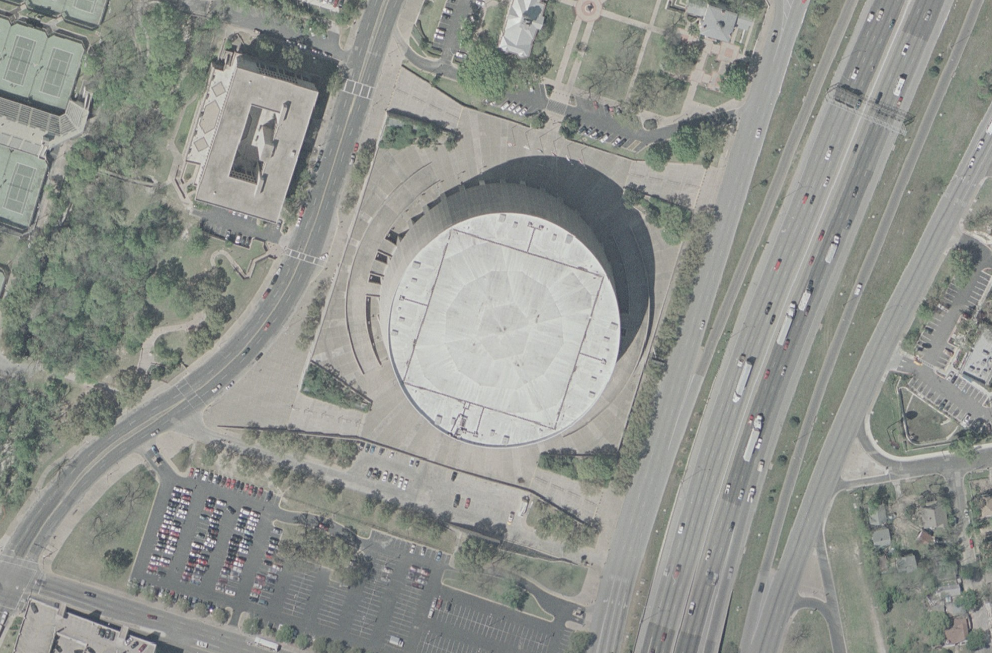
The Frank Erwin Center, known to generations as 'The Drum,' was demolished. In its place rose a sleek new arena on the UT campus. Some mourned the loss of the old concrete beast where they had seen everyone from Dylan to Beyoncé.
Materials scientist · 1922–2023
Lived and worked here 1986–2023
He arrived at UT Austin in his sixties and kept a office on campus until weeks before his death at 100. Students still describe the same quiet hallway where he sketched cathode materials that now power every phone in your pocket. The city he chose feels unchanged by fame; he probably would have preferred it that way.
Blues guitarist · born 1984
Raised and based here
Clark grew up hearing Sixth Street through open windows and now plays the Continental Club like it’s still 2005. When he steps outside after a set the same live oaks and food trucks wait. Austin let him become famous without ever asking him to leave.
Singer-songwriter and guitarist · born 1988
Based in Austin since early career
She arrived with a guitar and an instinct for rooms that still smell like last night’s beer. The city’s casual cruelty to the inauthentic sharpened her; you hear it in the space she leaves between notes. Locals claim her the way they claim the best taco truck—quietly, possessively.
Where locals actually book dinner — not the tourist menus.
Small things that change how the city treats you.
The city, as it actually looks.


Yes, if you like live music, outdoor swimming holes, and breakfast tacos at 2 a.m. The city’s casual weirdness is real, not marketing copy. Three days is enough to feel the rhythm; five lets you slow down and join it.
Three full days covers the Capitol, Lady Bird Lake trail, bat emergence, and a couple of barbecue lines. Add two more if you want Hamilton Pool, the Greenbelt, and unhurried evenings on South Congress. Most visitors leave wishing they had stayed longer.
CapMetro Route 20 leaves every 15–30 minutes and reaches downtown in about 35 minutes for $1.25. Rideshares pick up on the upper-level departures curb. Late-night arrivals after midnight use Route 483 Night Owl.
Downtown sees opportunistic pickpocketing after dark, especially on Sixth Street weekends. Parked cars at trailheads get broken into. Use normal city sense, lock valuables, and avoid leaving bags visible. 311 handles non-emergencies.
Mexican free-tailed bats emerge from Congress Avenue Bridge at dusk from March through November. Numbers peak in August and September when mothers and pups fly together. Arrive 30 minutes early; the spectacle lasts about 20 minutes.
Not necessary for downtown, South Congress, and the lake trail. CapMetro, bikes, and rideshares work fine. Rent one only if you plan to reach Hamilton Pool Preserve or the Hill Country wineries.
204 places to discover
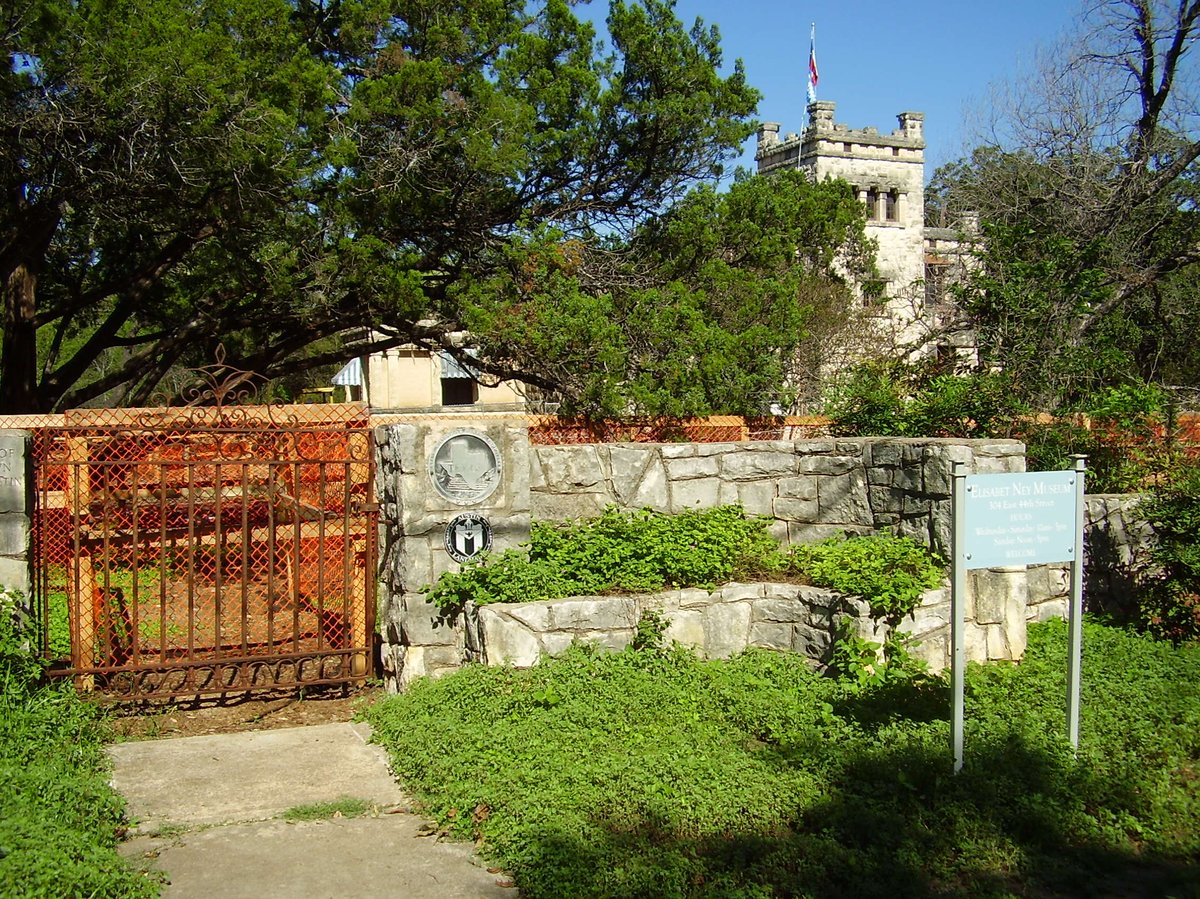





Showing 1–48 of 204 places
Saved and recently read places — kept on this device only.
Photos may have been resized or cropped.