History & Origins
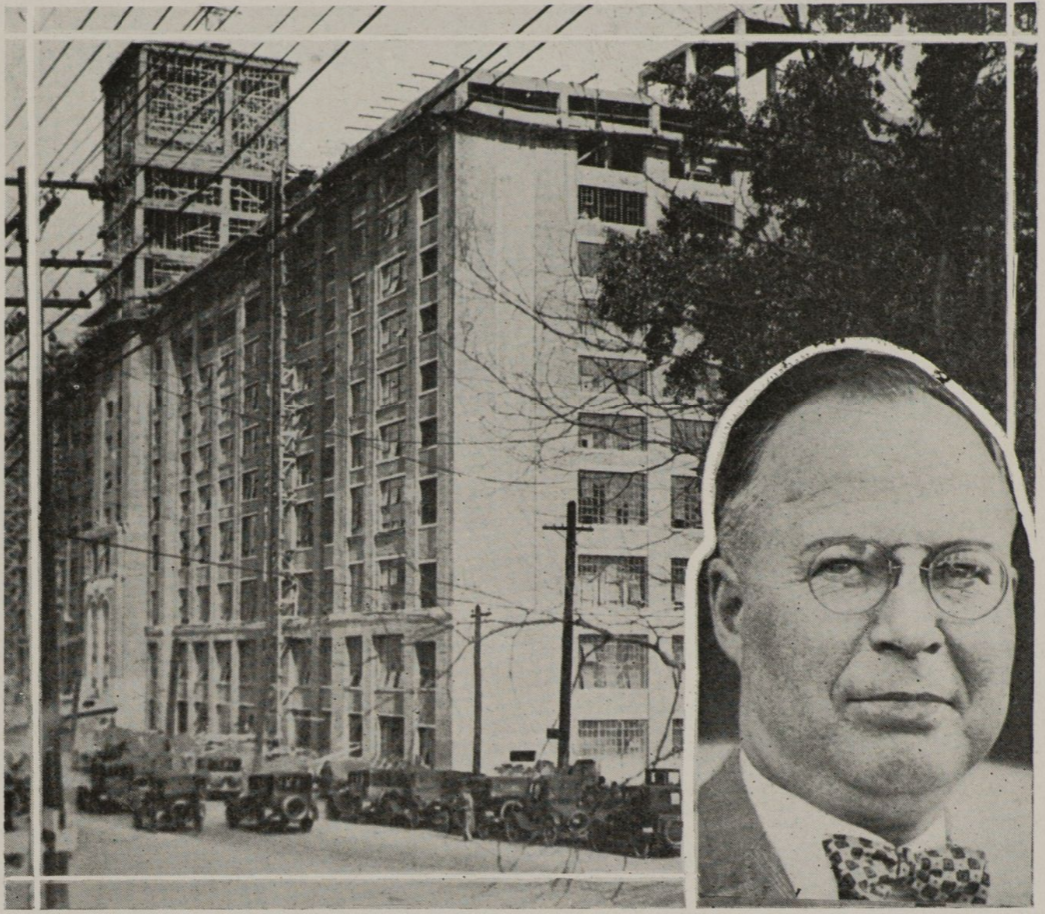
Commissioned by developer Thomas G. Healey and named for his grandsons, William and Oliver, the William-Oliver Building quickly became a centerpiece of Atlanta’s commercial and social life. Its completion in 1930 marked the city’s embrace of the Art Deco movement, reflecting the optimism and progress of the era (Wikipedia; Easements Atlanta).
As Atlanta’s first true Art Deco skyscraper, it represented a shift away from Beaux Arts traditions, setting a precedent for future urban development (City-Data).
Architectural Design & Features
Lead Architect & Design
The building was designed by Francis Palmer Smith (Pringle and Smith), who played a pivotal role in shaping Atlanta’s urban landscape (Buildings DB; Historical Concepts). Smith’s vision brought striking Art Deco flourishes and modern engineering to the city skyline.
Art Deco Details
- Façade Zigzag friezes, stylized floral motifs, chevrons, and syncopated patterns.
- Materials Bronze doors with intricate filigree, decorative terracotta panels, and preserved brass elevator doors in the lobby.
- Structure Steel frame and concrete slabs allowed for innovative, flexible interior layouts (City-Data).
Restoration & Adaptive Reuse
Over the years, the William-Oliver Building has been meticulously restored, with major renovations in 1978, 1996, and the early 2000s converting it from offices to residential condominiums (Buildings DB; Atlanta Business Chronicle). Preservation efforts have focused on maintaining its historic façade, lobby details, and original windows, while upgrading safety and comfort to modern standards (GSU Urban Resurrection).
Today, the building houses 115 condominium units, ground-floor retail, and offers amenities like a fitness center, rooftop terrace, and a community lounge. Its adaptive reuse is recognized as a model for sustainable development and urban revitalization (Perkins&Will).
Visitor Information
Visiting Hours
- Public Areas Lobby and retail spaces are open Monday–Friday, 8:00 AM–6:00 PM; some retail spaces may have Saturday hours (William-Oliver Condominiums).
- Upper Floors Access restricted to residents and authorized guests.
Tickets & Entry
- Admission No fee or ticket required for public areas.
- Tours No regular tours, but special events like the Atlanta Preservation Center’s “Phoenix Flies” occasionally offer guided access (Atlanta Preservation Center).
Accessibility
- Fully ADA-compliant entrances, elevators, and restrooms.
- Accessible via MARTA, with Peachtree Center and Five Points stations nearby (MARTA).
- Area is pedestrian- and bicycle-friendly, with nearby bike share stations (Relay Bike Share).
Parking
- No on-site public parking.
- Nearby garages: 100 Peachtree Parking Garage, 55 Marietta Street Garage, and metered street parking (Parkopedia Atlanta).
Safety
- Downtown Atlanta has a visible police and private security presence.
- The William-Oliver Building maintains secure entry and 24-hour security for residents (Atlanta Police Department).
Photography
- Permitted in public areas (lobby, exterior).
- Professional photography/filming requires advance permission.
Travel Tips & Nearby Attractions
Located in the heart of the Fairlie-Poplar Historic District, the William-Oliver Building is the perfect launch point for exploring Atlanta’s cultural and historical sites:
- Centennial Olympic Park Famous for the Fountain of Rings and frequent events (Travellers Worldwide).
- Georgia Aquarium One of the world’s largest aquariums.
- World of Coca-Cola Interactive exhibits and tastings.
- Center for Civil and Human Rights Powerful historical exhibits (Access Atlanta).
- Woodruff Park Across the street, with green space and community events.
- Dining Options such as Sweet Auburn BBQ and Ray’s in the City.
- Peachtree Center Shopping and additional restaurants.
- Underground Atlanta Historic shopping and nightlife district.
- Rialto Center & Tabernacle Live music and performance venues.
Practical Tips:
- Use MARTA for easy access to and from the building.
- Wear comfortable shoes for walking downtown.
- Plan your visit during business hours for lobby access.
- Monitor the Atlanta Preservation Center and building website for special event dates.
FAQs
Q: What are the visiting hours?
A: Lobby and retail spaces are open Monday–Friday, 8:00 AM–6:00 PM. Some retail spaces may have Saturday hours.
Q: Is there an entrance fee?
A: No, public areas are free to access.
Q: Are tours available?
A: Special guided tours are offered during select events, such as the “Phoenix Flies” tour series.
Q: Is the building accessible for visitors with disabilities?
A: Yes, the building and surrounding sidewalks are ADA-compliant.
Q: Where can I park?
A: Public parking is available at nearby garages and on the street.
Q: Can I take photographs?
A: Yes, in public spaces; professional shoots require advance permission.
Summary & Final Tips
The William-Oliver Building is a standout example of Atlanta’s Jazz Age architecture and a model for adaptive reuse and urban revitalization. While public access is primarily limited to the lobby and retail spaces, the building remains a vibrant part of downtown’s cultural landscape. Its strategic location, accessibility, and proximity to key attractions make it a rewarding stop for any visitor interested in architecture, history, or Atlanta’s ongoing story of reinvention (Buildings DB; Atlanta Business Chronicle).
For the latest updates, special events, and guided tours, check the official website, Atlanta Preservation Center, and consider downloading the Audiala App for interactive tours and event notifications.