

Early Origins and Architectural Evolution
The Rialto’s story began in April 1916 when it opened as the Piedmont Theater at 84 Forsyth Street, in the heart of Atlanta’s Fairlie-Poplar Historic District (Atlanta Downtown). Designed by architect A. Ten Eyck Brown, it was the largest movie house in the Southeast at the time, with 925 seats (Cinema Treasures). The name “Rialto,” meaning “exchange” or “marketplace,” reflected its intended role as a vibrant gathering place.
Built at a transitional moment in American theater, the Rialto was uniquely designed to accommodate both film screenings and live vaudeville performances, making it a versatile entertainment destination.
The Golden Age: 1916–1962
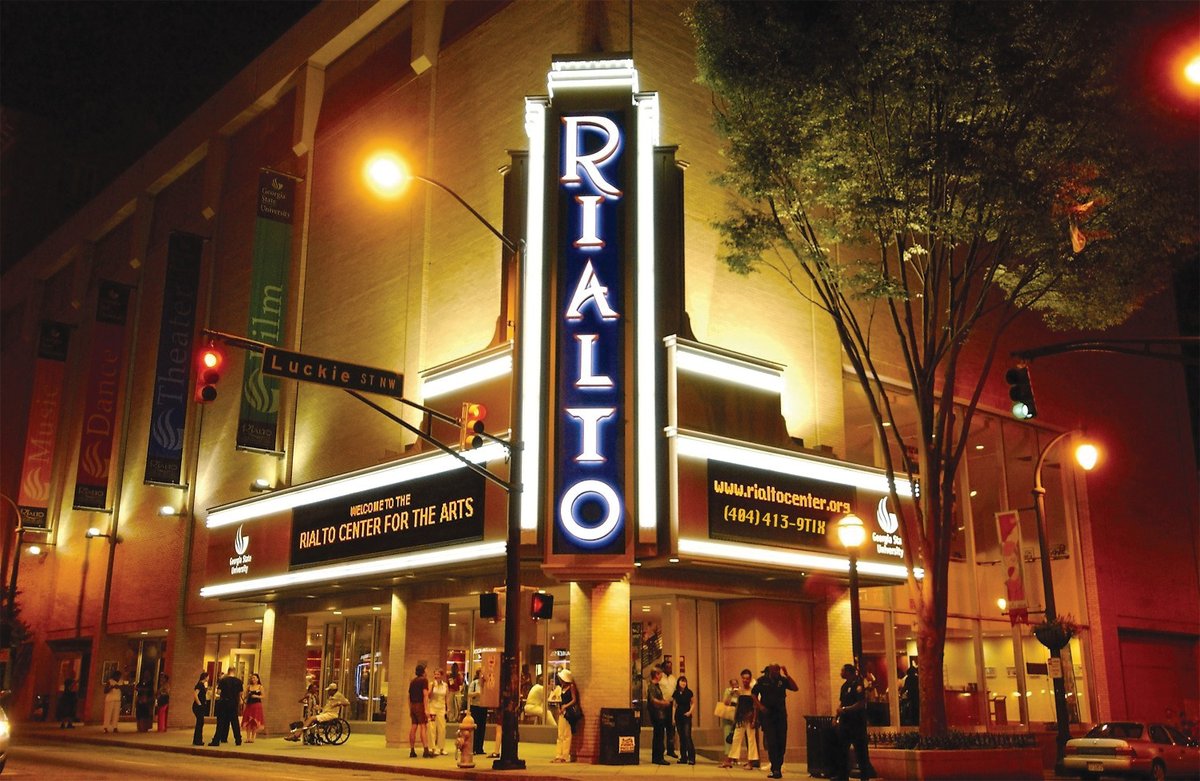
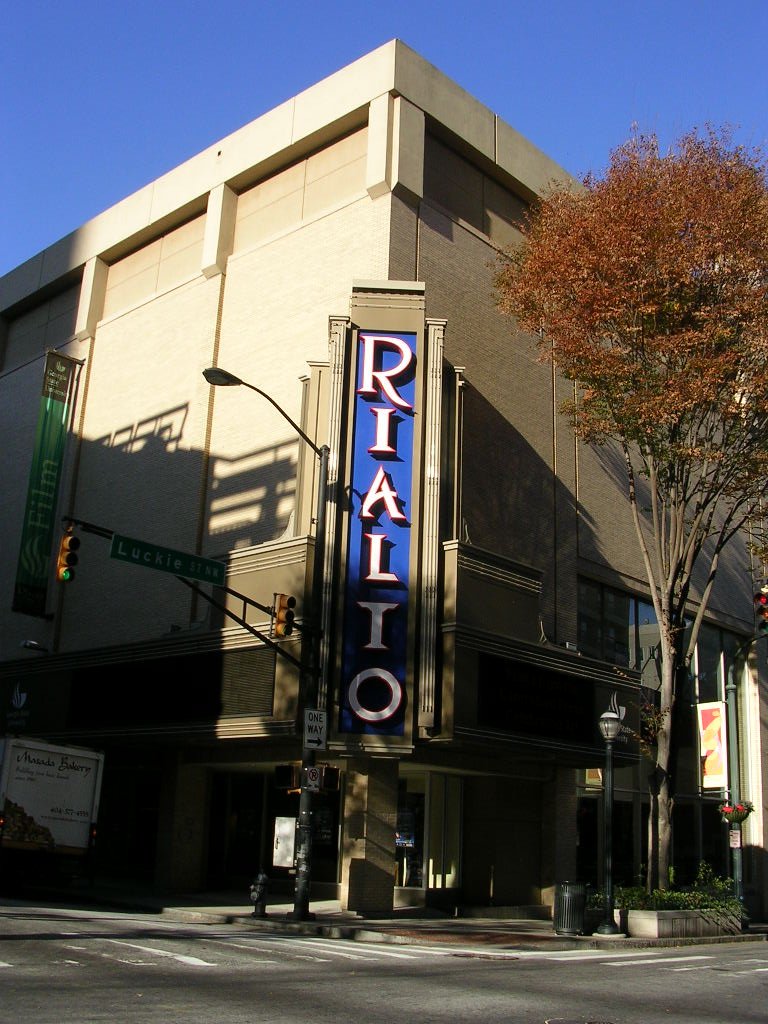
For nearly half a century, the Rialto stood at the forefront of Atlanta’s entertainment scene. Its iconic electric sign—reportedly the largest south of New York City—became a downtown landmark (Wikipedia). Despite the economic hardships of the Great Depression, the Rialto continued to draw crowds for movies and vaudeville acts. In 1940, it hosted the world premiere of “Who Killed Aunt Maggie,” further cementing its cultural significance (Atlanta Downtown).
Rebuilding and Modernization: 1962–1989
Facing changing entertainment trends, the original Rialto was demolished in 1962 and replaced by a larger, more modern theater which opened in July 1963 with a screening of “Bye Bye Birdie.” The new venue boasted 1,200 seats, a spacious lobby, and improved sightlines (Cinema Treasures). Despite these upgrades, competition from suburban multiplexes led to declining attendance, and the Rialto closed in 1989 (Atlanta Downtown).
Georgia State University’s Vision and Restoration: 1991–1996
Revival came in the early 1990s, when Georgia State University acquired the shuttered Rialto. Under Dr. Richard Koehler’s leadership, GSU undertook a meticulous transformation, creating a state-of-the-art performing arts center while honoring the venue’s historical roots. The renovated Rialto reopened in March 1996 with 833 seats, enhanced acoustics, a larger lobby, ADA-compliant features, and a new stage and orchestra pit (Atlanta Downtown, Cinema Treasures).
A Cultural Renaissance: 1996–Present
Since its restoration, the Rialto has thrived as both a performance venue and educational resource. As part of Georgia State University, it hosts the acclaimed Rialto Series, featuring national and international jazz, world music, and contemporary dance performances (Rialto GSU, Wikipedia). The venue also presents concerts by the GSU School of Music and partners with organizations like the National Black Arts Festival.
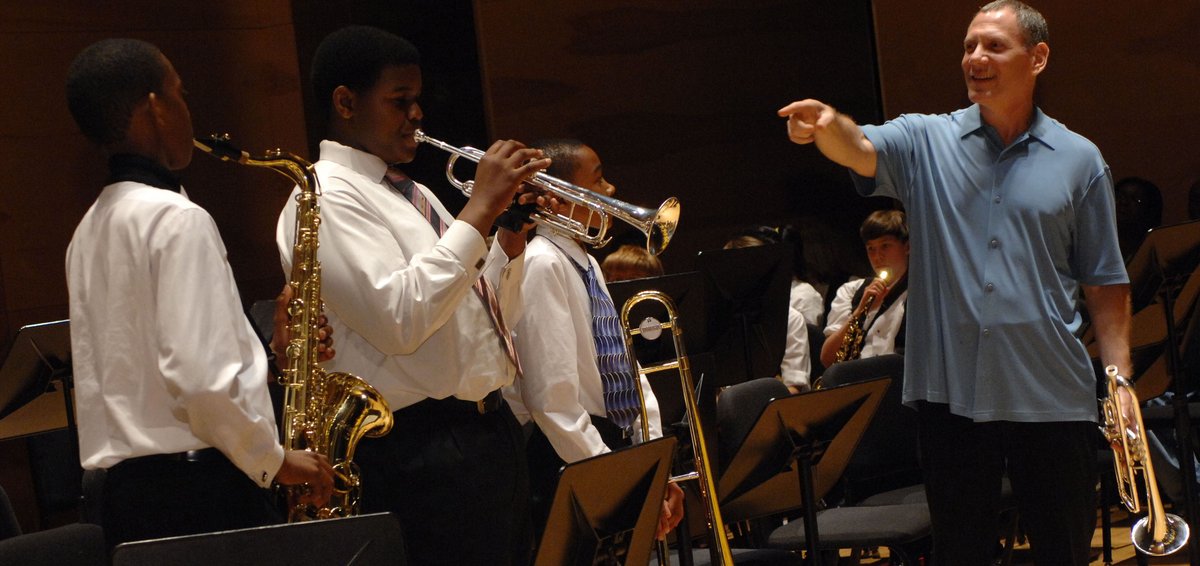
Community engagement is central to the Rialto’s mission. Programs such as “Rialto Jazz for Kids” bring music education to local schools, and the center regularly collaborates with artists on visual exhibitions, film screenings, and special events (Rialto GSU, Atlanta Film Festival). In 2023, the installation of a digital cinema system enabled the Rialto to host film festivals and special screenings, complementing its robust live events schedule (Atlanta Film Festival).
Visiting the Rialto Center for the Arts
Visiting Hours
- Box Office Monday–Friday, 10:00 AM–5:00 PM
- Event Days Doors open one hour prior to showtime
- Note Hours may vary; always check the official calendar for updates (Rialto GSU).
Tickets and Booking
- Purchase Options Online via the official website, by phone, or at the box office
- Pricing Varies by event; typical range is $15–$50
- Discounts Available for students, seniors, and groups; GSU affiliates may also receive special rates
- Early booking is recommended for popular events
Accessibility
- Wheelchair-accessible seating and entrances
- Accessible restrooms
- Assistive listening devices upon request
- Service animal accommodations
- Contact the box office in advance for special arrangements (Rialto GSU Accessibility)
Getting There and Nearby Attractions
- Address 80 Forsyth Street NW, Atlanta, GA 30303
- Public Transit Accessible via MARTA (Peachtree Center and Five Points stations nearby)
- Parking Free validated parking for Rialto Series attendees at the 100 Peachtree Parking Garage; additional lots and metered parking are available (GSU News)
- Nearby Attractions Centennial Olympic Park, National Center for Civil and Human Rights, Sweet Auburn Historic District, Flatiron Building, Woodruff Park, and the Fairlie-Poplar historic architecture
Guided Tours and Photography
- Guided Tours Available during select festivals or by appointment; inquire with the box office
- Photography Permitted in public areas and the lobby; restricted during performances
Architectural and Cultural Significance
The Rialto’s architectural evolution reflects the changing landscape of American theater design. From its opulent movie palace origins to its mid-century modern update and current role as an acoustically advanced performance space, the Rialto is a prime example of adaptive reuse and preservation (Essential Atlanta). Its continuous operation on the same downtown corner for over a century makes it a rare cultural constant in Atlanta (Atlanta Downtown).
Milestones and Notable Events
- 1916 Opens as Piedmont Theater, the Southeast’s largest movie house
- 1940 Hosts world premiere of “Who Killed Aunt Maggie”
- 1963 New Rialto Theater opens after demolition of original
- 1989 Theater closes
- 1996 Reopens as the Rialto Center for the Performing Arts under GSU
- 1997 Hosts world premiere of “Atlanta’s Olympic Glory” documentary
- 2009 Southeast premiere of Clint Eastwood’s “Richard Jewell”
- 2023 Installs digital cinema projection system for film screenings (BroadwayWorld)
FAQ
What are the Rialto Center's visiting hours?
Box office: Monday–Friday, 10:00 AM–5:00 PM; venue opens one hour before performances. Always check the official calendar for event-specific times.
How can I buy tickets?
Tickets can be purchased online, by phone, or at the box office. Discounts available for students, seniors, GSU affiliates, and groups.
Is the Rialto Center accessible?
Yes. The venue provides accessible seating, entrances, restrooms, assistive listening devices, and service animal accommodations.
Are guided tours available?
Tours may be arranged during special events or by appointment; contact the box office for details.
What attractions are nearby?
Centennial Olympic Park, National Center for Civil and Human Rights, Sweet Auburn Historic District, Flatiron Building, and Woodruff Park.
Visuals and Media
- [Insert images: “Rialto Center for the Arts historic marquee at night,” “Interior Rialto auditorium,” “Map showing Rialto location”]
- Consider embedding a virtual tour from the official Rialto site if available.
Discover More
Ready to explore the Rialto Center for the Arts and Atlanta’s cultural treasures?
- Check visiting hours and ticket availability on the official Rialto website.
- Download the Audiala app for event updates, ticketing, and curated guides.
- Follow the Rialto on social media for exclusive content and offers.