
History and Construction
Origins:
The Prince Hall Masonic Grand Lodge, constructed between 1937 and 1941, was spearheaded by civic leader John Wesley Dobbs. Its purpose was to serve as a central institution for Atlanta’s Black Masonic community and a hub for civic engagement. The lodge’s prominent neon sign and Art Deco façade are signature features reflecting the district’s historic vibrancy (Atlanta History Center).
Prince Hall Freemasonry:
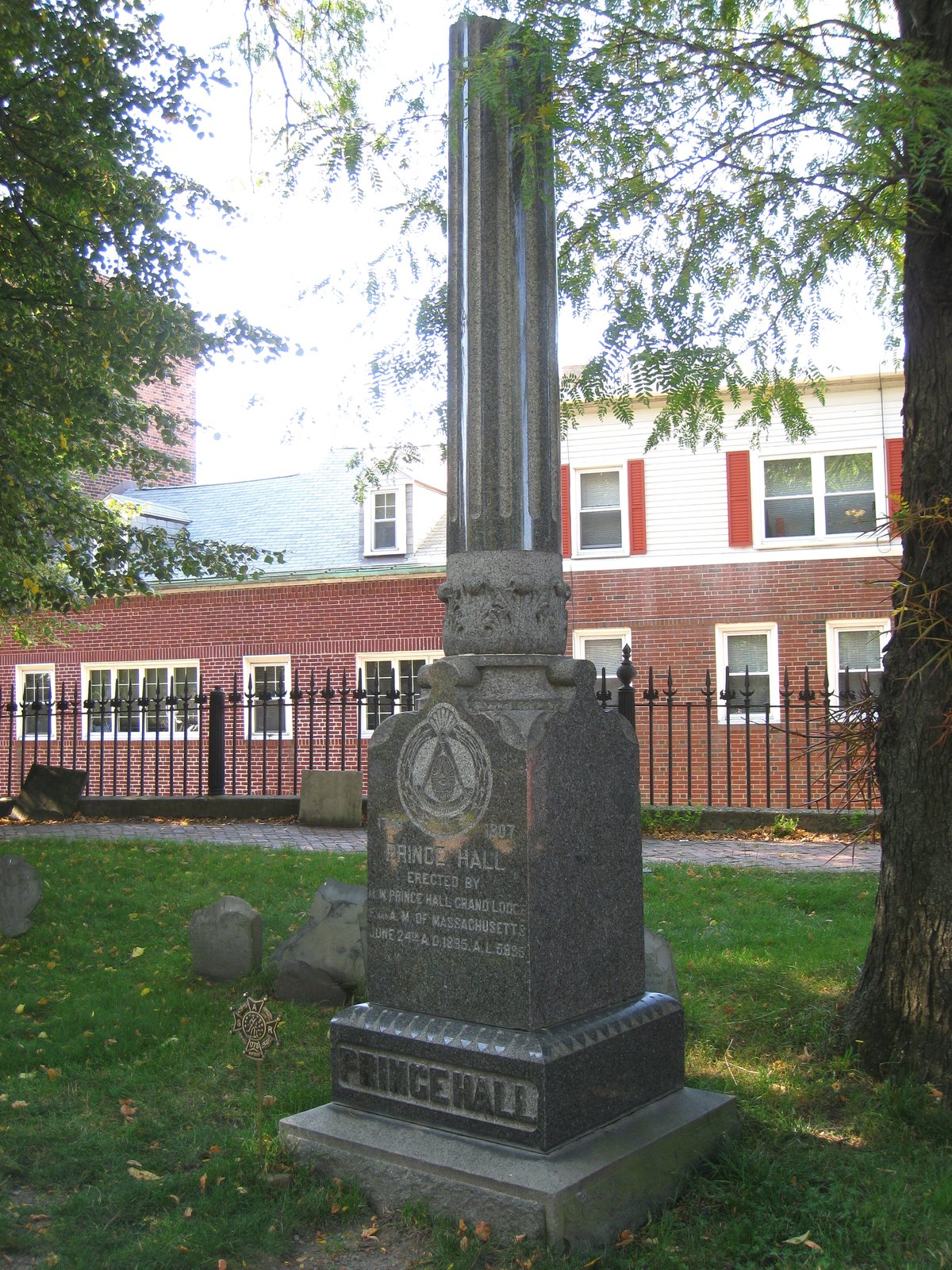
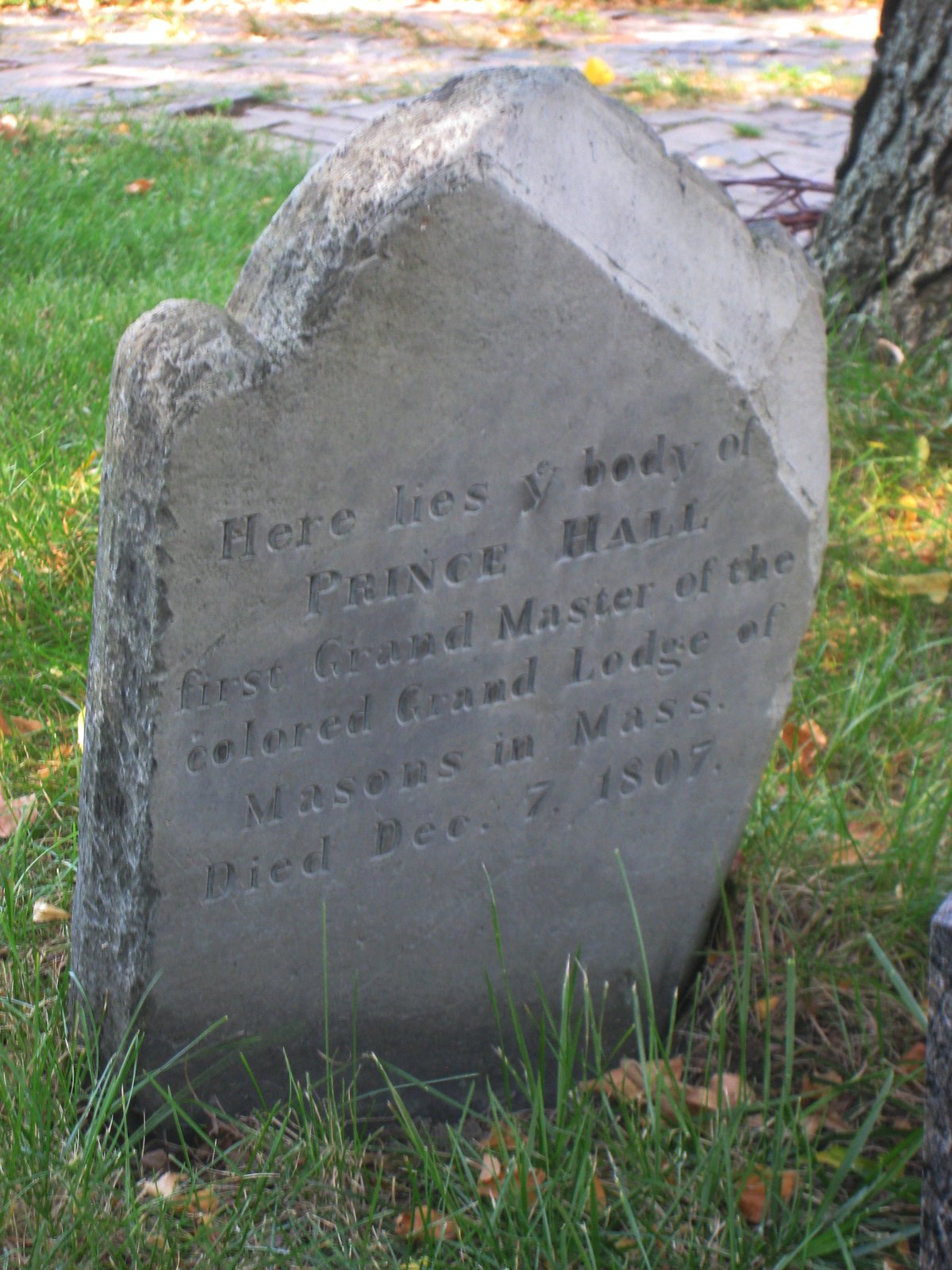
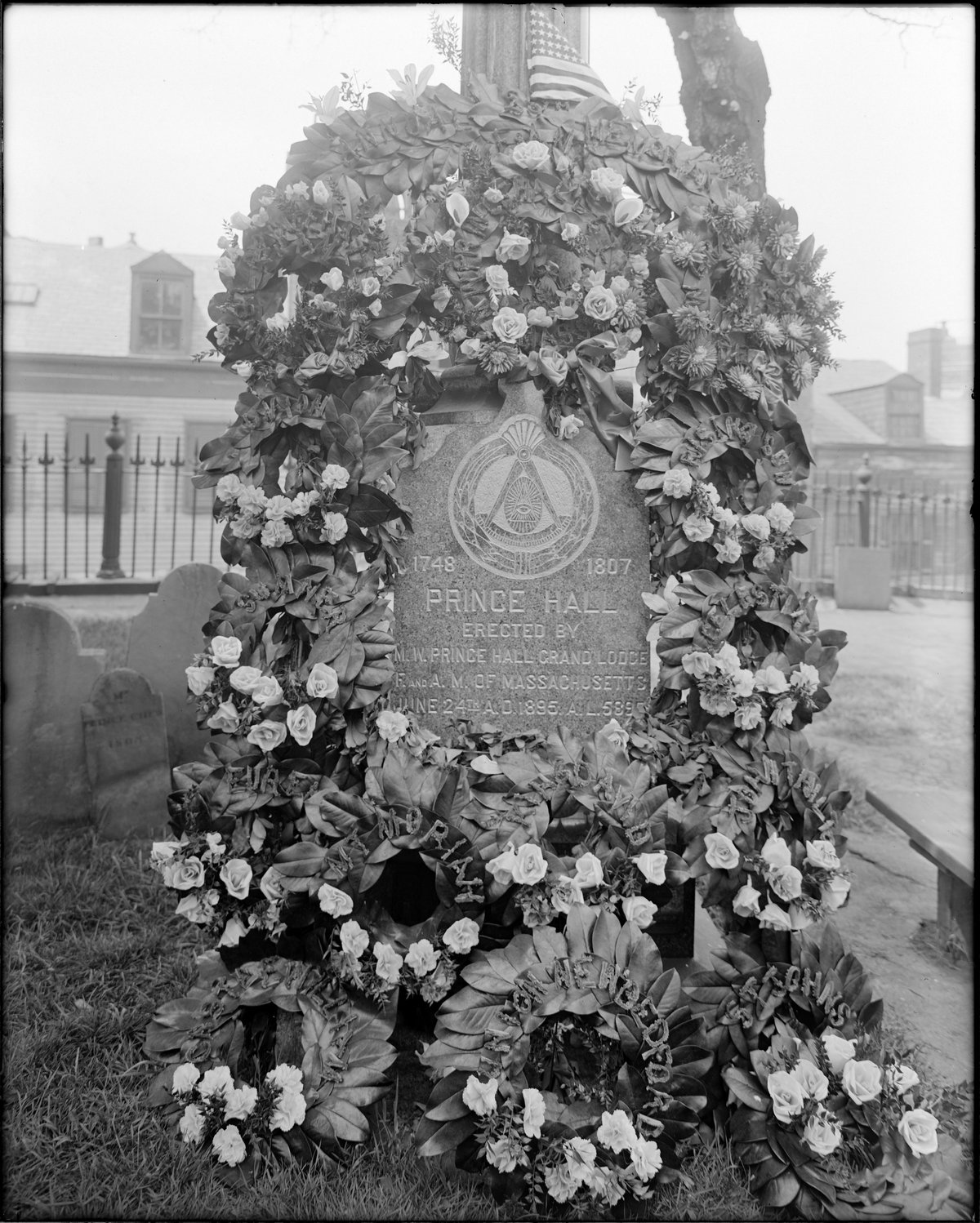
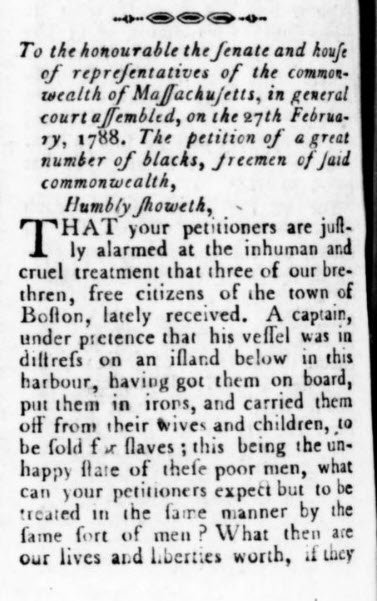
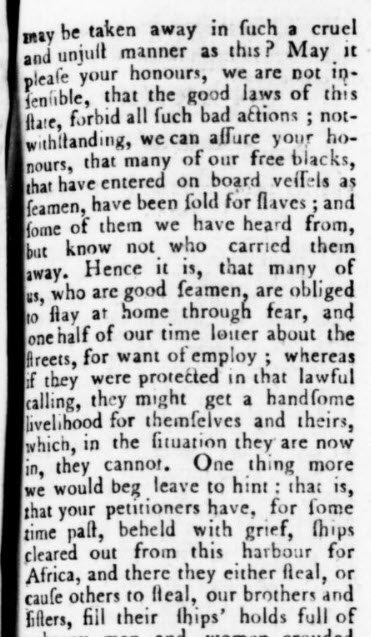
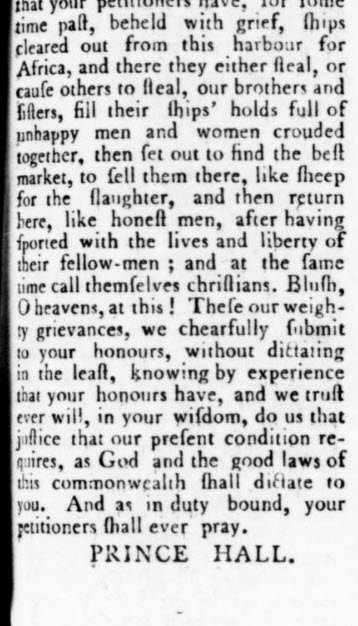
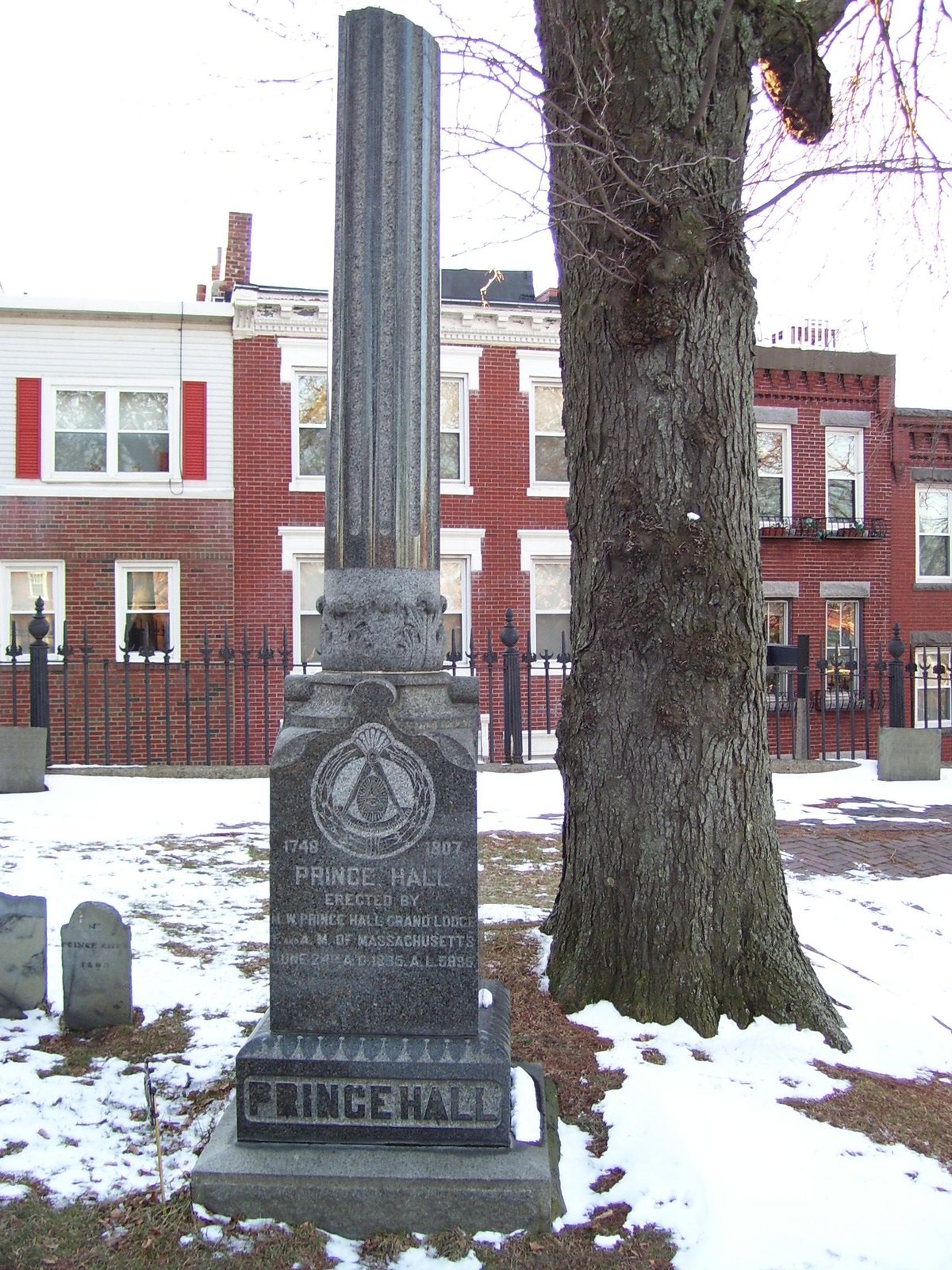
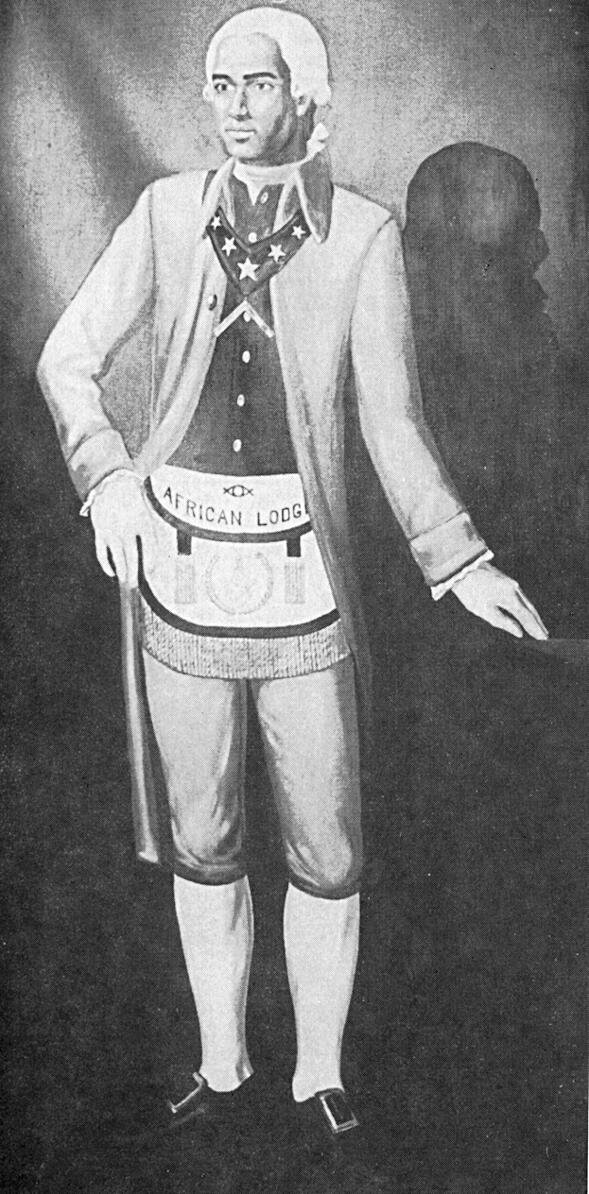
Named after Prince Hall, a former slave and abolitionist who founded the first African American Masonic order in 1775, the lodge embodies the ideals of mutual aid, leadership, and social advancement. It stands as a testament to Black organizational strength during segregation (SaportaReport).
Cultural and Civil Rights Significance
Community Pillar:
Located in Sweet Auburn—once dubbed the “Richest Negro Street in America”—the lodge has been a cornerstone for educational, social, and political gatherings, especially during segregation (O Christine). It provided a safe space for leadership, organization, and economic development.
Civil Rights Movement:
The lodge played a historic role in the 1960s as the first headquarters of the Southern Christian Leadership Conference (SCLC), led by Dr. Martin Luther King Jr. This made it a national center for civil rights strategy and activism (Atlanta Urbanize).
It also housed WERD, the nation’s first Black-owned and operated radio station, and a Madam C.J. Walker Beauty Shoppe—both symbols of Black entrepreneurship (Wikipedia).
Architectural and Community Legacy
Preservation:
The lodge has retained much of its original character thanks to the stewardship of Prince Hall Masons, and in 1980, it was listed on the National Register of Historic Places as part of the Martin Luther King Jr. National Historic Landmark District (TPL).
Ongoing Role:
Even as a historic landmark, the building remains an active center for community initiatives, entrepreneurship, and cultural celebration, reflecting its enduring relevance (Wikipedia).
Visiting Hours, Tickets, and Accessibility
- Current Hours Wednesday–Sunday, 10:00 AM–5:00 PM. (Check for holiday or event changes.)
- Post-Restoration (August 2025) Tuesday–Saturday, 10:00 AM–5:00 PM.
- Admission $10/adult, $7/seniors and students, free/children under 12. Some exhibits and events are free after restoration.
- Guided Tours Available for an additional fee or free on select weekends; advance booking recommended.
- Accessibility Fully wheelchair accessible, with elevators and assistive listening devices available.
- Directions Located at 330 Auburn Ave NE, Atlanta, GA. Easily accessible via MARTA and offers nearby parking.
Nearby Attractions and Events
- Martin Luther King Jr. National Historical Park Includes Dr. King’s birth home and the historic Ebenezer Baptist Church.
- Auburn Avenue Research Library Focuses on African American culture and history.
- Apex Museum Tells the story of African American life in Atlanta.
- Sweet Auburn Curb Market A historic food market with local vendors.
Special Events:
The lodge hosts Black History Month celebrations, civil rights lectures, community festivals, and educational programs throughout the year. Check the official events calendar for details.
Restoration and Revitalization
A $10 million restoration project, with support from foundations, public grants, and private donors, is scheduled for completion by August 2025 (What Now Atlanta, Freemasonry Network). Renovations feature:
- Preservation of the 1937 façade and neon sign
- Modern HVAC, accessibility upgrades, and safety features
- Recreation of Dr. King’s SCLC office and educational exhibits
- Dedicated museum spaces for the Madam C.J. Walker Beauty School and a historic barbershop
- Affordable office space for local Black entrepreneurs and nonprofits (SaportaReport, Atlanta News First)
Visitor Experience and Exhibits
- Exhibits Explore artifacts, oral histories, and multimedia presentations that chronicle the lodge’s role in Freemasonry, entrepreneurship, and civil rights.
- Guided Tours Weekend tours offer in-depth context; self-guided tours use interactive plaques and digital resources.
- Photographic Opportunities Capture the restored neon sign, historic meeting rooms, and the Sweet Auburn streetscape.
- Facilities Accessible restrooms and nearby dining in Sweet Auburn.
Frequently Asked Questions (FAQ)
Q: What are the current and post-restoration visiting hours?
A: Currently Wednesday–Sunday, 10:00 AM–5:00 PM; after August 2025, Tuesday–Saturday, 10:00 AM–5:00 PM.
Q: How much is admission?
A: $10 for adults, $7 for seniors/students, free for children under 12; some events/exhibits will be free.
Q: Is the lodge wheelchair accessible?
A: Yes, with modern elevators and accessible facilities.
Q: Are guided tours available?
A: Yes, by reservation; check the official website for times and fees.
Q: What other attractions are nearby?
A: Martin Luther King Jr. National Historical Park, Auburn Avenue Research Library, Apex Museum, and more.
Q: Can I take photos?
A: Exterior photos are allowed; interior photography may require permission.