Introduction
Georgia State University (GSU) in Atlanta, Georgia, is a prominent educational institution recognized for its academic excellence, innovative research, and commitment to student success. Founded in 1913 as the Georgia School of Technology's Evening School of Commerce, GSU has continually evolved to meet the needs of its diverse student population. The university is deeply intertwined with the cultural and economic fabric of Atlanta, contributing significantly to the city's development (Wikipedia, GSU). GSU's strategic location in downtown Atlanta provides students and visitors with unparalleled access to major attractions, industries, and city opportunities. This guide aims to provide a comprehensive overview of what visitors can expect when planning a visit to Georgia State University, including historical insights, visitor information, nearby attractions, and travel tips. Whether you're a prospective student, a visiting scholar, or simply curious about the campus, this guide will ensure you have a memorable and informative experience at GSU.
A Comprehensive History of Georgia State University: From Night School to Research Powerhouse
Early Beginnings (1913-1947)
Founded in 1913 as the Georgia School of Technology's Evening School of Commerce, Georgia State University (GSU) initially served working professionals. The school underwent reorganization in the 1930s, becoming the Atlanta Extension Center of the University System of Georgia, and allowed night students to earn degrees from several colleges within the system (Wikipedia). In 1947, GSU affiliated with the University of Georgia and was renamed the Atlanta Division of the University of Georgia (Wikipedia).
Autonomy and Growth (1947-1969)
In 1955, the Board of Regents granted the school autonomy, renaming it the Georgia State College of Business Administration. Walter Sparks, who had served as director since 1927, became the institution's first president (Wikipedia). By 1961, the school's programs had expanded significantly, prompting a name change to Georgia State College, and in 1969, it achieved university status and was renamed Georgia State University (Wikipedia).
Integration and Expansion (1962-1975)
In 1962, Georgia State enrolled its first African-American student, Annette Lucille Hall (Wikipedia). The late 1960s and early 1970s saw significant expansion, including the construction of numerous buildings as part of a major urban renewal project. Key developments included the Pullen Library, Classroom South, the Arts and Humanities Building, Langdale Hall, the Sports Arena, and the Urban Life Building (Wikipedia).
Research University Status and Modern Developments (1995-Present)
In 1995, the Georgia Board of Regents designated GSU as a "research university" (Wikipedia). A significant development occurred in 2015 when GSU's bid to redevelop Turner Field was accepted, and the stadium was renamed Georgia State Stadium (Wikipedia). In June 2021, M. Brian Blake became GSU's first African-American president (Wikipedia).
Consolidation with Georgia Perimeter College
On January 5, 2015, it was announced that GSU would merge with Georgia Perimeter College, creating the largest university in Georgia with about 52,000 students. Since the consolidation, graduation rates at Perimeter College have nearly tripled (Wikipedia).
Academic and Research Excellence
GSU is classified among "R1: Doctoral Universities – Very High Research Activity," offering more than 250-degree programs across 10 academic colleges and schools. The university's libraries contain over 13 million holdings and serve as federal document depositories (Wikipedia). GSU contributes $2.5 billion annually to Georgia's economy and its intercollegiate athletics teams compete in NCAA Division I's Sun Belt Conference (Wikipedia).
Innovation and Student Success
GSU is recognized as a national model for student success, ranking No. 2 in the U.S. for innovation according to U.S. News & World Report (GSU). The university has experienced the most dramatic graduation-rate increase of any university in the country since 2003 (GSU). The university's 100-acre campus in downtown Atlanta provides students with unparalleled access to major attractions, industries, and city opportunities (GSU).
Visitor Information, Cultural Significance, and Nearby Attractions
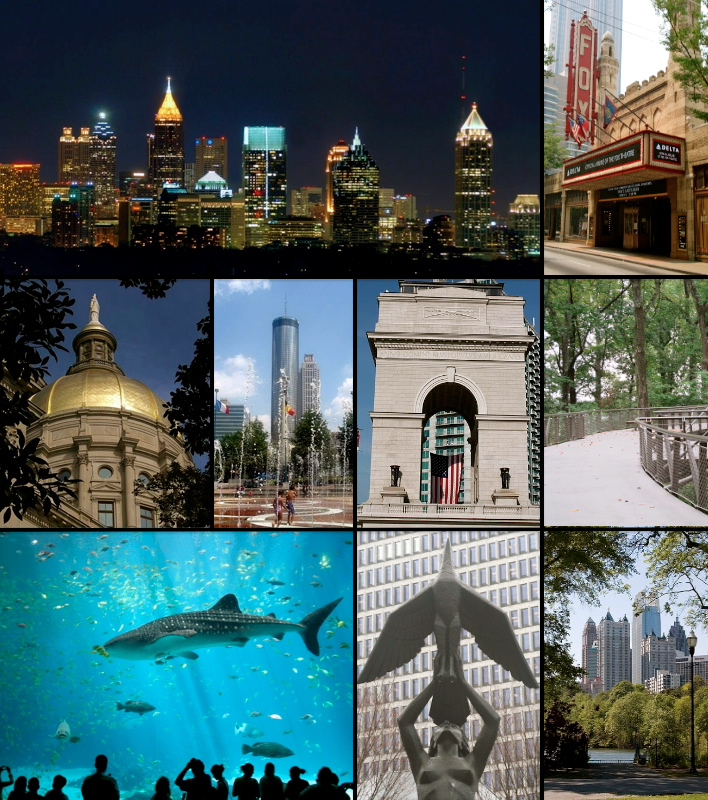
Notable landmarks on GSU's campus include the iconic Library Plaza, the Sports Arena, and Langdale Hall. GSU's location in downtown Atlanta offers proximity to major attractions such as the Georgia Aquarium, Centennial Olympic Park, and the Martin Luther King Jr. National Historical Park.
Exploring Georgia State University: Visiting Hours, Tickets, and More
Academic Excellence and Rankings
GSU stands out for its academic excellence and innovative programs, being ranked the No. 1 public university for undergraduate teaching and the No. 2 most innovative university by U.S. News & World Report (GSU Rankings). The Robinson College of Business and the Andrew Young School of Policy Studies are particularly noteworthy (Robinson College of Business).
History and Cultural Significance
Founded in 1913, GSU has grown into a major public research university, contributing significantly to Atlanta's cultural and economic landscape.
Research and Innovation
GSU hosts events like the Summer Research Symposium, showcasing cutting-edge research across various disciplines (Summer Research Symposium). The university's research centers focus on areas such as health, urban studies, and public policy.
Diversity and Inclusion
GSU is recognized as one of the most diverse institutions in the United States, enriching the learning environment and preparing students for a globalized world (Best For Vets).
Visitor Information: Tickets and Visiting Hours
Visitors are welcome at GSU, with various facilities and events open to the public. Campus tours can be scheduled online (Campus Tours). Most events do not require tickets, but it is advisable to check specific event details in advance (GSU Events).
Community Engagement and Impact
GSU's outreach programs and partnerships with local organizations demonstrate its commitment to community service and social responsibility. Events like the "Feed Your Senses" series at the Rialto Center for the Arts offer free cultural experiences to the community (Feed Your Senses).
Travel Tips and Nearby Attractions
Located in downtown Atlanta, GSU is easily accessible by public transportation, including the MARTA Peachtree Center station (MARTA Directions). Nearby attractions include the Martin Luther King Jr. National Historical Park and cultural venues like the Fox Theatre. Students and visitors can enjoy discounted tickets to these local attractions (Atlanta Attractions).
Athletics and School Spirit
GSU's sports teams, known as the Panthers, compete in various NCAA Division I sports. Events like the Georgia State Alumni Tailgate and football games at Center Parc Stadium draw large crowds (GSU Athletics).
Career Development and Alumni Success
GSU's Career Services department offers numerous resources to help students and alumni achieve their career goals. Events like the Fall '24 On-Campus & Part-Time Job Fair provide valuable networking opportunities (Job Fair).
Cultural and Recreational Opportunities
Atlanta is home to numerous museums, theaters, parks, and sports venues. GSU students can take advantage of discounted tickets to local attractions and events (Atlanta Attractions). The university also organizes events like "Cinema Under the Stars" and "Laugh Your Paws Off" (GSU Events).
Housing and Accommodation
GSU offers a variety of housing options, including traditional residence halls and apartment-style living. Nearby hotels, such as the Atlanta Marriott Marquis and the Ritz Carlton Downtown, offer special rates for visitors (Nearby Hotels).
Accessibility and Transportation
The university is well-connected to public transportation, with the MARTA Peachtree Center station providing easy access to the Atlanta campus (MARTA Directions). GSU also offers complimentary parking for visitors who register in advance for campus tours.
Future Developments
GSU continues to evolve with new projects like the construction of a new baseball stadium in the Summerhill neighborhood (New Baseball Stadium).
Your Ultimate Guide to Visiting Georgia State University - Tours, Accommodation, and Nearby Attractions
Campus Tours and Information Sessions
GSU offers comprehensive campus tours available Monday through Friday at 10 a.m. and 2 p.m., starting at the Welcome Center (Campus Visitor Guides).
Accommodation Options
On-campus housing options include the University Commons, offering modern and safe accommodations (International GSU).
Dining and Food Options
GSU's campus dining facilities offer a variety of meal options. The Fairlie-Poplar Historic District nearby also offers numerous dining options (Campus Visitor Guides).
Nearby Attractions
- Centennial Olympic Park: A legacy of the 1996 Summer Olympics (Discover Atlanta).
- Georgia Aquarium: The largest aquarium in the Western Hemisphere (International GSU).
- The World of Coca-Cola: An immersive experience into the history of Coca-Cola (International GSU).
- Martin Luther King, Jr. National Historical Park: Free to enter and offers an in-depth look into Dr. King's life (Discover Atlanta).
- Zoo Atlanta: Houses over 1,000 animals (Condé Nast Traveler).
Cultural and Recreational Activities
- Fox Theatre: Offers discount tickets to college students (Discover Atlanta).
- Atlanta Symphony Orchestra: Offers a College Pass for students (Discover Atlanta).
- Little Five Points: Known for its eclectic shops (Discover Atlanta).
- Atlanta BeltLine: A popular spot for both locals and visitors (Discover Atlanta).
Transportation and Accessibility
GSU is well-connected by public transportation, making it easy for visitors to navigate the city (Campus Visitor Guides).
Safety and Security
GSU takes the safety of its students and visitors seriously, with emergency call boxes and regular patrols by the university’s police department (Campus Visitor Guides).
Special Programs and Events
GSU hosts various special programs and events throughout the year, such as the Summer Sessions (International GSU).
Tips for a Memorable Visit
- Plan Ahead: Schedule your campus tour in advance.
- Explore the Surroundings: Visit nearby attractions.
- Stay Connected: Utilize the university’s Wi-Fi and mobile apps.
- Engage with Locals: Interact with GSU students and staff.
- Stay Safe: Follow campus safety guidelines.
FAQ
What are the visiting hours for Georgia State University? Campus tours are available Monday through Friday at 10 a.m. and 2 p.m. Be sure to schedule your tour in advance.
How much do GSU campus tours cost? Campus tours at GSU are free of charge, but it’s recommended to book in advance.
Are there any special events at GSU for visitors? Yes, GSU hosts various events throughout the year. Check their website for more details.
What are the must-see historical sites near GSU? Nearby historical sites include Centennial Olympic Park, Martin Luther King, Jr. National Historical Park, and The World of Coca-Cola.
Listen to the full story in the app
Your Personal Curator, in Your Pocket.
Audio guides for 1,100+ cities across 96 countries. History, stories, and local insight — offline ready.
Audiala App
Available on iOS & Android
Join 50k+ Curators
Sources
- verified
- verified
- verified
- verified
- verified
- verified
- verified
Last reviewed: