Plan and listen to Healey Building with Audiala.
Audio guide in your pocket, itinerary in your browser. Built for the way you actually visit.
Overview of the U.S. Court of Appeals for the 11th Circuit
The U.S. Court of Appeals for the 11th Circuit, headquartered in Atlanta, Georgia, is a pivotal institution within the American judicial system. Established on October 1, 1981, following the division of the Fifth Circuit, the 11th Circuit was created to address the growing caseload and ensure more efficient judicial administration. This court serves the states of Alabama, Florida, and Georgia, overseeing nine district courts within these jurisdictions (Federal Judicial Center).
The creation of the 11th Circuit was part of a broader reorganization of the federal judiciary system, necessitated by the increasing volume of cases in the late 20th century. Originally, the Fifth Circuit's jurisdiction included six states, but the split allowed for a more streamlined and effective judicial process (U.S. Courts).
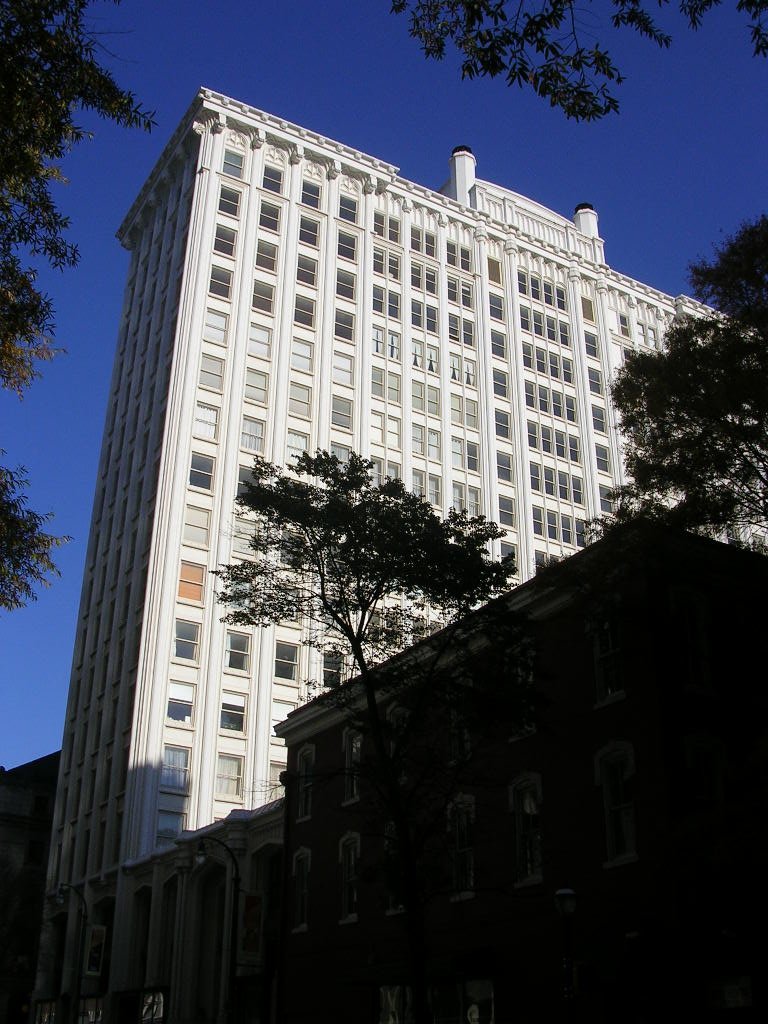
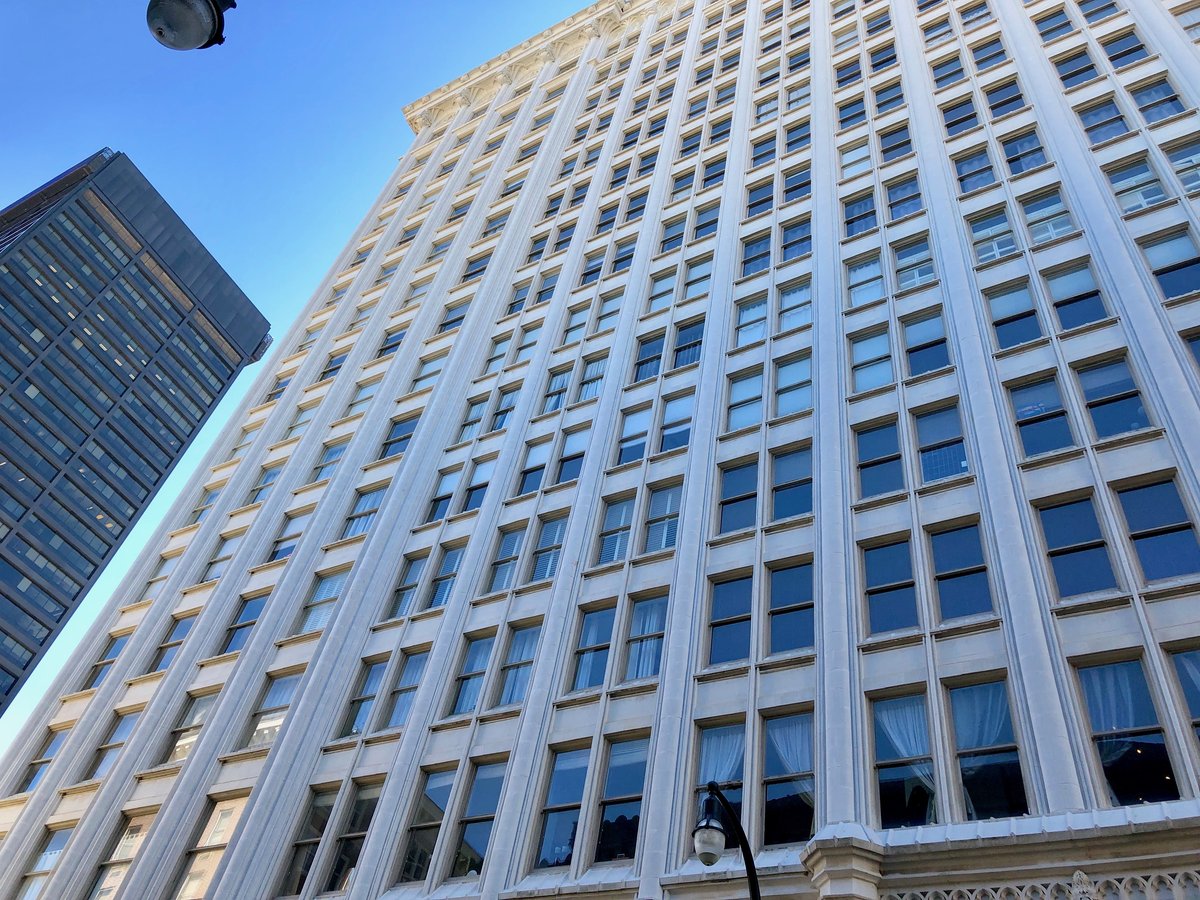
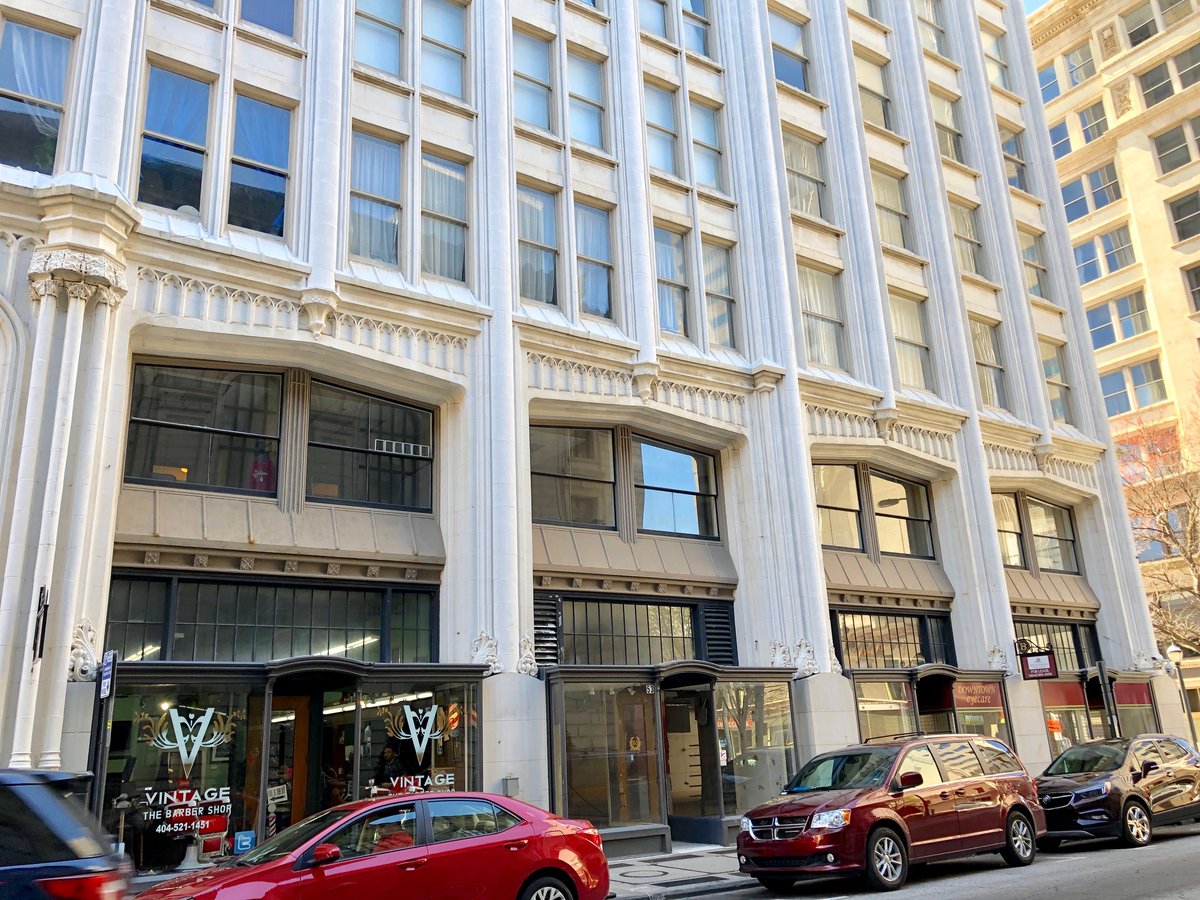
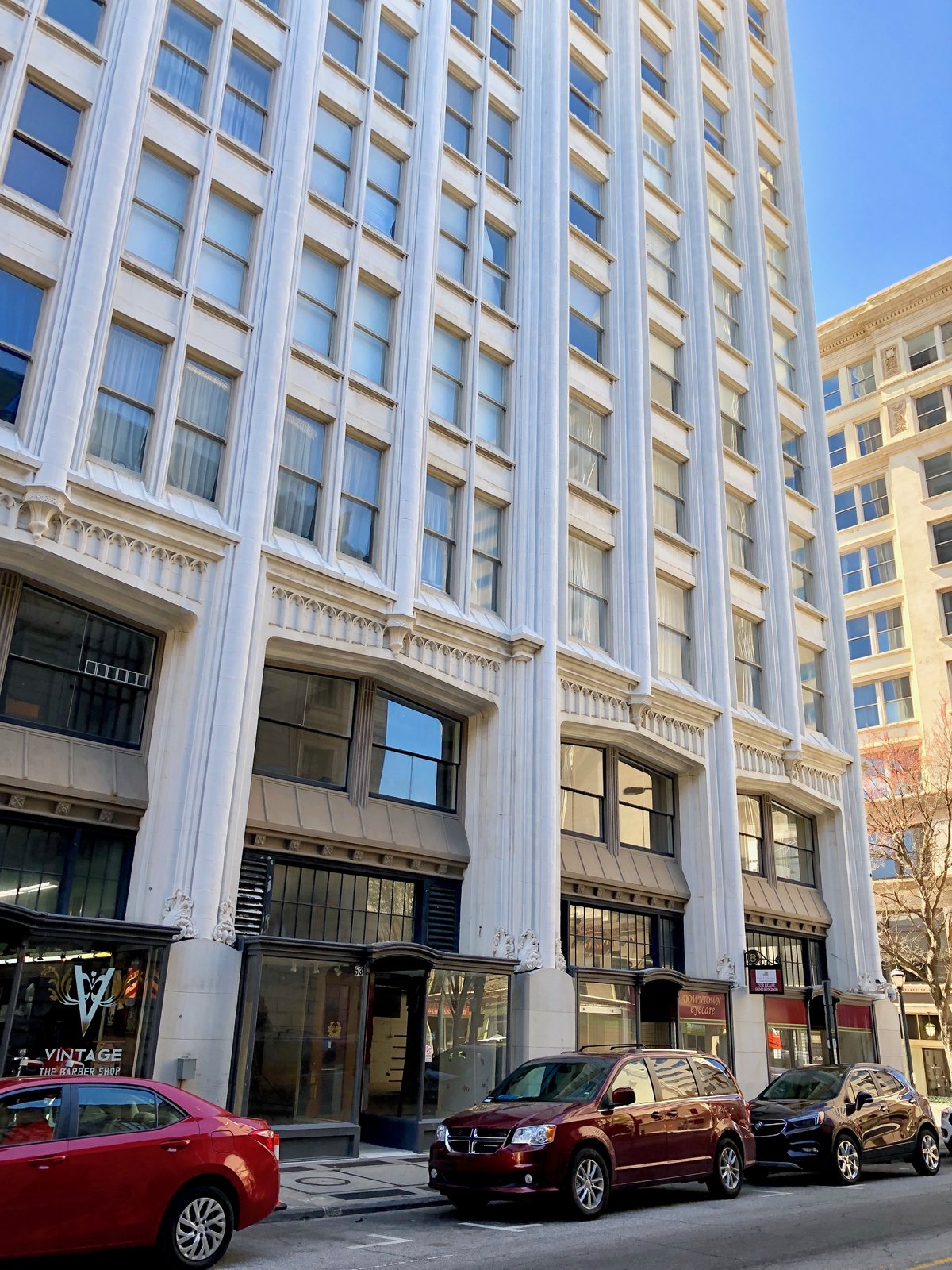
Housed in the historic Elbert P. Tuttle U.S. Court of Appeals Building, the 11th Circuit has been instrumental in shaping legal precedents and advancing civil rights in the United States. The building itself, constructed in 1910 and designed in the Beaux-Arts style, is a significant architectural landmark named after Judge Elbert Parr Tuttle, a key figure in the civil rights movement (National Park Service). This guide aims to provide comprehensive visitor information, including the court's historical significance, notable cases, and practical details for those planning to visit.




Visiting the U.S. Court of Appeals for the 11th Circuit - History, Significance, and Visitor Information
Establishment and Jurisdiction
The U.S. Court of Appeals for the 11th Circuit was established on October 1, 1981, following the division of the Fifth Circuit Court of Appeals. This division was necessitated by the growing caseload and the need for more efficient judicial administration. The 11th Circuit encompasses the states of Alabama, Florida, and Georgia, covering nine district courts within these states (Federal Judicial Center).
Historical Context
The creation of the 11th Circuit was part of a broader reorganization of the federal judiciary system. The Fifth Circuit, originally established in 1891, had become one of the largest and busiest appellate courts in the United States. By the late 20th century, the Fifth Circuit's jurisdiction included six states: Texas, Louisiana, Mississippi, Alabama, Florida, and Georgia. The increasing volume of cases from these states led to the decision to split the circuit into two separate entities: the Fifth Circuit, retaining Texas, Louisiana, and Mississippi, and the newly formed 11th Circuit, comprising Alabama, Florida, and Georgia (U.S. Courts).
Notable Cases and Decisions
The 11th Circuit has presided over numerous significant cases that have shaped legal precedents and impacted American society. One landmark case is Bush v. Gore (2000), which played a crucial role in the outcome of the 2000 presidential election. The court's decision to halt the recount of votes in Florida ultimately led to the U.S. Supreme Court's ruling that decided the election in favor of George W. Bush (Oyez).
Another notable case is United States v. Noriega (1997), involving the former Panamanian dictator Manuel Noriega. The 11th Circuit upheld Noriega's conviction on charges of drug trafficking, racketeering, and money laundering, affirming the U.S. government's authority to prosecute foreign nationals for crimes committed outside the United States (Justia).
Architectural Significance
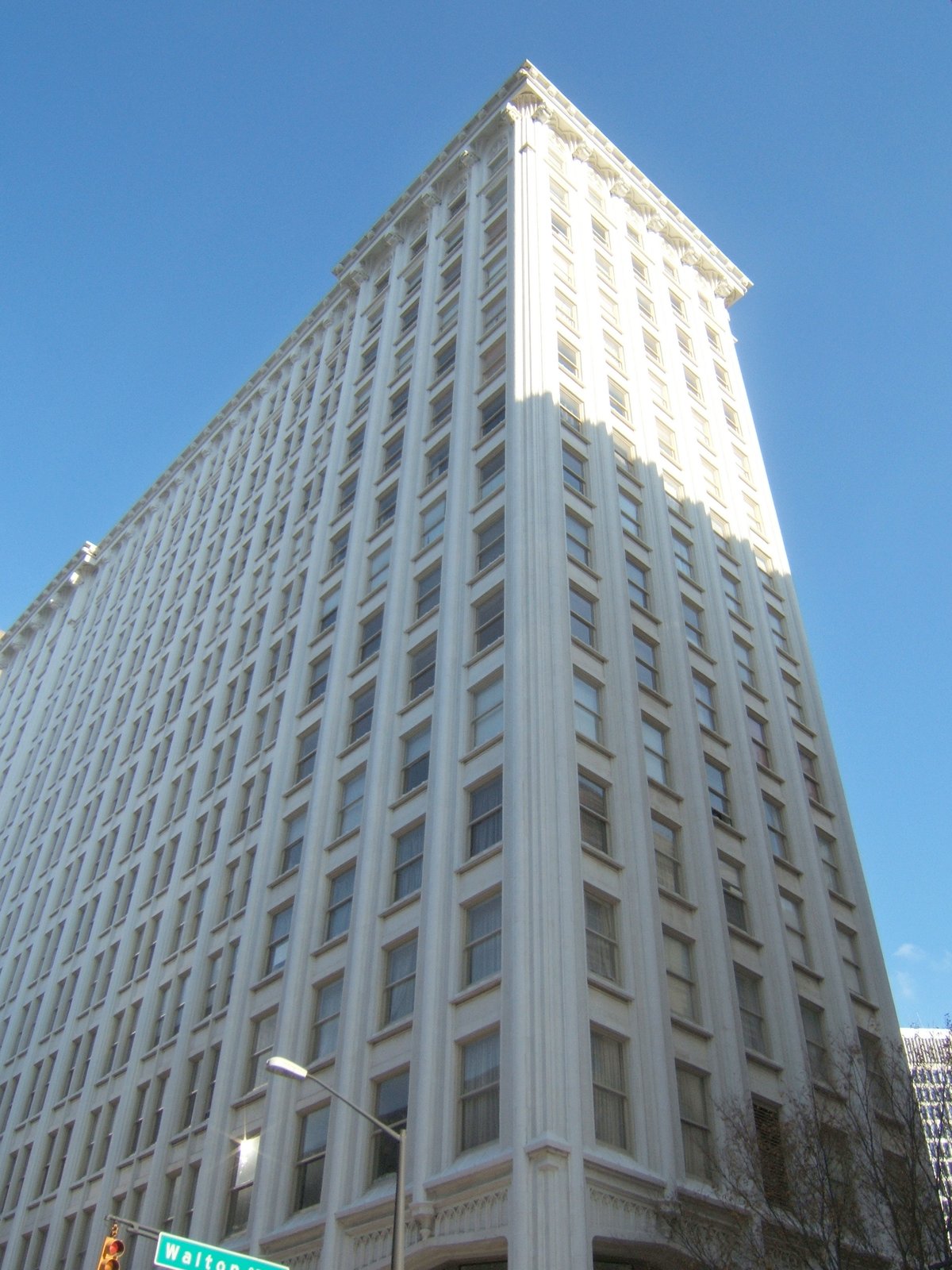
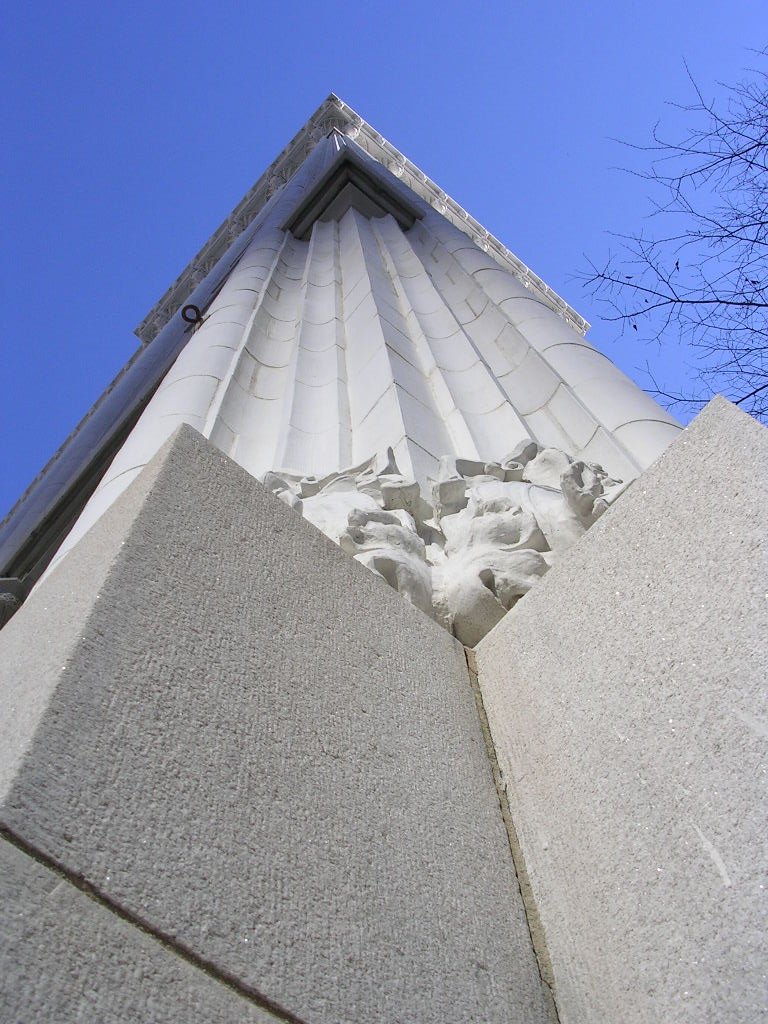
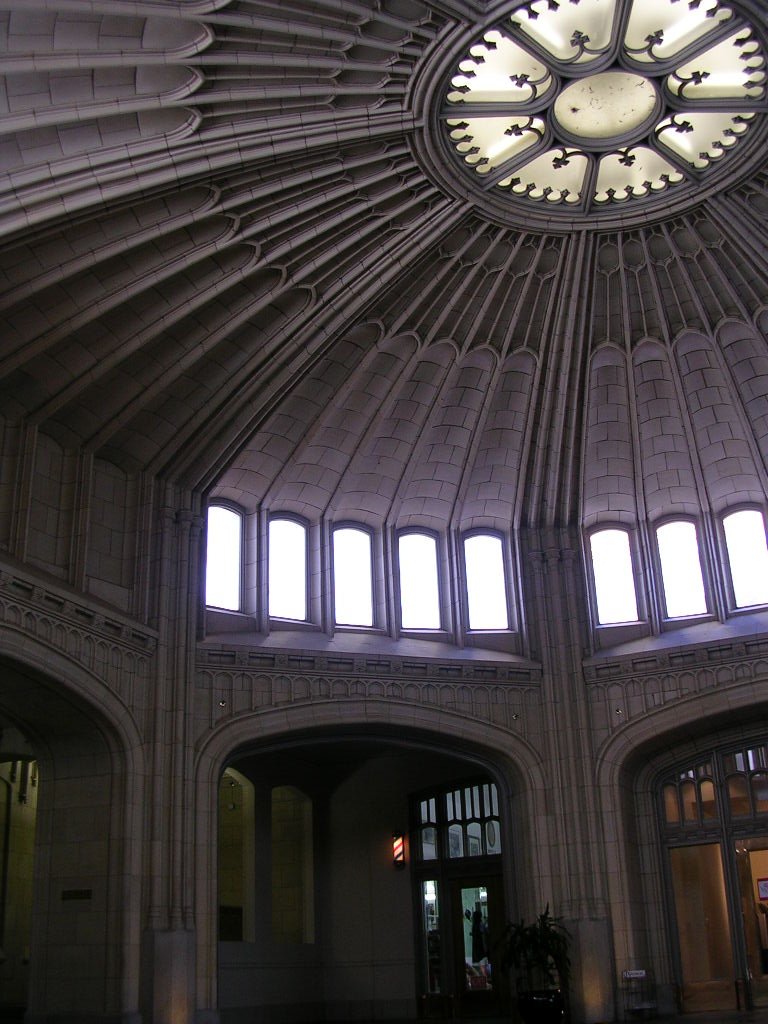
The 11th Circuit Court of Appeals is housed in the Elbert P. Tuttle U.S. Court of Appeals Building in Atlanta, Georgia. This historic building, named after Judge Elbert Parr Tuttle, a prominent figure in the civil rights movement, is an architectural landmark. Constructed in 1910, the building originally served as the U.S. Post Office and Courthouse. It was designed in the Beaux-Arts style, characterized by its grandiose and elaborate architectural elements (National Park Service).
Judges and Judicial Impact
The 11th Circuit has been home to many distinguished judges who have made significant contributions to the judiciary. Judge Elbert P. Tuttle, for whom the court's building is named, was a key figure in the desegregation of public schools in the South. His rulings in the 1960s helped dismantle the legal framework of segregation, advancing civil rights in the United States (Federal Judicial Center).
Another notable judge is Frank M. Johnson Jr., who served on the 11th Circuit from 1979 to 1999. Johnson was renowned for his courageous decisions in civil rights cases, including his rulings that led to the desegregation of public facilities and the protection of voting rights for African Americans (Encyclopedia of Alabama).
Evolution and Modern Developments
Since its establishment, the 11th Circuit has evolved to address the changing legal landscape and societal needs. The court has embraced technological advancements to improve its efficiency and accessibility. For instance, the implementation of electronic case filing (ECF) systems has streamlined the submission and management of legal documents, reducing the reliance on paper-based processes (U.S. Courts).
In recent years, the 11th Circuit has also played a pivotal role in addressing contemporary legal issues, such as immigration, healthcare, and digital privacy. The court's decisions in these areas have had far-reaching implications, influencing national policies and legal standards (SCOTUSblog).
Visitor Information
For those interested in visiting the U.S. Court of Appeals for the 11th Circuit, here are some essential details:
- Visiting Hours: The court is open to the public Monday through Friday, from 8:30 AM to 5:00 PM. Visitors are encouraged to check the court's official website for any changes to the schedule.
- Tickets: There is no entry fee to visit the court. However, certain special events or guided tours might require prior registration.
- Guided Tours: The court offers guided tours that provide insights into its history, architecture, and judicial processes. These tours can be scheduled through the court's official website.
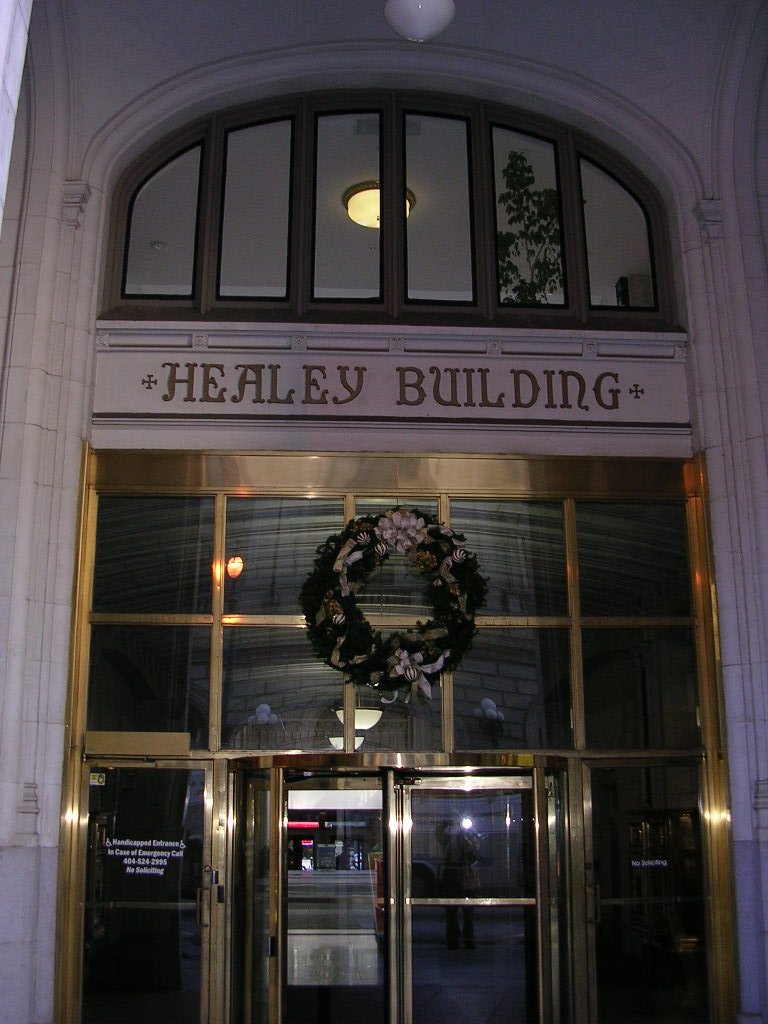
- Accessibility: The court is fully accessible to individuals with disabilities. Accessible entrances and facilities are available to ensure a comfortable visit for all.
- Photography: Photography is generally allowed in the public areas of the court building, but visitors should adhere to any posted guidelines or restrictions.
Nearby Attractions
While visiting the 11th Circuit Court of Appeals, consider exploring other historical sites and attractions in Atlanta:
- Centennial Olympic Park: A popular park commemorating the 1996 Summer Olympics, featuring fountains, gardens, and sculptures.
- Georgia Aquarium: One of the largest aquariums in the world, home to thousands of marine species.
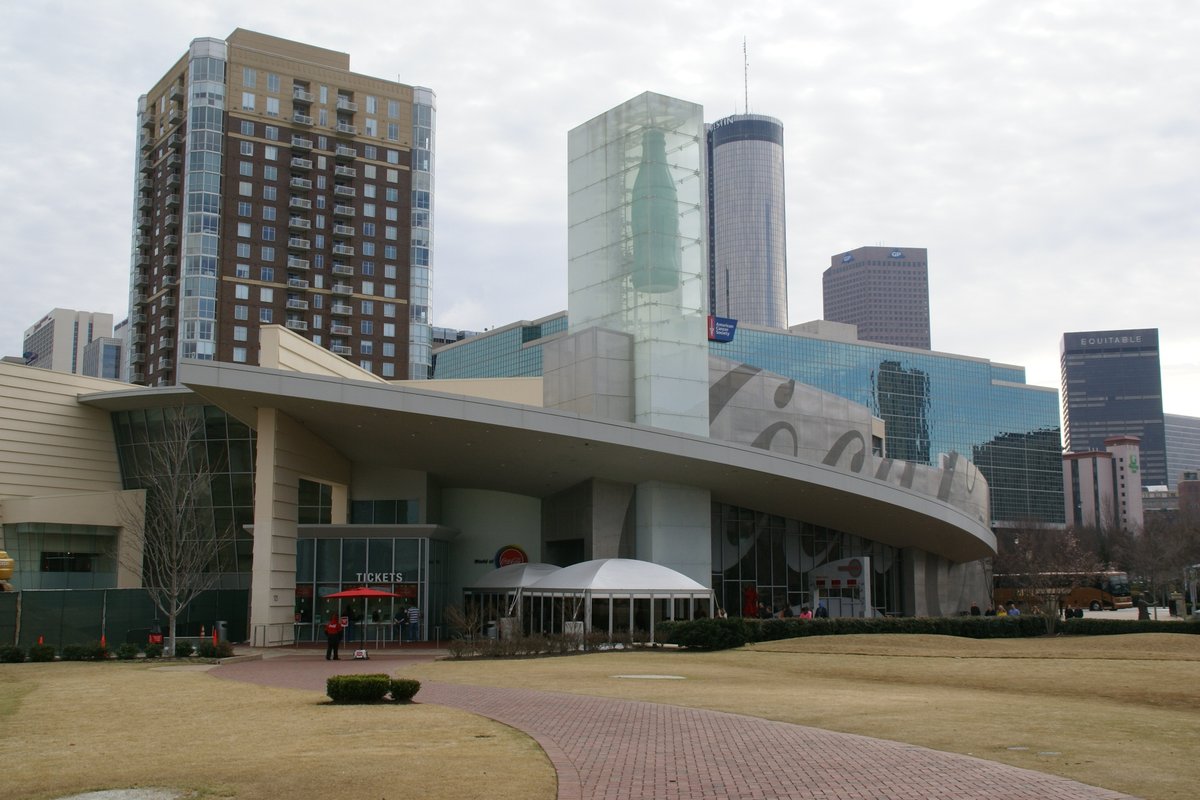
- World of Coca-Cola: An interactive museum showcasing the history and impact of the iconic beverage brand.
Cultural and Educational Outreach
The 11th Circuit Court of Appeals actively engages in cultural and educational outreach to promote public understanding of the judicial system. The court offers educational programs and resources for students, educators, and the general public. These initiatives include courthouse tours, mock trials, and educational materials that provide insights into the judicial process and the court's role in upholding the rule of law (U.S. Courts).
Additionally, the court participates in community events and collaborates with legal organizations to foster dialogue and awareness about important legal issues. These efforts aim to bridge the gap between the judiciary and the public, enhancing transparency and trust in the judicial system (American Bar Association).
FAQ
Q: What are the visiting hours? A: The court is open to the public Monday through Friday, from 8:30 AM to 5:00 PM.
Q: Is there an entry fee? A: No, there is no entry fee to visit the court.
Q: Are guided tours available? A: Yes, guided tours are available and can be scheduled through the court's official website.
Q: Is the court building accessible to individuals with disabilities? A: Yes, the court is fully accessible and provides facilities for individuals with disabilities.
Summary and Key Takeaways
The U.S. Court of Appeals for the 11th Circuit holds a significant place in the American judicial landscape. Since its establishment, the court has played a crucial role in addressing key legal issues and shaping precedents that impact millions within its jurisdiction. Landmark cases such as Bush v. Gore and United States v. Noriega highlight the court's influence on national and international matters (Oyez; Justia).
Visitors to the court can gain a deeper appreciation of its historical and contemporary significance through guided tours and educational programs. The Elbert P. Tuttle U.S. Court of Appeals Building not only serves as a functional judicial space but also stands as a monument to the progress of civil rights and the rule of law in the United States (Federal Judicial Center). With its rich history, architectural grandeur, and pivotal role in the judiciary, the 11th Circuit Court of Appeals is a noteworthy destination for anyone interested in the American legal system. For more information, visitors are encouraged to check the court's official website.
Listen to the full story in the app
The whole Healey Building,
told well.
Audio guides for 1,100+ cities across 96 countries. History, stories, and local insight — offline ready.
Verified, and shown.
Researched and written by the Audiala editorial team from historical records, architectural archives, and local expertise.
U.S. Court of Appeals for the Eleventh Circuit
Courts. Court Role and Structure
Elbert P. Tuttle U.S. Court of Appeals Building
Bush v. Gore
United States v. Noriega
Judge Elbert Parr Tuttle
Researched from Wikidata, Wikipedia & official sources · fact-checked · How we make our guides →