Founding and Early Years
Grady Memorial Hospital was established during Atlanta’s post-Reconstruction era, opening in 1892 to address public health challenges like yellow fever and cholera. Named for Henry W. Grady, the hospital’s original Richardsonian Romanesque building (Georgia Hall) featured robust stonework and arched windows, symbolizing civic pride and progress (Georgia History PDF; SAH Archipedia).
Architectural Evolution
- Early 20th Century Expansion Additions like the Butler Building (1910–1912) reflected both the city’s growth and the realities of segregation, with separate wings for Black and white patients.
- Mid-century Modernization In the 1950s, Grady underwent a major expansion with a new modernist facility designed by Robert and Company, boasting 1,000 beds and advanced surgical suites. The layout mirrored ongoing segregation, with distinct wings for different patient populations.
- Postmodern Additions The 1990s brought further expansion with a postmodern extension, creating a campus that visually narrates Atlanta’s architectural and social evolution.
- Public Art Julian Hoke Harris’s relief sculptures, including tributes to Henry W. Grady and Margaret Mitchell, are featured on campus and in the lobby, alongside representations of Hygeia and Hippocrates (SAH Archipedia).
Growth, Segregation, and Integration
Through the early and mid-20th century, Grady Memorial Hospital expanded to meet Atlanta’s needs but was shaped by the realities of segregation. The hospital’s dual facilities—“the Gradies”—underscored social divisions and disparities in care (Atlanta Healthcare Overview). The Civil Rights Movement brought about integration in 1965, following significant activism, including protests led by the Atlanta Student Movement and support from Dr. Martin Luther King Jr. This transition marked a major step toward equitable healthcare in Atlanta (PubMed).
Academic Partnerships and Medical Education
Grady’s status as a teaching hospital is central to its identity. As the premier training site for Emory University School of Medicine and Morehouse School of Medicine, Grady provides clinical experience across more than 80 specialties (Hospital Management). Its School for Nurses, established in 1898, continues to address nursing shortages. Approximately 25% of Georgia’s doctors have trained at Grady (Emory Daily Pulse).
Pioneering Medical Innovations
Grady Memorial Hospital is a leader in medical innovation:
- First Open-Heart Surgery in Georgia (1920s)
- Early Adoption of Blood Banks and X-ray Technology
- Level I Trauma Center Atlanta’s only, serving over six million residents (PR Newswire)
- Walter L. Ingram Burn Center One of two American Burn Association–verified centers in Georgia (PR Newswire)
- Marcus Stroke and Neuroscience Center A Joint Commission–designated Advanced Comprehensive Stroke Center
- HIV/AIDS and Sickle Cell Centers Nationally recognized specialty care
- Recent Advances
- Grady Air Medical Helicopter Launched in 2025, providing rapid, ICU-level care across metro Atlanta (PR Newswire; Georgia Sun)
- Correll Pavilion Expanded outpatient and rehab services
- Inpatient Rehabilitation Unit New 24-bed facility opened in 2025
Visitor Information: Hours, Access, and Tips
Visiting Hours
- General Visiting Hours 8:00 a.m. – 10:30 p.m. daily. Some units (e.g., critical care) may have different hours; always confirm with the hospital before visiting.
- Historical and Architectural Tours Guided tours for educational groups and special events are available by appointment. Public access to historical areas is generally Monday–Friday, 9:00 a.m. – 5:00 p.m.
- Admission/Tickets No tickets or admission fee are required for general visitation. Guided tours may involve a nominal fee.
- Entry Requirements All visitors must check in at the main entrance, present photo ID, and follow hospital safety protocols (Grady Health Visitor Info).
Accessibility and Amenities
- Accessibility Fully accessible with ramps, elevators, and designated parking.
- Dining Café 80 and other dining options available.
- Rest Areas and Amenities Lounges, Wi-Fi, charging stations, gift shop, ATMs.
- Parking On-site parking and nearby garages; consider MARTA public transit for convenience.
Directions
- Address 80 Jesse Hill Jr. Drive SE, Atlanta, GA 30303
- Public Transit Served by MARTA Bus Route 99 and nearby Five Points/Georgia State MARTA stations.
Nearby Attractions
- Martin Luther King Jr. National Historical Park
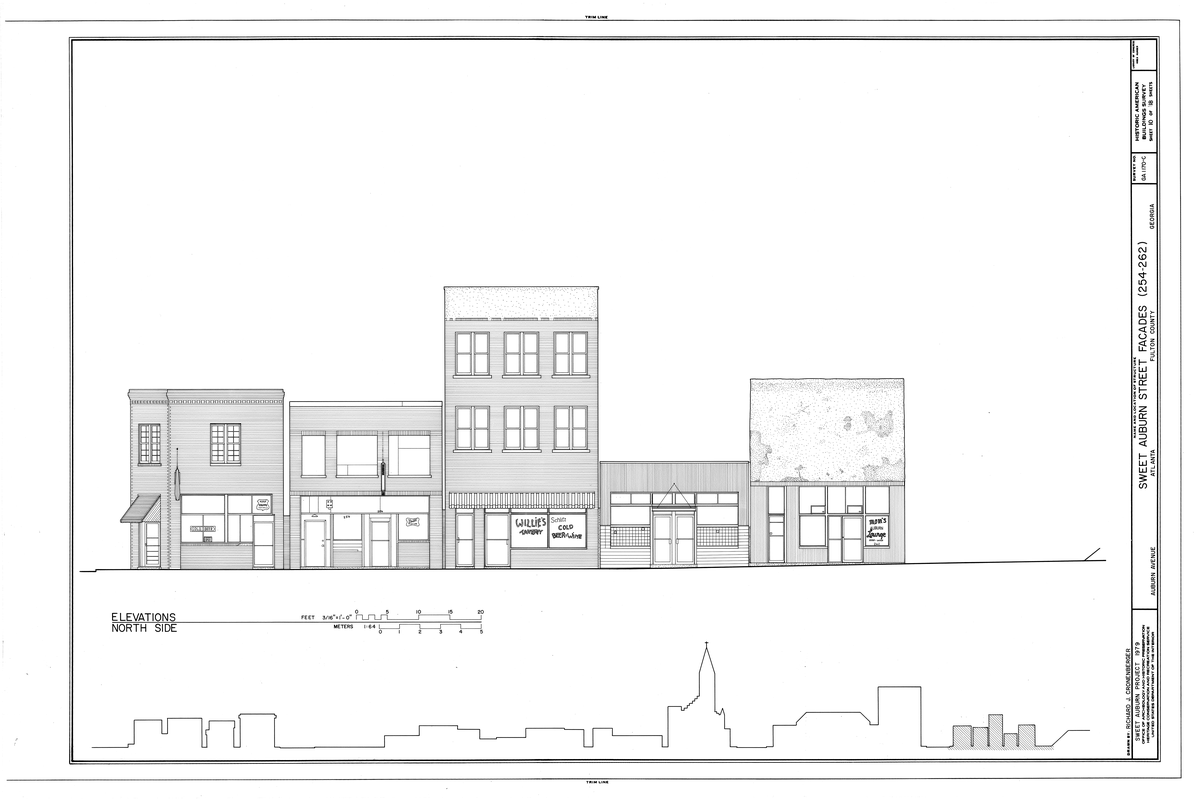
- Sweet Auburn Historic District
- Centennial Olympic Park
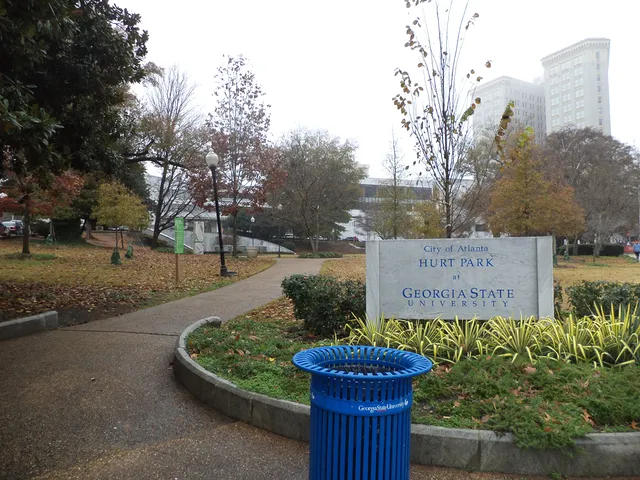
- Georgia State University Historic District
Commitment to Health Equity
Grady’s founding mission—to provide care regardless of ability to pay—remains central. The hospital is a safety net for Atlanta’s uninsured and underinsured, operating multiple health centers and specialty clinics, including the Crestview Health & Rehabilitation Center and Children’s Healthcare of Atlanta at Hughes Spalding. Community outreach and partnerships with public/private entities, as well as philanthropic support, sustain its services (Georgia History PDF).
National Recognition
Grady Memorial Hospital is consistently ranked among the nation’s best for procedures and patient outcomes. In 2024–2025, U.S. News & World Report named Grady a “High Performing” hospital in multiple specialties (PR Newswire). The hospital treats over 700,000 patients annually and is recognized for its trauma, stroke, heart, and kidney care (Hospital Management; The Most 10; Justin Landis Group).
Frequently Asked Questions (FAQ)
Q: What are Grady Memorial Hospital’s visiting hours?
A: General visiting hours are 8:00 a.m. to 10:30 p.m., but hours may vary by unit. Confirm with hospital staff before visiting.
Q: Are public or guided tours available?
A: Guided tours of historical and architectural features are available by appointment for educational groups and during special events. Check the Grady Health website for details.
Q: Is the hospital accessible?
A: Yes, Grady Memorial Hospital is fully accessible for individuals with disabilities.
Q: What are parking and transportation options?
A: On-site parking is available. MARTA bus and rail stations provide convenient public transit.
Q: Can visitors take photographs?
A: Photography is restricted in patient care areas but may be allowed in designated historical or public spaces. Ask staff for permission before taking photos.
Q: Are there nearby attractions to visit?
A: Yes. The Martin Luther King Jr. National Historical Park, Sweet Auburn Historic District, and Centennial Olympic Park are all nearby.
Suggested Visuals
- Historic exterior of Georgia Hall (alt: "Grady Memorial Hospital original Richardsonian Romanesque building")
- Modernist main building (alt: "Grady Memorial Hospital mid-century modernist architecture in Atlanta")
- Julian Hoke Harris sculptures (alt: "Public art sculptures at Grady Memorial Hospital by Julian Hoke Harris")
- Map of the campus with key visitor access points and nearby attractions
Internal and External Links
- Learn more about Atlanta historical sites
- Guide to Visiting Centennial Olympic Park
- Explore Martin Luther King Jr. National Historical Park
- SAH Archipedia Grady Memorial Hospital
- Emory Daily Pulse on Grady
- The Most 10 Busiest Trauma Centers in the US
- Justin Landis Group: Guide to Atlanta's Hospitals
- PR Newswire: Grady Recognized as High Performing Hospital
- Grady Launches Emergency Medical Helicopter
- Georgia Sun: Grady Launches Medical Helicopter
- Grady Health About Us
- Hospital Management: Top Ten Largest Hospitals in Georgia
- Atlanta Healthcare Overview
- PubMed: Desegregation at Grady
Audiala2024