Introduction
Nestled in Midtown Atlanta, the Georgia Institute of Technology Historic District stands as a distinguished reflection of the city’s educational and technological advancements. Established in 1885, the district embodies over a century of innovation, featuring a harmonious blend of Victorian, Romanesque Revival, Colonial Revival, Beaux-Arts, and Craftsman architecture. Anchored by the iconic Tech Tower, the district invites visitors to explore a campus rich in history, culture, and architectural excellence.
This guide provides up-to-date details on visiting hours, free admission, tours, accessibility, parking, and practical tips. It also suggests nearby Atlanta attractions, ensuring visitors enjoy a well-rounded experience.
For the latest information, always consult the official Georgia Tech website and the National Register of Historic Places.
Founded in 1885 as part of the South’s post-Civil War modernization, Georgia Tech has grown from a single-building campus to a renowned technological university. The Historic District encompasses the oldest section of campus, with buildings dating from the late 19th to early 20th centuries. The area’s development mirrors Atlanta’s rise as a technology hub, while its preserved architecture offers a glimpse into the evolution of American academic design.
Architectural Highlights & Notable Structures
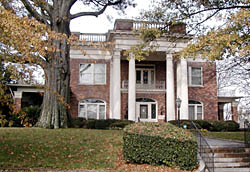
The Historic District features notable designs from architects such as Bruce & Morgan, Gottfried L. Norrman, and A.P. Agnew (Fulton County Historic Places). Key buildings include:
- Tech Tower (Academic Building): Completed in 1888, this Victorian Romanesque structure, adorned with its iconic illuminated “TECH” signs, is the campus’s enduring symbol.
- Carnegie Building: Funded by Andrew Carnegie and opened in 1907, it once served as the campus library and now houses administrative offices.
- Lettie Pate Whitehead Evans Administration Building: Exemplifying Beaux-Arts style, it serves as the administrative heart of the university.
- D. M. Smith Building: A Colonial Revival landmark used for classrooms and offices.
- Lyman Hall Laboratory: The first chemistry building, marking a pivotal expansion in science education.
- YMCA Building: Funded by John D. Rockefeller, it provides communal space and now houses the Alumni Association.
The campus landscape, designed by the Olmsted Brothers, offers shaded walkways and green spaces that unify the district’s architectural diversity.
Visiting Hours, Tickets, and Tours
Visiting Hours
- Outdoor Areas: Open daily from 8:00 AM to 6:00 PM.
- Key Buildings: Hours vary; most are open weekdays from 8:00 AM to 6:00 PM. Check the Georgia Tech Visit page for details and holiday schedules.
Tickets and Admission
- General Access: Free entry to the district and campus grounds.
- Guided Tours: Free but require advance registration. Reserve via the Freshman Sessions portal.
- Self-Guided Tours: Maps and suggested routes are available for download from the Georgia Tech Visit website.
- Virtual Tour: Experience the campus online via the interactive tour and campus map.
Accessibility and Amenities
- Wheelchair Access: Most buildings and walkways comply with ADA standards. Recent renovations have enhanced accessibility.
- Parking: Visitor lots are located near the historic district. Check the Visitor Parking Map for current rates and locations.
- Public Transit: MARTA’s North Avenue and Midtown stations offer convenient access (Public Transit Info).
- On-Campus Transit: Free shuttle buses connect campus areas.
- Restrooms & Wi-Fi: Available in the Student Center and library.
- Dining: Campus eateries and Midtown’s restaurants offer a range of options (Discover Atlanta Dining).
- Lodging: Numerous hotels nearby provide special rates for visitors (Local Lodging).
For personalized accessibility support, contact the Office of Graduate Education.
Visitor Tips
- Best Times to Visit: Spring and fall for mild weather and campus vibrancy.
- What to Bring: Comfortable walking shoes, weather-appropriate attire, and water—especially in summer.
- Photography: Permitted throughout the district; Tech Tower and The Biltmore are favorite spots.
- Plan Ahead: Register early for tours, especially during peak periods.
- Identification: Some buildings may require ID for entry.
Special Events and Activities
Georgia Tech hosts lectures, exhibitions, festivals, and alumni gatherings throughout the year. The district comes alive during homecoming, open houses, and campus-wide celebrations. Check the campus events calendar for updates.
Nearby Atlanta Attractions
Enhance your visit by exploring Midtown and downtown Atlanta:
- Martin Luther King Jr. National Historical Park
- Atlanta History Center
- Fox Theatre
- Centennial Olympic Park
- Bobby Dodd Stadium
- Piedmont Park
- High Museum of Art
- Atlantic Station
More suggestions: Discover Atlanta.
Frequently Asked Questions (FAQ)
Q: Is there a fee to enter the historic district?
A: No, entry is free. Guided tours require free advance registration.
Q: What are the visiting hours?
A: Outdoor areas generally open 8:00 AM–6:00 PM daily; building hours vary.
Q: How do I register for a guided tour?
A: Register online at the Freshman Sessions portal.
Q: Is the campus accessible for visitors with disabilities?
A: Yes, most areas are ADA-compliant. Contact visitor services for specific needs.
Q: Can I photograph campus landmarks?
A: Yes, photography is encouraged. Please respect posted guidelines.
Q: Where can I park?
A: Use designated visitor lots; details at Visitor Parking Map.
Discover More
The Georgia Tech Historic District is a living archive of architectural beauty and technological progress, inviting visitors to engage with the legacy of one of America’s premier institutions. From the landmark Tech Tower to the lush Olmsted-designed grounds, the district offers an accessible, enriching experience for history buffs, architecture lovers, prospective students, and travelers alike.
Visitors benefit from free access, comprehensive tours, and proximity to Atlanta’s premier attractions. For the most current information on tours, events, and accessibility, consult the Georgia Tech Visitor Center and download the Audiala app for interactive experiences and insider tips.
Embrace the spirit of Atlanta’s innovation and tradition—plan your visit to the Georgia Tech Historic District today.
Listen to the full story in the app
Your Personal Curator, in Your Pocket.
Audio guides for 1,100+ cities across 96 countries. History, stories, and local insight — offline ready.
Audiala App
Available on iOS & Android
Join 50k+ Curators
Sources
- verified
- verified
- verified
Last reviewed: