

Emory’s Historical Foundations
Emory University was established in 1836 by Methodist leaders in Oxford, Georgia, and named after Bishop John Emory. Its early years were shaped by the values of intellectual growth and service. Despite challenges during the Civil War and Reconstruction, Emory steadily expanded its academic reach. A pivotal moment arrived in the early 20th century when Asa Candler, Coca-Cola’s founder, facilitated Emory’s relocation to Atlanta’s Druid Hills, positioning the university at the center of a rapidly growing city (Emory University Overview; Past Presidents).
Evolution and Academic Milestones
Emory’s academic reputation grew throughout the 20th century, marked by milestones such as the granting of its first doctoral degree in 1948 and the admission of its first female and African American students in the 1950s and 1960s (Emory History). The university’s partnerships with organizations like the Centers for Disease Control and Prevention (CDC) and The Carter Center have positioned Emory as a leader in public health, global policy, and social progress (Global Health Strength; Atlanta Partnerships).
Philanthropy and Research Leadership
A transformative $105 million gift in 1979 from Robert and George Woodruff, Coca-Cola heirs, enabled Emory to expand its research, health sciences, and academic programs, earning it membership in the Association of American Universities (Emory University Overview). The creation of the Robert W. Woodruff Health Sciences Center in 1966 and the Rollins School of Public Health in 1990 solidified Emory’s place at the forefront of medical research and global health (WHSC Timeline).
Commitment to Diversity and Social Responsibility
Emory’s journey to greater diversity began with the enrollment of its first female law student in 1917 and the integration of African American students in 1963 (Emory History). In 2021, the university formally recognized its location on lands once inhabited by Indigenous peoples, underscoring a commitment to inclusion and historical awareness (History: Honoring Indigenous Peoples).
Campus Development and Modern Achievements
Today, Emory operates multiple campuses, including the historic Druid Hills and Oxford campuses, and is recognized for its sustainability initiatives, academic excellence, and international programs (20 Fascinating Facts). Emory consistently ranks among the top national universities in the U.S.
Visitor Information: Hours, Tickets, and Tours
Campus and Museum Hours
- Campus Grounds Open daily from dawn to dusk for self-guided exploration.
- Michael C. Carlos Museum Tuesday–Sunday, 10:00 AM–5:00 PM; closed Mondays and major holidays. General admission is $8 for adults (discounts for students, seniors, and children); free admission days offered periodically (Michael C. Carlos Museum).
- Special Facilities Hours vary by building; always check facility websites for details.
Tours
- Self-Guided Tours Downloadable app and printed maps are available at the Emory Visitor Center. QR codes on signage enhance the experience with historical insights.
- Guided Tours Offered seasonally and must be booked in advance through the Visitor Center or admissions website. Free of charge.
Accessibility
- The campus features paved paths, ramps, accessible entrances, and restrooms. For guests needing special accommodations, contact the Office of Accessibility Services in advance.
Campus Highlights and Attractions
- The Quadrangle (The Quad) The central green space, surrounded by historic marble-clad buildings such as Convocation Hall and Candler Library.
- Haygood-Hopkins Memorial Gateway Symbolic entrance linking Emory’s historic past with its Atlanta presence.
- Michael C. Carlos Museum Renowned for its ancient and global collections; rotating exhibitions draw art and history enthusiasts.
- Lullwater Preserve A 154-acre natural sanctuary ideal for walking, bird-watching, and photography.
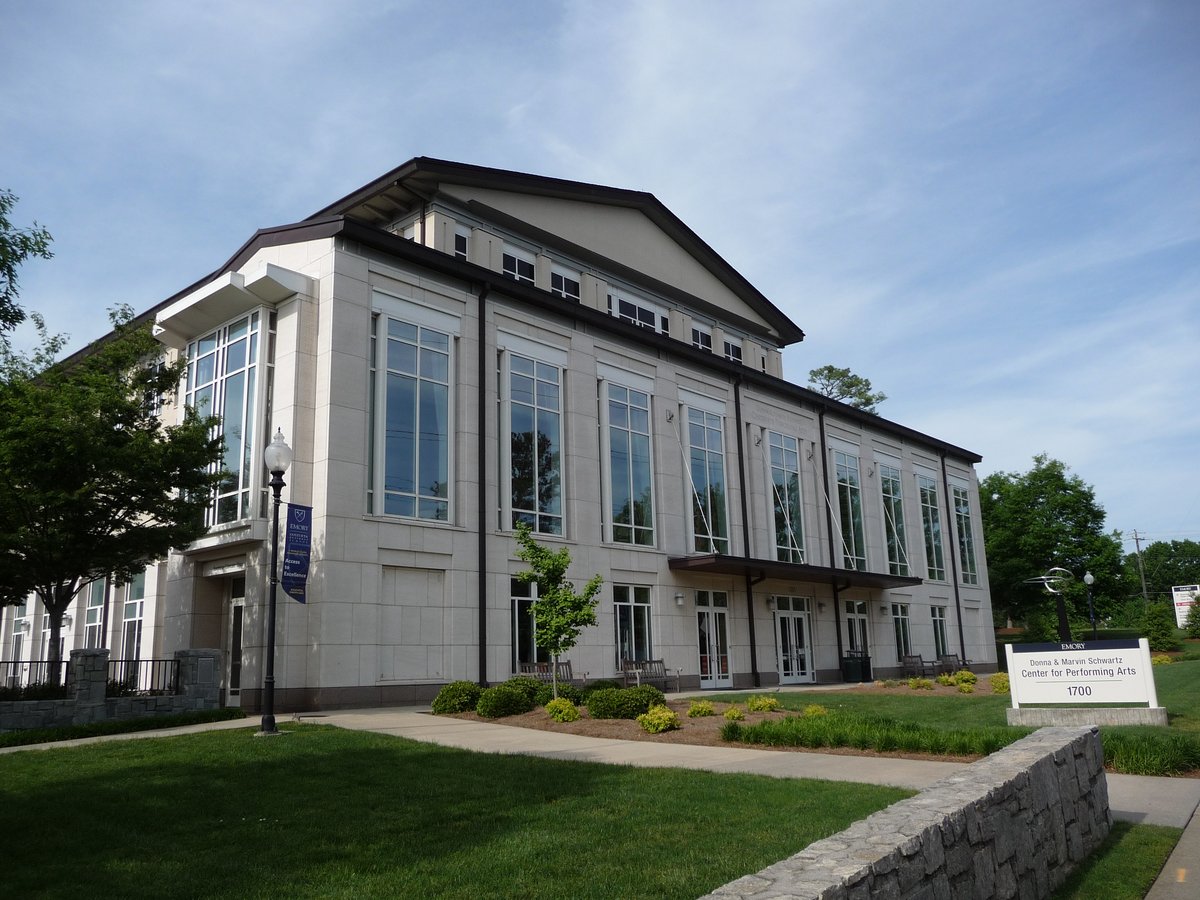
- Schwartz Center for Performing Arts Hosts concerts, dance, and theater; check event schedules.
- Oxford College and Seney Hall Emory’s original campus in Covington, blending 19th-century charm with modern amenities.
Travel Tips and Nearby Atlanta Sites
- Atlanta History Center Explore Atlanta’s past through immersive exhibits (Atlanta History Center).
- Fernbank Museum of Natural History Family-friendly science, nature, and IMAX experiences.
- Martin Luther King Jr. National Historic Site Learn about civil rights history (Martin Luther King Jr. National Historic Site).
- Centennial Olympic Park Iconic downtown green space (Centennial Olympic Park).
Getting There: Emory is about 6 miles northeast of downtown Atlanta, accessible by car, MARTA (bus and shuttle connections), and rideshare services. Visitor parking is available in designated decks; rates and details at Emory’s parking website.
Frequently Asked Questions (FAQ)
Q: What are Emory University’s visiting hours?
A: Campus grounds are open dawn to dusk; the Carlos Museum is open Tuesday–Sunday, 10 a.m.–5 p.m.
Q: Is there an admission fee for campus or museums?
A: Campus access is free. Carlos Museum charges $8 for adults, with periodic free days.
Q: Are guided tours available?
A: Yes, by appointment through the Visitor Center.
Q: Is the campus wheelchair accessible?
A: Yes; for accommodations, contact Accessibility Services.
Q: Can I take photographs?
A: Allowed outdoors; restrictions may apply in museums or during some events.
Q: Are pets permitted?
A: Leashed pets are allowed outdoors only.
Visitor Etiquette and Safety
- Maintain a respectful noise level near classrooms and research spaces.
- Smoking and vaping are prohibited on campus.
- Alcohol is allowed only in designated venues.
- Emory Police provide 24/7 security; emergency call boxes and the LiveSafe app are available.
Accessibility and Transportation
- Parking Fishburne, Oxford Road, and Peavine decks; $4 first hour, $12 daily max (Parking Info).
- Public Transit MARTA bus to Decatur Station, then Clifton Corridor Shuttle.
- Rideshare Designated drop-off points available.
Dining and Lodging
- On-campus Dobbs Common Table, Café at Carlos Museum, The Depot by Kaldi’s Coffee.
- Nearby Emory Village eateries, including Falafel King and Doc Chey’s Noodle House.
- Accommodation Emory Conference Center Hotel, plus hotels in Decatur and Druid Hills. Book early during major events.