Introduction
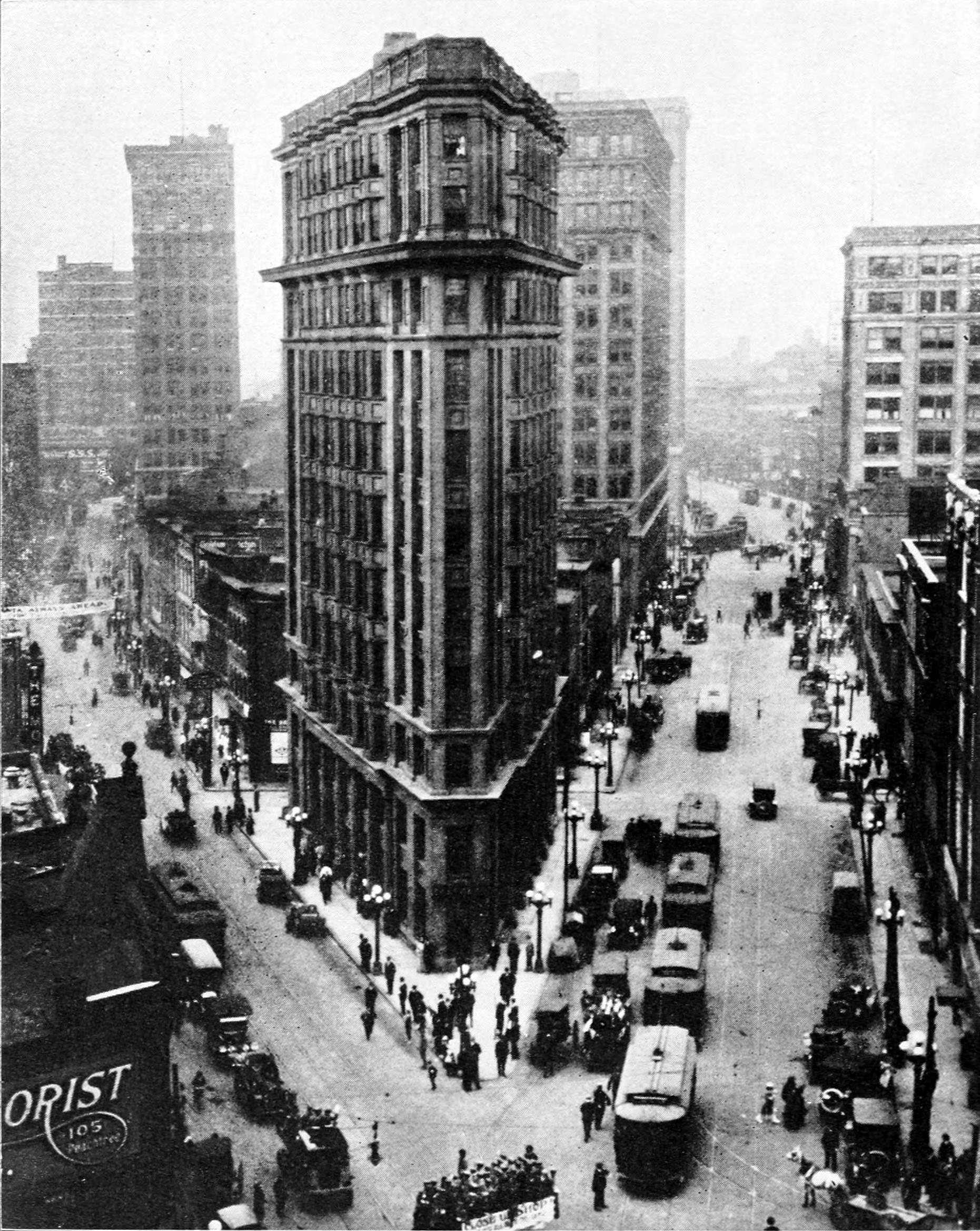
The Elbert P. Tuttle United States Court of Appeals Building is a cornerstone of Atlanta’s historic and civic landscape. Located in the bustling heart of downtown, it stands not only as an architectural marvel but also as a monument to pivotal moments in American civil rights history. Originally constructed between 1907 and 1910, this Renaissance Revival and Beaux-Arts structure has been the setting for landmark judicial decisions that shaped the nation, particularly during the Civil Rights Movement. Today, the building is home to the Eleventh Circuit Court of Appeals and continues to welcome visitors eager to explore its storied halls. This comprehensive guide details visiting hours, admission policies, tour options, accessibility, nearby attractions, and the building's enduring historical significance.
For the most current information and tour arrangements, consult the Eleventh Circuit Court of Appeals official website and the Eleventh Circuit Historical Society. To expand your exploration, consider related resources from Explore Georgia and the Audiala app.
The Elbert P. Tuttle United States Court of Appeals Building began its life as a combined post office and courthouse, reflecting the rapid growth of Atlanta in the early 20th century. Construction commenced in 1907, and by 1910, the building was completed under the guidance of James Knox Taylor, Supervising Architect of the U.S. Treasury Department. Its Renaissance Revival and Beaux-Arts design is evident in its grand limestone and granite façade, symmetrical proportions, arched windows, and intricate stonework. The imposing lobby, with marble floors and ornate ceilings, greets visitors with a sense of history and dignity (Wikipedia; Explore Georgia).
The building's preservation and restoration efforts have maintained both its historic character and modern functionality, earning it a place on the National Register of Historic Places in 1974 and designation as a National Historic Landmark in 2015 (National Park Service).
The Court’s Civil Rights Legacy
During the 1950s and 1960s, the building was a judicial hub for the United States Court of Appeals for the Fifth Circuit, which played a central role in enforcing desegregation and voting rights in the Deep South. Under Chief Judge Elbert Parr Tuttle, the court issued watershed rulings that helped dismantle Jim Crow laws and protect civil liberties (Explore Georgia; GSA).
Significant cases included:
- Enforcing the Brown v. Board of Education ruling and mandating desegregation of schools and public facilities.
- Striking down segregation laws that fueled the Montgomery bus boycott, propelling leaders like Dr. Martin Luther King Jr. to national prominence.
- Protecting African American voting rights and supporting "one person, one vote" principles.
Judge Tuttle’s leadership, recognized by the Presidential Medal of Freedom in 1981, solidified the building’s legacy as a site of transformative legal and social change (New Georgia Encyclopedia).
Transition to the Eleventh Circuit
With the creation of the Eleventh Circuit Court of Appeals in 1981, the building became its headquarters, continuing its tradition as a center of federal justice for Alabama, Florida, and Georgia. In 1989, it was officially named after Judge Elbert P. Tuttle, reflecting his enduring impact on civil rights and the judiciary (Wikipedia; GSA).
Visiting Information
Hours of Operation
- Open to the public: Monday through Friday, 8:30 AM – 5:00 PM
- Closed on federal holidays
- Check for schedule changes: Eleventh Circuit website
Admission and Security
- Admission: Free; no tickets required for public areas.
- Security: All visitors must pass through metal detectors and have bags scanned. Valid government-issued photo ID is required.
- Prohibited items: Weapons, sharp objects, and other security risks.
Guided Tours
- Regular tours: Not routinely scheduled for individuals.
- Group tours: Available for educational and civic organizations by advance arrangement through the Eleventh Circuit Historical Society.
- Tour content: Includes building history, architectural highlights, and insights into landmark cases.
Accessibility
- ADA accessible: Ramps, elevators, and accessible restrooms.
- Assistance: Available upon request for visitors with disabilities (Civil Rights Trail).
Photography Policy
- Public areas: Limited photography may be permitted, but always check with security or staff.
- Courtrooms and restricted zones: Photography is prohibited.
Exhibits and Educational Opportunities
- Historic displays: The lobby and select corridors feature exhibits on Judge Tuttle, the building’s role in civil rights history, and photographs of milestone events.
- Educational programs: Periodic events and lectures, particularly through the Historical Society, deepen public understanding of the building’s significance.
- Library and research: The basement, once a postal sorting room, now houses research materials and archives for scholars and students.
Location, Transportation, and Nearby Attractions
- Address: 56 Forsyth Street N.W., Atlanta, GA 30303 (Directions)
- Public transportation: MARTA rail (Five Points and Peachtree Center stations) and several bus routes serve the area.
- Parking: No on-site public parking; use nearby garages and metered street parking. Rideshare and public transportation are recommended.
Nearby Atlanta Historical Sites
- Martin Luther King Jr. National Historical Park
- National Center for Civil and Human Rights
- APEX Museum
- Ebenezer Baptist Church
- Centennial Olympic Park
Each site is within walking distance or a short ride, allowing for an immersive exploration of Atlanta’s civil rights legacy (Discover Atlanta).
Visitor Amenities and Etiquette
- Restrooms and water fountains: Available on the main floor.
- Food and beverage: Not available in the courthouse, but plentiful options exist nearby, especially on Peachtree Street.
- Dress code: Business casual is recommended; avoid shorts, tank tops, and flip-flops.
- Courtroom decorum: Maintain silence, turn off mobile devices, and follow instructions from staff. Stand when the judge enters or leaves.
- Emergency procedures: Security personnel are on site; follow posted evacuation routes if needed.
Frequently Asked Questions (FAQ)
Q: What are the visiting hours?
A: Monday through Friday, 8:30 AM to 5:00 PM; closed on federal holidays.
Q: Is there an admission fee or are tickets required?
A: Entry to public areas is free; no tickets are required.
Q: Are guided tours available?
A: Special tours for educational and civic groups can be arranged in advance.
Q: Is the building accessible to visitors with disabilities?
A: Yes, the building is fully ADA accessible.
Q: Can I take photographs inside?
A: Photography is generally prohibited inside, especially in courtrooms and secure areas. Ask security staff for exceptions.
Q: Is there parking on site?
A: No on-site public parking; use nearby garages or public transit.
Q: Where can I eat nearby?
A: Numerous restaurants and cafes are within walking distance.
Listen to the full story in the app
Your Personal Curator, in Your Pocket.
Audio guides for 1,100+ cities across 96 countries. History, stories, and local insight — offline ready.
Audiala App
Available on iOS & Android
Join 50k+ Curators
Sources
-
verified
Elbert P
Tuttle United States Court of Appeals Building Wikipedia, 2024
-
verified
Explore Georgia, Elbert P
Tuttle US Court of Appeals Building
- verified
- verified
- verified
- verified
- verified
- verified
Last reviewed: