Introduction
Located in the heart of Midtown Atlanta, the Crum & Forster Building at 771 Spring Street stands as a striking emblem of the city’s architectural evolution and commercial growth. Built between 1926 and 1927, this Italian Renaissance Revival structure was originally commissioned as the southern headquarters for the Crum & Forster Insurance Company, symbolizing Atlanta’s emergence as a regional business hub during the Roaring Twenties. Its ornate façade, featuring soaring arches, limestone ornamentation, and classical columns with intricately carved keystones, reflects both the optimism and dignity of its era.
Despite facing redevelopment pressures in the 21st century, the building’s iconic façade has been preserved, serving as a testament to Atlanta’s ongoing dialogue between urban growth and historic preservation. Today, the Crum & Forster Building is a key stop for those exploring Atlanta historical sites, offering visitors a tangible link to the city’s dynamic past.
For more historical context and preservation information, refer to resources such as Curbed Atlanta, History Atlanta, and the Atlanta Preservation Center.
Origins and Construction
Commissioned in the 1920s, the Crum & Forster Building was designed by Atlanta’s Ivey & Crook in collaboration with New York’s Helmle, Corbett & Harrison. Its construction marked the first time a national insurance company established a purpose-built office in Atlanta, underlining the city’s growing importance as a commercial center (Zippia). Ivey & Crook were instrumental in shaping Atlanta’s early 20th-century architectural landscape and in founding Georgia Tech’s College of Architecture.
Architectural Significance
The building exemplifies the Italian Renaissance Revival style with its three-story symmetrical façade, arched windows, decorative stonework, and terra cotta details. Grand columns and keystones carved with owls and lions symbolize wisdom and strength, while the structure’s balanced proportions and classical ornamentation reflect the era’s emphasis on dignity and permanence (historyatlanta.com).
Historical Context and Urban Development
Constructed during a period of rapid economic and urban expansion, the Crum & Forster Building witnessed pivotal events, from the Great Depression to World War II, and remains one of Midtown’s few surviving historic commercial structures. Its presence contributed to cementing Midtown as a nexus of business and innovation, influencing subsequent developments in the area (patch.com).
Preservation Battles and Adaptive Reuse
In 2007, Georgia Tech acquired the property and initially planned full demolition to make way for a new computing center. Intense advocacy from preservationists and local organizations led to its designation as a local landmark in 2009 (wikiwand.com). A compromise preserved the building’s front third—including its iconic façade—while the rear was demolished in 2013 for the CODA mixed-use development (architecturetourist.blogspot.com). The adaptive reuse of the remaining section has since integrated the historic entrance into a vibrant urban campus.
Visiting Information
Address and Hours
- Address: 771 Spring Street NW, Atlanta, GA 30308
- Visiting Hours: The building’s exterior is accessible 24/7. Interior access is not available to the public.
Tickets and Accessibility
- Tickets: No ticket or entry fee required to view the exterior.
- Accessibility: The sidewalk and plaza surrounding the façade are wheelchair accessible. Curb cuts and nearby public transportation options support visitors with mobility needs.
Parking and Transportation
- Parking: Midtown Atlanta offers several public parking garages within walking distance.
- Public Transit: The Midtown MARTA Station is about a 10-minute walk away, and multiple bus lines serve the area.
Nearby Attractions
- Fox Theatre: An iconic 1920s performing arts venue (Explore Georgia)
- Piedmont Park: A sprawling urban park with trails, gardens, and panoramic city views
- High Museum of Art: Atlanta’s leading art museum
- Georgia Tech Campus: Historic campus grounds with a blend of modern and traditional architecture
- Margaret Mitchell House: The preserved home of the "Gone with the Wind" author
Guided Tours and Photography Tips
- While no dedicated public tours are offered inside the Crum & Forster Building, its façade is included in several Midtown and Atlanta architecture walking tours, such as those organized by the Atlanta Preservation Center and Midtown Alliance.
- For photography, the best light is during early morning or late afternoon ("golden hour"), highlighting the limestone details of the façade.
Frequently Asked Questions (FAQ)
Q: Can I enter the Crum & Forster Building?
A: Interior access is not available, but the façade can be viewed from Spring Street at any time.
Q: Is there an entry fee or ticket required?
A: No, viewing the exterior is free.
Q: Are guided tours available?
A: Some local walking tours include the building’s exterior as part of their Midtown itinerary.
Q: Is the site wheelchair accessible?
A: Yes, the plaza and sidewalks around the façade are accessible.
Q: What’s the best way to get there?
A: The building is easy to reach by public transit, car, or on foot from central Midtown.
Visuals and Media Suggestions
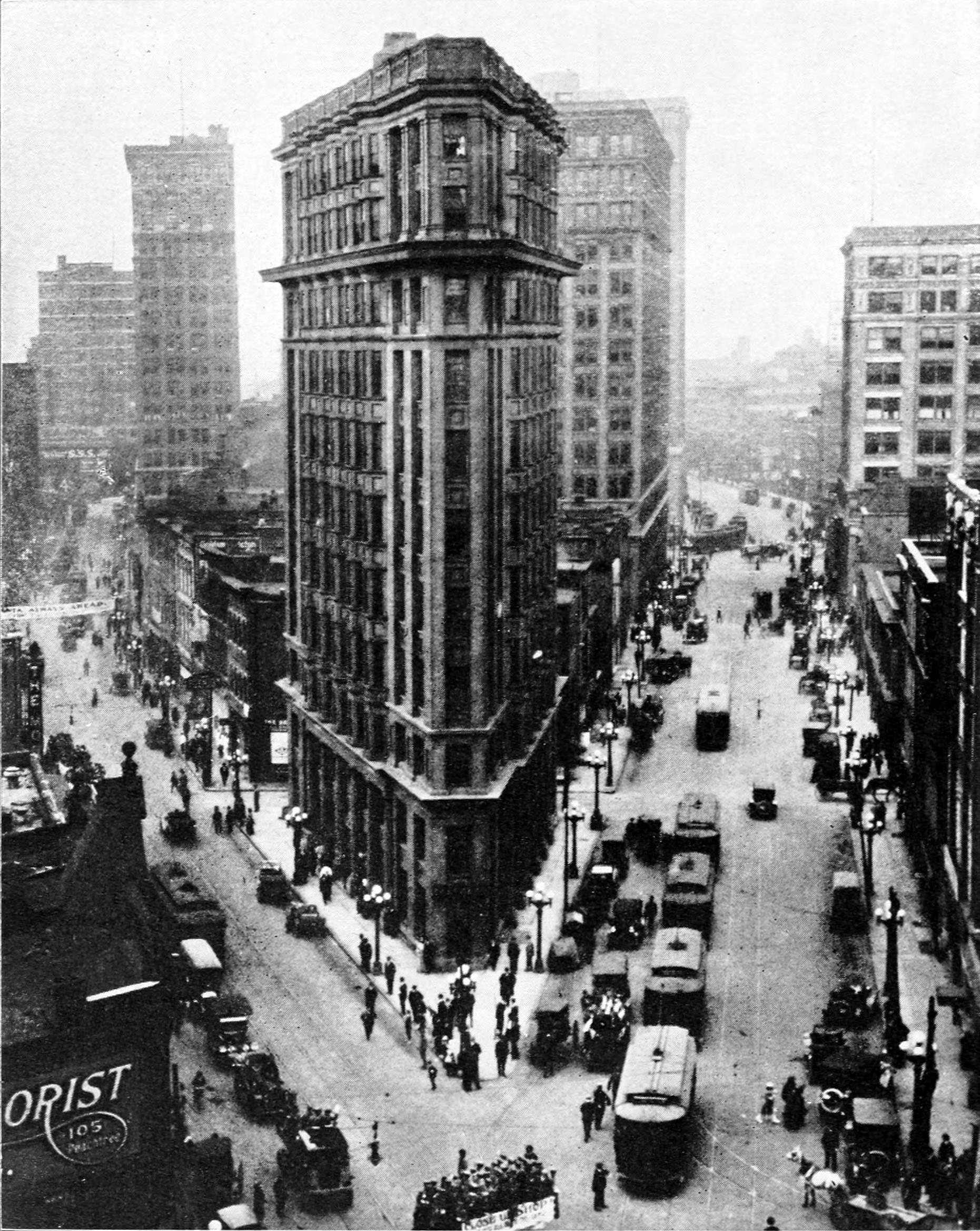
- Crum & Forster Building Façade
Alt text: Crum & Forster Building façade, a historic Atlanta landmark with Italian Renaissance Revival arches and columns - Consider interactive maps or virtual tours from local preservation groups for additional exploration.
Related Articles and Internal Links
- Top Historic Sites to Visit in Atlanta
- Guide to Midtown Atlanta Attractions
- History of Atlanta Architecture
Discover More
The Crum & Forster Building remains a defining piece of Atlanta’s architectural and commercial heritage. Its preserved façade is not only an architectural treasure but also a symbol of the city’s ongoing struggle—and success—in balancing growth with preservation. Visitors are invited to admire its beauty, reflect on its story, and support future preservation efforts.
For more Atlanta travel tips, historic site guides, and preservation updates, download the Audiala app, visit our website, and follow local organizations like the Atlanta Preservation Center. By exploring landmarks like the Crum & Forster Building, you help keep Atlanta’s unique history alive.
Listen to the full story in the app
Your Personal Curator, in Your Pocket.
Audio guides for 1,100+ cities across 96 countries. History, stories, and local insight — offline ready.
Audiala App
Available on iOS & Android
Join 50k+ Curators
Sources
- verified
- verified
- verified
- verified
- verified
Last reviewed: