Introduction: The Carnegie Building’s History and Significance
In the bustling heart of downtown Atlanta, the Carnegie Building stands as a symbol of the city’s architectural ambition and historical depth. Completed in the early 20th century, this iconic triangular structure at the intersection of Peachtree Street, Carnegie Way, and Ellis Street captures Atlanta’s rapid growth and economic transformation. The building’s blend of Beaux-Arts elegance and innovative steel-frame construction reflects the era’s technological progress and design sophistication (theclio.com).
Initially commissioned as the Wynne-Claughton Building during Atlanta’s business boom, the structure’s evolution—from a financial hub to a cherished historic site—embodies the city’s dedication to preserving its heritage while embracing urban change (kids.kiddle.co). The Carnegie Education Pavilion, formed from the marble façade of Atlanta’s first public library (funded by philanthropist Andrew Carnegie), further honors this legacy. Located in Hardy Ivy Park, the Pavilion is a testament to Atlanta’s enduring commitment to education and adaptive preservation (Sightseers Delight).
This comprehensive guide will help you navigate the Carnegie Building and its surrounding historic district, offering insights into visiting hours, tickets, travel tips, nearby attractions, and the broader architectural context. Whether you’re drawn by the building’s storied past or its striking presence in Atlanta’s urban fabric, you’ll find everything you need for a rewarding visit (Unexpected Atlanta).
Welcome to the Carnegie Building: A Historic Atlanta Landmark
Origins and Early Development
Built as the Wynne-Claughton Building at 141 Carnegie Way, construction began in 1924 and was completed the following year. Developed by the Wynne-Claughton Company, the structure’s unique triangular lot—bounded by Peachtree Street, Carnegie Way, and Ellis Street—shaped its iconic curved corners and footprint. Its location, opposite the original Carnegie Library, underscored its prominence in Atlanta’s commercial and civic life (theclio.com).
Architectural Significance
The 12-story building was designed by G. Lloyd Preacher, who incorporated Beaux-Arts limestone ornamentation with the practical features of late Commercial style. The steel-frame construction allowed for expansive windows and open interiors, making it one of the tallest and most advanced buildings in Atlanta at the time (theclio.com).
Name Changes and Identity
Originally the Wynne-Claughton Building, it became the Mortgage Guaranty Building in 1929, reflecting its primary tenants. In 1963, it was renamed the Carnegie Building to honor the adjacent library, a name that endures as its signature identity (en.wikipedia.org).
Notable Events and Preservation
The demolition of the Carnegie Library in 1977 ignited debates about preservation. The Carnegie Building’s exterior was designated a landmark in 1990 and listed on the National Register of Historic Places in 2012, cementing its place in Atlanta’s architectural legacy (sites.gsu.edu; theclio.com).
Urban and Economic Impact
The building played a crucial role in Atlanta’s rise as a business center, hosting financial and real estate firms. Today, adaptive reuse has transformed it into the Courtyard Atlanta Downtown hotel, maintaining its relevance in the city’s vibrant downtown (theclio.com).
Nearby Landmarks
The Carnegie Building is part of a rich architectural context, sitting near the Ellis Hotel (formerly the Winecoff Hotel), Flatiron Building, and the site of the original Carnegie Library (kids.kiddle.co; historyatlanta.com).
Visiting the Carnegie Building: Practical Information
Visiting Hours and Admission
Currently housing the Courtyard Atlanta Downtown hotel, the building’s public areas—including the lobby and restaurant—are open daily from 6:00 AM to 11:00 PM. No separate ticket is required to enter these spaces.
Accessibility and Guided Tours
The building is wheelchair accessible, with elevators and ramps throughout. Guided tours are periodically offered by local organizations such as the Atlanta Preservation Center; check their website or community listings for schedules.
Travel Tips
- Getting There: The Peachtree Center MARTA station is a short walk away.
- Parking: Public garages are nearby.
- Photography: The building’s limestone façade and curved corners are best photographed in the morning or late afternoon.
- Nearby Attractions: Carnegie Library site, Ellis Hotel, Peachtree Center, and Woodruff Park.
Architectural and Historical Background
Design, Construction, and Influence
The Carnegie Building exemplifies Beaux-Arts architecture, with symmetrical facades, classical ornamentation, and a technologically advanced steel-frame structure. Designed by G. Lloyd Preacher and built by the Wynne-Claughton Company, it rose to 12 stories and helped define Atlanta’s skyline (Wikipedia: Architecture of Atlanta; GravelMag: Atlanta Architecture).
Preservation and Adaptive Reuse
Despite threats from urban renewal, advocacy efforts secured the building’s preservation. Adaptive reuse projects have modernized its interiors for hotel and commercial use while keeping its historic exterior intact (GravelMag: Atlanta Architecture).
Visitor Information: Hours, Tickets, Accessibility
- Exterior Viewing: Available any time from Peachtree Street.
- Interior Access: Primarily for hotel guests or during special events/tours.
- Guided Tours: Offered by local tour operators (Unexpected Atlanta).
- Accessibility: ADA-compliant common areas; check with tour providers for specific needs.
Architectural Details for Visitors
- Exterior: Symmetrical limestone design, classical ornamentation, and a grand entrance.
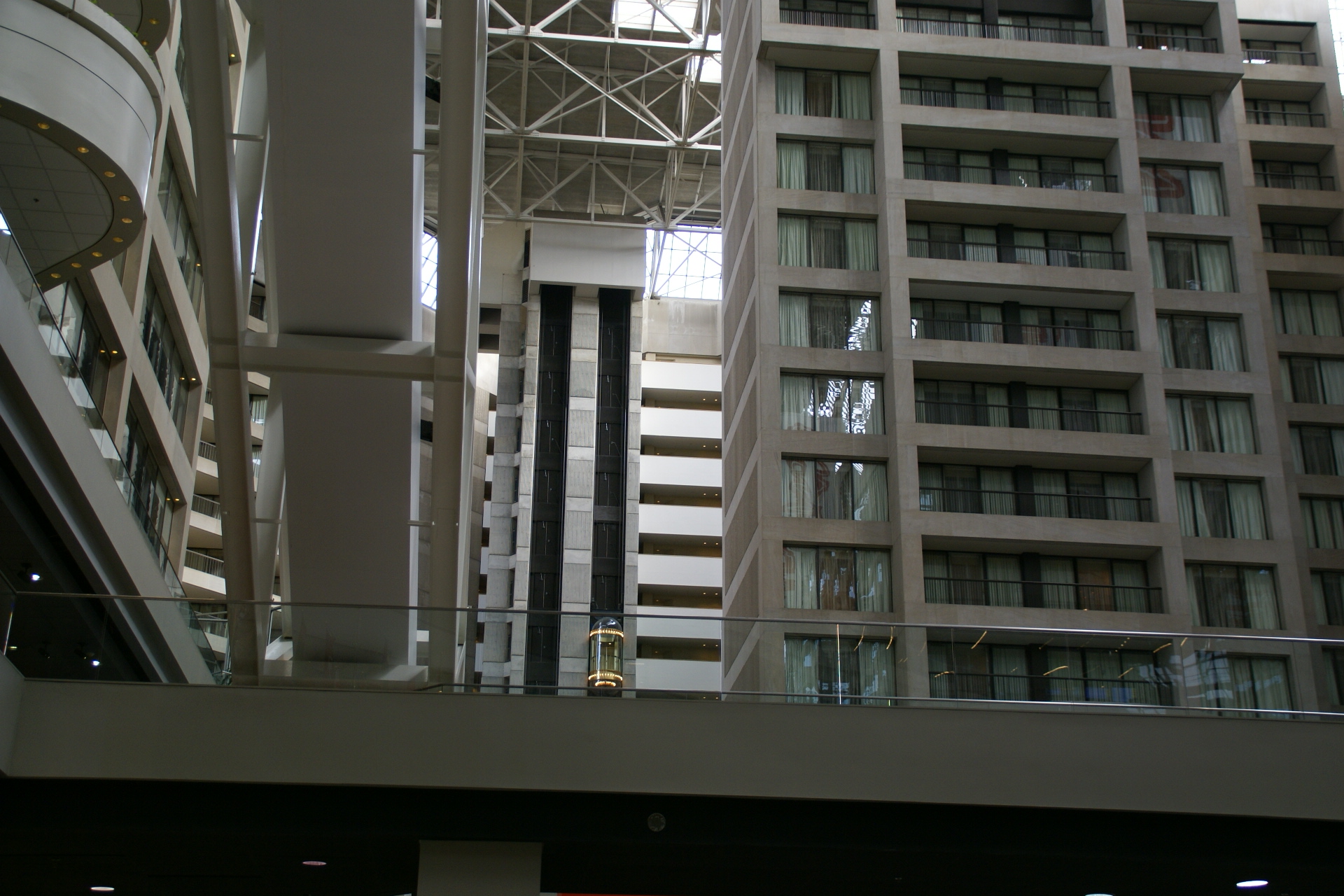
- Interior: High-ceilinged lobbies with marble finishes and historic elevator cabs (where preserved).
Comparative Analysis: Other Atlanta Landmarks
Notable nearby examples include the Flatiron Building (1897), Candler Building (1906), and Rhodes Hall (1904), each reflecting a different facet of Atlanta’s architectural evolution (Wikipedia: Architecture of Atlanta; GravelMag: Atlanta Architecture).
Visitor Tips
- Best Viewing: Morning or late afternoon for optimal light.
- Photography: Wide-angle lenses recommended.
- Tours: Book in advance for guided explorations.
- Combine Visits: Explore other Peachtree Street landmarks.
FAQ: Visiting the Carnegie Building
Q: What are the building’s visiting hours?
A: Public areas are open daily from 6:00 AM to 11:00 PM.
Q: Is an entry ticket required?
A: No, unless you join a guided tour.
Q: Is the building wheelchair accessible?
A: Yes, with elevators and ramps.
Q: Are guided tours available?
A: Offered occasionally by local historical organizations.
Q: Can I photograph the building?
A: Yes, in public areas. Please respect hotel guests.
The Carnegie Education Pavilion: Hours, History, and Visitor Guide
History and Adaptive Reuse
The Carnegie Education Pavilion was created from the salvaged marble facade of Atlanta’s first public library, built in 1902 and funded by Andrew Carnegie. After the library’s demolition in 1977, the facade was repurposed and installed in Hardy Ivy Park in 1996, preserving this piece of Atlanta’s educational and architectural heritage (Sightseers Delight).
Visiting Hours, Location, and Accessibility
- Open: 24/7, year-round
- Admission: Free
- Location: Hardy Ivy Park, Peachtree St NE & Baker St NE, Atlanta, GA 30308
- Accessibility: Paved, wheelchair-friendly walkways; 5-minute walk from Peachtree Center MARTA station.
Events, Guided Tours, and Photo Spots
Though not a formal event venue, the Pavilion occasionally hosts community gatherings and is featured on architectural walking tours. It is a popular spot for photography, especially during golden hour and in spring or fall.
Visitor Experience, Amenities, and Safety
The Pavilion offers a tranquil, open-air setting with interpretive plaques. There are no on-site restrooms or vendors, but downtown amenities are close by. The area is generally safe during daylight hours.
Preservation and Urban Integration
The Pavilion is a powerful example of adaptive reuse, connecting Atlanta’s present with its educational and architectural past.
Summary & Travel Tips
The Carnegie Building and Carnegie Education Pavilion are essential stops for anyone interested in Atlanta’s architecture and history. From the building’s innovative design and adaptive reuse as a downtown hotel to the Pavilion’s preservation of the original library’s marble facade, both sites highlight Atlanta’s commitment to honoring its heritage.
Travel Tips:
- Explore the surrounding Fairlie-Poplar Historic District for a walkable experience.
- Check local tour schedules for guided history or architecture walks.
- Visit during the morning or late afternoon for the best photos.
- Use MARTA or the Atlanta Streetcar for easy access.
- Combine your visit with nearby attractions like Centennial Olympic Park, the Flatiron Building, and the Atlanta History Center.
For up-to-date information, guided tour options, and curated itineraries, download the Audiala app and follow our social media channels.
Listen to the full story in the app
Your Personal Curator, in Your Pocket.
Audio guides for 1,100+ cities across 96 countries. History, stories, and local insight — offline ready.
Audiala App
Available on iOS & Android
Join 50k+ Curators
Sources
- verified
- verified
- verified
- verified
- verified
- verified
- verified
Last reviewed: