
Early Foundations: Atlanta’s First Union Station (1853–1864)
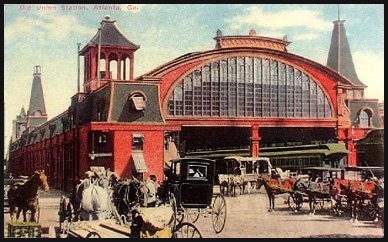
Atlanta’s transportation prominence began with its first Union Station in 1853, strategically positioned at the intersection of major rail lines. This hub facilitated commerce and migration, cementing Atlanta’s role as a gateway to the South. The original structure was lost in 1864 when General Sherman ordered its destruction during the Civil War (Yesterday’s America).
Postwar Recovery and the Second Union Station (1871–1930)
Rebuilt in 1871, the second Union Station—often referred to as Union Depot—supported Atlanta’s rapid postwar growth. It reinforced the city’s identity as the “Gate City.” However, by 1930, the facility was outdated and subsequently demolished (Yesterday’s America).
The Third and Final Union Station (1930–1971)
The third Union Station, completed in 1930, featured Beaux-Arts architecture and modern amenities. It became a central hub for iconic rail routes, including the Nancy Hanks, linking Atlanta with key destinations (Yesterday’s America).
Decline and Demolition
With the rise of automobiles and air travel in the mid-20th century, passenger rail traffic dwindled. Union Station closed in 1971 and was demolished soon thereafter, effectively ending an era in Atlanta’s transportation history (Yesterday’s America; Towns and Nature).
Legacy and Surviving Heritage
While the original Union Stations are gone, Atlanta’s railway legacy is preserved through active sites and museums:
- Peachtree Station The city’s sole active passenger rail station, serving Amtrak’s Crescent line.
- Southeastern Railway Museum Georgia’s official transportation museum, featuring extensive exhibits and restored railcars.
Visiting Peachtree Station
- Address 1688 Peachtree St NW, Atlanta, GA 30309
- Hours Open daily, aligned with Amtrak Crescent train schedules. Confirm current hours on the Amtrak website.
- Tickets Purchase online, via the Amtrak app, or at the station.
- Accessibility The station is wheelchair accessible and offers traveler amenities.
Southeastern Railway Museum
- Address 3595 Buford Highway, Duluth, GA 30096
- Hours Tuesday–Saturday, 10 AM–5 PM; Sunday, 12 PM–5 PM; closed Mondays.
- Tickets Buy at the museum or online via the official site.
- Accessibility Fully accessible for wheelchair users.
Nearby Historical Sites and Tours
- Martin Luther King Jr. National Historical Park Explore the life and legacy of Dr. King.
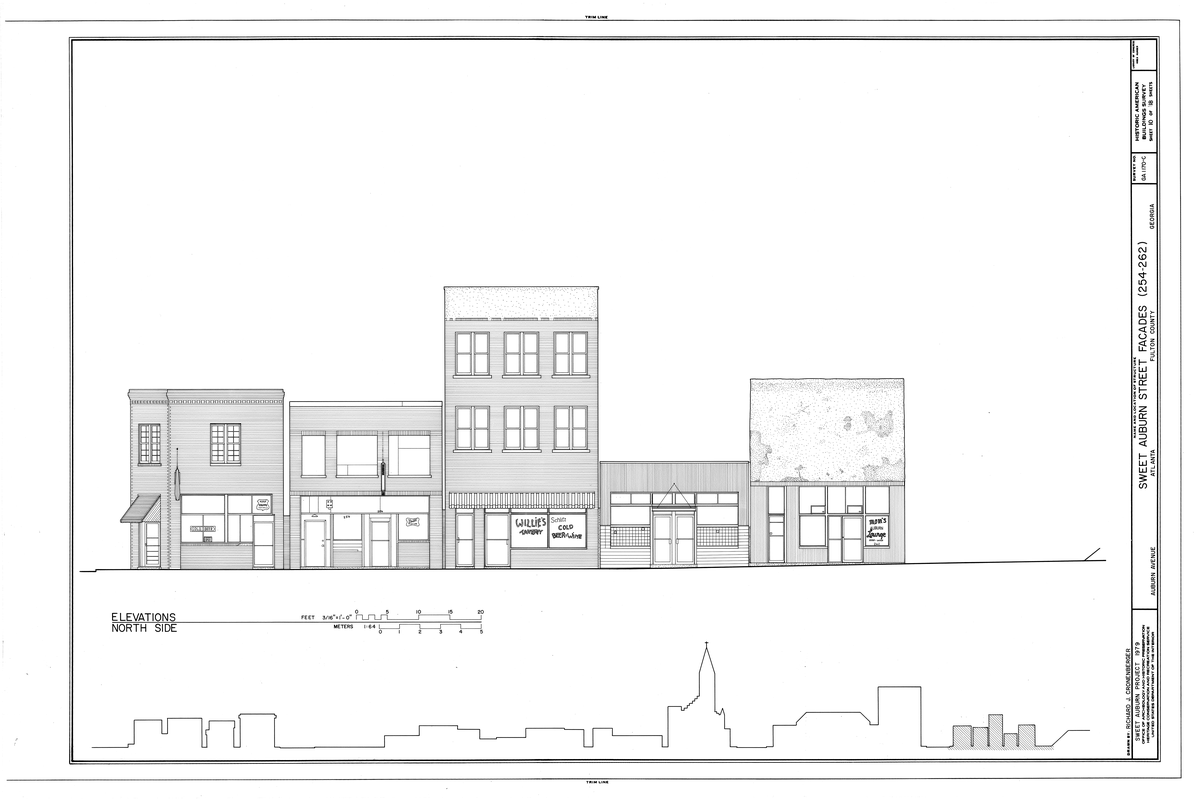
- Sweet Auburn Historic District Renowned for its African American heritage.
- CNN Center, Georgia State Capitol, National Center for Civil and Human Rights All within easy reach of Five Points and Peachtree Station.
Self-guided and guided walking tours of downtown Atlanta often highlight key transportation and civil rights landmarks.
Atlanta Union Station: Architecture, Legacy, and Urban Impact
Atlanta Union Station’s architectural evolution mirrored the city’s growth—from its humble 1853 beginnings to the grand Beaux-Arts structure of 1930. The station became a powerful symbol of Atlanta’s commercial and cultural ascent, transforming the Five Points neighborhood into a bustling urban center (Worldly Known). Although demolished in 1972 for MARTA expansion, its influence endures. The station’s demolition spurred a preservation movement and reshaped the city’s approach to architectural heritage.
Today, the Five Points MARTA station occupies the historic site, continuing the tradition of connecting Atlanta’s communities. The area is marked by multicultural vibrancy and is home to diverse populations, reflected in local cuisine, events, and public art (Worldly Known).
Visiting Atlanta Union Station Site: Location, Hours, and Tips
Location and Site Details
- Location Between Spring Street and Forsyth Street, immediately west of Five Points MARTA station (Atlanta Union Station history).
- Current State No original structures remain. The area consists of modern infrastructure, including the Five Points MARTA station and commercial buildings.
- Access The site is publicly accessible at all times.
Practical Information
- No Admission Fees The site is part of downtown Atlanta’s urban landscape.
- Getting There Easily accessible via MARTA, Atlanta’s rapid transit system.
- Nearby Parking Public lots and garages are available but can be limited.
What to Expect
No visible remains exist, but the Five Points area is a hub for exploring Atlanta’s history. For a deeper dive into the city’s railroad past, visit the Atlanta History Center or Southeastern Railway Museum.
Safety and Accessibility
- Accessibility Sidewalks, crosswalks, and transit options make downtown accessible.
- Safety Visit during daylight for the best experience; always be mindful of urban surroundings.
FAQ
Can I visit the original Atlanta Union Station?
No. The original station was demolished in 1972, but the site is open to the public as part of downtown Atlanta.
Are there tours of the Union Station site?
No official tours focus solely on the site, but many self-guided and guided tours of downtown Atlanta include it.
Where can I buy Amtrak tickets in Atlanta?
Purchase tickets at Peachtree Station, online, or via the Amtrak app.
What are the visiting hours for Peachtree Station and the Southeastern Railway Museum?
Peachtree Station hours align with train schedules (Amtrak Peachtree Station Information). The Southeastern Railway Museum is open Tuesday–Sunday; check their official site for details.
Are there historic markers at the site?
No dedicated markers exist, but archival materials can be found at the Atlanta History Center.
Travel Tips for Visitors
- Check hours and ticket availability in advance for Peachtree Station and the Southeastern Railway Museum.
- Use MARTA to avoid parking hassles and experience Atlanta’s public transit.
- Bring a camera for photos of downtown, street art, and historic landmarks.
- Combine visits to multiple sites for a full rail heritage experience.
- Look for special events at the museum and downtown cultural centers.