Origins and Early Development
Built during Atlanta’s rapid expansion, the Biltmore complex opened in 1924 at 817 West Peachtree Street NW. The project was spearheaded by the Bowman-Biltmore Hotels Corporation and executed by Schultze and Weaver, who were known for luxury hotel designs across the U.S. The Biltmore consisted of an 11-story hotel and a 10-story apartment building, offering an innovative "city within a city" model that attracted both transient guests and long-term residents. Lavish amenities and elegant design established the Biltmore as a destination for Atlanta’s elite (Atlanta Preservation Center, Georgia Trust for Historic Preservation).
Architectural Significance
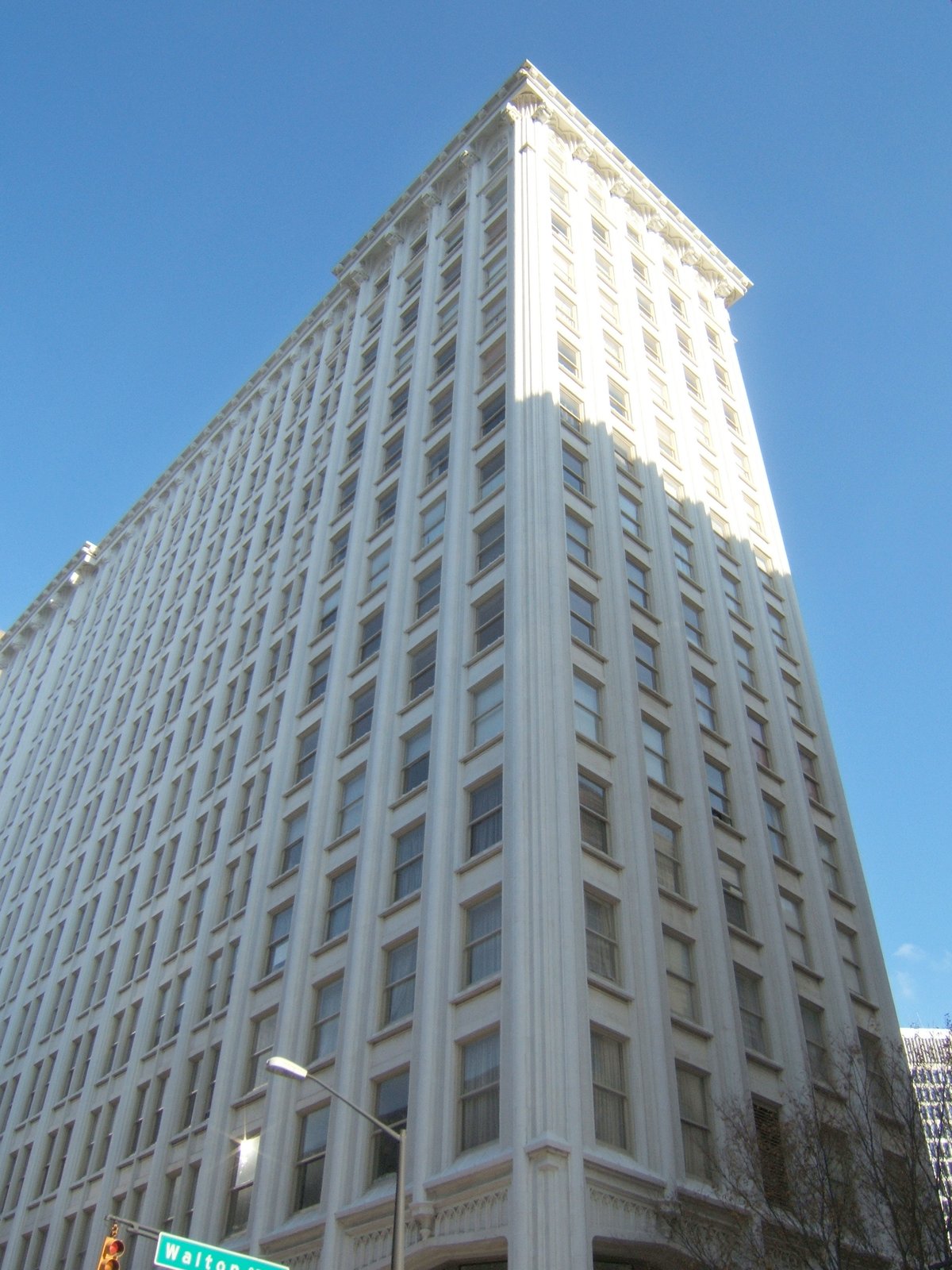
The Biltmore is a masterwork of Beaux-Arts and Italian Renaissance Revival architecture. Its symmetrical façade features limestone and brick, ornate terra cotta, and a signature red tile roof. Inside, the ballrooms and public spaces dazzle with marble columns, intricate plaster ceilings, and crystal chandeliers. The twin radio towers added in 1925—once used by WSB Radio—became Midtown landmarks, symbolizing Atlanta’s embrace of innovation (Atlanta History Center, WSB Radio History).
Social and Cultural Impact
From its opening, the Biltmore was the setting for Atlanta’s most prestigious social events. The Georgian and Imperial Ballrooms hosted galas, charity balls, and civic gatherings. WSB Radio’s broadcasts from the rooftop towers made the hotel a communications hub. During World War II, the Biltmore supported the war effort with USO functions. The guest lists over the decades included presidents, celebrities, and business leaders, embedding the Biltmore deeply into the city’s cultural fabric.
Decline, Preservation, and Adaptive Reuse
After World War II, changing travel patterns and suburbanization led to the Biltmore’s gradual decline. By 1982, the hotel closed, and the building faced deterioration and potential demolition. Preservationists, however, rallied to save the Biltmore; it was listed on the National Register of Historic Places in 1978 (National Park Service). In the late 1990s, Novare Group led a major restoration, converting the hotel into premier event venues (the Biltmore Ballrooms) and transforming the apartments into luxury offices and condominiums, while retaining the building’s historic grandeur (Atlanta Business Chronicle).
Today, the Biltmore Ballrooms are among Atlanta’s most sought-after event venues, celebrated for their vintage elegance and restored details.
Visiting the Atlanta Biltmore: Practical Information
Hours, Tickets, and Booking
- Visiting Hours The Biltmore Ballrooms and public areas are accessible during scheduled events and by appointment. There is no daily public walk-in access.
- Tickets Admission is included with event tickets. For guided tours, advance booking is required and fees vary by tour or event.
- Booking Contact the Biltmore Ballrooms office or local preservation groups to inquire about event schedules and tour availability.
Accessibility
- The Biltmore is ADA-compliant with ramps and elevators serving public spaces.
- Visitors with specific needs should contact the venue ahead of time to ensure accommodations.
Tips for Visitors
- Plan Ahead Public access is limited. Book tours or event tickets in advance.
- Dress Code Formal or semi-formal attire is often required for events.
- Transportation The building is accessible via Midtown MARTA station and is close to major bus lines. Paid parking is available nearby, but public transit or rideshare is recommended during busy periods.
Exploring the Biltmore Apartments (Biltmore House Condominiums)
Originally part of the hotel complex, the Biltmore Apartments are now private residences known as Biltmore House Condominiums (30 5th Street NW). The building is a prime example of early 20th-century urban residential architecture, showcasing neo-Georgian features such as red brick, limestone pilasters, and Renaissance-inspired ornamentation. As a private property, interior access is not available to the public, but the exterior and grounds can be viewed at any time (Biltmore House official history page).
- Tours No official public tours of the interior.
- Photography Permitted from public areas; the façade and landscaped courtyards are popular photo spots.
- Location Midtown Atlanta, with easy access via MARTA and bus lines.
Nearby Attractions
Enhance your visit by exploring Midtown’s other cultural and historic sites:
- Fox Theatre Famed for its Moorish design and live performances (Fox Theatre Atlanta).
- High Museum of Art The city’s premier art museum (High Museum of Art).
- Piedmont Park Atlanta’s largest urban park, ideal for strolls and photography (Piedmont Park).
- Georgia Institute of Technology Nearby campus and Tech Square innovation district.
Midtown also offers a wide range of dining and lodging options, including Loews Atlanta Hotel and Hyatt Centric Midtown Atlanta.
Frequently Asked Questions (FAQ)
Q: What are the visiting hours for the Atlanta Biltmore?
A: Public access is available during scheduled events or by appointment. Contact the Biltmore Ballrooms for the latest schedule.
Q: Are guided tours available?
A: Yes, but by appointment only. Advance booking is essential.
Q: Do I need tickets to visit?
A: Event access requires tickets. Guided tours may have a fee; check with the venue.
Q: Is the site wheelchair accessible?
A: Yes, ADA-compliant ramps and elevators are available.
Q: Can I go inside the Biltmore Apartments?
A: No, the apartments are private residences.
Q: Is photography allowed?
A: Street-level and exterior photography is allowed. Interior photography requires event attendance or permission.