Introduction
The first surprise in Atlanta is how the city sounds: cicadas in tree-heavy neighborhoods, bass from a passing car, then the hiss of espresso and bike tires along the BeltLine. In Atlanta, United States, Civil Rights landmarks sit minutes from sleek cocktail bars, and a 6.3-million-gallon aquarium tank is a short walk from church pews that changed American history. It’s a city of reinvention that never quite erases what came before.
Atlanta can feel sprawling on a map, but it reveals itself in corridors: Auburn Avenue for memory, Buford Highway for appetite, the Eastside BeltLine for people-watching. Spend a morning at the Martin Luther King Jr. National Historical Park, then stand in a crowded food stall tasting Malaysian roti or hand-pulled noodles by evening. That jump is the point—Atlanta’s identity is built from contrast, not polish.
The city’s cultural gravity is unmistakably Black, and you understand Atlanta better when you follow that truth: Sweet Auburn’s history, West End’s HBCU legacy, the hip-hop lineage from Dungeon Family to Future, and festivals like ONE Musicfest that feel less like programming and more like homecoming. Even the headline attractions tell this layered story—Centennial Olympic Park’s civic optimism, the National Center for Civil and Human Rights’ visceral sit-in simulation, and Stone Mountain’s unresolved Confederate monument politics.
Come hungry and curious. Eat lemon-pepper wings, argue about brisket at Fox Bros., queue early at Heirloom Market BBQ, and let a full day disappear on Buford Highway or at DeKalb International Farmers Market’s cavernous aisles. Atlanta rewards visitors who linger long enough to see past the skyline: the old rail lines becoming public life, the old neighborhoods shaping new ones, and a city still deciding—loudly, creatively—what the future should sound like.
Places to Visit
The Most Interesting Places in Atlanta
Georgia Aquarium
The Georgia Aquarium in Atlanta, Georgia, stands as one of the most impressive and expansive aquariums in the world, offering a unique blend of entertainment,…
Atlanta Botanical Garden
Discover the Hardin Visitor Center, a pivotal landmark nestled in the heart of Atlanta, Georgia, that beautifully melds modern architecture with the rich…
World of Coca-Cola
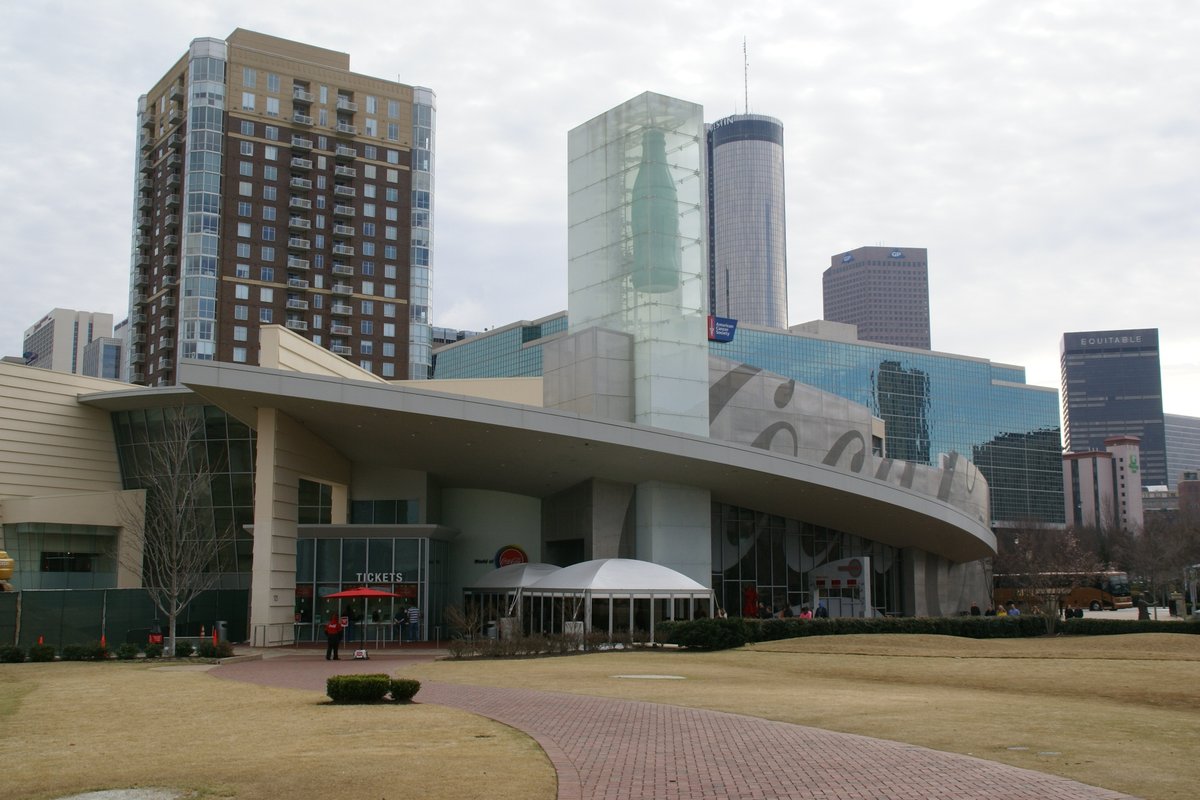
Visiting the World of Coca-Cola in Atlanta, Georgia, offers a unique and immersive experience into the history and global impact of one of the world's most…
Bank of America Plaza
Bank of America Plaza in Atlanta stands not only as a towering architectural marvel but also as a symbol of the city's economic growth, cultural identity, and…
Pemberton Place
Welcome to Pemberton Place, a dynamic and culturally rich destination located in downtown Atlanta, Georgia.
Martin Luther King Jr. National Historical Park
The Martin Luther King, Jr.
Six Flags Over Georgia
Six Flags Over Georgia, located in Austell, Georgia, is not merely an amusement park; it stands as a historical and cultural landmark that has been…
High Museum of Art
The High Museum of Art in Atlanta, Georgia, stands as a beacon of artistic excellence and cultural enrichment.
Grant Park
Discover the rich history and vibrant present of Grant Park, one of Atlanta's most beloved green spaces.
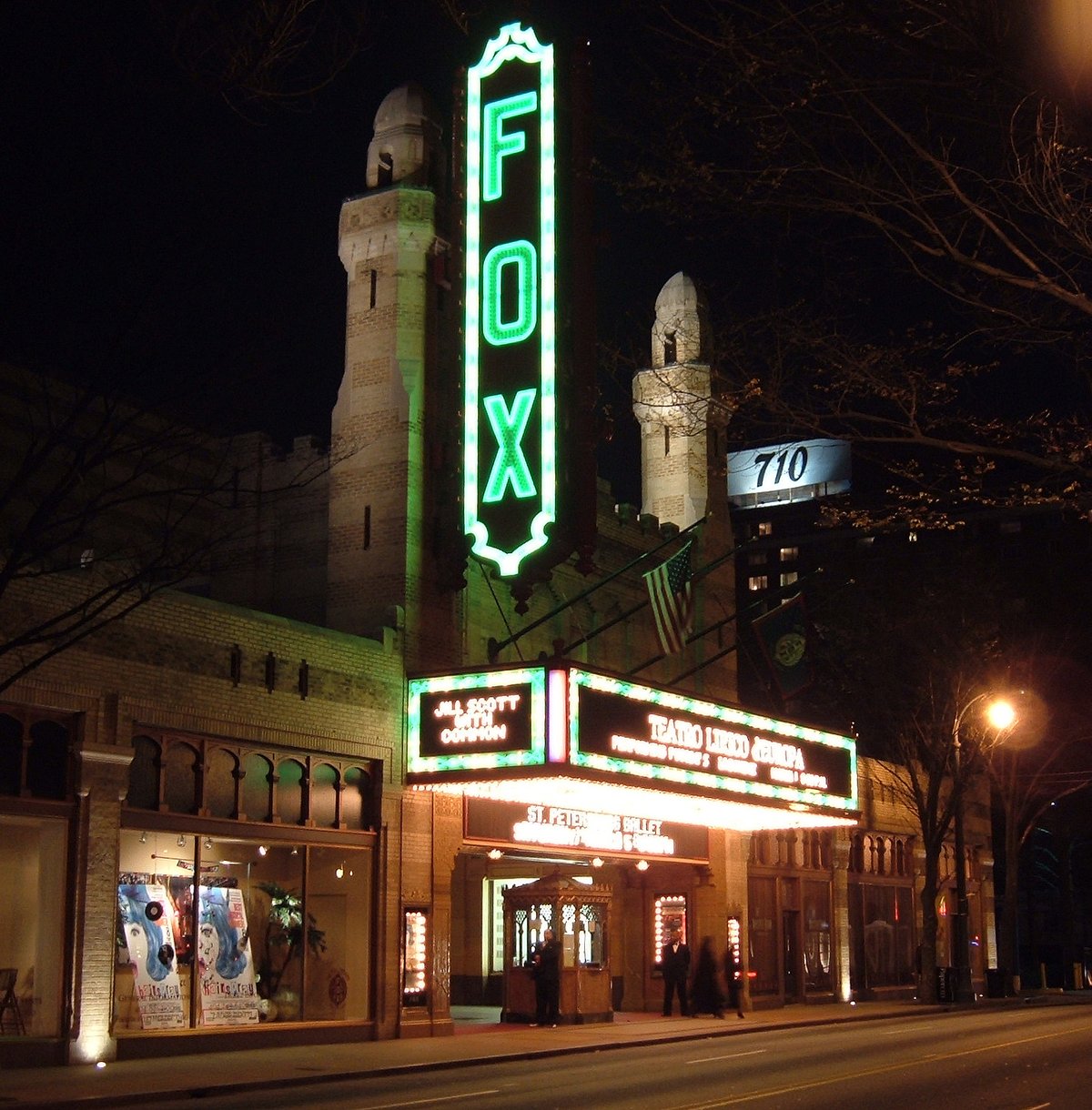
Fox Theatre
The Fox Theatre in Atlanta stands as a beacon of cultural heritage, architectural grandeur, and vibrant entertainment, making it an essential destination for…
Historic Fourth Ward Park
Historic Fourth Ward Park, a vibrant green oasis in the heart of Atlanta, is a shining example of urban renewal and community revitalization.
The Temple
Visiting The Temple in Atlanta offers a unique and enriching experience that intertwines architectural grandeur, deep-rooted history, and a profound…
What Makes This City Special
The Capital of Civil Rights Memory
Atlanta’s emotional center is Sweet Auburn: Martin Luther King Jr. National Historical Park, Ebenezer Baptist Church, and The King Center, where Dr. King and Coretta Scott King are buried beside an eternal flame. Pair it with the National Center for Civil and Human Rights, whose lunch-counter sit-in simulation makes history feel physically immediate.
A City Rewired by the BeltLine
The Atlanta BeltLine turned old rail corridors into a 22-mile loop of trails, parks, and public art, with the Eastside Trail as the city’s social runway from Ponce City Market to Krog Street Market. You feel Atlanta’s future here: murals, food halls, stroller traffic, cyclists, and neighborhoods that now speak to each other.
Big-Sky Architecture, Strange and Glorious
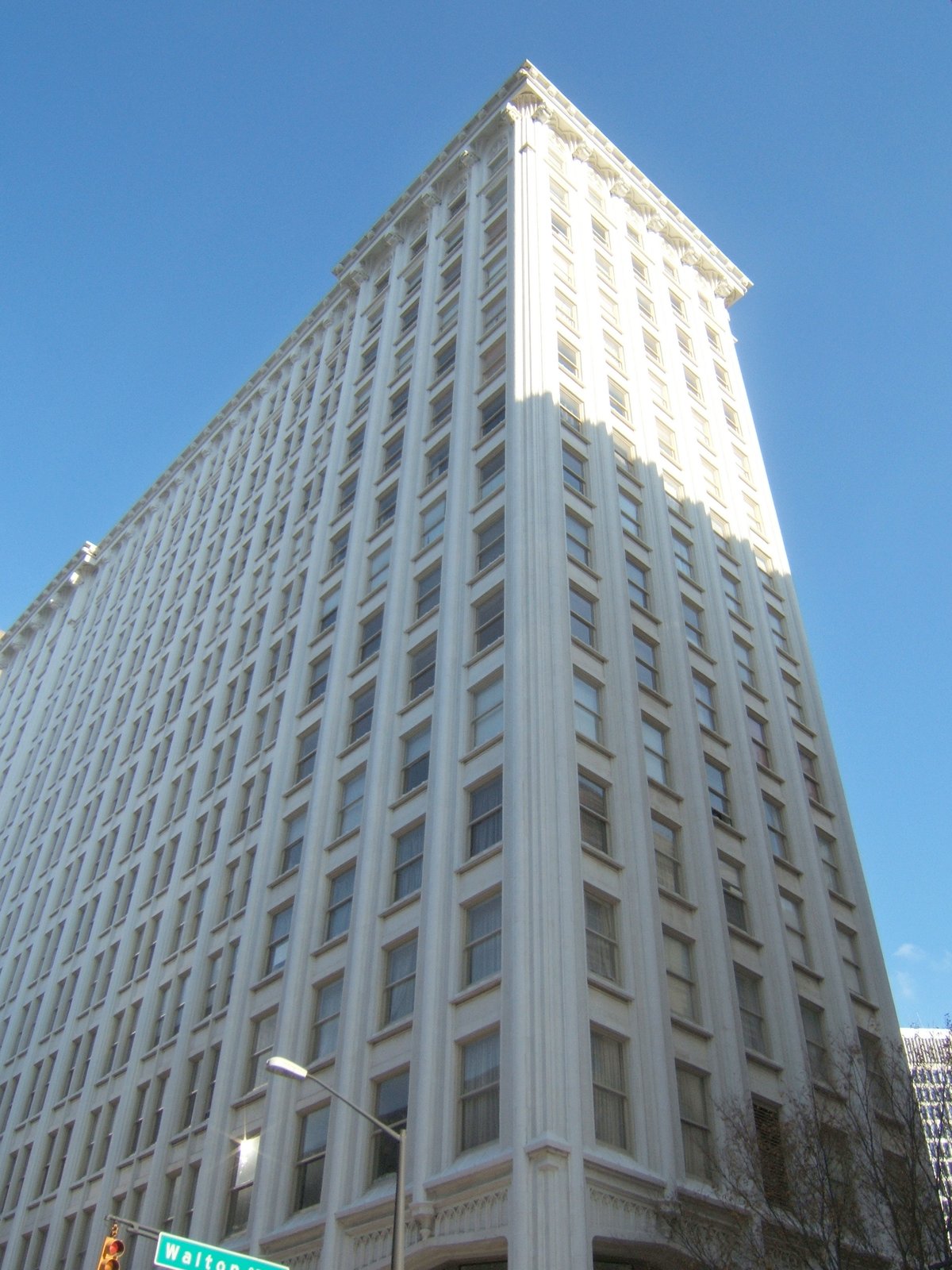
Atlanta’s skyline mixes neo-Gothic ambition and theatrical eccentricity: One Atlantic Center’s granite spires, the 1897 Flatiron, and the Fox Theatre’s faux-night-sky ceiling with drifting clouds. Even the sports architecture is dramatic—Mercedes-Benz Stadium’s retractable roof opens like a camera aperture.
Wild Geology at the City’s Edge
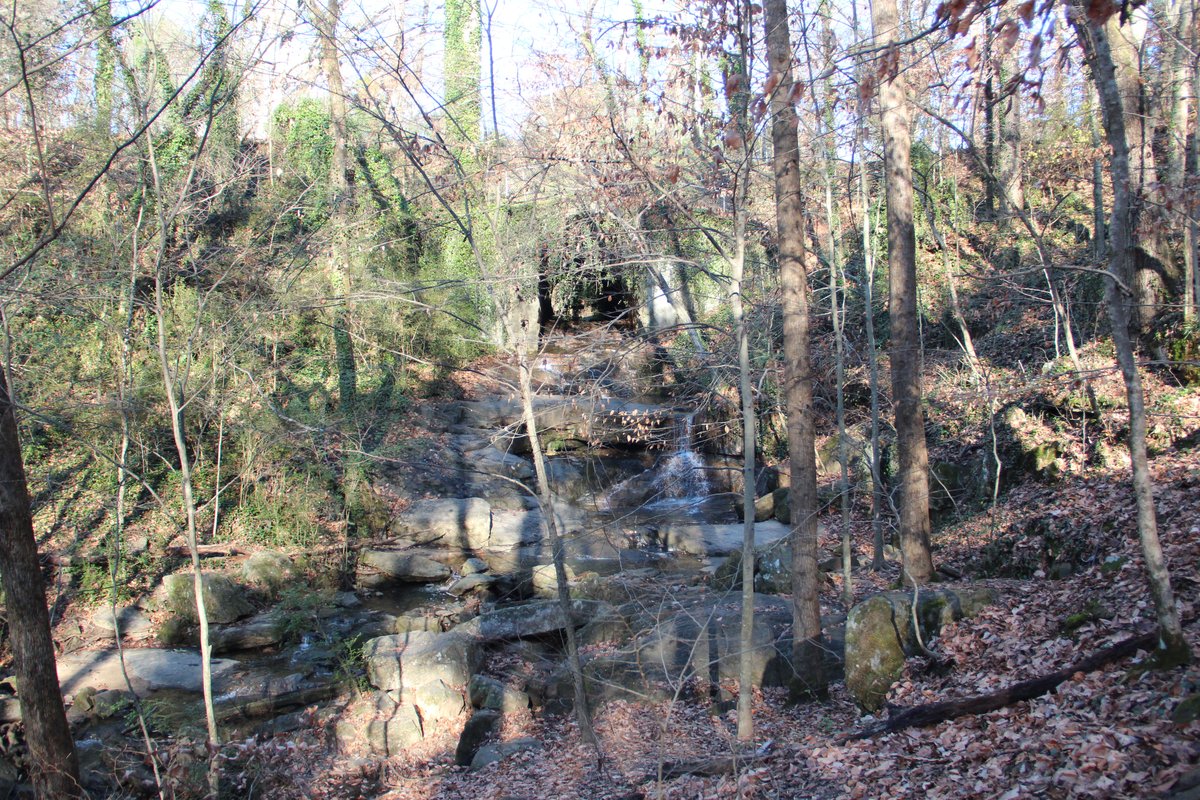
Beyond downtown, Atlanta opens into granite domes, old-growth forest, and river corridors: Arabia Mountain’s rare rock-top ecosystem, Sweetwater Creek’s mill ruins and rapids, and Chattahoochee River trails. It’s one of the few U.S. metros where you can do world-class museums in the morning and rugged hiking by afternoon.
Historical Timeline
From Railroad Stake to Global Stage
Atlanta was invented by steel tracks, remade by fire, and argued into the future by people who refused to stay quiet.
First Peoples on the Piedmont
Long before there was a skyline, Paleo-Indian hunters moved through the ridges and creeks of what is now Atlanta, leaving stone points in Fulton and DeKalb. The land offered water, game, and high ground, and people kept returning to it for millennia. Atlanta's story begins as an Indigenous landscape, not an empty frontier.
Mississippian Worlds Flourish Nearby
Regional power centered at places like Etowah, where mound-building societies organized trade, ceremony, and political life across north Georgia. The future Atlanta area sat inside this cultural orbit, linked by paths and river corridors. Even today, the old routes echo in modern roads.
Creek Lands Are Forced Open
After treaty pressure and military defeat, Creek nations ceded most remaining piedmont land in Georgia. State land lotteries then transferred that land to white settlers, turning dispossession into policy. The legal groundwork for Atlanta's founding was built on that rupture.
Zero Milepost Marks Terminus
Surveyor Stephen Harriman Long drove a stake into red clay near today's Five Points, creating the zero milepost of the Western and Atlantic Railroad. Around that marker, tents, shacks, and supply yards appeared almost immediately. Atlanta was born as a logistics idea before it became a city.
Marthasville Becomes Atlanta
The town adopted the name Atlanta and incorporated on December 29, tying its identity to the Western and Atlantic line. Rail connections to Augusta, Macon, and West Point soon made it the key transfer node in the Deep South. Coal smoke, whistles, and freight ledgers defined daily life.
Sherman Takes and Burns the City
After months of brutal campaigning, Union forces captured Atlanta on September 2, and Sherman later ordered destruction of military and industrial assets before marching to the sea. Ammunition trains exploded, warehouses ignited, and roughly 40 percent of the city was destroyed. The fall of Atlanta also helped secure Lincoln's re-election and altered the war's political endgame.
Atlanta Becomes State Capital
During Reconstruction, Georgia shifted its capital from Milledgeville to Atlanta, signaling where power and commerce now lived. Freedpeople had already made the city a major Black community, and new institutions rose amid the ruins. The capital move locked Atlanta's political future to its rail and business growth.
Spelman Opens Its Doors
Founded in the basement of Friendship Baptist Church, what became Spelman College began educating Black women in a city still sorting out the meaning of freedom. It joined a growing cluster of Black higher education institutions that would define Atlanta's intellectual life. Classrooms here became engines of leadership across the South.
Pemberton Mixes Coca-Cola
Dr. John Stith Pemberton, an Atlanta pharmacist, created Coca-Cola and sold it at Jacob's Pharmacy for five cents a glass. What began as a local tonic became the city's most famous global export. Atlanta's business mythology has tasted like syrup and carbonation ever since.
Gold Dome Crowns the Capitol
Georgia's new State Capitol was completed with its gold-leaf dome catching sunlight above downtown. The building projected stability, ambition, and state authority after decades of war and upheaval. It remains one of the clearest symbols of Atlanta's postwar reinvention.
Exposition Puts Atlanta on Display
The Cotton States and International Exposition drew huge crowds and staged Atlanta as the capital of a modernizing South. Booker T. Washington delivered his Atlanta Compromise speech there, igniting national debate over Black political rights and economic strategy. The fair mixed spectacle, boosterism, and hard racial limits in one place.
Margaret Mitchell's Atlanta Lens
Born in Atlanta, Margaret Mitchell absorbed family memories of war, defeat, and social reinvention that later shaped Gone with the Wind. Her fiction turned local streets and legends into global myth, for better and worse. Few writers have stamped Atlanta's image onto world culture as forcefully.
Race Massacre Shatters Sweet Auburn
White mobs rampaged through Black neighborhoods after sensational false reporting, killing at least 25 to 40 Black Atlantans and likely more. Businesses were smashed, families fled, and trust in civic order collapsed. The violence exposed how fragile Atlanta's 'progress' was under Jim Crow.
Martin Luther King Jr. Is Born
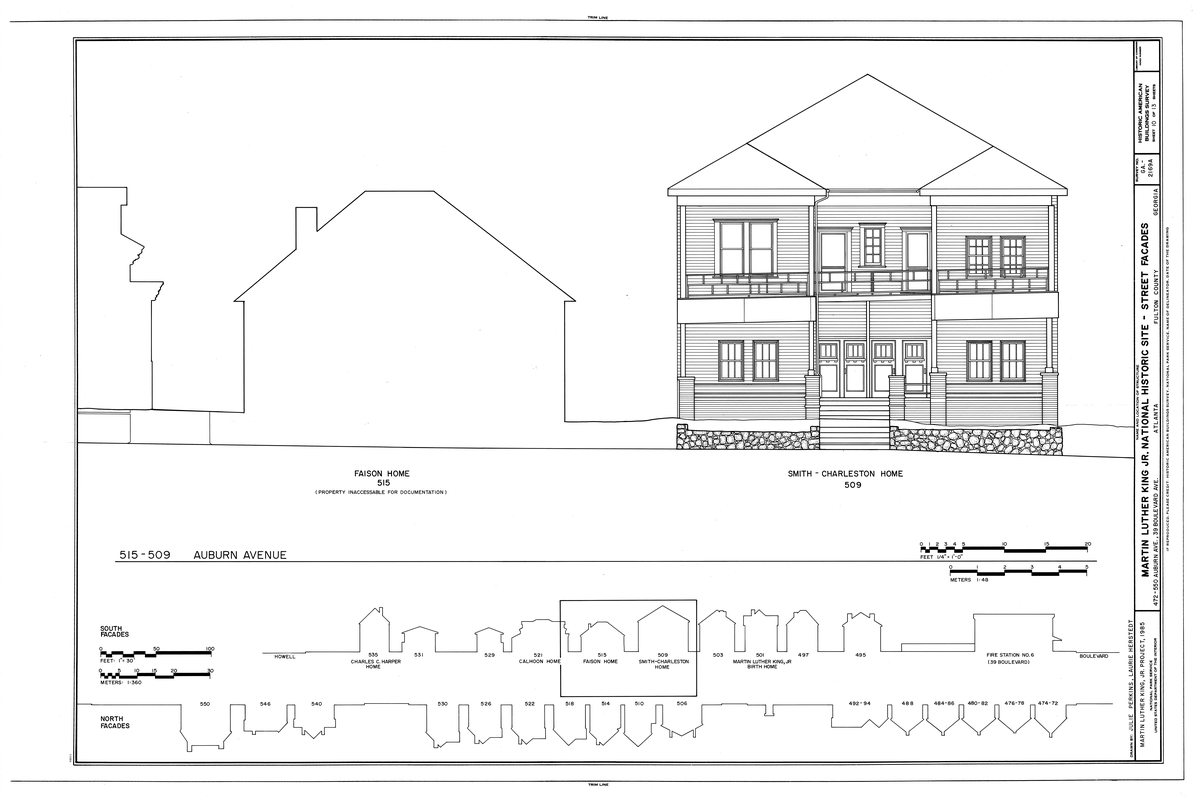
King was born at 501 Auburn Avenue into the church and business world of Sweet Auburn. Atlanta's Black institutions, from Ebenezer Baptist Church to local colleges, formed the moral and intellectual soil of his leadership. His later global voice was rooted in this neighborhood grid.
Fox Theatre Opens in Glitter
The Fox opened on Christmas Day with a fantastical Moorish-Egyptian interior, starry ceiling effects, and almost 4,700 seats. In a city of rail depots and warehouses, it felt like entering a jeweled dream. The building survived demolition threats and became one of Atlanta's most beloved stages.
Schools Desegregate Without Troops
Atlanta public schools desegregated on January 10 under tense but controlled conditions, avoiding the open violence seen in some Southern cities. The calm was negotiated, not accidental, shaped by student activism and back-channel city leadership. It marked a civic turning point from rigid segregation toward contested integration.
King Wins Nobel, City Confronts Itself
When Martin Luther King Jr. received the Nobel Peace Prize, Atlanta celebrated with an integrated civic dinner that would have been unthinkable a few years earlier. The event symbolized both pride and pressure: the hometown of nonviolence had to live up to its own rhetoric. International recognition forced local reckoning.
Mule-Drawn Funeral Through Downtown
After King's assassination, more than 150,000 mourners followed his coffin through Atlanta streets in a procession both solemn and defiant. The sound was feet, hymns, and wagon wheels, not speeches. The city became a global stage of grief and resolve in one afternoon.
Maynard Jackson Wins City Hall
Maynard Jackson became the first Black mayor of a major Southern city and rewrote Atlanta's political contract. He tied airport expansion contracts to minority business participation, turning policy into lasting economic leverage. The skyline changed, but so did who got paid to build it.
Airport Opens Giant Midfield Terminal
Hartsfield's new midfield terminal, linked by underground trains, opened at a scale few cities imagined. Passenger flow became Atlanta's defining infrastructure, with the city learning to think in connections rather than borders. The airport would soon claim the world's busiest title.
CNN Starts 24-Hour News
Ted Turner's CNN launched in Atlanta and changed how the planet experiences crisis, war, and elections: live, continuous, immediate. A Southern railroad city suddenly sat inside global media circuits. The control room glow became part of Atlanta's modern identity.
Atlanta Wins the Olympic Bid
On September 18 in Tokyo, Atlanta beat favored Athens for the 1996 Summer Games, shocking much of the international press. The bid fused business diplomacy, civil rights symbolism, and hard infrastructure promises. The city had just announced itself as a global host.
Olympics and Bombing, Same Summer
The Centennial Olympics brought 197 nations, Muhammad Ali lighting the cauldron, and an unforgettable burst of global attention. Then a bomb in Centennial Olympic Park killed 2 people and injured 111, cracking the celebratory mood. Atlanta learned how triumph and trauma can share a single headline.
Georgia Aquarium Opens Downtown
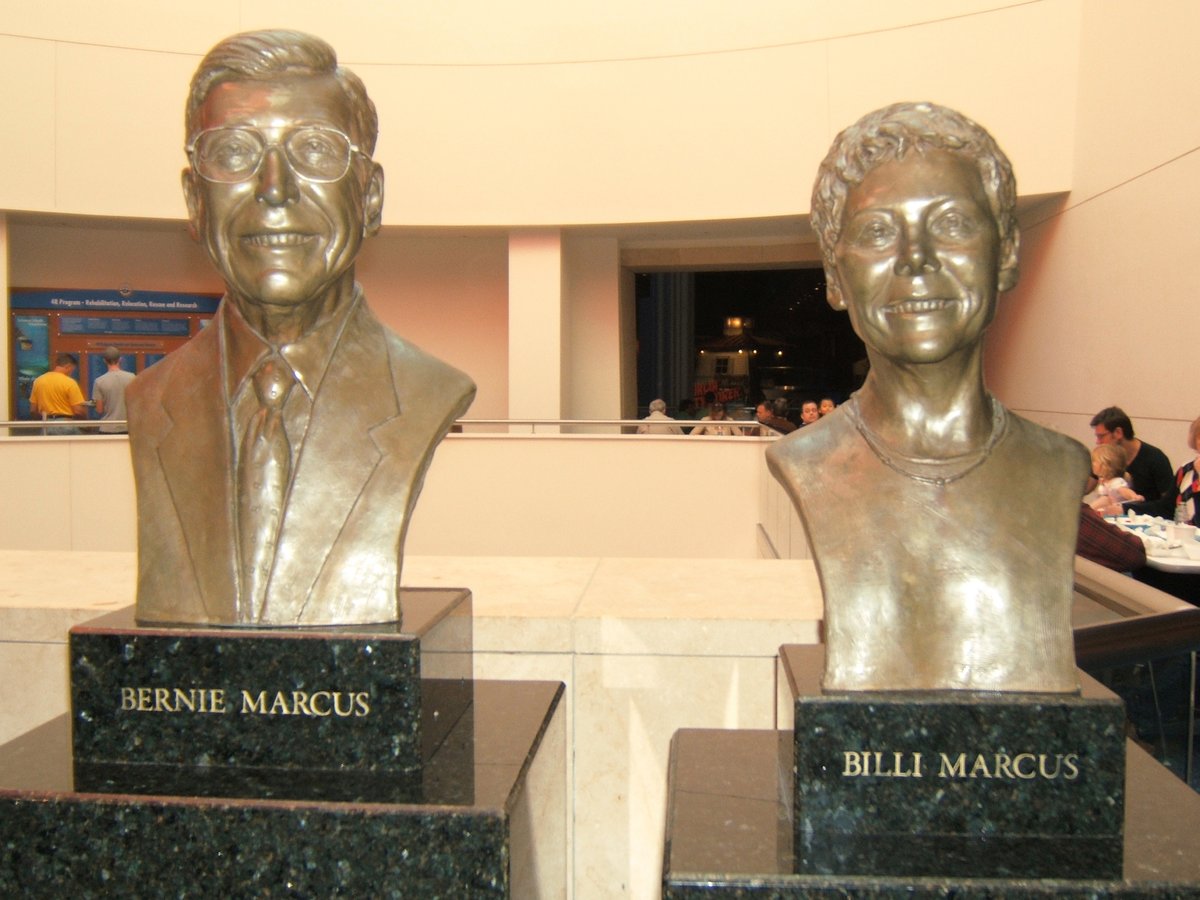
Backed by a $250 million gift from Bernie Marcus, the Georgia Aquarium opened as the largest in the world at the time. Its massive Ocean Voyager tank reframed downtown as a family and convention district, not just a business core. Tourism architecture became a tool of urban redevelopment.
BeltLine Begins Rewiring the City
The BeltLine launched from an old rail-corridor idea into parks, trails, art installations, and fierce debates about housing and displacement. It stitched neighborhoods together while raising property values at startling speed. In Atlanta, even a walking path can be a political argument.
Protest Summer Tests the City
After George Floyd's murder and the police killing of Rayshard Brooks, Atlanta saw mass demonstrations, fires, broken glass, and urgent calls for reform. The protests exposed old fault lines between policing, race, and political leadership. Streets that once held civil rights marches became stages for a new generation.
Fulton Case Grabs National Spotlight
Fulton County indicted former President Donald Trump and co-defendants in a sweeping election-interference RICO case, and the booking photo from Atlanta flashed worldwide. Courtrooms, not campaign rallies, became the setting for a constitutional drama. Once again, Atlanta sat at the intersection of local institutions and national consequence.
Notable Figures
Martin Luther King Jr.
1929–1968 · Civil Rights leaderKing’s voice was formed on Auburn Avenue, between Ebenezer Baptist Church and the neighborhood institutions that shaped Black civic life in Atlanta. Walking his birth district today, you feel how local streets became global history. He would likely recognize the moral urgency still carried in the city’s public conversations.
Coretta Scott King
1927–2006 · Civil Rights leader and organizerAfter King’s assassination, Coretta Scott King turned Atlanta into a center of memory and activism, not just mourning. The King Center and eternal flame in Sweet Auburn are as much her civic architecture as his legacy. Her Atlanta story is about institution-building under pressure.
John Lewis
1940–2020 · Congressman and Civil Rights activistLewis brought the discipline of the movement era into everyday Atlanta politics, from voting rights to transportation and neighborhood equity. In this city, his phrase ‘good trouble’ never felt rhetorical; it sounded like a work plan. His imprint remains strongest where policy meets street-level lives.
Margaret Mitchell
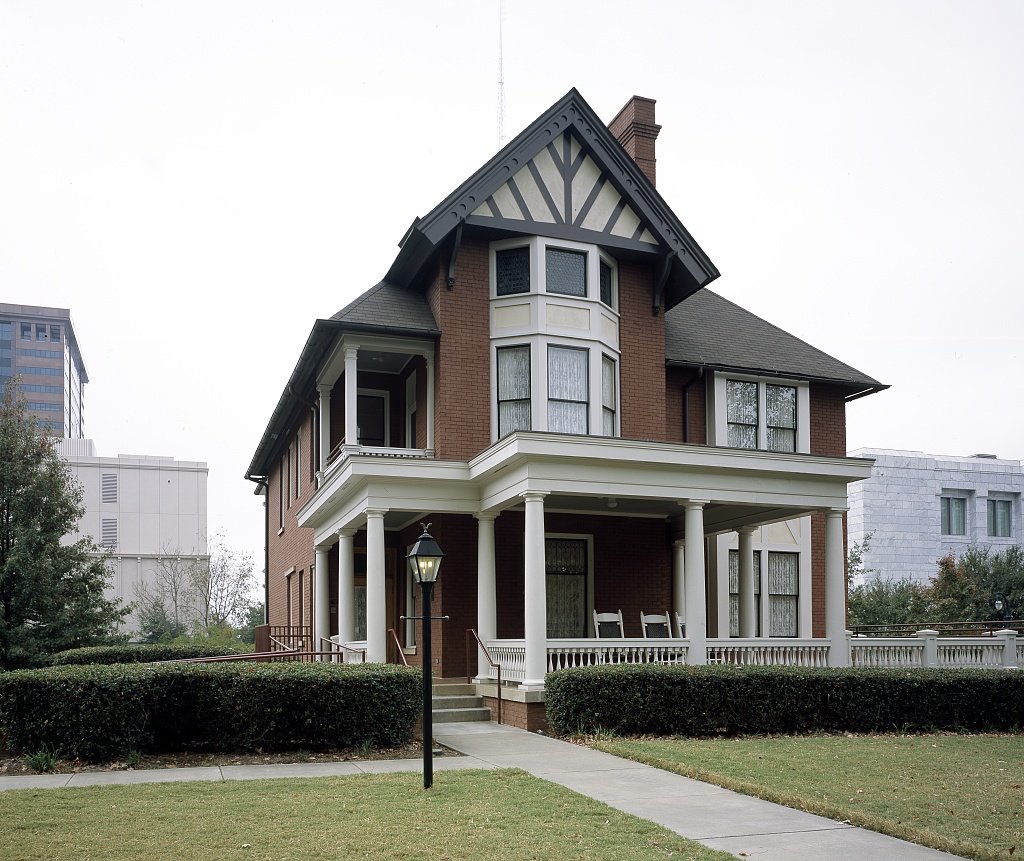
1900–1949 · NovelistMitchell wrote in a small Midtown apartment she nicknamed ‘The Dump,’ turning Atlanta memory into one of the most debated novels in American literature. The house itself survived arson and reconstruction, which feels oddly fitting for a city obsessed with how stories are rebuilt. Her legacy in Atlanta is inseparable from debate over myth, race, and memory.
Ted Turner
born 1938 · Media entrepreneurTurner helped transform Atlanta into a global media city by launching CNN and proving a 24-hour news network could run from the South. The old CNN Center area still carries that ambition in concrete and glass. His Atlanta was loud, risky, and determined to matter internationally.
Alonzo Herndon
1858–1927 · Entrepreneur and philanthropistBorn into slavery, Herndon became one of the South’s most successful Black businessmen in Atlanta and used that success to build durable institutions. His restored house near the AUC tells a story of wealth, strategy, and civic responsibility in the Jim Crow era. He changed what economic possibility looked like in this city.
Killer Mike
born 1975 · Rapper and civic voiceKiller Mike’s Atlanta is audible in his music and visible in his political organizing, from neighborhood investment to public advocacy. He narrates the city as both opportunity and contradiction, with no interest in polishing either. If you want modern Atlanta’s civic mood in one voice, he’s one of its clearest.
Photo Gallery
Explore Atlanta in Pictures
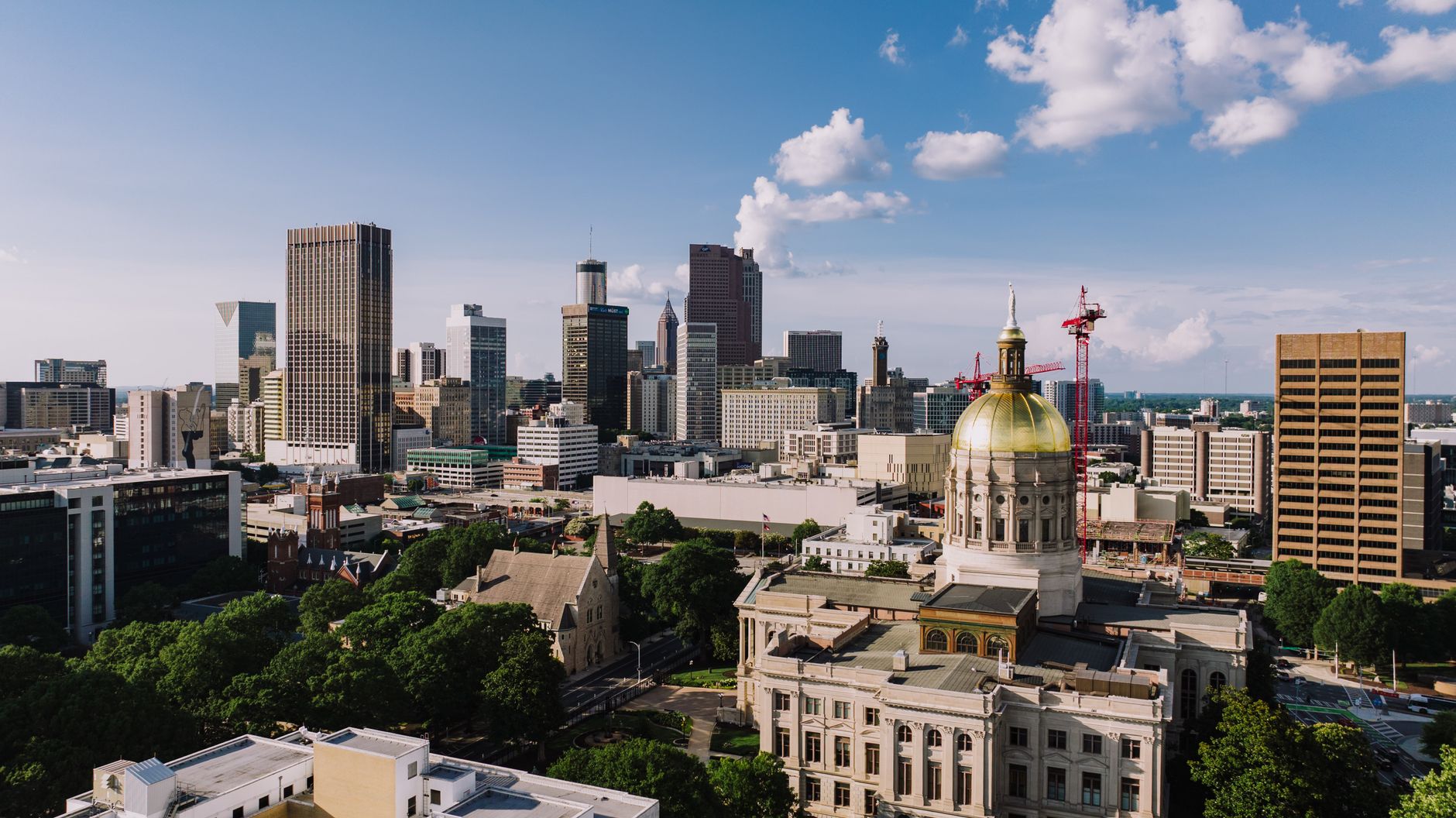
A stunning aerial perspective of the Atlanta skyline, showcasing the contrast between the dense urban architecture and the city's lush, tree-filled landscape.
Kelly on Pexels · Pexels License
The vibrant Atlanta skyline glows under a moody, cloud-filled night sky, framed by the light trails of traffic passing below.
Dominik Gryzbon on Pexels · Pexels License
A stunning aerial view of the Atlanta skyline, highlighting the historic gold-domed Georgia State Capitol building amidst the city's modern architectural landscape.
Kelly on Pexels · Pexels License
An elevated perspective of the Atlanta, United States cityscape, showcasing iconic skyscrapers and the distinct architecture of the Mercedes-Benz Stadium.
Kelly on Pexels · Pexels License
A stunning aerial perspective of the Atlanta, United States skyline, showcasing the contrast between the dense urban architecture and the city's lush greenery.
Kelly on Pexels · Pexels License
A stunning aerial perspective of the sprawling Atlanta skyline, showcasing the city's diverse architecture and urban landscape.
Kelly on Pexels · Pexels License
An aerial perspective of the iconic Mercedes-Benz Stadium set against the sprawling urban skyline of Atlanta, Georgia.
Kelly on Pexels · Pexels License
A stunning aerial view of the Atlanta, United States skyline at night, showcasing the city's vibrant architecture and busy highway traffic.
Kelly on Pexels · Pexels License
Practical Information
Getting There
Hartsfield-Jackson Atlanta International Airport (ATL) is the main gateway, with domestic and international terminals linked by the Plane Train; it sits about 10 miles (16 km) south of Downtown. Intercity rail is limited to Amtrak’s Peachtree Station (Crescent route, New York–New Orleans), so most visitors arrive by air or car. Major highway approaches are I-75, I-85, and I-20, with I-285 (“the Perimeter”) looping around the metro.
Getting Around
In 2026, MARTA is the backbone: 4 rail lines (Red, Gold, Blue, Green), 38 stations, and a flat $2.50 fare with Breeze Card or contactless tap-to-pay; Airport to Downtown takes roughly 25–30 minutes. The Atlanta Streetcar connects Centennial Olympic Park to Sweet Auburn and remains fare-free (check live service alerts). For short hops, use MARTA buses, Relay Bike Share on BeltLine corridors, and rideshare between neighborhoods that aren’t comfortably connected on foot.
Climate & Best Time
Spring and fall are Atlanta’s sweet spot: April and October usually bring highs around 73°F (23°C), cooler evenings, and lower humidity. Summer (June–August) is hot and sticky, often 87–90°F (31–32°C) with frequent afternoon thunderstorms; winter is mild-to-cool (highs roughly 52–57°F / 11–14°C) but occasional ice can disrupt transport. Peak visitor energy hits spring festivals and Labor Day Dragon Con, while winter is quieter except for holiday light events.
Safety
Tourist-heavy areas like Midtown, the BeltLine Eastside Trail, and Buckhead’s main corridors are generally straightforward in daytime and early evening. Use extra caution late at night around Five Points/Underground Atlanta and quieter stretches south of Downtown, and avoid leaving anything visible in parked cars anywhere in the city. MARTA is widely used and practical, but at night choose busy cars, stay alert on platforms, and use rideshare for the last leg if streets feel empty.
Where to Eat
Don't Leave Without Trying
Six Feet Under Pub & Fish House - Grant Park
local favoriteOrder: Start with chargrilled oysters, then go for a fried seafood platter with a cold local beer.
This is a long-running Atlanta hangout right on Memorial where locals go when they want seafood without any fuss. Big portions, rooftop energy, and a reliably fun crowd make it an easy win.
No Mas! Cantina
local favoriteOrder: Order house guacamole, enchiladas, and one of their signature margaritas.
No Mas! has become a Castleberry Hill institution thanks to its huge patio, colorful design-store vibe, and all-day cantina rhythm. It works for brunch, pre-game, or a relaxed dinner.
Ray's In the City
fine diningOrder: Get the lobster bisque, then a prime steak or seared fish with a classic side.
For downtown Atlanta business dinners and polished date nights, Ray’s is one of the most dependable tables. Service is sharp and the menu balances steakhouse comfort with seafood depth.
Metro Diner and Bar
quick biteOrder: Go for a big breakfast plate, then come back late for burgers, wings, or loaded fries.
The long hours are the draw here, and downtown regulars treat it as a reliable anytime stop. It is not fancy, but it is convenient and satisfying when most kitchens are closed.
Paschal's Restaurant & Bar
local favoriteOrder: Order the classic fried chicken with mac and cheese, candied yams, and cornbread.
Paschal’s is one of Atlanta’s historic soul-food landmarks, tied deeply to Civil Rights-era history. You come for the legacy, then stay for comforting Southern plates done the traditional way.
The Sun Dial Restaurant, Bar & View
fine diningOrder: Pick a steak or seafood entree and time dessert for sunset over the skyline.
The city view is the headline, but the real value is pairing a full dinner with one of Atlanta’s most dramatic dining rooms. It is a strong special-occasion choice in the heart of downtown.
Ruth's Chris Steak House
fine diningOrder: Get the filet on a sizzling plate with creamed spinach and potatoes au gratin.
This is a polished, high-consistency steakhouse pick near the convention core. When you want a guaranteed power-dinner format, it delivers exactly that.
Der Biergarten
local favoriteOrder: Order a giant pretzel, bratwurst platter, schnitzel, and a German draft beer.
This place nails communal beer-hall energy better than almost anywhere downtown. It is especially good for groups before events around Mercedes-Benz Stadium and State Farm Arena.
Park Bar
local favoriteOrder: Go for wings, burgers, and a local craft beer before or after a game.
Park Bar is a downtown pre-game classic with a loyal local crowd and no-nonsense menu. It is one of those places that feels lived-in rather than curated.
Ria's Bluebird
cafeOrder: Order the lemon ricotta pancakes or shrimp and grits, plus strong coffee.
Ria’s is a Memorial Drive staple and one of the city’s most loved brunch rooms. It balances neighborhood warmth with genuinely strong cooking.
Meehan's Public House Downtown
local favoriteOrder: Get fish and chips, shepherd’s pie, and a pint at the bar.
Meehan’s is dependable downtown pub comfort with a broad menu and easygoing service. It is ideal when your group wants a crowd-pleasing, no-drama stop.
Max Lager's Wood-Fired Grill & Brewery
local favoriteOrder: Try a house-brewed beer with the wood-fired meats or a hearty brewpub burger.
Max Lager’s is a downtown veteran and still one of the better places to pair solid food with in-house beer. It works especially well for casual dinners near hotel corridors.
Dining Tips
- check Tip 18-20% at full-service restaurants; 20% is standard for strong service.
- check Most places take cards, but keep a little cash for valet, small tips, or festivals.
- check Downtown and major brunch spots can get slammed; reserve when possible, especially Thu-Sat dinner.
- check Brunch is a serious sport in Atlanta, and popular spots often have weekend waits.
- check Typical lunch runs 11:30 AM-2:00 PM and dinner starts around 6:00 PM, with peak rush 7:00-8:30 PM.
- check Pre-game dining near stadiums fills quickly; arrive early or book ahead.
- check Sales tax is added at checkout, so menu prices are pre-tax.
- check If a kitchen closes early, bars may stay open longer, so check food-service cutoff times.
Restaurant data powered by Google
Tips for Visitors
Use MARTA First
From ATL airport, MARTA is usually the fastest and cheapest way in: $2.50 flat to Downtown/Midtown, with the station directly under the Domestic Terminal. If you land at the International Terminal, take the Plane Train to Domestic first.
Bundle Big Tickets
If you plan to do Georgia Aquarium plus World of Coca-Cola, buy a combo or CityPASS to cut costs. These are two of the city’s priciest admissions, so bundling can save serious money.
Book MLK Early
The Martin Luther King Jr. Birth Home tour is free but has limited guided slots that fill quickly. Reserve ahead and pair it with Ebenezer Baptist Church and The King Center nearby.
Time Around Heat
Atlanta is most comfortable in April and October; July and August are intensely hot and humid with frequent afternoon storms. In summer, do indoor museums midday and save the BeltLine for early morning or evening.
Car Break-In Precautions
Do not leave anything visible in parked cars, even for a quick stop—smash-and-grab theft is a citywide issue. This matters in tourist zones, trailheads, and restaurant corridors alike.
BeltLine After Dark
The Eastside BeltLine is lively and comfortable in daylight and early evening, but quieter stretches are best avoided late at night. Treat neighborhoods as separate walkable pockets and rideshare between them.
Eat Beyond Downtown
For the city’s real food story, go to Buford Highway for regional Vietnamese, Korean, Chinese, and Mexican spots, plus huge international markets. And if someone says ‘wings,’ locals often mean lemon-pepper dry, not Buffalo.
Explore the city with a personal guide in your pocket
Your Personal Curator, in Your Pocket.
Audio guides for 1,100+ cities across 96 countries. History, stories, and local insight — offline ready.
Audiala App
Available on iOS & Android
Join 50k+ Curators
Frequently Asked
Is atlanta worth visiting? add
Yes—especially if you want a city where Civil Rights history, major pop culture, and serious food culture collide. You can stand in MLK’s birthplace district in the morning, walk the BeltLine art trail in the afternoon, and eat across multiple continents by dinner on Buford Highway. Atlanta feels more layered than many first-time visitors expect.
How many days in atlanta? add
Three to five days is the sweet spot. Three days covers core highlights like the aquarium district, MLK Historical Park, and BeltLine neighborhoods; five days lets you add Buckhead museums, a deeper food crawl, or a nature day trip. If you love museums and live music, lean toward five.
What is the best way to get from ATL airport to downtown Atlanta? add
MARTA rail is usually the best option: $2.50 flat and about 25–30 minutes to Downtown. The station is beneath the Domestic Terminal, and both Red and Gold lines serve the airport. Rideshare is easier with luggage but usually costs much more, especially during surge pricing.
Do I need a car in Atlanta? add
Not always, but it depends on your plan. You can do Downtown, Midtown, and parts of the Eastside with MARTA, short rideshares, and walking; however, food corridors like Buford Highway and many day-trip nature sites are far easier by car. Think ‘car-light city trip, car-helpful exploration trip.’
Is Atlanta safe for tourists? add
Generally yes in main visitor areas, with normal city precautions. Stay aware late at night around quieter parts of Downtown/Five Points, and avoid leaving valuables in parked cars anywhere in the city. Daytime visits to major attractions and busy BeltLine sections are typically straightforward.
Is Atlanta expensive for travelers? add
It can be moderate to expensive, depending on attractions and hotel location. Signature tickets like Georgia Aquarium can run around $40+, while many meaningful experiences—MLK National Historical Park, BeltLine walks, park time—are free. A smart mix of paid anchors and free sites keeps costs under control.
What are the best free things to do in Atlanta? add
Start with Martin Luther King Jr. National Historical Park, then walk the BeltLine Eastside Trail and Centennial Olympic Park. Add Piedmont Park, public art hunting, and browsing markets like Buford Highway Farmers Market. If you time it right, some museums also offer recurring free-entry windows.
Sources
- verified MARTA Official Site — Airport rail access, fares, Breeze Card and pass pricing, line maps, and operating hours.
- verified Atlanta BeltLine — Trail mileage, open segments, and visitor guidance for Eastside/Westside/Southwest trails.
- verified National Park Service — Martin Luther King, Jr. National Historical Park — Official information on Birth Home access, Ebenezer Baptist Church, and park logistics.
- verified CityPASS Atlanta — Bundled attraction pricing and included venues for cost comparisons.
- verified Fernbank Museum of Natural History — Admission ranges, exhibits, IMAX details, and event programming.
- verified National Center for Civil and Human Rights — Ticket information and exhibit details including the lunch-counter simulation.
Last reviewed: