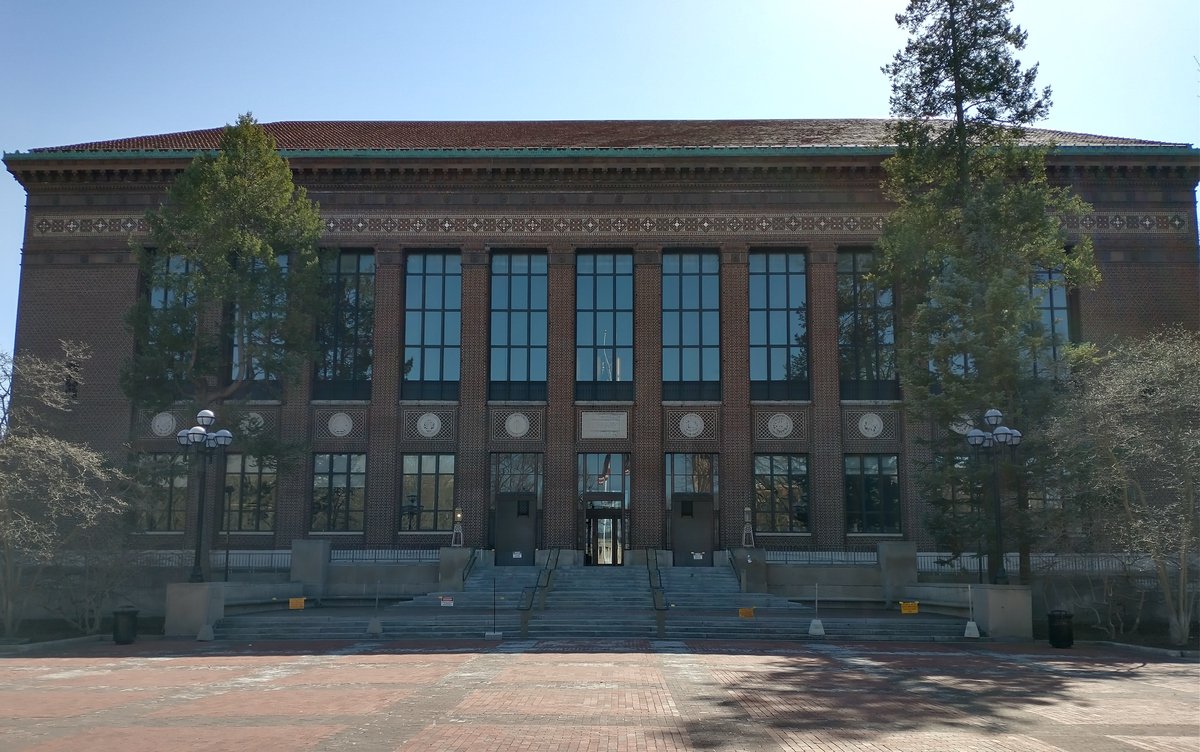

Origins and Significance
The Labadie Collection was founded in 1911, following the generous donation of personal archives by Joseph A. Labadie (1850–1933), a prominent Detroit-based labor leader, poet, printer, and anarchist (news.umich.edu). Labadie’s involvement in 19th-century movements such as the Knights of Labor and the Haymarket Defense Committee inspired him to collect materials documenting radical ideologies and social movements that were often neglected by mainstream institutions.
His vision was realized when the University of Michigan accepted his donation, establishing a foundation for what has become a globally recognized repository for the study of dissent, activism, and alternative politics (annarbor.com).
Growth and Scope of the Collection
Since its inception, the Labadie Collection has expanded significantly. Curators such as Agnes Inglis, a close associate of Emma Goldman, played crucial roles in its development during the early 20th century (michiganintheworld.history.lsa.umich.edu). Today, the collection comprises:
- Over 150,000 published volumes and pamphlets
- Tens of thousands of periodicals from radical presses
- More than 1,500 archival collections, including personal papers and organizational records
- An extensive photographic archive with more than 1,500 digitized images (Labadie Photograph Collection)
The collection’s breadth encompasses American and international materials, making it a vital resource for comparative studies of social movements.
Thematic Coverage and Special Holdings
The Labadie Collection focuses on “history from below,” preserving materials related to anarchism, socialism, labor history, civil liberties, feminism, LGBTQ+ liberation, environmentalism, and more (University of Michigan Library). Noteworthy holdings include:
- Labor Movements Records, pamphlets, and organizational papers from the Knights of Labor, Industrial Workers of the World (IWW), and union campaigns.
- Anarchist and Radical Thought Rare publications and correspondence from figures like Emma Goldman and Alexander Berkman.
- Civil Rights and Social Justice Documentation of the Black Freedom Struggle, LGBTQ+ activism, women’s liberation, and antiwar protests.
- Ephemera and Alternative Press Underground newspapers, protest leaflets, zines, posters, and photographs chronicling diverse movements.
These resources support scholarship on pivotal events—including the Haymarket Affair, Stonewall Uprising, and Vietnam War protests—and provide a tangible connection to grassroots activism (news.umich.edu).
Visitor Information: Hours, Tickets, and Accessibility
Location:
Labadie Collection, Special Collections Research Center
Harlan Hatcher Graduate Library, 913 S. University Avenue, Ann Arbor, MI 48109
Visiting Hours:
- Generally open Monday–Friday, 9:00 AM – 5:00 PM.
- Hours may vary by semester, holidays, or special events.
- It is recommended to check the Special Collections Research Center website before your visit.
Admission & Tickets:
- Admission is free for all visitors.
- No tickets are required for general visits or exhibition viewing.
- Appointments are highly recommended (and required for access to archival materials or research assistance).
- To schedule, contact the curator (Julie Herrada: [email protected] / 734-936-2314).
Accessibility:
- The Hatcher Graduate Library is wheelchair accessible.
- Staff are available to assist with special accommodations—contact in advance if needed.
Parking & Transportation:
- Parking is available in nearby university structures and city garages.
- The Ann Arbor Area Transit Authority (AATA) provides convenient bus service with stops close to the library.
- Ann Arbor is accessible via car, bus, and train.
Planning Your Visit: Tips and Local Attractions
Preparing for Your Visit:
- Bring valid photo identification for registration.
- Contact staff ahead of time to request specific materials or schedule group tours.
- Pens, food, and drink are not permitted in the reading room; please follow handling guidelines for archival materials.
Nearby Attractions:
Enhance your trip by visiting other Ann Arbor highlights:
- University of Michigan Museum of Art (UMMA) Renowned art collections and exhibitions.
- Kelsey Museum of Archaeology Fascinating antiquities and ancient artifacts.
- Ann Arbor Hands-On Museum Interactive science and technology exhibits.
- Nichols Arboretum Beautiful outdoor spaces for walking and relaxation.
- Historic Kerrytown District Unique shops, cafes, and local culture.
- Ann Arbor Visitor Guide for more options.
Frequently Asked Questions (FAQ)
Q: Do I need a ticket or pay an admission fee?
A: No. Admission is free and open to the public.
Q: What are the visiting hours?
A: Generally, Monday–Friday, 9:00 AM – 5:00 PM. Check here for up-to-date schedules.
Q: Are appointments required?
A: Appointments are required for research access and strongly encouraged for group visits.
Q: Is the Labadie Collection accessible for visitors with disabilities?
A: Yes. The facility is wheelchair accessible; contact staff for additional accommodations.
Q: Can I take photographs or make copies?
A: Photography for personal use may be permitted with approval; permissions are required for publication (Rights and Permissions).
Q: Are there online resources?
A: Yes. Many digitized materials and finding aids are available online (https://quod.lib.umich.edu/l/).
Discover More
The Labadie Collection is an essential destination for anyone interested in the history of social change, activism, and radical thought. Its extensive holdings illuminate the struggles and achievements of diverse movements, from labor rights and civil liberties to LGBTQ+ liberation and environmental justice.
Accessible to all, the collection invites personal exploration, scholarly research, and digital discovery. Plan your visit by checking current hours, booking research appointments, and reviewing online exhibits. While in Ann Arbor, enjoy the city’s vibrant history and culture by visiting neighboring museums and attractions.
Stay connected and informed by following the University of Michigan Library on Facebook and Twitter, and consider downloading the Audiala app for curated guides and cultural content.
Embark on your journey into the rich legacy of dissent, democracy, and social transformation preserved at the Labadie Collection.