Plan and listen to Quyana Park with Audiala.
Audio guide in your pocket, itinerary in your browser. Built for the way you actually visit.
Introduction: History and Significance
Quyana Park, centrally located in downtown Anchorage, Alaska, is a cherished urban retreat that embodies both the natural beauty and the rich Indigenous heritage of the region. The park’s name—derived from the Yup’ik word “Quyana,” meaning “thank you”—reflects a spirit of gratitude rooted in Alaska Native traditions. Established as a living memorial in the wake of the 1964 Good Friday Earthquake, the park honors the nationwide support Anchorage received during that crisis. Today, symbolic plantings—including trees representing all 49 other states—and monuments like the Eisenhower Memorial contribute to the park’s narrative of resilience, unity, and historical significance (Wikipedia: History of Anchorage; Anchorage.net).
Open year-round from dawn to dusk, Quyana Park is a fully accessible, free public space. Its location near cultural institutions such as the Anchorage Museum and the Alaska Native Heritage Center makes it an ideal stop for exploring the city’s heritage. The park also functions as a cultural classroom, hosting Alaska Native language events, art installations, and performances—most notably the Quyana Alaska dance showcases held during the Alaska Federation of Natives (AFN) convention (Native Federation; Anchorage Daily News). Whether seeking a peaceful retreat, cultural engagement, or vibrant community events, visitors will find Quyana Park a living testament to Anchorage’s commitment to honoring its Indigenous roots.
Visiting Quyana Park: Hours, Tickets, and Accessibility
Quyana Park is open to the public year-round, from dawn until dusk. Admission is always free, ensuring accessibility for all visitors. The park features paved, wheelchair-accessible pathways and seating areas. Public parking is available along Second Avenue and E Street, and the park is easily accessible via Anchorage’s public transit system.
Getting There and Nearby Attractions
Located at Second Avenue and E Street, Quyana Park’s downtown location places it within walking distance of major Anchorage attractions, including:
- Anchorage Museum
- Alaska Center for the Performing Arts
- Fourth Avenue shopping district
- Tony Knowles Coastal Trail
Public transportation, rideshares, and ample biking routes make the park highly accessible. For cyclists, bike racks are available on-site.
History and Cultural Significance
Indigenous and Linguistic Roots
Quyana Park’s name honors the Yup’ik word “Quyana,” used as a traditional expression of gratitude. The park’s existence on Dena’ina Athabascan ancestral lands further acknowledges the deep and ongoing relationships between Alaska Native peoples and the Anchorage region (Anchorage.net).
Origins: A Living Memorial
The park was established as a living memorial in gratitude for the support Anchorage received following the 1964 Good Friday Earthquake. Each of the 49 other U.S. states is represented by a tree planted in the park, beginning with Nebraska’s crabapple tree in 1967 (Wikipedia: History of Anchorage; Reddit: Anchorage Place Names).
The Eisenhower Memorial
In 1989, Quyana Park became home to the Eisenhower Memorial, commemorating President Dwight D. Eisenhower’s instrumental role in Alaska’s statehood. This addition reinforced the park’s dual role as both a place of remembrance and a gathering space for community celebration.
Special Events and Community Role
Quyana Park regularly hosts community gatherings and cultural celebrations, including:
- Alaska Federation of Natives (AFN) convention events
- Quyana Alaska performances featuring traditional dance and music (Native Federation)
- Indigenous Peoples’ Day celebrations
- Seasonal festivals and art fairs
These events attract residents and visitors alike, fostering unity and supporting Indigenous artists and entrepreneurs (Anchorage Daily News).
Cultural Revitalization and Education
The park is a focal point for cultural revitalization and education:
- Interpretive signage and art installations highlight Alaska Native languages, stories, and traditions.
- Partnerships with the Alaska Native Heritage Center and Anchorage Museum provide educational programs and exhibitions (Anchorage.net).
- The Indigenous Place Names Project and the installation of new monuments deepen the educational experience and promote cultural understanding.
Healing, Resilience, and Social Impact
Quyana Park is also a space for healing and resilience. Initiatives like the planned healing garden and Indigenous-led monuments, funded by grants such as the Mellon Foundation’s Monuments Project, reflect the city’s commitment to reconciliation and cultural healing (Anchorage.net). The park provides a venue for dialogue, advocacy, and collective reflection for Anchorage’s diverse communities.
Integration with Anchorage’s Urban Identity
The park’s central location and design—alongside the Dena’ina Civic and Convention Center and the Anchorage Museum—reinforce its role as a bridge between Anchorage’s historical legacy and its modern, multicultural identity. Quyana Park is a model of inclusivity, with accessible facilities and programming that welcomes all visitors.
Visitor Engagement and Responsible Tourism
Visitors to Quyana Park are encouraged to:
- Attend cultural celebrations, art fairs, and performances
- Learn from interpretive signage and art installations
- Support Indigenous-owned businesses and artisans
- Respect cultural protocols and the park’s natural setting
Responsible tourism practices help sustain Quyana Park’s mission to honor Alaska Native heritage and foster community spirit (Native Federation).
Economic and Social Benefits
Major cultural events at Quyana Park, such as the AFN convention, generate significant economic benefits for Anchorage—supporting small businesses, artists, and the broader tourism economy (Anchorage Daily News). The park’s educational and cultural programming also contributes to social cohesion and community pride.
Park Features and Attractions
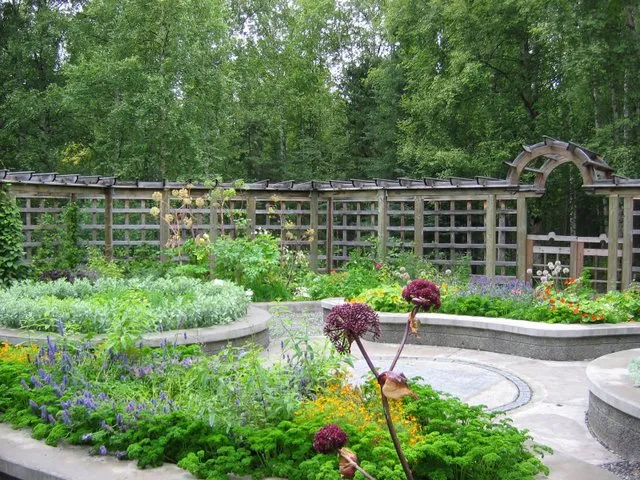
- Landscape: Open lawns, native gardens, mature trees, and shaded seating
- Art Installations: Totem poles, benches, and interpretive signage created in collaboration with Alaska Native artists (Alaska Native Heritage Center)
- Amphitheater: Venue for performances, storytelling, and festivals
- Children’s Play Area: Inclusive, nature-themed playground
- Walking Paths: Wheelchair-accessible, linking to Tony Knowles Coastal Trail
- Wildlife and Nature Observation: Birdwatching and seasonal blooms
- Visitor Services: Clean restrooms (availability may vary), drinking fountains, waste stations, and free Wi-Fi in designated areas
- Safety: Regular patrols and emergency call stations
- Accessibility: Fully ADA-compliant, with Braille signage and audio guides
Practical Information for Visitors
- Hours: Open daily from dawn to dusk (generally 5:00 AM – 11:00 PM in summer; shorter in winter)
- Admission: Free; no tickets required
- Parking: On-street and public lots nearby
- Public Transit: Accessible via People Mover bus routes
- Pets: Welcome on leash; waste bags provided
- Weather: Prepare for variable conditions; dress in layers
- Restrooms: Check availability before visiting (Anchorage Parks and Recreation)
Frequently Asked Questions (FAQ)
Q: What are Quyana Park’s visiting hours?
A: Daily from dawn until dusk; typically 5:00 AM to 11:00 PM in summer.
Q: Is there an entrance fee?
A: No, admission is always free.
Q: Are pets allowed?
A: Yes, dogs are welcome on a leash.
Q: Is the park accessible for visitors with disabilities?
A: Yes, the park has paved, ADA-compliant paths and facilities.
Q: Are restrooms available?
A: Restrooms may not always be available; check ahead on the Anchorage Parks and Recreation website.
Q: Are guided tours offered?
A: Not regularly, but local visitor centers and tour companies may include the park in downtown walking tours.
Discover More
Quyana Park is a living cultural landmark that encapsulates Anchorage’s spirit of gratitude, resilience, and inclusivity. It offers a welcoming environment for both quiet reflection and vibrant celebration of Alaska Native heritage. By attending events, exploring interpretive installations, and supporting Indigenous-led initiatives, visitors contribute to the park’s ongoing mission as a treasured community space.
For up-to-date information on visiting hours, events, and accessibility, download the Audiala app, follow Quyana Park’s official social media pages, and consult the Anchorage events calendar. Embrace responsible tourism and help ensure Quyana Park remains a beacon of cultural pride and community for generations to come.
Listen to the full story in the app
The whole Quyana Park,
told well.
Listen to sourced travel stories with local history and practical context — ready offline.

Verified, and shown.
Researched and written by the Audiala editorial team from historical records, architectural archives, and local expertise.
Built from cited sources · see the method · How we make our guides →