Discover Campbell Airstrip: Anchorage's Historic and Recreational Gem
Campbell Airstrip is a unique destination offering a blend of outdoor recreation, historic significance, and wildlife viewing within Anchorage city limits. Whether you are a history enthusiast, nature lover, or Iditarod fan, the airstrip and its surrounding Campbell Tract provide a memorable experience for all.
Historical Background: Military Origins and Postwar Transition
World War II Significance:
Constructed in 1942, Campbell Airstrip served as a military auxiliary airfield, providing a strategic backup to Fort Richardson and Merrill Field in case of enemy attack (Anchorage Daily News). The airstrip’s location was chosen for its proximity to Anchorage yet relative security. During this period, the area also housed Campbell Garrison, supporting defense operations for Elmendorf Field (American Trails).
Postwar Transition:
After WWII, the airstrip remained a valuable asset, serving as an alternate landing area into the 1950s (Kenai Peninsula College Photo Repository). Federal ownership facilitated its conversion into public land, and the airstrip ultimately became part of the BLM-managed Campbell Tract, supporting recreation, conservation, and education (BLM Campbell Tract).
Integration into Anchorage’s Greenbelt and Recreation
Today, the 730-acre Campbell Tract is a vital component of Anchorage’s greenbelt system. Bordered by Far North Bicentennial Park, the tract connects urban Anchorage to the Chugach Mountains and provides seamless access to a vast network of trails and open space (BLM Campbell Tract). The airstrip itself now serves as a major trailhead and event site, rather than an active aviation facility.
Cultural and Sporting Significance
Iditarod Ceremonial Finish:
Campbell Airstrip is the ceremonial endpoint of the first day of the Iditarod Trail Sled Dog Race. Each March, mushers and their dog teams traverse Anchorage’s greenbelt to reach the airstrip, where thousands gather for this iconic Alaskan event (Iditarod Official Site). This celebration underscores the airstrip’s enduring place in Anchorage’s cultural life.
Community Engagement:
The Campbell Creek Science Center uses the airstrip’s surroundings as an outdoor classroom, hosting educational programs on Alaska’s ecology and history (Alaska.org).
Environmental and Educational Value
The Campbell Tract is not just a recreational asset; it’s also a haven for wildlife and outdoor education. The area supports moose, black and brown bears, lynx, foxes, coyotes, bald eagles, and spawning Pacific salmon (BLM Campbell Tract). The Campbell Creek Science Center offers year-round programs, making the airstrip and its trails a living classroom for all ages.
Visiting Information: Hours, Access, and Tips
- Hours Open year-round from dawn to dusk. BLM Campbell Creek Science Center is open Monday–Friday, 8 a.m. to 5 p.m. (confirm hours before your visit).
- Admission No entry or parking fees. Guided programs at the Science Center may require registration.
- Trailheads Main access points are the Campbell Airstrip Trailhead (4601 Campbell Airstrip Road) and Smokejumper Trailhead off Elmore Road.
- Accessibility Trails feature hardened gravel and are ADA-compliant in key areas.
- Best Times Summer offers ideal hiking and wildlife viewing; winter is popular for skiing and the Iditarod ceremonial finish.
Trail Networks and Outdoor Activities
Campbell Airstrip is the gateway to over 12 miles of multi-use trails, suitable for hiking, biking, running, dog mushing, and cross-country skiing. Notable routes include:
- Campbell Creek Trail Follows the creek, great for families.
- Rover’s Run Noted for wildlife sightings.
- P-38 Lightning Trail Named for WWII aircraft, reserved for dog mushing in winter.
In winter, trails are groomed for skiing, snowshoeing, and fat biking. Mountain biking is popular in summer and fall. Trail maps are available at kiosks or on the BLM website.
Anchorage Historical Sites and Interpretation
Campbell Tract is recognized as a historic district eligible for the National Register of Historic Places. Key interpretive features include:
- Foxholes and Gun Emplacements Visible along Birch Knob and Viewpoint trails.
- Building Foundations Remnants of WWII structures.
- Interpretive Signage Historical context and photographs are provided at trailheads and key trail junctions.
Visitors are asked to stay on marked trails and not disturb artifacts.
Wildlife and Safety Tips
- Wildlife Moose, bears, foxes, and eagles are common. Early morning/evening are best for sightings.
- Safety Carry bear spray, make noise while hiking, keep pets leashed, and never approach wildlife (Alaska Department of Fish and Game).
- Trail Etiquette Yield to faster users and dog teams, pack out trash, and follow Leave No Trace principles.
Facilities, Accessibility, and Amenities
- Parking Free at Campbell Airstrip and Smokejumper trailheads.
- Restrooms Seasonal portable toilets at main trailheads.
- Water No running water; bring your own.
- Accessibility Main trails and trailheads offer ADA-compliant surfaces; some side trails may be uneven.
Nearby Attractions
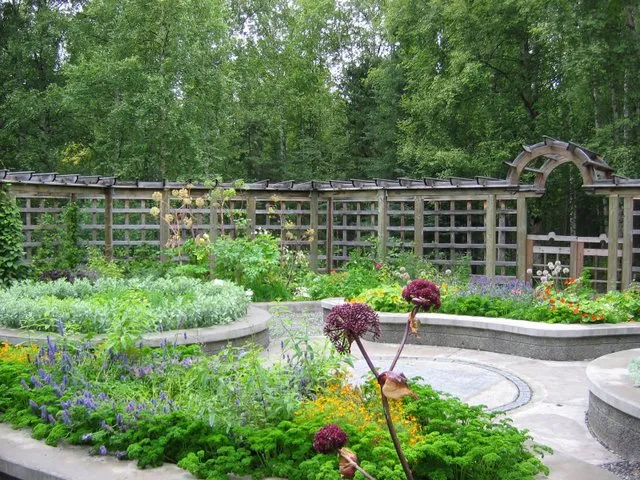
- Alaska Botanical Garden Located at 4601 Campbell Airstrip Road, featuring native flora displays (Alaska Botanical Garden).
- Far North Bicentennial Park Extensive trails and additional outdoor opportunities (Visit Anchorage).
- Campbell Creek Science Center Educational exhibits and programs (Alaska.org).
Frequently Asked Questions (FAQs)
Q: What are the visiting hours for Campbell Airstrip?
A: Open daily from dawn to dusk, year-round.
Q: Is there an entry fee or ticket required?
A: No, access is free. Some nearby attractions, like the Alaska Botanical Garden, may charge admission.
Q: Are dogs allowed?
A: Yes, dogs must be leashed, especially during wildlife encounters.
Q: Are guided tours available?
A: The BLM occasionally offers guided hikes and educational programs—check their website for updates.
Q: Is Campbell Airstrip accessible to people with disabilities?
A: Main trails and trailheads are ADA-compliant; some side trails may be uneven.
Q: Can I bike in winter?
A: Fat biking is permitted on select groomed trails; check current conditions before visiting.
Summary and Visitor Tips
From its World War II roots to its modern role as a recreational and cultural anchor, Campbell Airstrip exemplifies Anchorage’s blend of history, nature, and community spirit. Key tips for your visit:
- Dress in layers; weather can change rapidly.
- Carry bear spray and water.
- Stay on marked trails and respect historical features.
- Check trail conditions before visiting.
- Download trail maps or the Audiala app for offline guidance.
- Enjoy seasonal highlights, such as wildlife viewing in summer or the Iditarod ceremonial finish in March.
Campbell Airstrip remains a must-visit for anyone seeking a rewarding outdoor experience or a deeper connection with Anchorage’s heritage and wilderness.