Plan and listen to Wraysbury with Audiala.
Audio guide in your pocket, itinerary in your browser. Built for the way you actually visit.
Introduction to Ankerwycke Yew
Nestled near Wraysbury in Berkshire, England, the Ankerwycke Yew is a living monument to the rich tapestry of British history. Estimated to be between 1,400 and 2,500 years old, this ancient yew tree is one of the oldest living organisms in the United Kingdom and is under the care of the National Trust (Wikipedia). The tree has witnessed pivotal events such as the sealing of the Magna Carta in 1215 and the courtship of King Henry VIII and Anne Boleyn (National Trust). Adjacent to the yew are the ruins of St. Mary’s Priory, a 12th-century Benedictine nunnery, adding another layer of historical depth to the site. The area has undergone various transformations over the centuries, from Tudor and Georgian mansions to a 1930s nightclub, each era leaving its mark on this unique landscape (National Trust). Today, the Ankerwycke Yew and its surroundings offer visitors a serene retreat where they can explore the past while enjoying the natural beauty of the site.
Historical Significance
The Ancient Ankerwycke Yew
The Ankerwycke Yew, located near Wraysbury in Berkshire, England, is a remarkable ancient tree with a girth of 8 meters (26 feet) at 0.3 meters above ground level. This male yew tree is estimated to be at least 1,400 years old, with some estimates suggesting it could be as old as 2,500 years (Wikipedia). This makes it the oldest tree under the care of the National Trust and one of the oldest living organisms in the United Kingdom.
Witness to Historical Events
The Magna Carta
One of the most significant historical events associated with the Ankerwycke Yew is its purported role in the sealing of the Magna Carta in 1215. The Magna Carta, or 'Great Charter,' was a revolutionary document that limited the power of the Crown and established that the king and his government were not above the law. It was sealed by King John on June 15, 1215, following negotiations with his barons at Runnymede, a meadow on the opposite bank of the River Thames from Ankerwycke (National Trust). The tree's location on a slightly raised area of land, which would have been dry even in the marshy floodplain of the Thames, lends credibility to the claim that the yew could be "the last surviving witness to the sealing of Magna Carta 800 years ago" (Wikipedia).
Henry VIII and Anne Boleyn
The Ankerwycke Yew is also said to be the site where King Henry VIII courted Anne Boleyn. This romantic association adds another layer of historical intrigue to the tree. Henry VIII's courtship of Anne Boleyn was a pivotal event in English history, leading to the English Reformation and the eventual establishment of the Church of England (National Trust).
Ankerwycke Priory
Adjacent to the Ankerwycke Yew are the ruins of St. Mary's Priory, a Benedictine nunnery founded in the 1160s and dedicated to St. Mary Magdalene. The priory was active for nearly four centuries until it was disbanded during the Dissolution of the Monasteries under King Henry VIII in the 16th century (National Trust).
Archaeological Significance
Recent archaeological investigations have shed light on the lives of the nuns who lived at Ankerwycke Priory. These investigations, carried out by the National Trust, Surrey County Archaeological Unit, and volunteers, are part of the Runnymede Explored Project, a five-year initiative supported by the National Lottery Heritage Fund. The project aims to improve public understanding of and access to the historic sites on both sides of the River Thames (The Past).
Later Historical Developments
Tudor and Georgian Mansions
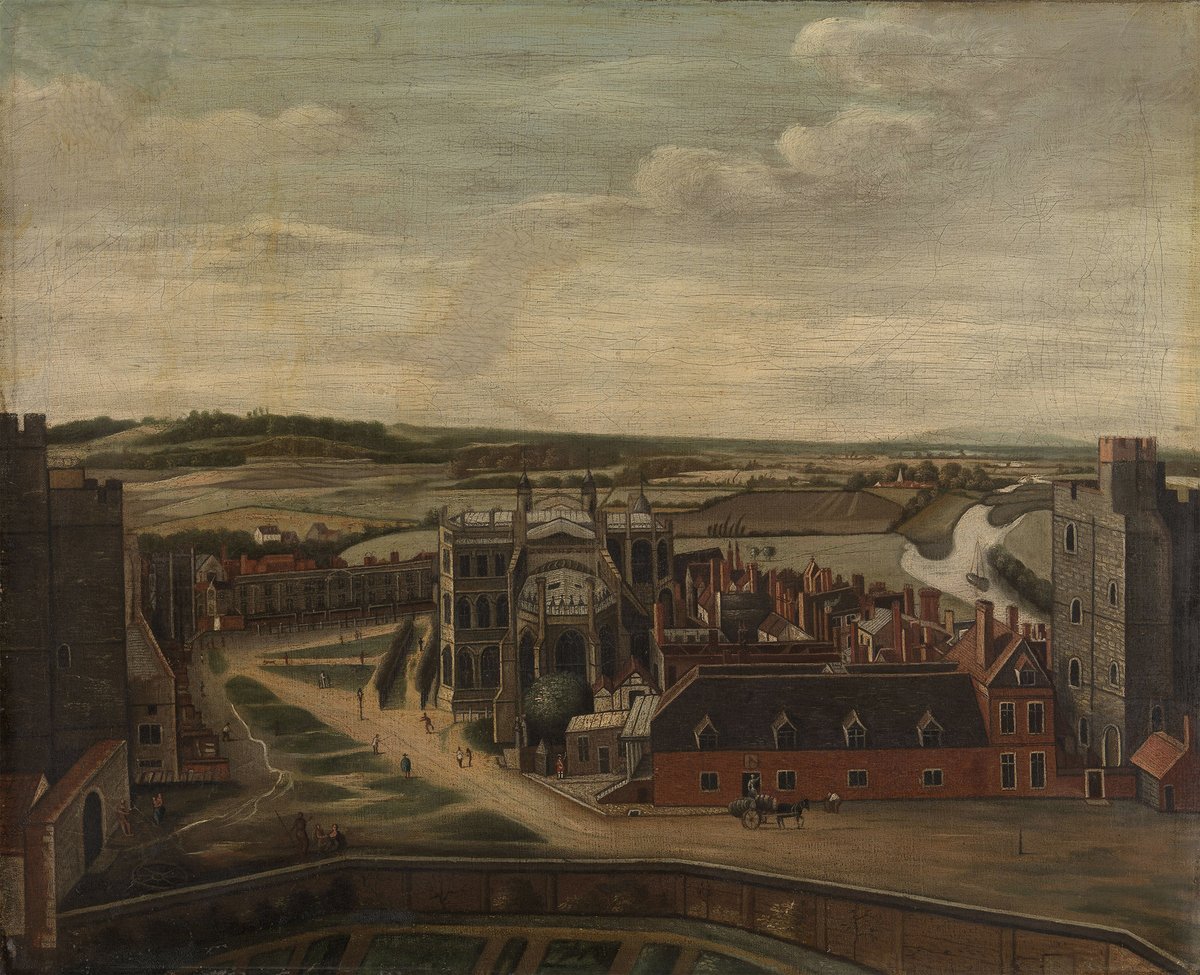
In the 16th century, Ankerwycke was transformed into parkland and a formal garden by Sir Thomas Smith, a Tudor diplomat, academic, and courtier. His riverside mansion once hosted Queen Elizabeth I. In 1804, the Tudor house was demolished, and a Georgian mansion and farming estate were built in its place by John Blagrove, who had made his fortune as a plantation owner in Jamaica (National Trust).
1930s Nightclub
In the 20th century, the Ankerwycke estate saw yet another transformation when it became the site of a 1930s nightclub. This period added a layer of modern history to the already rich tapestry of Ankerwycke's past (National Trust).
Preservation and Recognition
The Ankerwycke Yew and its surrounding historical sites have been under the care of the National Trust since the 1990s. In 2002, the Ankerwycke Yew was designated one of fifty Great British Trees by The Tree Council, recognizing its historical and cultural significance (Wikipedia).
Symbolic Significance
The symbolic significance of Ankerwycke in the story of democracy is further highlighted by the presence of the John F. Kennedy Memorial at Runnymede. This memorial, inaugurated by Her Majesty the Queen and President Kennedy's widow, Jackie, in 1965, commemorates the enduring legacy of the Magna Carta and its influence on democratic principles worldwide (National Trust).
Visitor Information
Visiting Hours and Tickets
Ankerwycke Yew is open to visitors all year round. There are no specific visiting hours, but it is recommended to visit during daylight hours to fully appreciate the site. There is no admission fee required to visit the Ankerwycke Yew or the surrounding areas.
Travel Tips and Nearby Attractions
Ankerwycke is located near Wraysbury, Berkshire, and can be accessed by car or public transport. The nearest train station is Wraysbury, which is a short walk from the site. Nearby attractions include Runnymede, where visitors can explore the Magna Carta Memorial and the John F. Kennedy Memorial.
Accessibility
The Ankerwycke site is partially accessible to visitors with disabilities. Some paths may be uneven and challenging to navigate. It is advisable to wear comfortable footwear and be prepared for varying terrain.
FAQ
- Q: What are the visiting hours for the Ankerwycke Yew?
- A: Ankerwycke Yew is open all year round, with no specific visiting hours. It is best to visit during daylight hours.
- Q: How much are tickets to visit Ankerwycke Yew?
- A: There is no admission fee to visit Ankerwycke Yew.
- Q: Are there guided tours available at Ankerwycke?
- A: While there are no regular guided tours, special events and guided walks are occasionally organized by the National Trust. Check their website for details.
Listen to the full story in the app
The whole Wraysbury,
told well.
Audio guides for 1,100+ cities across 96 countries. History, stories, and local insight — offline ready.

Verified, and shown.
Researched and written by the Audiala editorial team from historical records, architectural archives, and local expertise.
Ankerwycke Yew
The History of Runnymede and Ankerwycke
(2019, September 20). Ankerwycke Yew: The magical Surrey tree that's 2,500 years old
Runnymede and Ankerwycke
Researched from Wikidata, Wikipedia & official sources · fact-checked · How we make our guides →