Plan and listen to York House with Audiala.
Audio guide in your pocket, itinerary in your browser. Built for the way you actually visit.
Introduction to York House, Richmond: History and Visitor Essentials
York House, set in the picturesque London Borough of Richmond upon Thames, is a historic estate that beautifully weaves together centuries of English, French, and Indian heritage. Originally built in the 17th century and now a Grade II* listed building, York House boasts elegant Georgian architecture, lush gardens, and a rich civic legacy. Its famed "Naked Ladies" marble statues, riverside walks, and storied history—from royal and noble ownerships to its modern civic role—make it a standout destination for history buffs, architecture aficionados, and casual visitors alike.
Today, while the main house primarily serves as the borough's municipal offices, the gardens and grounds remain a welcoming retreat for the public. Free admission, accessible facilities, and excellent transport links ensure a smooth visitor experience. This comprehensive guide covers York House’s history, architectural highlights, visiting hours, ticketing, accessibility, and nearby attractions, offering everything you need to plan a rewarding visit. For official updates, visit the York House Society and the Richmond Council York House page.

Historical Timeline
Early Origins (15th–17th Centuries)
York House’s story begins in 1446 with Yorke Farm—43 acres of manorial land in Twickenham, leased to William Yorke and his wife Agnes, whose name the estate still bears (York House Society). The property became intertwined with royal affairs in the 16th century, passing through the hands of King Henry VIII and Queen Henrietta Maria. The core of the existing mansion was constructed in the 1630s for Andrew Pitcarne, a courtier to King Charles I, before passing through various prominent families (Wikipedia).
18th–19th Century Transformations
Ownership changed hands several times in the following centuries, with significant residents including Archbishop Cleaver of Dublin and celebrated sculptor Anne Damer, who added a studio and conservatory. In 1864, the Duc d’Aumale bought York House for his nephew, the Comte de Paris—French royalty in exile. Their tenure left lasting marks, such as royal French emblems embedded in the estate (York House Society).
The Tata Era and Early 20th Century
In 1906, the Indian philanthropist Sir Ratan Tata purchased York House, dramatically enhancing its gardens and architecture. Tata shifted the main entrance, added a loggia, and commissioned the Italianate riverside lawns and the iconic “Naked Ladies” statues (Wikipedia). After Tata’s death in 1918, his widow remained until 1922 (York House Society).
Civic Ownership and Modern Role
York House entered civic life in 1924, purchased by the Twickenham Urban District Council. It soon became the borough’s administrative center and remains so today (York House Society). The Twickenham Yacht Club occupies the historic boathouse, and the house continues to serve as a venue for council meetings, community events, and weddings (Wikipedia).
Architectural and Garden Highlights
The House
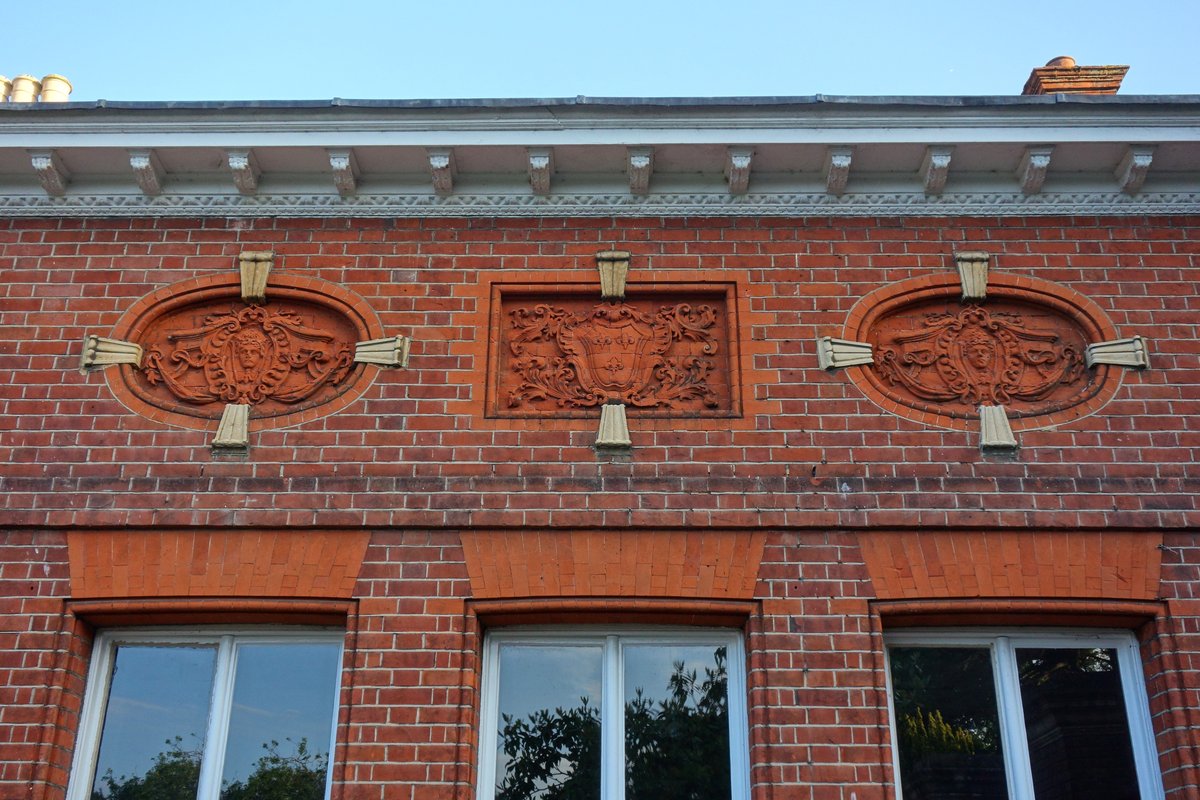
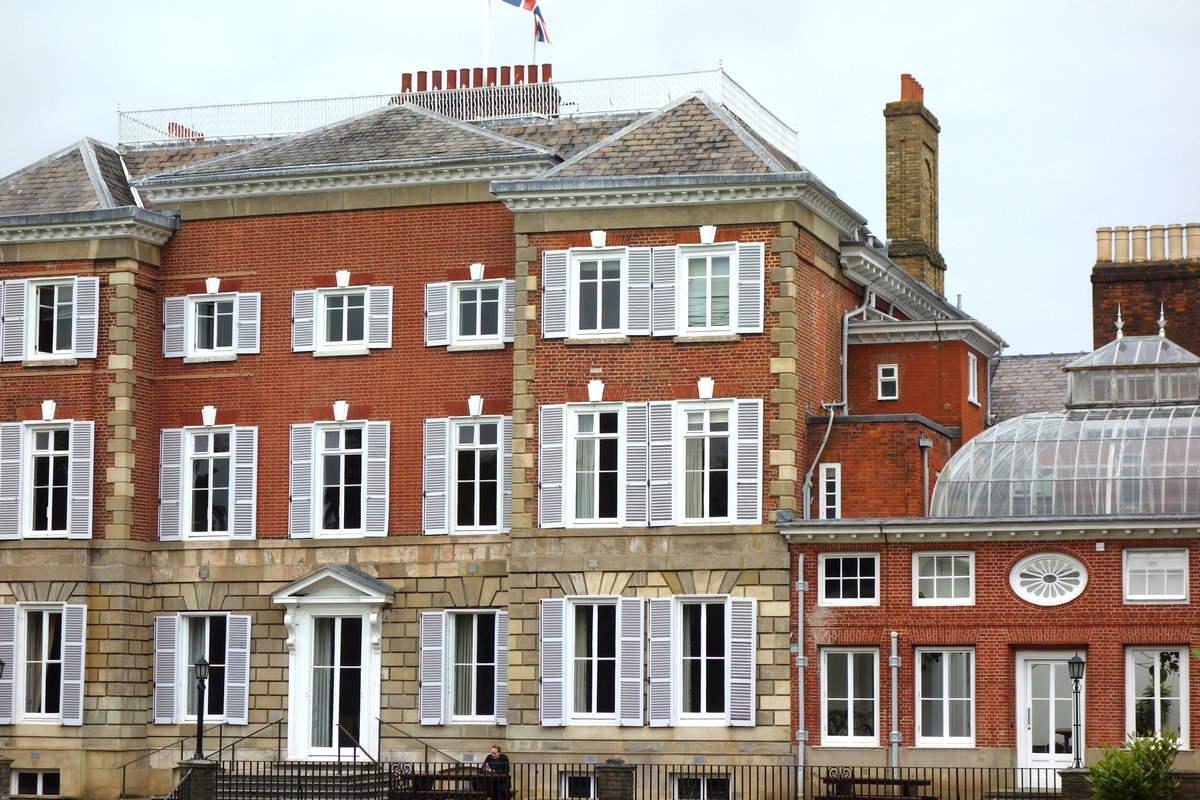
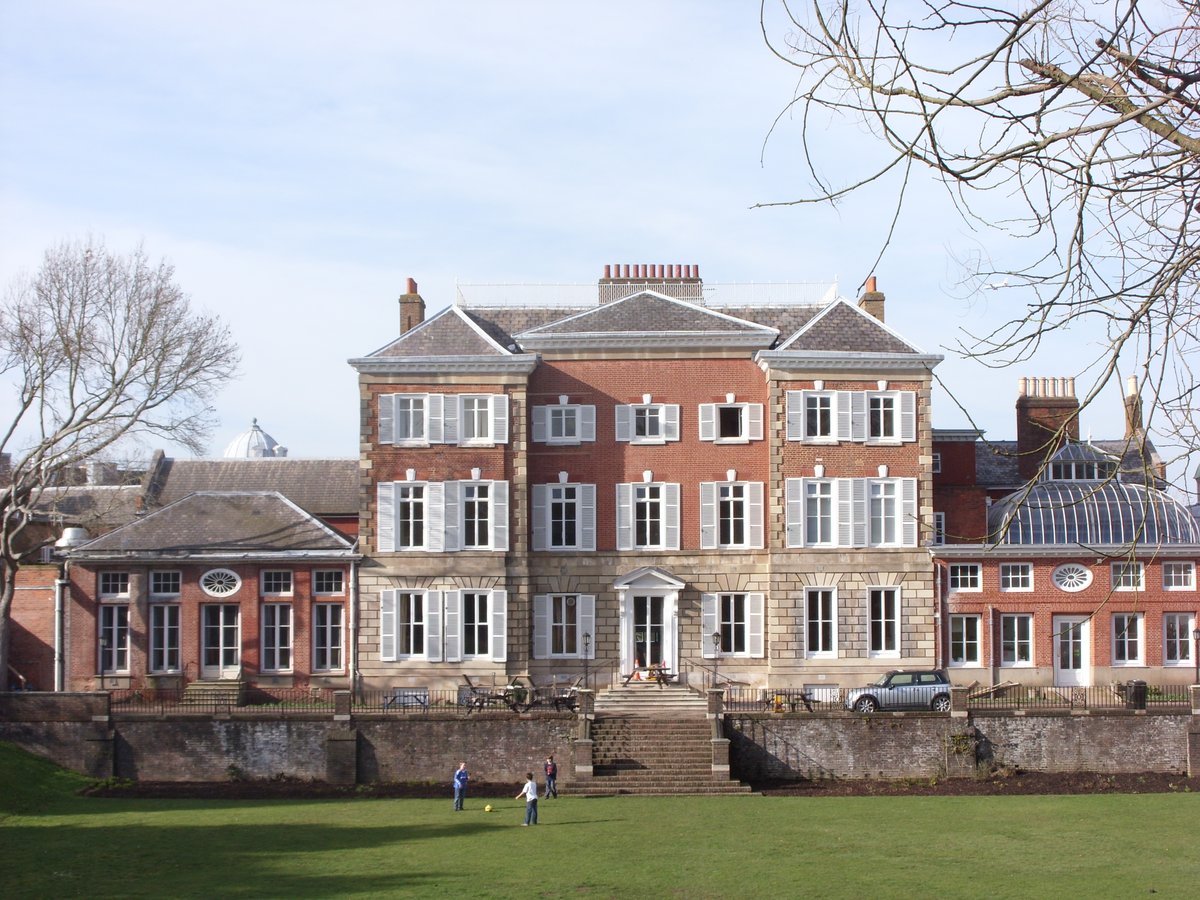
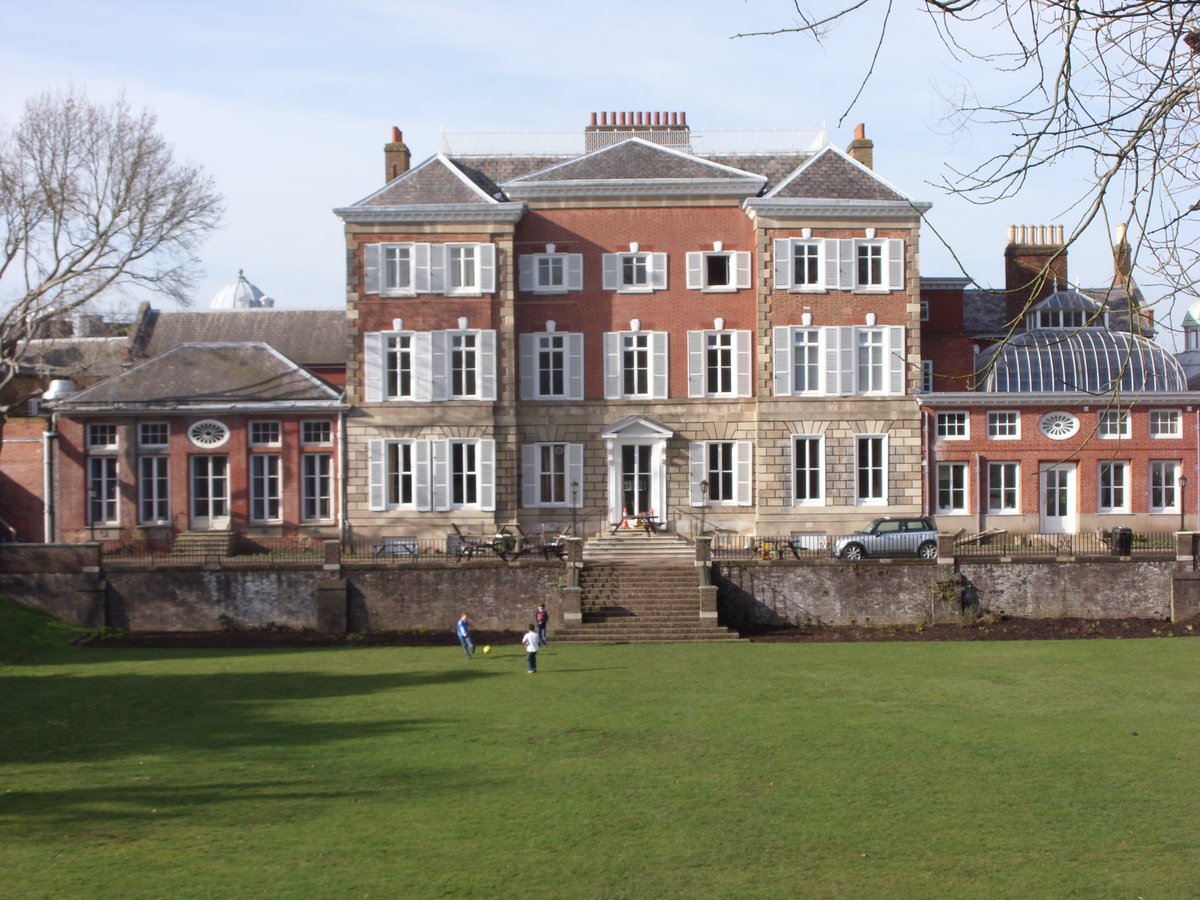
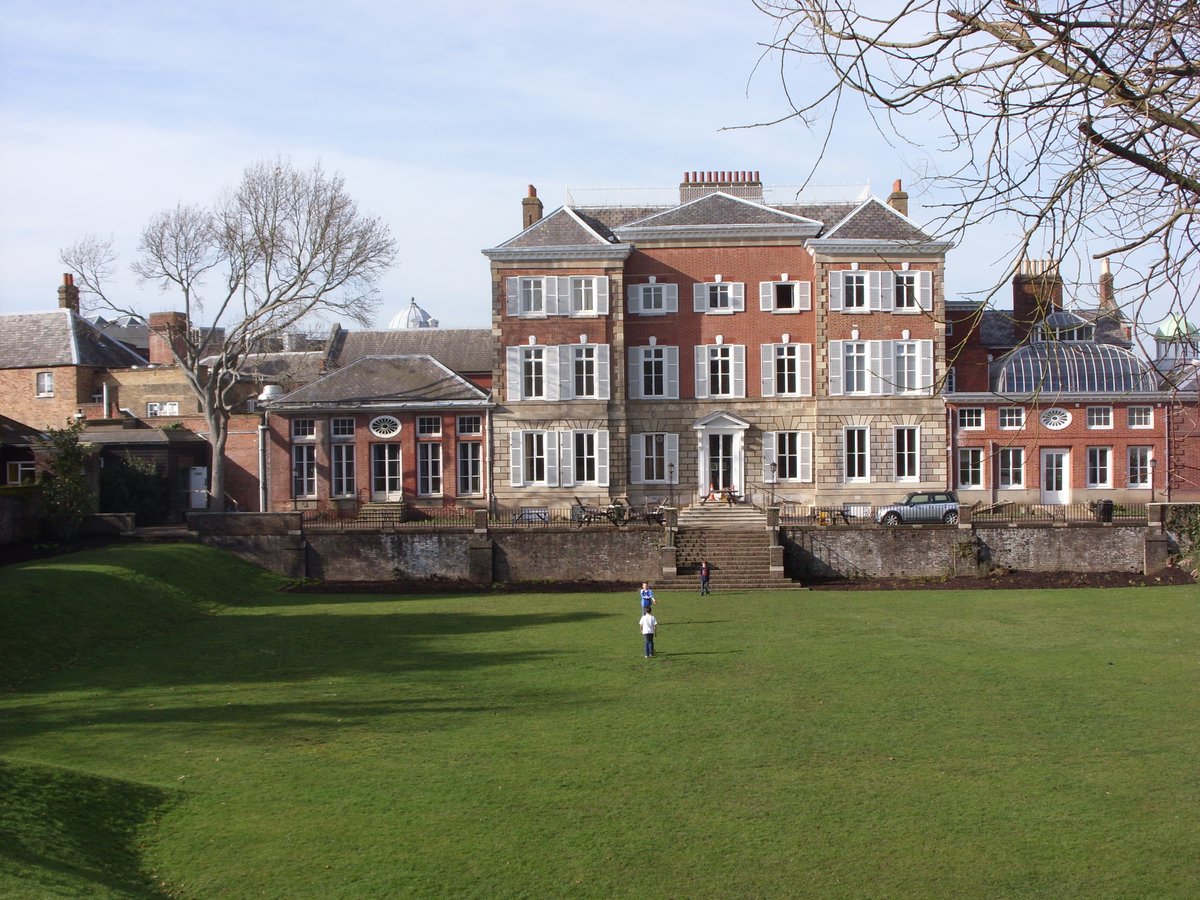
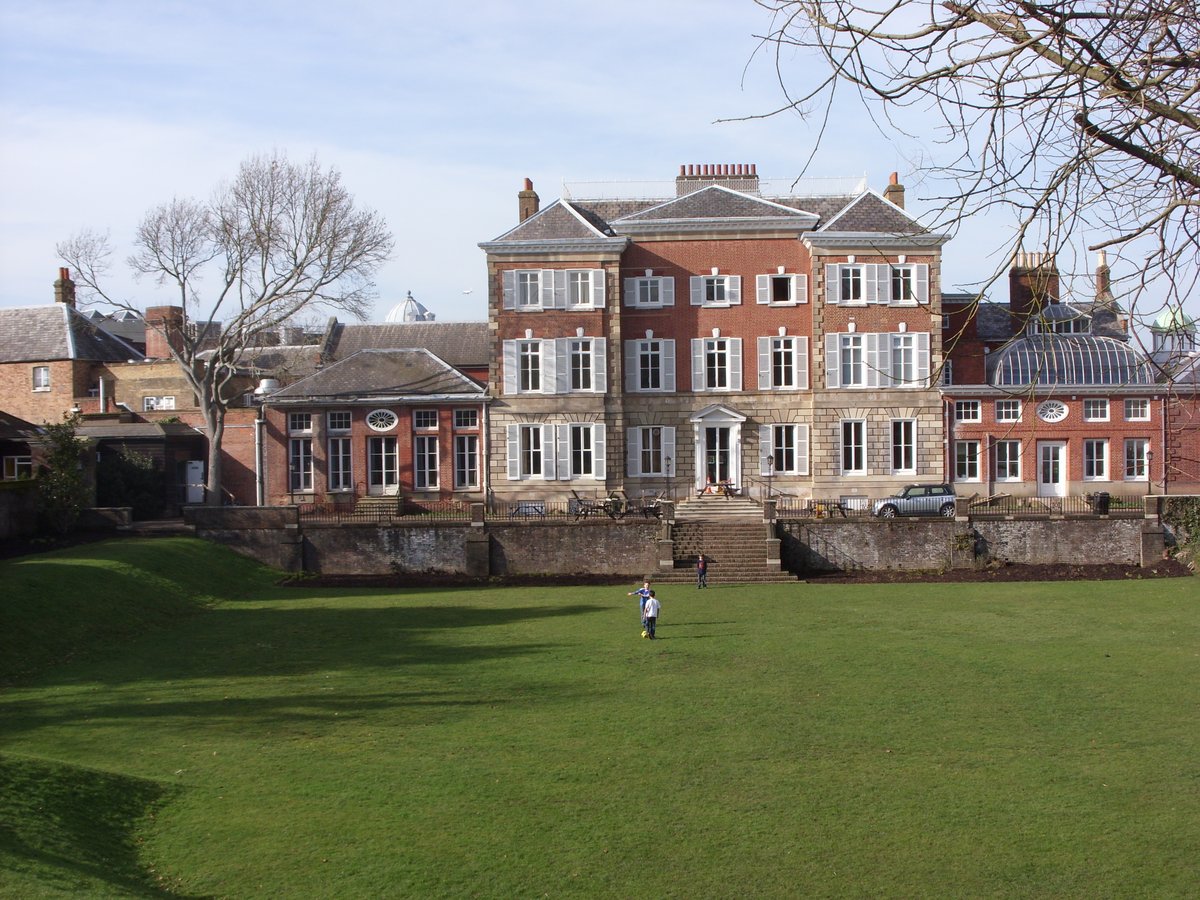
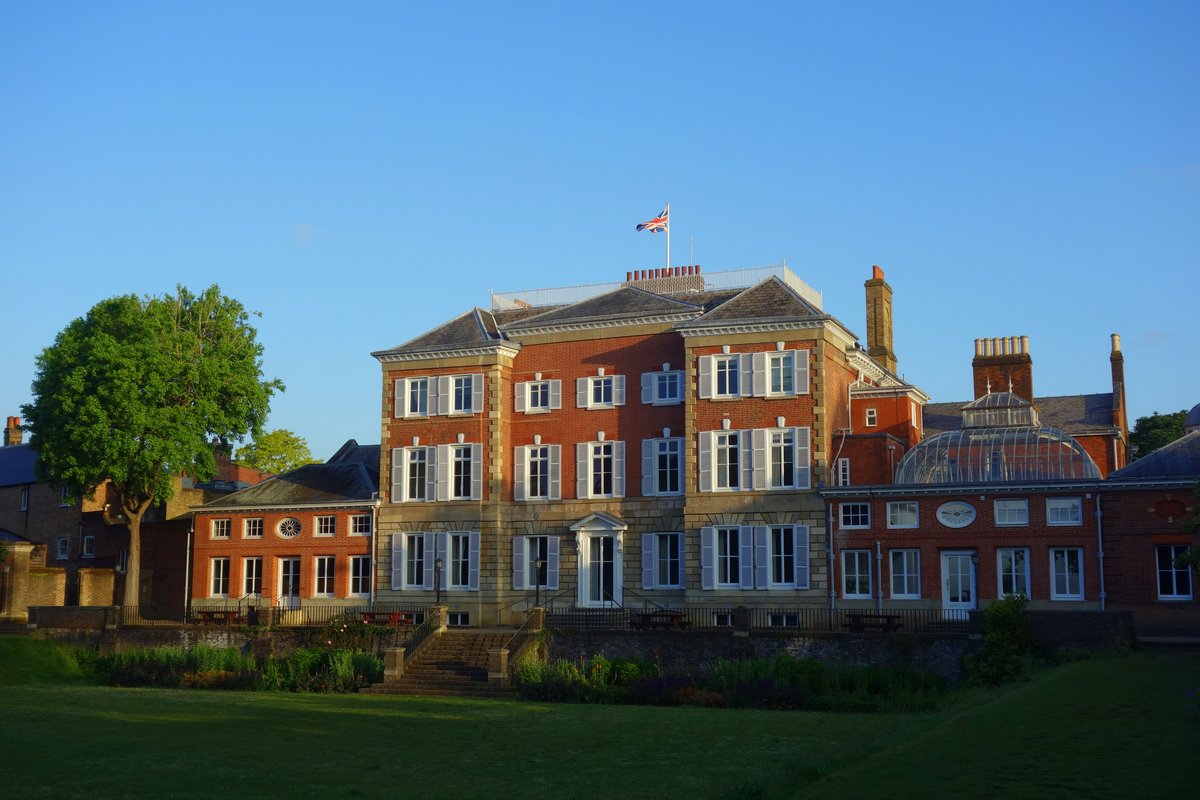
York House is an exemplar of Georgian domestic architecture: red brick with stone dressings, balanced proportions, sash windows, and a stately approach via a tree-lined driveway (York House Society). Interiors feature original oak staircases, ornate salons, and a council chamber adorned with Edwardian detailing. Photographs from the Tata family period are displayed for visitors.
The Gardens: Sculptures and Design
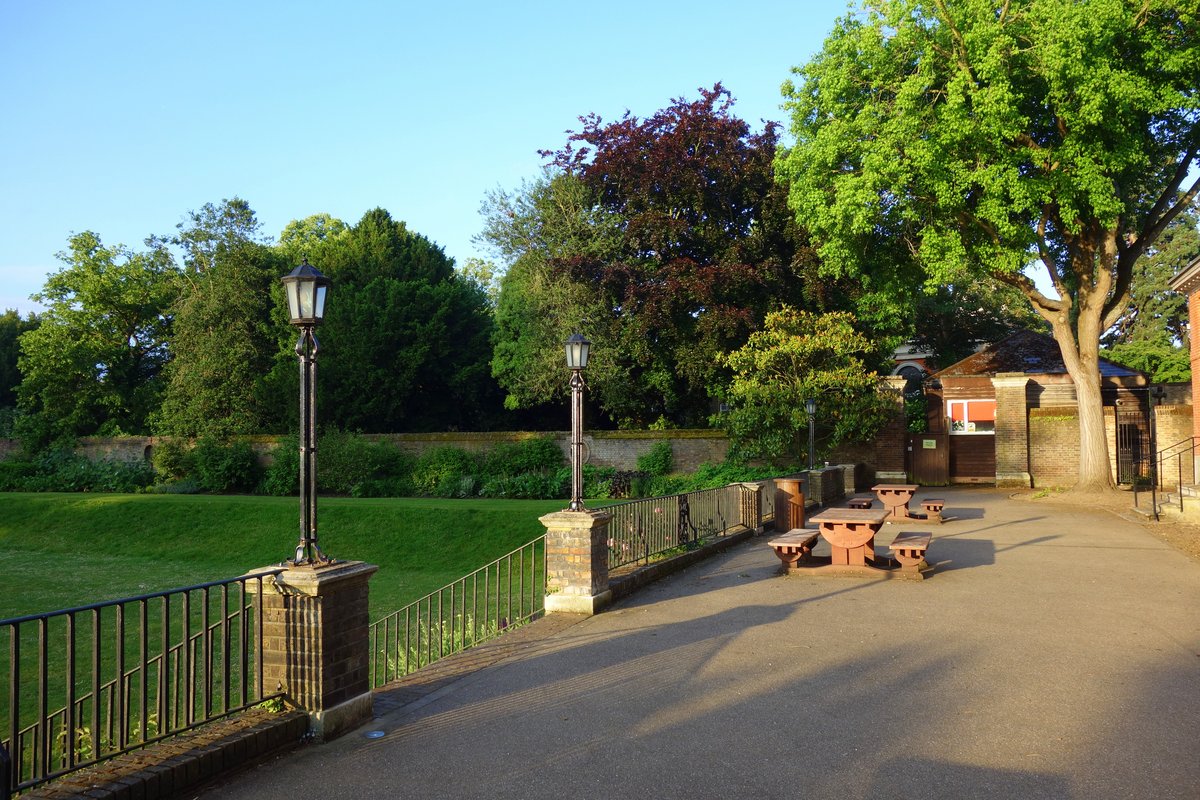
The gardens reflect centuries of evolving landscape fashion. Sir Ratan Tata’s vision led to the creation of a sunken garden, Italianate terraces, and the celebrated “Naked Ladies” statues—an ensemble of marble sea nymphs imported from Italy. The riverside lawns, Japanese garden, and formal and informal planting schemes offer visitors a diverse horticultural experience (Richmond Council).
Riverside Walks and Features
Backing onto the Thames, the estate’s gardens offer access to riverside paths and tranquil picnic spots. Bridges, ponds, and ornamental features such as a Chinese-style bridge add variety and interest to the landscape (York House Society).
Artistic and Cultural Significance
York House has served as a filming location for movies and music videos, including “Alfie” (1966) and The Cure’s “The Hanging Garden” (Wikipedia).
Visiting York House: Practical Information
Hours & Admission
- Gardens: Open daily from dawn until dusk.
- House: Interior access is limited; open only during special events or heritage days.
- Admission: Entry to gardens is free. Some events or tours may require booking or a nominal fee (Richmond Council).
Tours & Events
Guided tours are occasionally available, especially on heritage open days or by arrangement with local groups (York House Society). York House hosts art exhibitions, concerts, open-air theatre, and is a popular wedding venue (Richmond Council events).
Accessibility & Facilities
- Gardens: Step-free access; accessible toilets available.
- House: Some areas may be inaccessible due to historic features; contact in advance for assistance.
- Assistance Dogs: Welcome in the gardens.
- Families: Open lawns for play; no playgrounds but ample space for picnics and informal games (York House Society).
Getting There & Parking
- By Train: Twickenham station (10-min walk; direct trains from London Waterloo).
- By Bus: Multiple routes serve Twickenham and Richmond.
- By Car: Limited on-street parking; public transport is recommended, especially during events (Jennie Wanders).
Nearby Attractions
- Orleans House Gallery: Historic riverside gallery with free admission (Orleans House Gallery).
- Marble Hill House: Georgian villa and parkland (English Heritage).
- Twickenham High Street: Cafés, pubs, and local shops (A Lady in London).
- Richmond Park: Expansive royal park ideal for walking and wildlife.
Visitor Tips
- Best Times: Late spring and summer for vibrant gardens. Weekdays for a quieter visit.
- What to Bring: Comfortable shoes, picnic supplies, camera, weather-appropriate clothing.
- Rules: Dogs allowed on leads; no picking flowers; dispose of litter responsibly.
- Photography: Personal photography allowed; professional shoots require permission (York House Society).
Frequently Asked Questions (FAQ)
Q: What are York House’s visiting hours?
A: Gardens open daily from dawn to dusk. House open during special events.
Q: Is there an admission fee?
A: No; gardens are free, although some events or tours may require tickets.
Q: Can I bring my dog?
A: Yes, dogs on leads are welcome in the gardens.
Q: Is York House accessible for wheelchairs?
A: The gardens are step-free, and accessible toilets are available. Some indoor areas may be restricted.
Q: Are guided tours available?
A: Yes, during select events or by arrangement; check the council or York House Society websites for details.
Q: Is parking available?
A: Limited local parking; public transport is advised.
Listen to the full story in the app
The whole York House,
told well.
Audio guides for 1,100+ cities across 96 countries. History, stories, and local insight — offline ready.
Verified, and shown.
Researched and written by the Audiala editorial team from historical records, architectural archives, and local expertise.
York House History
York House, Twickenham. Wikipedia
York House Gardens
York House FAQ
York House
Marble Hill House
(2018). Things to Do in Richmond, London
(2018). Richmond London
Researched from Wikidata, Wikipedia & official sources · fact-checked · How we make our guides →