Plan and listen to Sheen Priory with Audiala.
Audio guide in your pocket, itinerary in your browser. Built for the way you actually visit.
Introduction
Sheen Priory, also known as Shene Charterhouse or the House of Jesus of Bethlehem, is a hidden yet significant medieval site in Richmond. Though it no longer stands above ground, its history weaves through the landscape of East Sheen and Richmond Park, offering insights into England's monastic and royal traditions. This guide delivers a concise yet thorough overview of Sheen Priory’s past, how to explore its legacy today, and practical advice for visitors.

Foundation and Royal Context
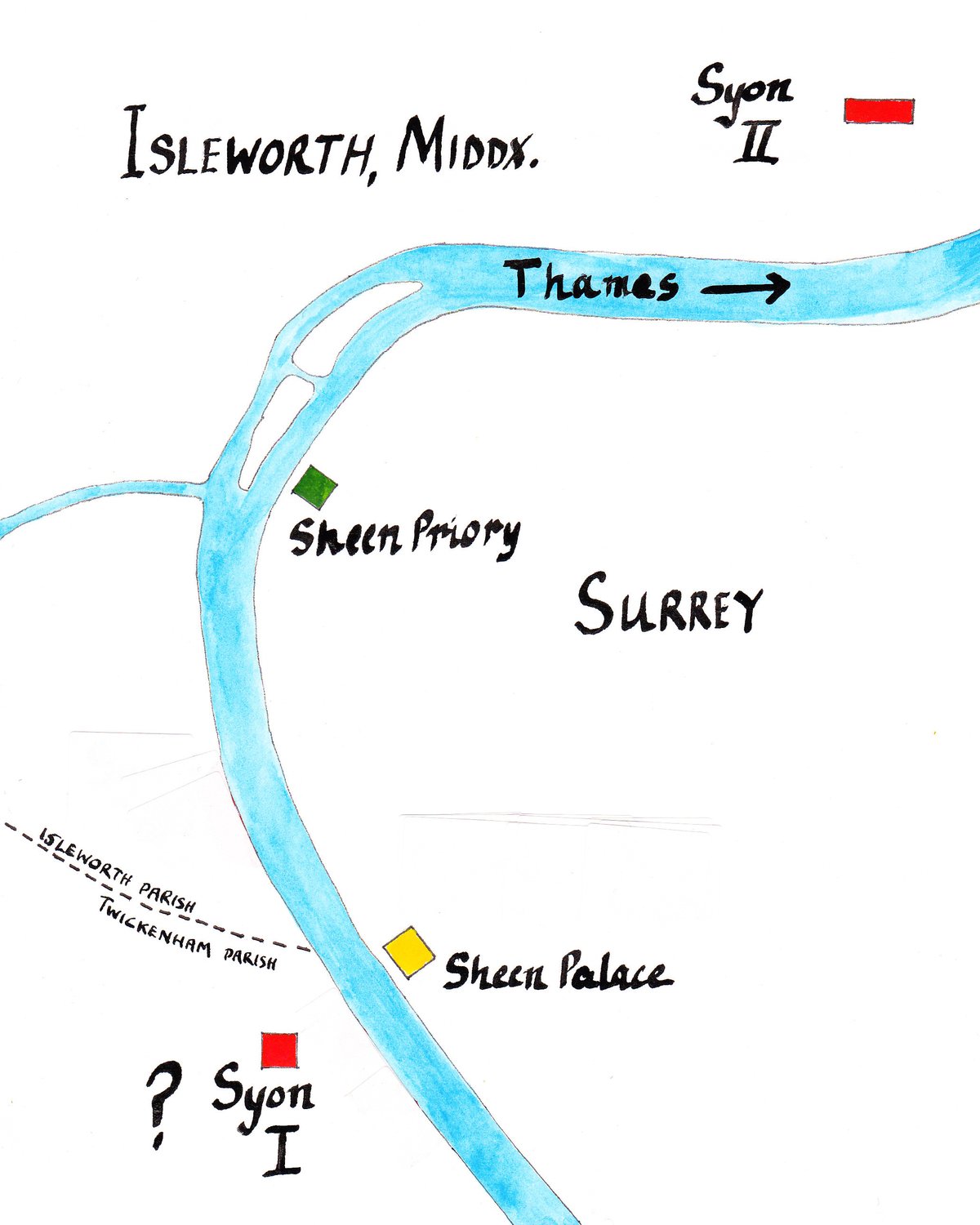
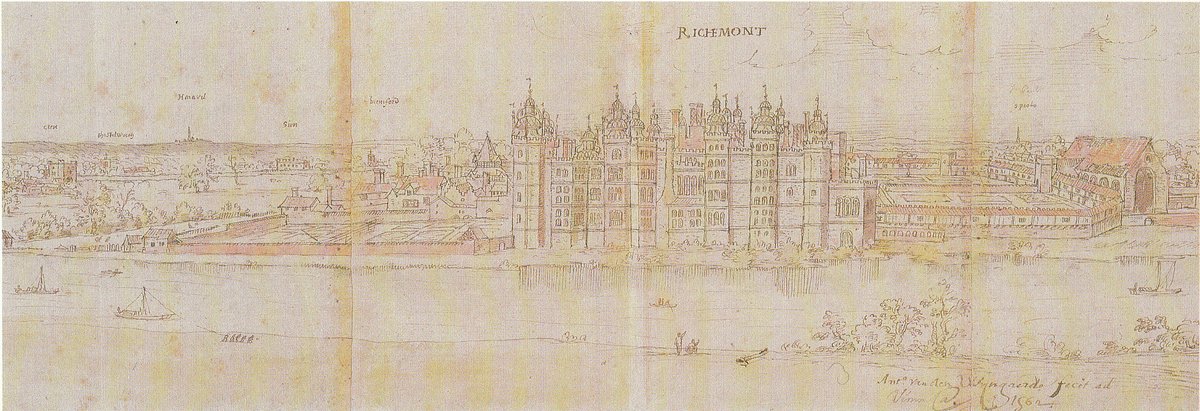
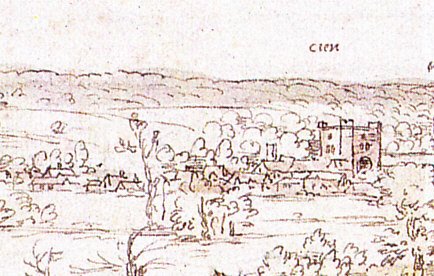
Established in 1414 by Henry V, Sheen Priory was conceived as part of the "King’s Great Work," symbolizing both spiritual fulfillment and dynastic legitimacy. Built near Sheen Palace (renamed Richmond Palace in 1501), the priory’s foundation cemented the Lancastrian dynasty’s religious and political influence in this part of England (Historic England).
Monastic Life and Structure
The priory housed 30-40 Carthusian monks, renowned for their contemplative lifestyle. The architectural layout featured individual cells around a cloister, communal worship spaces, and separate quarters for recluses and chaplains. Endowments and landholdings along the Thames ensured its economic and strategic significance (Historic England).
Religious Influence and Political Role
Sheen Priory became a center of intellectual and spiritual life, attracting royal patronage and involvement in major theological debates. Its monks participated in significant national events, including resistance to Henry VIII’s divorce and the turbulent Reformation period. The priory’s connections to the monarchy positioned it as a hub of both religious devotion and political counsel.
Dissolution and Legacy
The priory was dissolved by Henry VIII in 1539, briefly revived by Queen Mary I in 1556, and finally suppressed under Elizabeth I in 1559. Its buildings were repurposed or demolished, with the site later incorporated into the royal estate and eventually redeveloped for the King’s Observatory and a golf course (Encyclopedia.com). Archaeological remains persist underground, protected as a scheduled monument (Historic England).
Visiting Sheen Priory: Practical Information
Accessibility and Public Access
Can you visit Sheen Priory?
- The original priory site is beneath the Royal Mid-Surrey Golf Course and King’s Observatory in Richmond Old Deer Park. There are no visible remains or a dedicated visitor center, and direct public access is not permitted.
- Occasionally, local heritage organizations may offer special open days or guided walks referencing the priory (Richmond Borough Council - Heritage).
Nearby Attractions
While Sheen Priory is inaccessible, visitors can immerse themselves in nearby historical and natural sites:
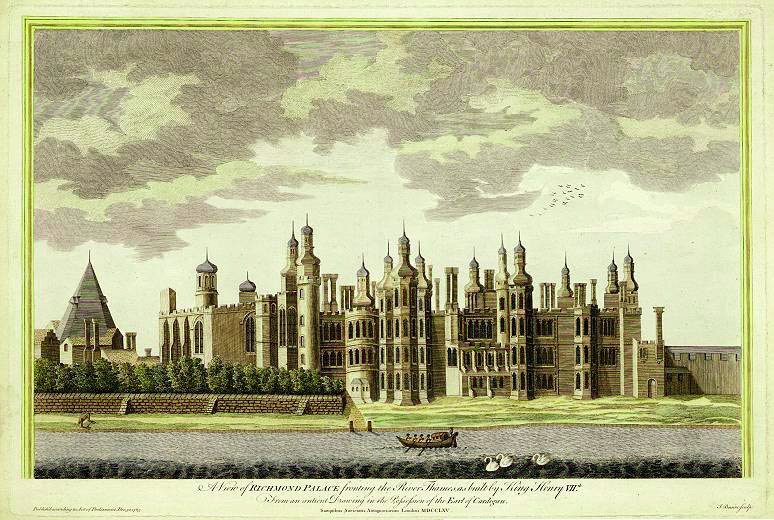
- Richmond Palace Ruins: Remnants of the royal residence closely linked to the priory’s history.
- Richmond Park: Formerly part of the Manor of Sheen, this expansive royal park offers landscapes reminiscent of the priory’s medieval surroundings.
- Kew Gardens: The Royal Botanic Gardens, a World Heritage Site, lies nearby.
- East Sheen Village: A vibrant neighborhood with independent shops, cafés, and community events (Visit Richmond: Explore).
- Ham House & Marble Hill House: Historic riverside estates reflecting the area’s aristocratic past (Secret LDN).
Getting There
- By Train: Richmond Station (District Line and National Rail) offers access to Richmond town center. North Sheen and Mortlake stations serve East Sheen (Royal Parks FAQs).
- By Bus: Several routes serve Upper Richmond Road and Sheen Lane. Use Transport for London’s journey planner for current schedules.
- By Car: Free parking is available at Sheen Gate Car Park and other park entrances, but spaces fill quickly on weekends. Blue Badge spaces are available (AccessAble Guide).
- By Bicycle: Dedicated cycleways and bike racks are provided at park entrances.
Facilities and Amenities
- Food and Drink: East Sheen offers a range of cafés, pubs, and restaurants (Eating Out in East Sheen).
- Public Toilets: Accessible facilities are located at Sheen Gate and other park entrances (Richmond Nub News).
- Shops and Essentials: The high street in East Sheen features boutiques, pharmacies, and ATMs (East Sheen Village).
Frequently Asked Questions (FAQ)
Q: Can I visit Sheen Priory ruins?
A: No, the site is located beneath a golf course with no public access or visible remains.
Q: What are Sheen Priory’s visiting hours and ticket requirements?
A: There are no opening hours or tickets, as the site is not open to the public.
Q: Are there guided tours about Sheen Priory?
A: Some local history walks and special heritage events may cover the priory’s history.
Q: How do I get to the general area?
A: Use Richmond, North Sheen, or Mortlake stations, or local bus routes to reach East Sheen and Richmond Park.
Q: What other historical sites are nearby?
A: Richmond Palace ruins, Richmond Park, Kew Gardens, and Ham House are all close by.
Tips for a Meaningful Visit
- Explore Richmond Park: Walk or cycle through historic landscapes once part of the priory’s estate.
- Use Self-Guided Maps: Download historical overlays to envision where the priory once stood.
- Engage with Local History: Visit the Richmond Reference Library for documents and illustrations.
- Plan Around Events: Check for open gardens, heritage days, and local history walks (VisitRichmond Events).
- Respect Wildlife and Heritage: Keep to marked paths, do not disturb plaques or wildlife, and take litter with you.
Discover More
Sheen Priory remains a vital thread in Richmond’s historical fabric—a story of royal ambition, spiritual aspiration, and enduring community memory. While the priory itself cannot be visited, its legacy endures in the landscape, local place names, and the surrounding historic sites. For an enriched experience, combine your exploration of Richmond Park and East Sheen with digital resources, community events, and local history walks.
For further details, guided audio tours, and the latest news on Richmond’s historical sites, download the Audiala app and follow official heritage channels. Stay informed and inspired as you discover the captivating history of Sheen Priory and its environs.
Listen to the full story in the app
The whole Sheen Priory,
told well.
Audio guides for 1,100+ cities across 96 countries. History, stories, and local insight — offline ready.
Verified, and shown.
Researched and written by the Audiala editorial team from historical records, architectural archives, and local expertise.
Researched from Wikidata, Wikipedia & official sources · fact-checked · How we make our guides →