An introduction.
Researched by the Audiala editorial team from historical records, architectural archives, and local expertise.
TThe reason your morning tea tastes the way it does — and not like the bark-water Europeans choked down for centuries — traces back to plant hunters dispatched from a 300-acre garden in Richmond, United Kingdom. The Royal Botanic Gardens Kew is that garden, and it has spent over 260 years quietly reshaping what the world eats, drinks, and breathes. It is also, against all odds, one of the most beautiful places in London.
Kew holds the largest and most diverse botanical collection on Earth: more than 50,000 living plants, 8.5 million preserved specimens, and a fungarium that would take you roughly four lifetimes to examine sheet by sheet. The numbers are staggering. But what makes Kew worth your afternoon isn't the scale — it's the strange intimacy of standing inside a Victorian glasshouse built to contain an entire rainforest, feeling the humidity hit your face like a wall.
This is a place where suffragettes committed arson, where bomb aerodynamics were tested inside an 18th-century pagoda, and where a time capsule buried by David Attenborough in 1985 sits sealed beneath a conservatory floor. The lawns look polite. The history is anything but.
Kew sits in the southwest London borough of Richmond upon Thames, a short ride on the District line to Kew Gardens station. The walk from the platform to the Victoria Gate takes about five minutes. Give yourself at least half a day — a full day if you actually want to read the labels.
Kew Gardens - Virtual Tour
Visit Richmond01 What to see.
The Palm House
You'd expect a Victorian glasshouse to feel quaint. This one feels like boarding a ship that never left port. Designed by Decimus Burton and engineer Richard Turner, the Palm House opened in 1848 with a hull-shaped iron skeleton — 362 feet long, roughly the length of a football pitch — clad in 16,000 panes of hand-blown glass. Step inside and the temperature jumps ten degrees in seconds; the air turns thick with the mineral scent of wet earth and the green sweetness of tropical leaves the size of dining tables. Condensation drips from the iron ribs overhead in a slow, irregular rhythm that becomes the room's pulse.
What most visitors miss is underfoot. Beneath the Palm House run hidden tunnels, originally built to shuttle coal and vent smoke so the boilers could heat the glass cathedral above without blackening it with soot. The tunnels aren't open to the public, but knowing they're there changes how you read the building — all that lush, dripping warmth was once fed by industrial fire hidden from polite view. Here's a detail to look for: the ironwork was originally painted blue-green, supposedly to encourage plant growth. It didn't work. But the impulse — engineering bending to superstition — tells you everything about the Victorian mind.
The Temperate House
The Temperate House is the Palm House's bigger, more composed sibling — 4,880 square metres of glass, 15,000 individual panes, making it the largest surviving Victorian glasshouse on earth. Begun in 1860 and not fully completed until 1899, it spent five years closed for a painstaking restoration that finished in 2018, with specialists using traditional lime-based mortars to keep the structure historically honest. The result is a building that looks like it could shatter in a strong wind but has, in fact, survived the Blitz.
Inside, the scale shifts your sense of proportion. The central nave rises high enough that mature palm trees don't come close to touching the ceiling, and the light — filtered, diffused, softened by all that glass — has a quality you won't find anywhere else in London. It's cooler than the Palm House, gentler. The planting leans toward Mediterranean and subtropical species, so the air carries notes of citrus and dry bark rather than jungle humidity. Come in autumn, when the trees in the surrounding arboretum are turning copper and gold, and the contrast between the green world inside the glass and the dying season outside becomes almost theatrical.
The Marianne North Gallery and the Rhododendron Dell
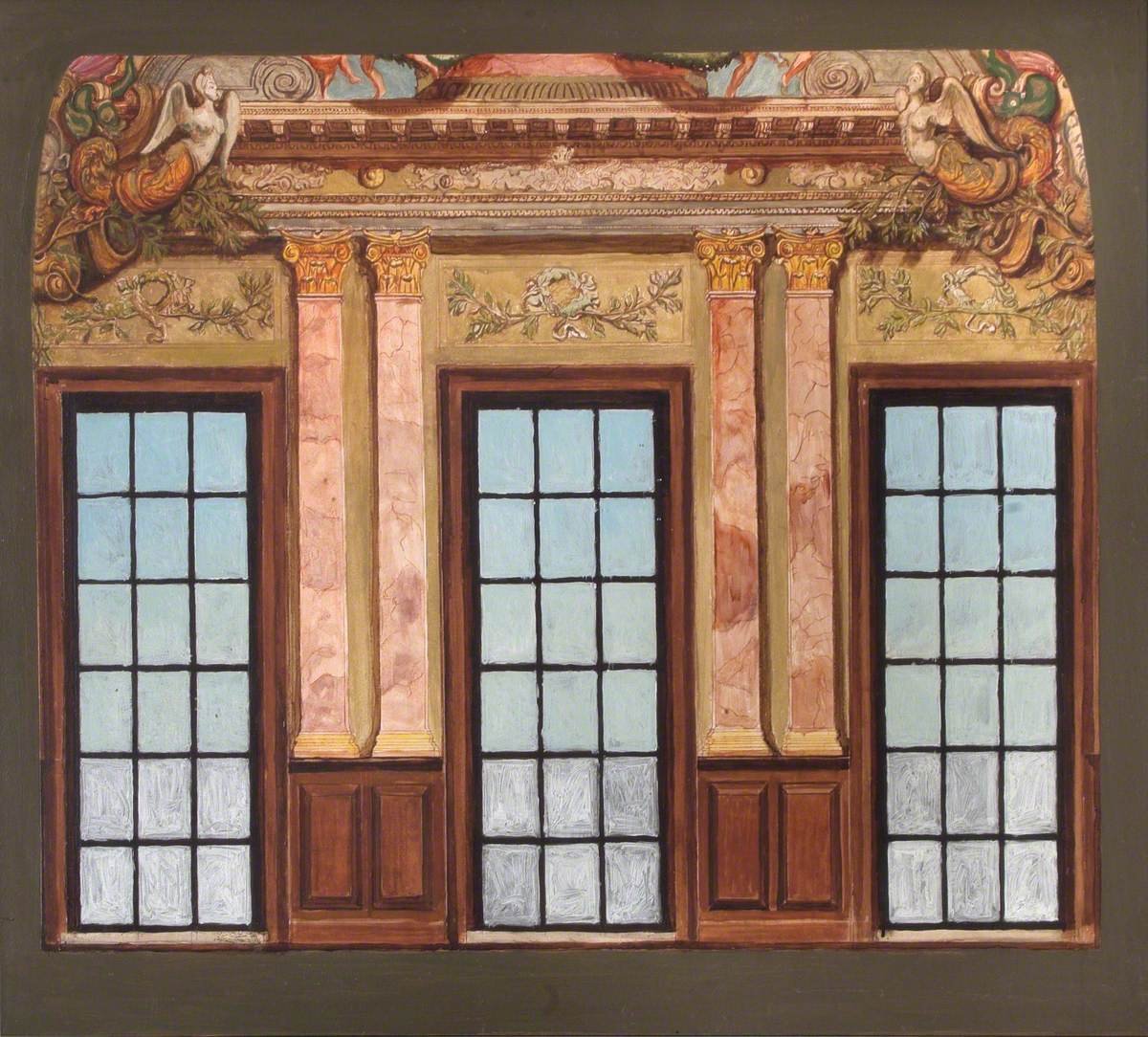
Most people spend their energy on the glasshouses and overlook two of Kew's most quietly extraordinary corners. The Marianne North Gallery, built in 1882, is a single room lined floor-to-ceiling with 832 botanical paintings — every inch of wall covered — all by one self-taught Victorian woman who travelled alone to six continents to paint plants in situ. The effect is overwhelming, almost dizzying: a wallpaper of the entire botanical world rendered in oil.
Afterward, walk south toward the Rhododendron Dell, a sunken woodland hollow that feels genuinely removed from the rest of the gardens. Crowds thin dramatically here. In late spring the rhododendrons bloom in waves of pink, white, and deep crimson, but even outside flowering season the dell offers shade, silence, and the particular stillness of old trees. On your way, watch for the ha-ha — a sunken ditch designed in the 18th century to keep livestock out without interrupting the view. Most visitors walk right over it without a second glance. Once you see it, you start to understand Kew not just as a plant collection but as a 260-year exercise in controlling what the eye is allowed to notice.
02 In pictures.


Plan and listen to Royal Botanic Gardens Kew with Audiala.
Audio guide in your pocket, itinerary in your browser. Built for the way you actually visit.
Tickets & tours.
These are guided options from our partners — same price as booking direct.
Prices are indicative — final pricing and availability are confirmed at checkout. Audiala may earn a commission from bookings made through these links.
03 Visitor logistics.
The practical scaffolding for a good visit — kept short.
Getting There
Kew Gardens station sits on the District Line and London Overground — step off and it's a 500-metre walk to Victoria Gate, roughly six minutes on foot. If you're driving, on-site parking is minimal and first-come-first-served; locals recommend booking a residential spot through JustPark instead. The Thames Path also runs right alongside the gardens, so you can walk in from Richmond town centre in about 30 minutes along the river.
Opening Hours
As of 2026, the gardens open daily from 10:00 AM to 7:00 PM, with last entry at 6:00 PM. Individual glasshouses and the Treetop Walkway may close earlier within that window, so check the day's schedule at the entrance. The site stays open year-round, though Christmas at Kew and other after-hours events require separate tickets.
Time Needed
A focused sprint through the Palm House, Temperate House, and main vistas takes 2–3 hours. But 132 hectares is roughly the size of 185 football pitches — if you want the Treetop Walkway, Queen Charlotte's Cottage, and the Great Pagoda, commit a full 5–7 hours and wear shoes you actually like walking in.
Accessibility
The terrain is largely flat, and most glasshouses including the Palm House and Temperate House accommodate wheelchairs and strollers. Accessible toilets are available across the grounds. Check the official accessibility guide online before your visit for elevator locations in multi-level structures like the Pagoda.
Tickets & Cost
As of 2026, peak season (February–October) gate price is £25.50, but booking online drops it to £23 and effectively skips the ticket-office queue. Under-4s enter free. Always buy through kew.org — unofficial ticket sellers sometimes lurk near the tube station, and they're not worth the risk.
04 Tips for visitors.
Small things that change the day.
Photography Ground Rules
Personal photography is welcome, but drones are strictly banned and tripods generally require a permit for anything beyond casual use. Flash is technically allowed but discouraged inside the glasshouses — the humid, diffused light in the Palm House is more photogenic without it anyway.
Beat the Crowds
Weekday mornings in spring and early autumn are the sweet spot — school holidays and the Christmas light season turn the place into a theme park. Arrive right at 10 AM on a Tuesday or Wednesday and you'll have the Palm House practically to yourself for the first hour.
Eat Near Kew Green
The Glasshouse on Station Parade is Michelin-starred but surprisingly approachable — book ahead for a mid-range lunch that punches well above its price. For pub grub, The Kew Gardens Hotel on Kew Green does honest plates in a classic setting. Inside the gardens, the Orangery offers a proper afternoon tea if you want the full experience.
Pick Your Territory
Guidebooks imply you can see everything in a leisurely stroll. You can't. Locals pick one zone per visit — the Palm House and Rose Garden, or the Treetop Walkway and the wild Natural Area near Queen Charlotte's Cottage — and actually enjoy it rather than speed-marching across 132 hectares.
Don't Skip Marianne North
The Marianne North Gallery holds over 800 botanical paintings by a Victorian woman who travelled the world alone to paint them — every inch of wall is covered, floor to ceiling. It's tucked away from the main circuit and most visitors walk right past it. Their loss.
Ticket Touts Warning
Unofficial sellers occasionally approach visitors near Kew Gardens station offering discounted tickets. These are unreliable at best and fraudulent at worst — always book directly through kew.org for guaranteed entry and the actual online discount.
05 A Royal Playground That Swallowed the World
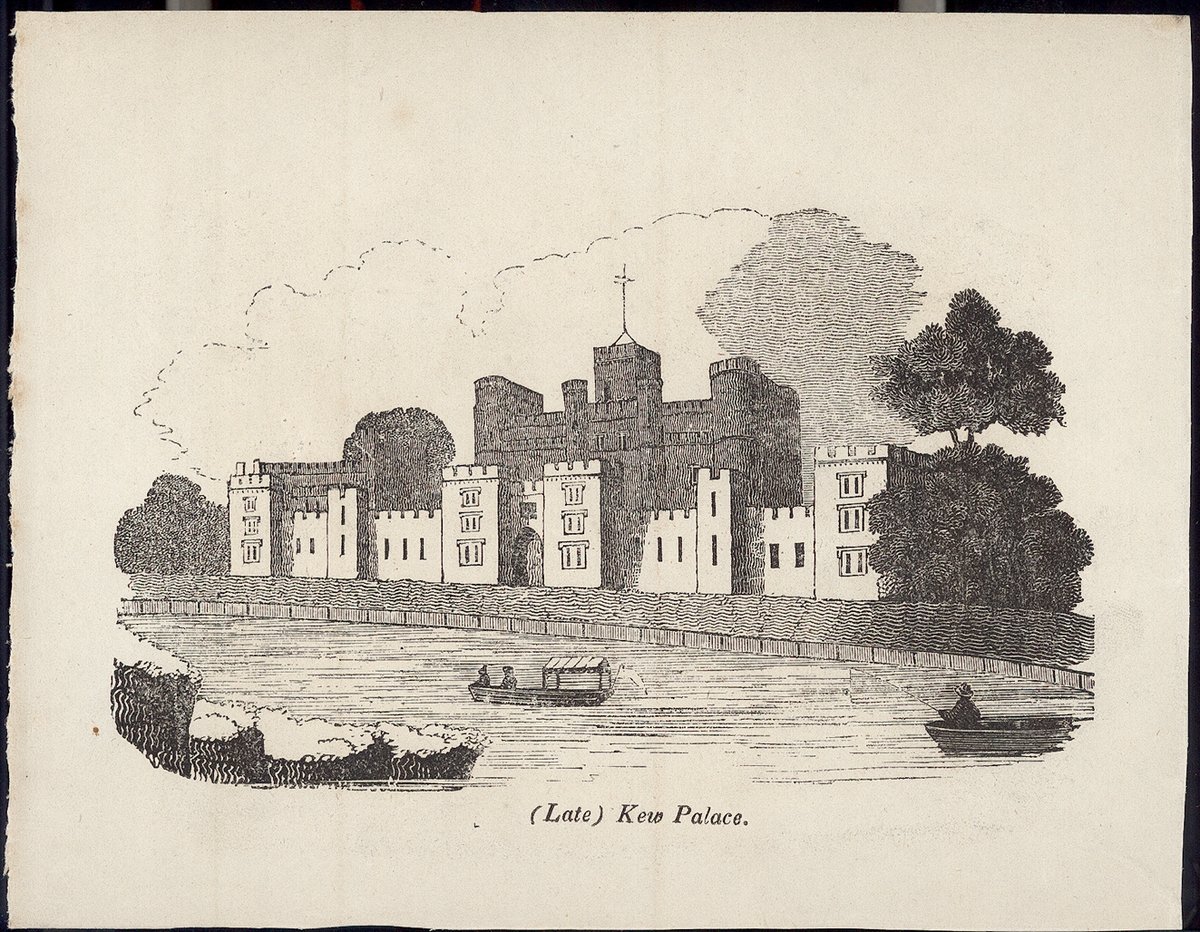
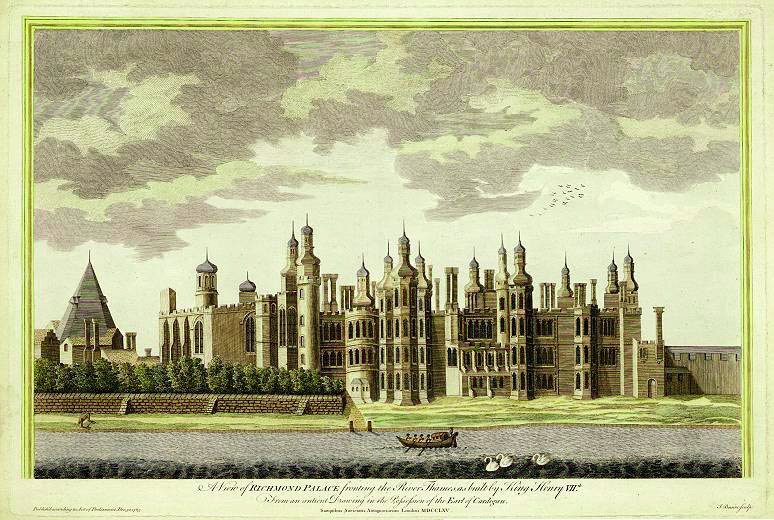
Kew did not begin as a scientific institution. In 1759, Princess Augusta, Dowager Princess of Wales, carved out a nine-acre pleasure garden within the royal estate — a private showcase of exotic plants designed to advertise the reach and wealth of the British crown. It was a vanity project, pure and simple. The transformation into a public botanical research centre came decades later, in 1840, and only after the estate had lost its value as a royal residence.
Between those two dates, Kew became the nerve centre of a global plant-trafficking operation. Joseph Banks, who began sending seeds back to Kew from 1768, turned the gardens into a clearinghouse for rubber, sugar cane, cinchona (the source of quinine), and tea — crops that fuelled and financed the British Empire. Two Kew gardeners were aboard HMS Bounty in 1789, tasked with collecting breadfruit for Caribbean plantations. The crew, famously, had other plans.
The Woman Who Painted the World Before It Vanished
Marianne North was 40 years old, unmarried, and independently wealthy when she decided to do something no Victorian woman was supposed to do: travel the world alone and paint every plant she found. Between 1871 and 1885, she crossed six continents, contracted fevers, survived rough seas, and produced 848 oil paintings of botanical subjects — many depicting species that would later be driven to extinction by the very colonial expansion Kew helped enable.
What was at stake for North wasn't just her reputation — though Victorian society had sharp opinions about solo female travellers. It was her inheritance. She funded every expedition herself, spending down her family fortune on passage, supplies, and paint. When she returned to England, she approached Kew's director with an offer that was also an ultimatum: she would fund and design a purpose-built gallery to house her work, on the condition that the paintings be displayed exactly as she arranged them.
The gallery opened in 1882. It remains today the only permanent gallery in Britain dedicated to a single female artist, and the paintings still hang in North's original arrangement — floor to ceiling, frame touching frame, a riot of colour that feels more like stepping inside someone's obsession than visiting a museum. She died in 1890, her health broken by years of tropical travel. The gallery outlived the empire she documented.
Fire, Bombs, and the Blitz
Glass Cathedrals and Hidden Tunnels
Listen to the full story in the app
The whole Royal Botanic Gardens Kew,
told well.
Audio guides for 1,100+ cities across 96 countries. History, stories, and local insight — offline ready.
06 Frequently asked.
The questions travellers send us most about Royal Botanic Gardens Kew.
Is Kew Gardens worth visiting?
Absolutely — it's 132 hectares of living science, Victorian engineering, and royal history layered on top of each other like geological strata. The Palm House alone, a cathedral of wrought iron and glass completed in 1848, justifies the trip; step inside and the air hits you — thick, humid, smelling of damp earth and tropical blooms, condensation dripping from broad leaves overhead. Add the Marianne North Gallery (848 botanical paintings arranged exactly as she hung them in 1882, the only gallery in Britain dedicated to a female artist that's stayed essentially unchanged) and you've got a place that rewards curiosity far more than a casual stroll.
How long do you need at Kew Gardens?
Plan at least half a day; the site covers 132 hectares, roughly the size of 185 football pitches, and you'll walk more than you expect. A focused 2–3 hour visit works if you stick to the Palm House, Temperate House, and the main vistas, but a proper exploration — including the Treetop Walkway, Queen Charlotte's Cottage, and the Great Pagoda — takes 5 to 7 hours. Locals know to pick one area and settle in rather than trying to sprint through the whole thing.
How do I get to Kew Gardens from London?
Take the District Line or London Overground to Kew Gardens station — it's a 500-metre walk from there to the Victoria Gate entrance. Several bus routes also serve the area; check TfL for real-time options. On-site parking is extremely limited and first-come, first-served, so public transport is genuinely the smarter move.
What is the best time to visit Kew Gardens?
Late spring and early autumn offer the best balance of colour, comfortable temperatures, and manageable crowds. Summer fills the glasshouses with peak tropical growth but also brings school-holiday crowds that can make the paths feel like Oxford Street. Winter has its own appeal — the glasshouses become warm, humid refuges against the cold — though the Christmas at Kew light trail event draws large crowds and requires a separate ticket.
Can you visit Kew Gardens for free?
No — adult tickets cost £25.50 at the gate during peak season (February through October), though booking online drops the price to £23. Children under 4 enter free. There's no free general admission day, but the ticket price supports a UNESCO World Heritage Site and one of the world's leading botanical research institutions, which feels fair for what you get.
What should I not miss at Kew Gardens?
The Palm House is the obvious headliner — look for the secret underground tunnels beneath it, originally built to transport coal and vent smoke so the glasshouse stayed soot-free. Don't skip the Marianne North Gallery, where a Victorian woman who defied every social convention of her era arranged 848 of her own botanical paintings floor to ceiling. The Princess of Wales Conservatory holds a time capsule buried by David Attenborough in 1985, and the Rhododendron Dell offers a secluded, woodland-like quiet that feels miles from London.
What are the opening hours for Kew Gardens?
The gardens open daily at 10:00 AM and close at 7:00 PM, with last entry at 6:00 PM. Individual glasshouses, galleries, and the Treetop Walkway may keep slightly different hours within that window, so check the official site before you go. Special evening events like Christmas at Kew operate on separate schedules and require their own tickets.
What is the history of Kew Gardens?
Kew began in 1759 as a private nine-acre pleasure garden for Princess Augusta — a royal status symbol, not a public institution. It became a national botanical garden in 1840, but its earlier life was tangled with empire: Kew was the command centre for moving rubber, sugar cane, and quinine plants across British colonies. Two Kew gardeners sailed on the HMS Bounty in 1789 to collect breadfruit before the famous mutiny, suffragettes burned the Tea Pavilion to the ground in 1913, and during the Blitz, 30 high-explosive bombs hit the site while the Great Pagoda was secretly being used to test bomb aerodynamics.
Verified, and shown.
Researched and written by the Audiala editorial team from historical records, architectural archives, and local expertise.
Ticket pricing, booking information, and peak/off-peak season details.
Daily opening hours, seasonal variations, and closure information.
Transport options including tube, overground, bus, and parking details.
Historical anecdotes including the suffragette arson, WWII bombing, and HMS Bounty connection.
Folklore and supernatural legends associated with the gardens.
Ongoing efforts to reckon with Kew's colonial botanical history.
World Heritage listing details, site description, landscape design history, and 132-hectare site data.
Architectural details and heritage listing for the Palm House (1844–1848).
Broader heritage listing for the Royal Botanic Gardens site.
Alternative parking options near the gardens for visitors arriving by car.
Accessibility details, luggage policy, photography rules, and on-site amenities.
Historical documentation of the 1913 suffragette arson attack on the Tea Pavilion.
Publication covering folklore, ghost sightings, and supernatural legends at Kew.
Researched from Wikidata, Wikipedia & official sources · fact-checked · How we make our guides →