Plan and listen to Kew Observatory with Audiala.
Audio guide in your pocket, itinerary in your browser. Built for the way you actually visit.
Introduction: The Enduring Significance of Kew Observatory
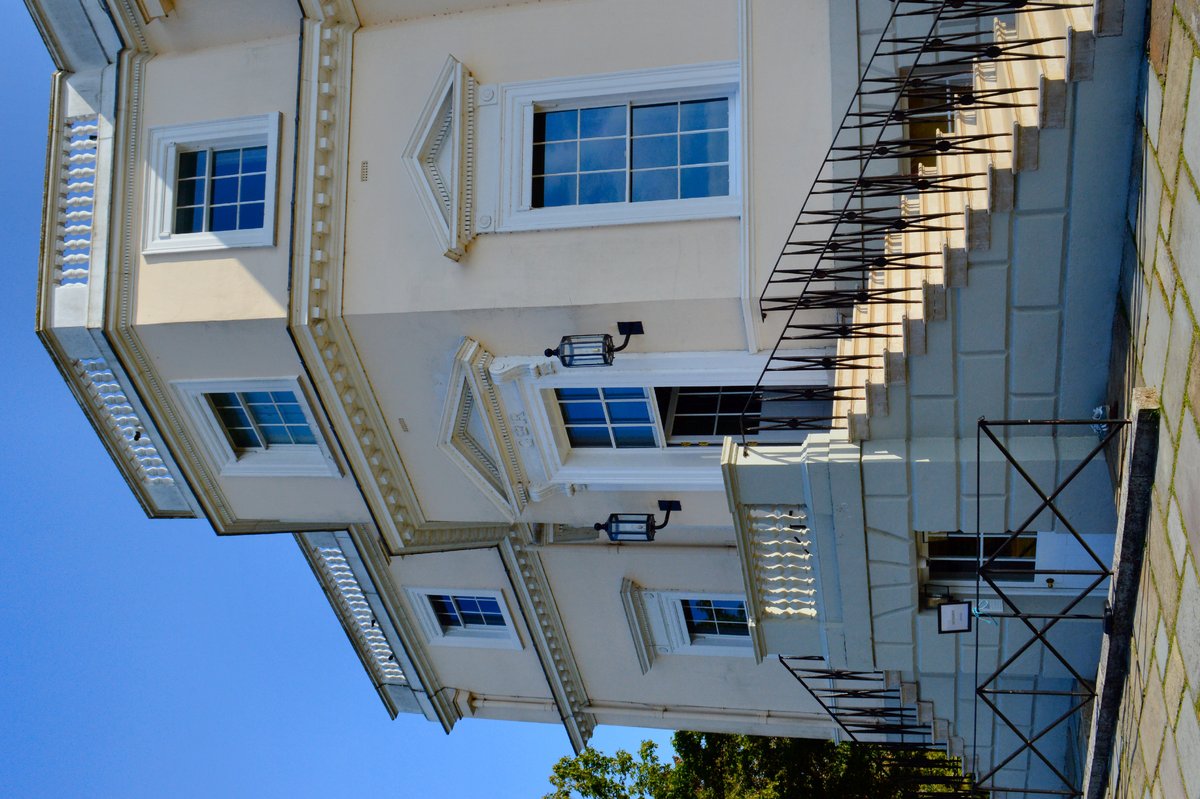
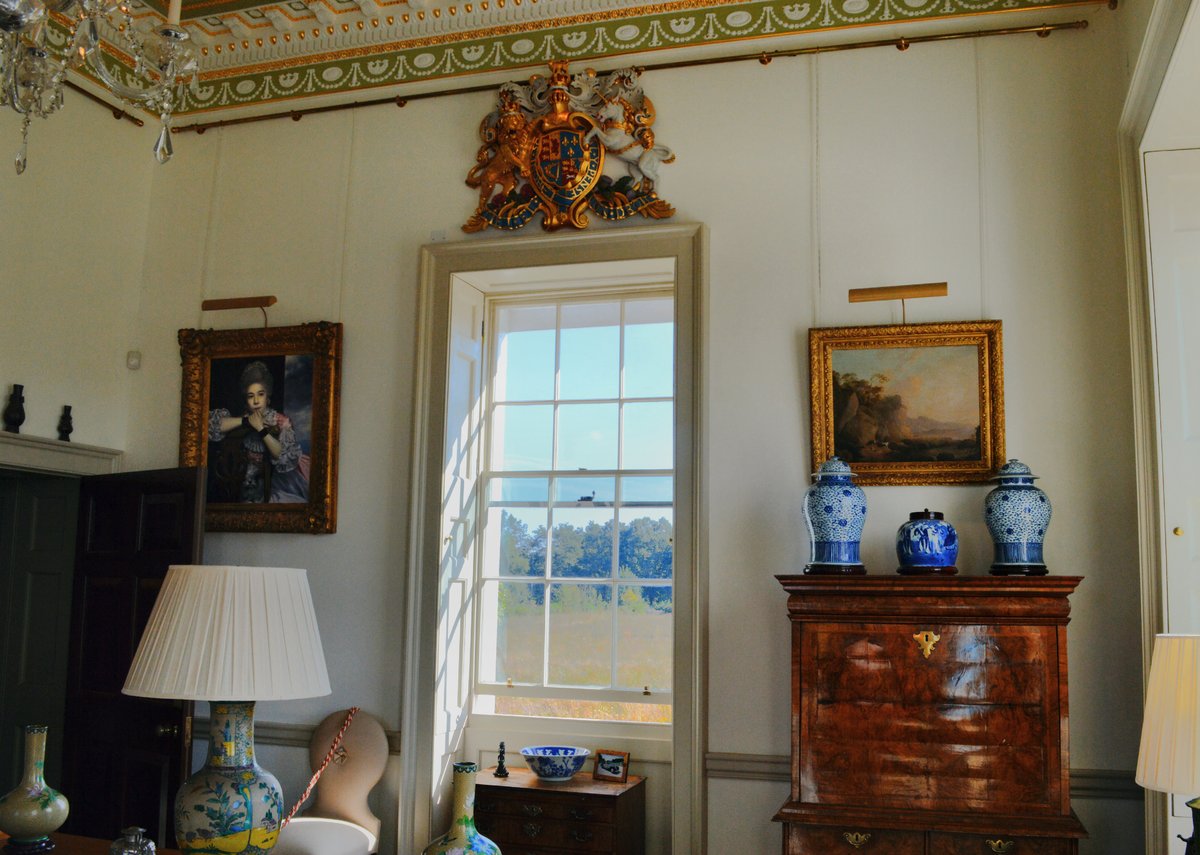
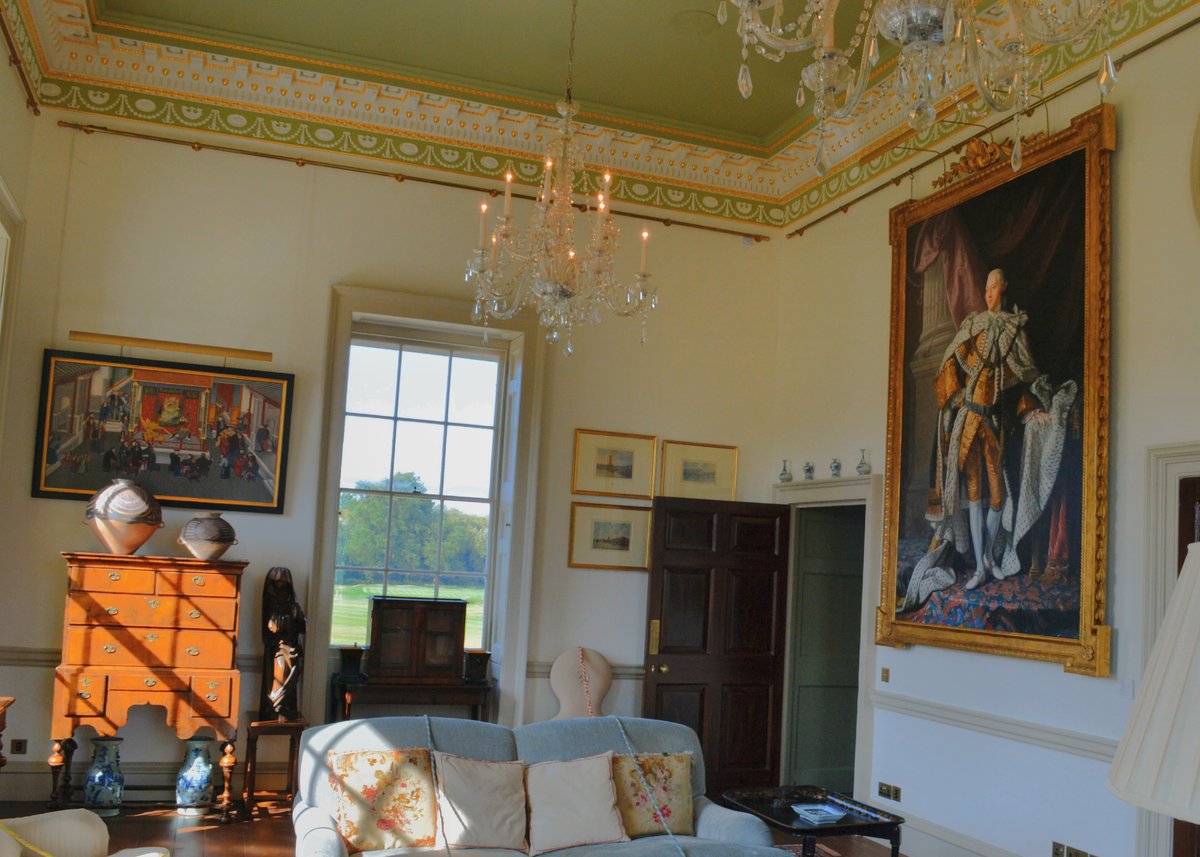
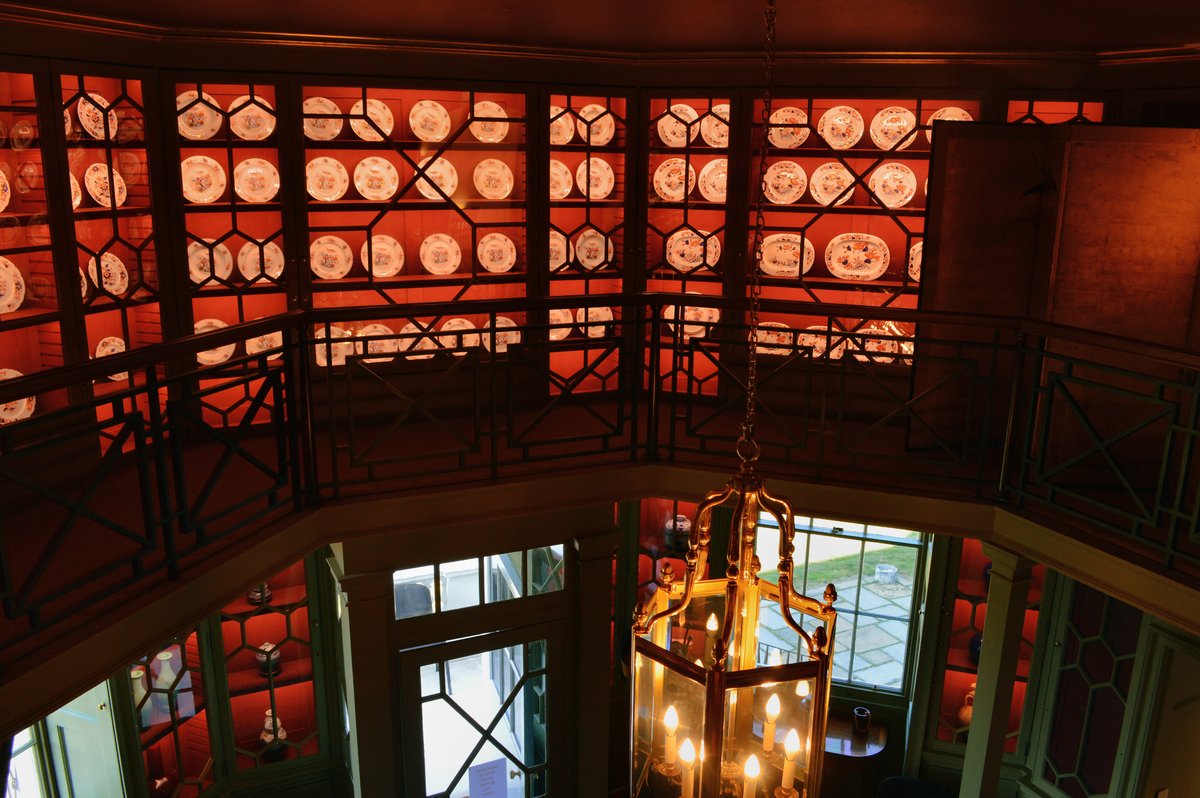
Nestled within the tranquil Old Deer Park in Richmond, United Kingdom, Kew Observatory—officially known as King’s Observatory—stands as an enduring monument to Britain’s scientific and royal heritage. Commissioned in 1768 by King George III to observe the rare 1769 transit of Venus, this neoclassical structure, designed by Sir William Chambers, quickly became a hub for pioneering research in astronomy, meteorology, and geomagnetism. Over the centuries, Kew Observatory’s contributions have ranged from setting timekeeping standards to calibrating scientific instruments and advancing solar physics, cementing its place in the annals of global scientific progress.
Today, while the observatory is a private residence with limited access, its historical importance continues to fascinate historians, scientists, and visitors. This comprehensive guide explores Kew Observatory's remarkable history, its pivotal scientific achievements, and practical information for planning your visit—including ticketing, accessibility, travel details, and nearby attractions. For updated information and deeper historical insight, consult resources such as the King’s Observatory official website, Richmond Local History archives, and the Royal Society Blog.

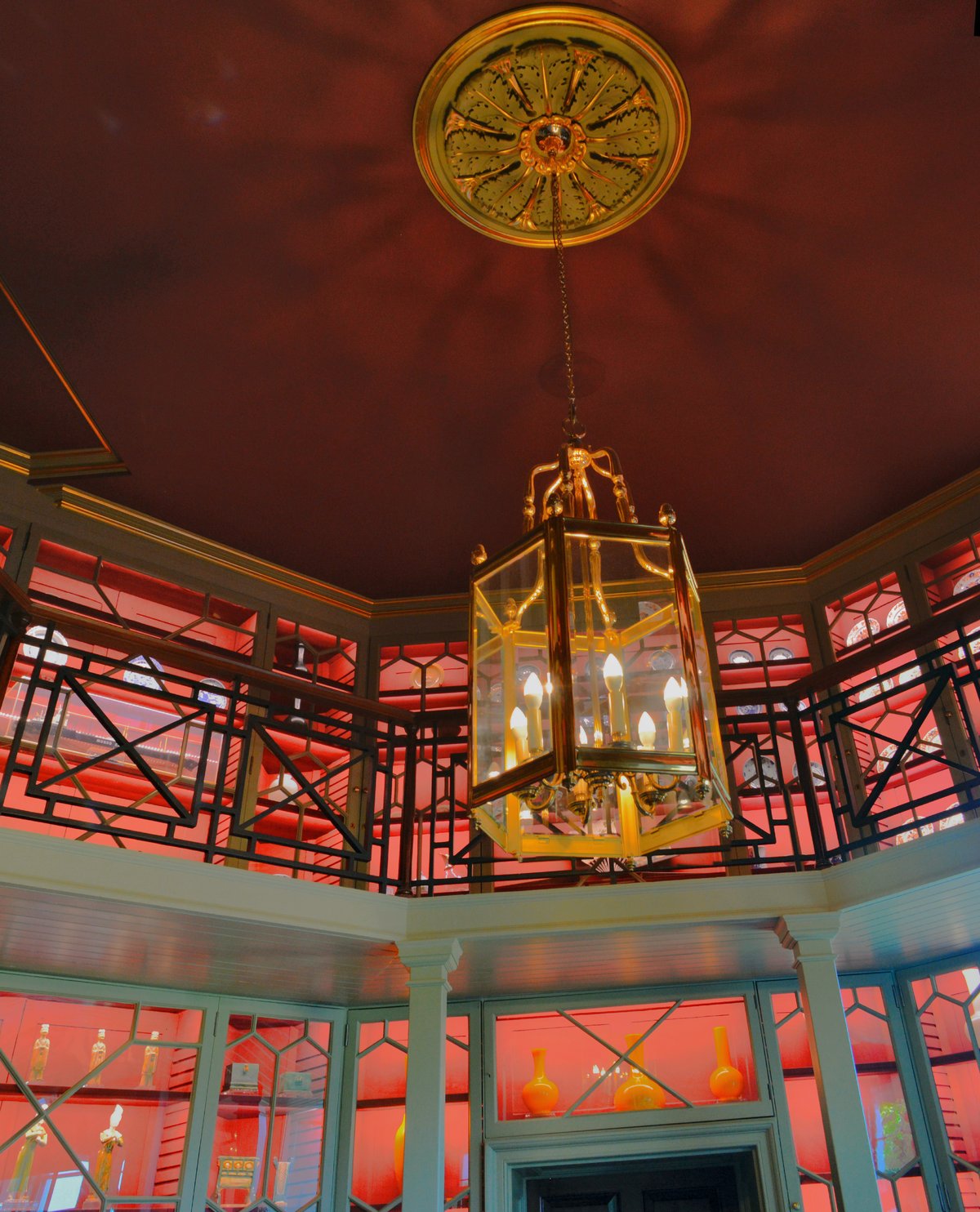
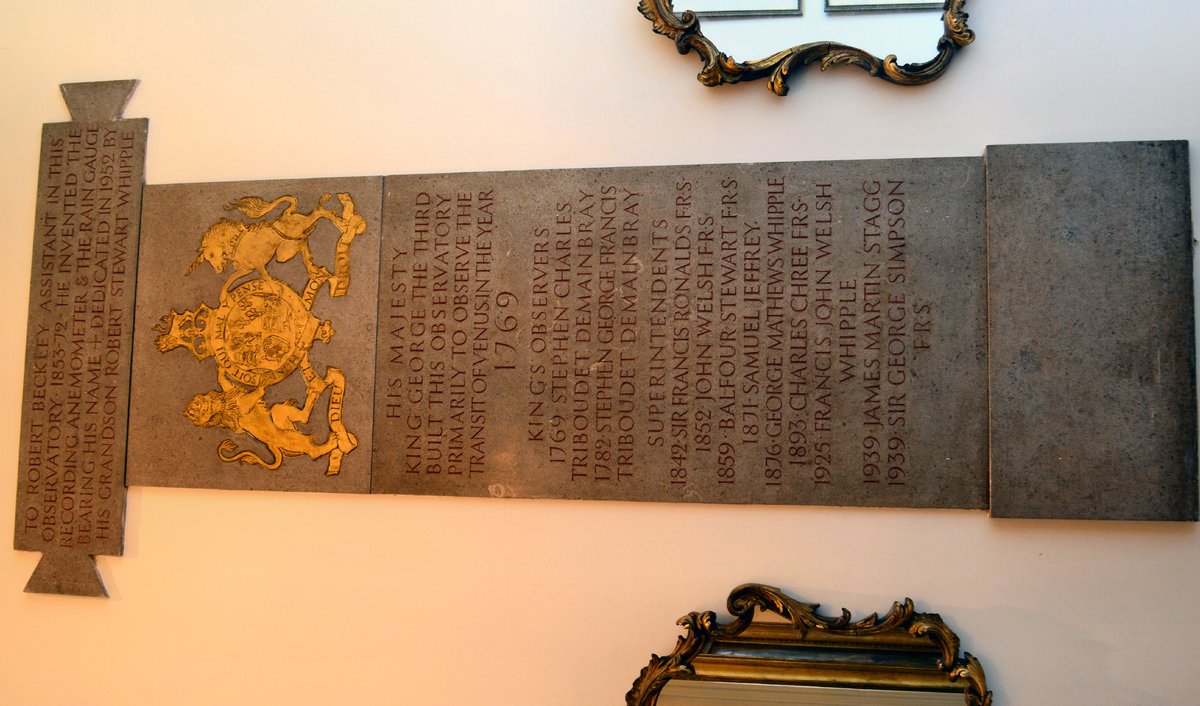
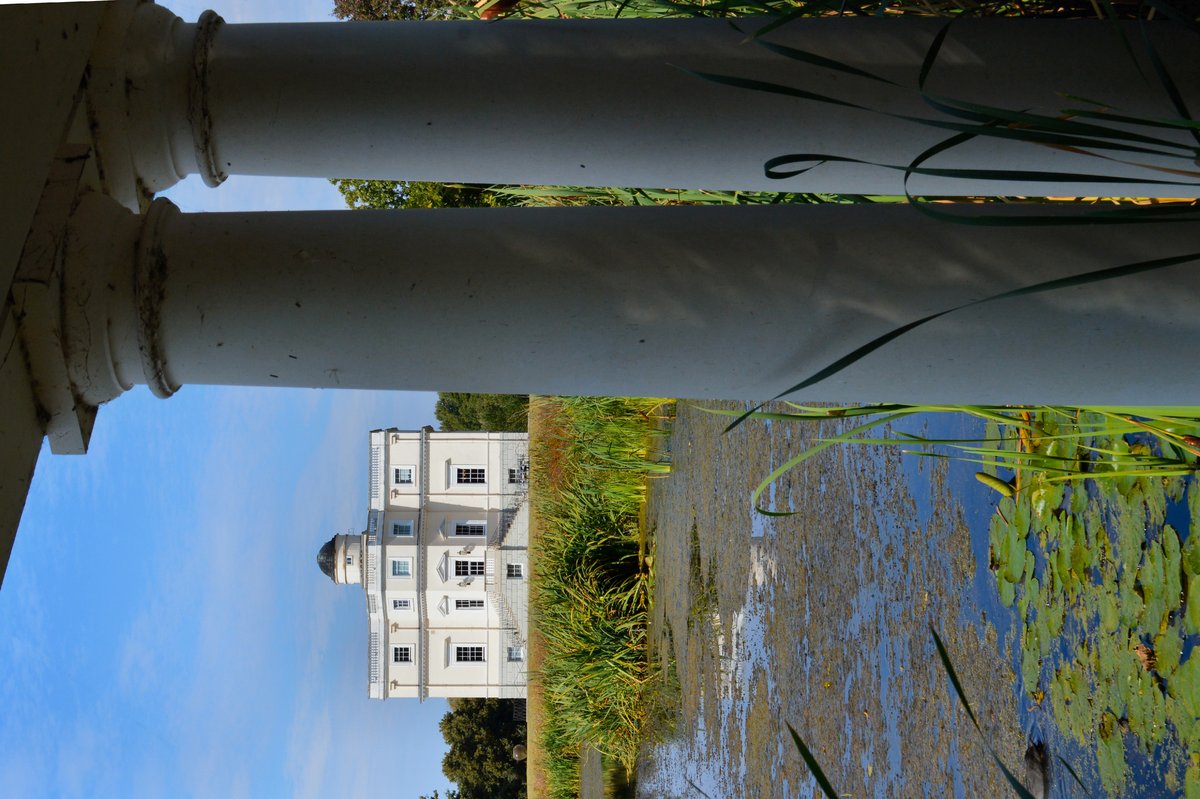
Royal Origins and Architectural Heritage
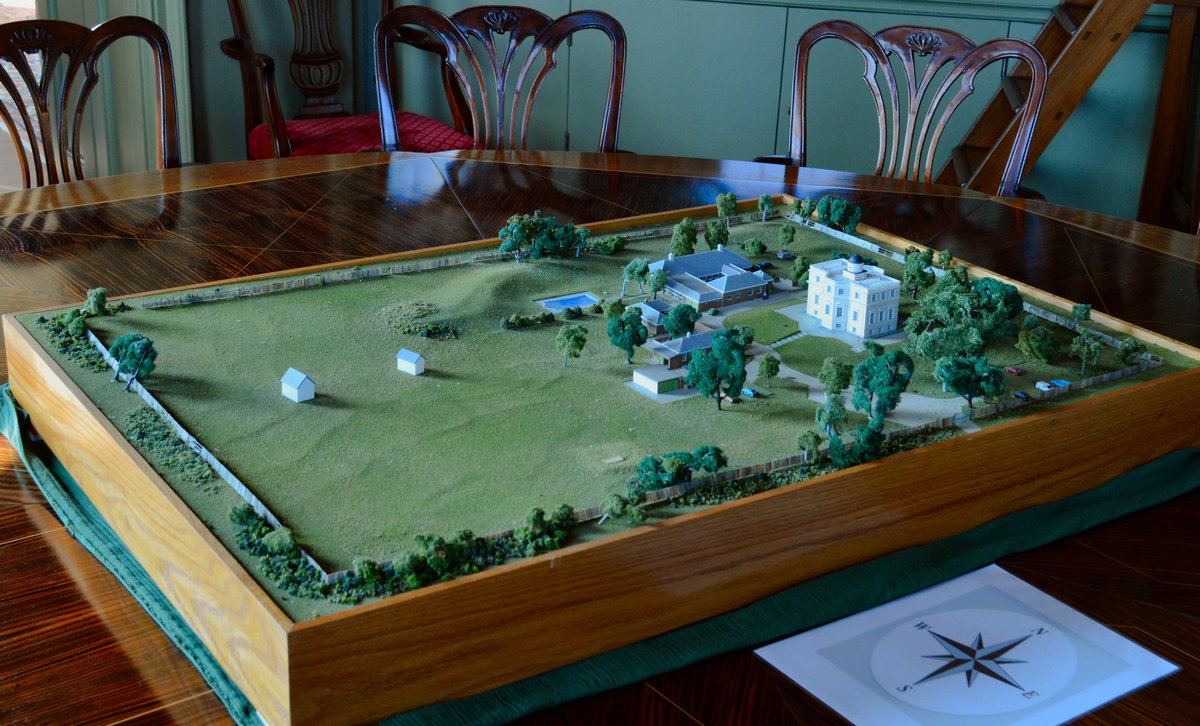
Kew Observatory owes its foundation to King George III, who established it in 1769 specifically to observe the transit of Venus—a rare astronomical event crucial for calculating the Earth-Sun distance. Designed by the celebrated architect Sir William Chambers, the observatory’s neoclassical architecture and moveable dome reflected Enlightenment ideals and Victorian innovation. The building’s prominent location within Old Deer Park, adjacent to former royal estates and the historical Sheen Priory, underscores its close connection to both royalty and scientific ambition (King’s Observatory; Richmond Local History; Astronomical Heritage).
The observatory's original mission was realized on June 3, 1769, when King George III and Astronomer Royal Dr. Stephen Demainbray successfully observed the transit, marking the beginning of Kew Observatory's illustrious scientific journey (Perlego).
Scientific Achievements and Innovations
Astronomy and Timekeeping
Kew Observatory played a pioneering role in astronomical observation. The first Royal Observer, Dr. Stephen Demainbray, and his successors made significant contributions to the field. Three granite meridian obelisks, erected in 1778 and still visible today, helped precisely align the observatory’s instruments for accurate observations and timekeeping (Richmond Local History). London’s official time was once set by calculations made at Kew, utilizing a timepiece crafted by Benjamin Vulliamy, before this responsibility shifted to Greenwich (King’s Observatory).
Instrument Testing and Standardization
In the 19th century, Kew Observatory became internationally renowned for its rigorous testing and certification of marine chronometers and scientific instruments. The prestigious “Kew Class A” Certificate became the global standard for precision timekeeping, and in 1914, Rolex received a “Class A” certification for a ladies’ wristwatch—a milestone in horological history (Bob’s Watches).
Meteorology, Geomagnetism, and Solar Physics
Under the management of the British Association for the Advancement of Science and later the Royal Society, the observatory expanded into meteorology, geomagnetism, and solar physics. Notable achievements include:
- Daily nationwide weather recordings.
- Calibration of meteorological and electrical instruments vital to the telegraph industry.
- Groundbreaking studies of sunspots and solar flares using early photographic techniques.
- Global collaboration in mapping Earth’s magnetic field.
Kew Observatory’s innovations influenced observatories worldwide—in Bombay, Toronto, Madrid, and beyond—and its work laid the foundation for the National Physical Laboratory (British Astronomical Association; National Archives).
Institutional Transitions and Lasting Legacy
Following its royal origins, Kew Observatory was successively managed by the British Association (1842–1871), the Royal Society (1871–1900), the National Physical Laboratory (1900–1910), and the Meteorological Office (1910–1980). Each era brought advancements in scientific instrumentation and meteorological data collection (National Archives). Though the observatory ceased active scientific work in 1980, its collections—including royal instruments and natural history specimens—were transferred to the Science Museum, preserving its legacy.
Today, as a Grade I listed building, Kew Observatory is recognized for its architectural and scientific significance, with its influence still felt in timekeeping, meteorology, and scientific instrumentation (King’s Observatory).
Visiting Kew Observatory: Hours, Tickets, and Accessibility
Visiting Hours and Tickets
- General Access: Kew Observatory is a private residence and not open to the public on a daily basis. Entry is possible only during special heritage open days or guided tours, which are announced in advance.
- Booking: Advance booking is essential for these rare events, as places are limited. Tickets may be free or carry a nominal fee to support conservation.
- Official Information: For current visiting opportunities, check the King’s Observatory official website, Royal Society Blog, or heritage event pages.
Accessibility
- Some parts of the observatory have steps and uneven surfaces, which may limit wheelchair access.
- The surrounding Old Deer Park is mostly flat and accessible via public paths.
- For specific needs, contact event organizers prior to your visit (Kew Gardens Accessibility).
Facilities
- No restrooms or cafés at the observatory; nearby Richmond and Kew Gardens provide these amenities (Kew Gardens Eating and Drinking).
- The observatory’s historic grounds and exterior can be freely viewed from Old Deer Park year-round.
Getting There and Nearby Attractions
Directions
- Public Transport: Richmond Station (District Line, London Overground, and National Rail) is the closest hub. The observatory is a 10–20 minute walk through Old Deer Park.
- Parking: Limited parking in Old Deer Park; public transport is recommended (Everybody Hates A Tourist).
Nearby Attractions
- Kew Gardens: UNESCO World Heritage Site with extensive plant collections and historic buildings (Kew Gardens).
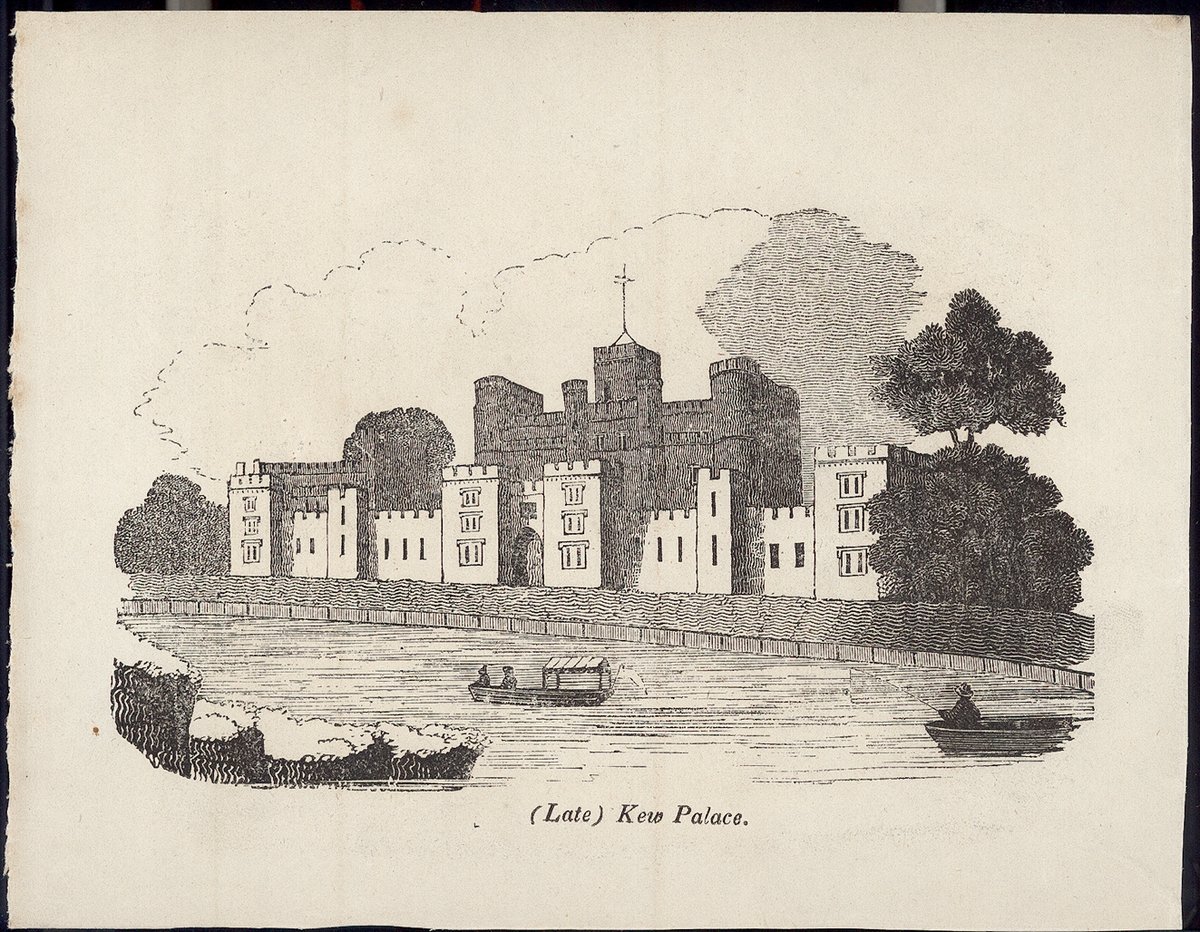
- Kew Palace and the Great Pagoda: Located within Kew Gardens.
- Richmond Riverside: Picturesque walks and dining along the Thames.
- Richmond Park: London’s largest Royal Park, famous for its deer herds (Everybody Hates A Tourist).
- Museum of Richmond: Local history exhibitions (Museum of Richmond).
Practical Tips for Visitors
- Check Event Dates: Open days are infrequent; monitor official and heritage websites for announcements.
- Dress for the Weather: The observatory is set within open parkland; comfortable shoes and weather-appropriate clothing are recommended.
- Photography: Permitted outside and sometimes inside during open days—confirm policies in advance.
- Visitor Conduct: Respect the site’s private status, stay on paths, supervise children, and do not disturb wildlife.
Frequently Asked Questions (FAQ)
Q: When is Kew Observatory open to the public?
A: Only on special heritage open days or guided tours. Dates are announced via the King’s Observatory website and Royal Society Blog.
Q: How do I get tickets for a visit?
A: Book in advance through official event partners or heritage organizations.
Q: Is the observatory accessible for wheelchair users?
A: Some historic features may restrict access. Contact organizers for details.
Q: Are there on-site facilities?
A: No. Use amenities in Richmond town centre or Kew Gardens.
Q: Can I combine my visit with other Richmond attractions?
A: Yes—Kew Gardens, Kew Palace, Richmond Park, and the Museum of Richmond are all close by.
Listen to the full story in the app
The whole Kew Observatory,
told well.
Audio guides for 1,100+ cities across 96 countries. History, stories, and local insight — offline ready.
Verified, and shown.
Researched and written by the Audiala editorial team from historical records, architectural archives, and local expertise.
Researched from Wikidata, Wikipedia & official sources · fact-checked · How we make our guides →