Plan and listen to Japanese Gateway (Chokushi-Mon) with Audiala.
Audio guide in your pocket, itinerary in your browser. Built for the way you actually visit.
Introduction: The Japanese Gateway (Chokushi-Mon) at Kew Gardens
The Japanese Gateway, or Chokushi-Mon, is a remarkable architectural and cultural landmark situated within the Royal Botanic Gardens, Kew, in Richmond, London. This intricately crafted gateway is a four-fifths scale replica of Kyoto’s famed Karamon gate from the Nishi Hongan-ji temple, a UNESCO World Heritage Site. Originally constructed for the 1910 Japan-British Exhibition, the Chokushi-Mon was relocated to Kew Gardens in 1911, where it has since served as a symbol of Anglo-Japanese friendship and a testament to authentic Japanese artistry (Kew Gardens official site).
The Chokushi-Mon stands as the centerpiece of a dedicated Japanese Landscape garden, thoughtfully designed to evoke peace, harmony, and cultural resonance. This guide provides comprehensive information on the gateway’s history, cultural significance, visiting hours, ticketing, accessibility, travel tips, and nearby attractions, ensuring visitors can plan a memorable and enriching experience at this unique Richmond historical site (NAJGA: Japanese Landscape at Kew; Wikipedia: Japanese in the United Kingdom).


Historical Background and Cultural Significance
Origins and Architectural Mastery
The Chokushi-Mon, meaning “Gateway of the Imperial Messenger,” is one of the most authentic examples of Japanese architecture outside Japan. It was meticulously built for the 1910 Japan-British Exhibition to introduce Japanese craftsmanship and culture to a British audience. Renowned for its ornate Momoyama-period wood carvings, curved karahafu roof, and symbolic motifs of loyalty and prosperity, the gateway quickly became an emblem of international diplomacy and artistic excellence (Kew Gardens official site).
Relocation and Preservation
After the exhibition, the gateway found its permanent home at Kew Gardens in 1911. Over the decades, it has been carefully restored, most notably between 1988 and 1995, when traditional Japanese techniques were combined with modern conservation practices. Noteworthy features such as the roof were updated with copper tiles for durability, ensuring the gateway’s preservation for future generations (Kew Gardens official site).
The Japanese Landscape Garden
Surrounding the Chokushi-Mon is a serene Japanese Landscape, designed in 1996 by Professor Fukuhara of Osaka University. This garden is divided into three thematic zones:
- Garden of Peace: A tea garden with stone lanterns and a tranquil water basin.
- Garden of Activity: Symbolized by raked gravel and rocks, reflecting waterfalls and mountains.
- Garden of Harmony: Connects the other two zones, featuring Japanese maples and anemones that evoke Japan’s natural beauty.
Ceremonial plantings by members of the Japanese Imperial family add to the site’s cultural depth (NAJGA: Japanese Landscape at Kew).
Visitor Information: Hours, Tickets, Travel, and Accessibility
Opening Hours
- General Hours: Kew Gardens is open daily from 10:00 AM to 6:00 PM (hours may vary seasonally; check the official website before visiting).
- Final Entry: Typically one hour before closing.
Tickets
- Admission Required: Entrance to the Japanese Gateway is included in Kew Gardens’ general admission.
- Prices: Adult tickets range from £20–£25; discounts are available for children, students, and seniors.
- Booking: Advance online booking is highly recommended, especially during cherry blossom season (Kew Gardens official site).
How to Get There
- By Underground/Overground: Kew Gardens Station (District Line, Overground) is a 5–10 minute walk to Victoria Gate.
- By National Rail: Kew Bridge Station is about 15 minutes from Elizabeth Gate.
- By Bus: Routes 65, 110, 237, 267, 391, and K3 serve nearby stops.
- By Car: Parking at Brentford Gate is available for £9/day. The area is within the ULEZ zone; check your vehicle’s compliance.
- By Riverboat: Thames Riverboats dock at Kew Pier, offering a scenic approach (Timeless Travel Steps).
Accessibility
- Paths: Mostly flat, paved, and wheelchair-friendly; some gravel paths exist in the garden.
- Facilities: Accessible toilets, rest areas, and mobility scooter hire are available.
- Carer Policy: Visitors with disabilities may bring a carer free of charge (Kew Gardens Accessibility).
Travel Tips
- Maps & Apps: Collect a paper map at the entrance or use the Kew Gardens mobile app for navigation.
- Dress Comfortably: Wear sturdy shoes and bring rain protection, as weather can change quickly.
- Best Times: Cherry blossom season (late March–April) and autumn (October–November) are particularly scenic. Early mornings and weekdays are quieter.
Experiencing the Chokushi-Mon and Japanese Landscape
Architectural Details
The Chokushi-Mon is famed for its intricate woodwork, curved karahafu roof, and detailed carvings of dragons, phoenixes, and floral motifs. These elements are rich in symbolism, representing protection, prosperity, and peace. The gateway is complemented by gravel paths, stone lanterns, and sculpted trees that transport visitors to a traditional Japanese temple setting (Kew Gardens: Japanese Gateway).
Garden Features
- Zen Garden (Karesansui): Raked gravel and placed rocks offer a contemplative atmosphere.
- Bonsai House: Close to the gateway, this collection includes miniature trees—some over 180 years old—that showcase Japanese horticultural arts.
- Minka House: A traditional Japanese farmhouse nearby, providing further insight into Japanese culture.
Visitor Etiquette
- Tranquility: Maintain quiet and do not touch or climb on the gateway.
- Photography: Allowed for personal use; tripods and drones require prior permission (Kew Gardens Photography Policy).
- No Food/Drink: Please refrain from eating or drinking within the Japanese Landscape.
Facilities, Amenities, and Practical Information
Onsite Facilities
- Restrooms: Accessible toilets are available near main entrances and throughout the gardens.
- Cafés and Gift Shops: Multiple options throughout Kew, including Japanese-themed gifts at Victoria Gate (Kew Gardens Shop).
- Benches: Provided in shaded areas around the gateway.
Guided Tours and Interpretation
- Guided Walks: Free tours may include the Japanese Landscape; check schedules at the entrance or online.
- Interpretive Panels: Informational signage explains the history and symbolism of the gateway (Kew Gardens official site).
- Audio Guides: Available for hire for a more in-depth experience.
Nearby Attractions within Kew Gardens and Richmond
- Bamboo Garden and Minka House: Adjacent to the Japanese Gateway, featuring bamboo collections and a traditional Japanese farmhouse.
- Cherry Walk: Stunning during cherry blossom season (Japan at Hand).
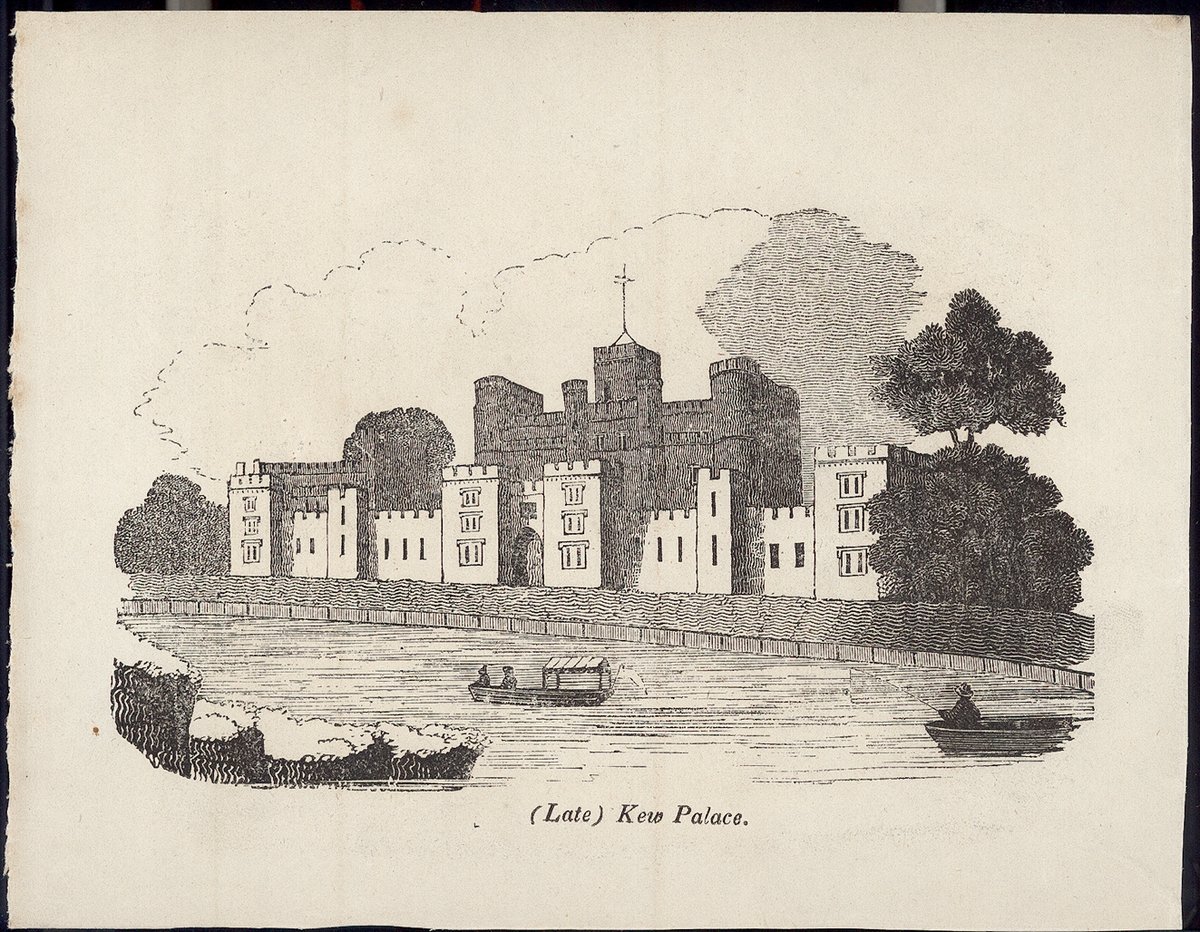
- Kew Palace: Historic royal residence open seasonally.
- Great Pagoda: 18th-century tower with panoramic views (Day Out Hub).
Frequently Asked Questions (FAQ)
Q: What are the Japanese Gateway visiting hours?
A: Typically, 10:00 AM to 6:00 PM; always check the official site for seasonal updates.
Q: How much do tickets cost?
A: Adult tickets are £20–£25; discounts for children, students, and seniors. Book in advance online.
Q: Is the Japanese Gateway wheelchair accessible?
A: Yes, most paths are accessible, though some may be uneven.
Q: Are guided tours available?
A: Free guided walks and audio guides are available; check schedules at the entrance.
Q: When is the best time to visit?
A: Cherry blossom season (March–April) and autumn (October–November) are especially beautiful.
Essential Tips for a Memorable Visit
- Arrive early to enjoy peace, especially during busy seasons.
- Check for any temporary closures due to maintenance (Richmond Nub News).
- Dress for the weather and bring comfortable shoes.
- Use the Kew Gardens app or map for easy navigation.
Visuals and Media
High-quality images and videos of the Japanese Gateway are available on Kew Gardens’ website and social media. Interactive maps and virtual tours can help you plan your route and ensure you see all highlights.
Listen to the full story in the app
The whole Japanese Gateway (Chokushi-Mon),
told well.
Audio guides for 1,100+ cities across 96 countries. History, stories, and local insight — offline ready.
Verified, and shown.
Researched and written by the Audiala editorial team from historical records, architectural archives, and local expertise.
Researched from Wikidata, Wikipedia & official sources · fact-checked · How we make our guides →