Introduction
Nestled within the expansive Richmond Park, Isabella Plantation is a botanical gem that captivates visitors with its vibrant floral displays and serene landscapes. This enchanting woodland garden, rich in history and biodiversity, offers a tranquil escape from the hustle and bustle of London. Established in the early 19th century, Isabella Plantation has evolved into a lush haven teeming with a diverse array of plant species and wildlife. With its roots tracing back to the royal hunting grounds of the 13th century, this plantation has undergone numerous transformations under different monarchs, each contributing to its unique character (Royal Parks).
James Pulham's mid-19th century vision for Isabella Plantation introduced a harmonious blend of native and exotic species, fostering a remarkable biodiversity that continues to thrive today. The plantation's iconic rhododendron collection, one of the finest in the UK, bursts into a kaleidoscope of colors each spring, drawing nature lovers and horticulture enthusiasts alike (Royal Parks). Despite facing challenges during World War II, the plantation's post-war renewal efforts have restored its beauty, making it a year-round attraction with each season offering its unique charm.
Isabella Plantation is not just a garden but a living legacy of conservation and horticultural excellence. Whether you're planning a leisurely stroll, a photography expedition, or a family picnic, this guide provides all the essential information, including visiting hours, accessibility, and nearby attractions, to ensure a memorable visit.
Photo Gallery
Explore Isabella Plantation in Pictures
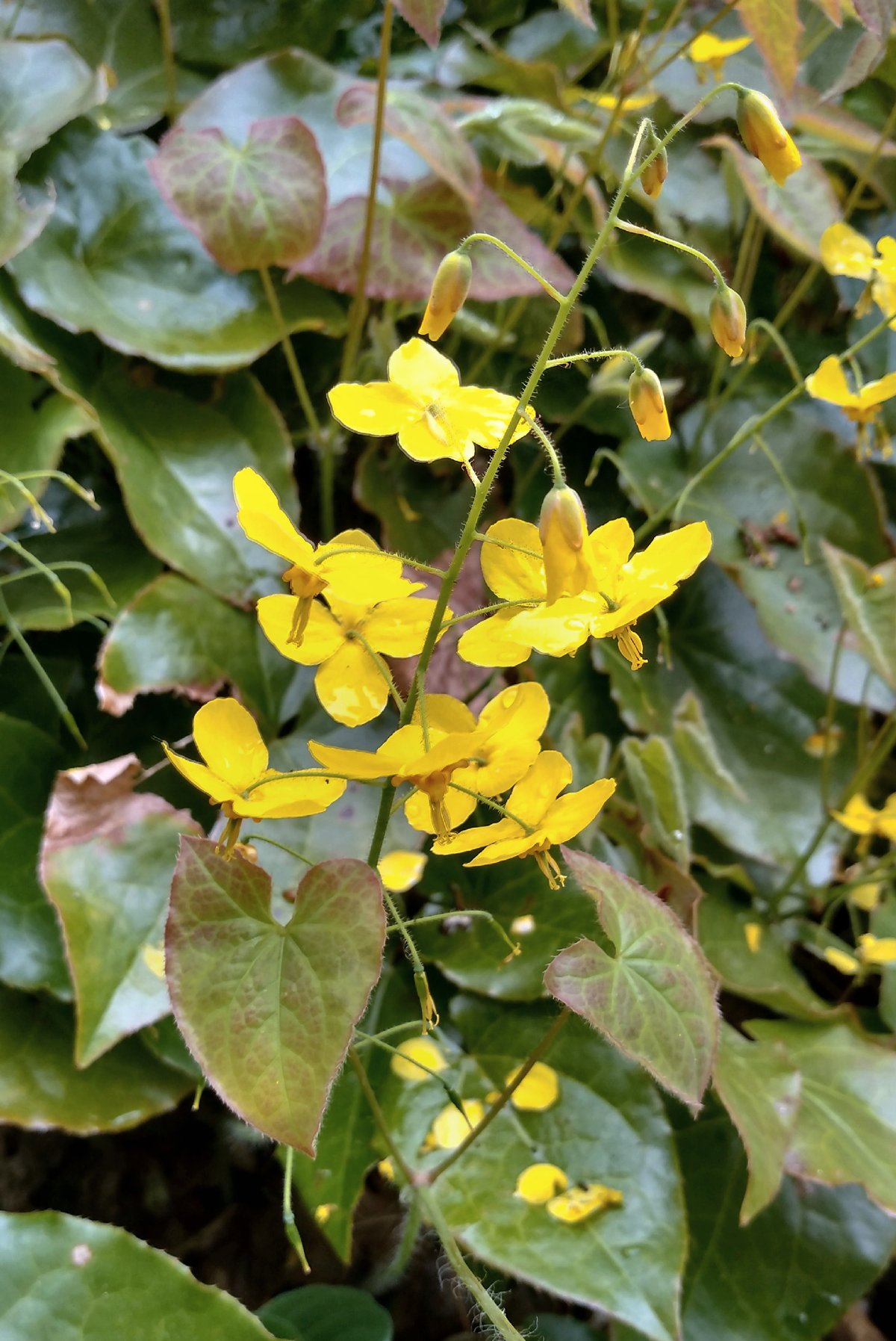
A beautiful image of Isabella Plantation featuring Barrenwort (Epimedium x perralchicum 'Frohnleiten') next to the bog garden with lush greenery and natural surroundings.
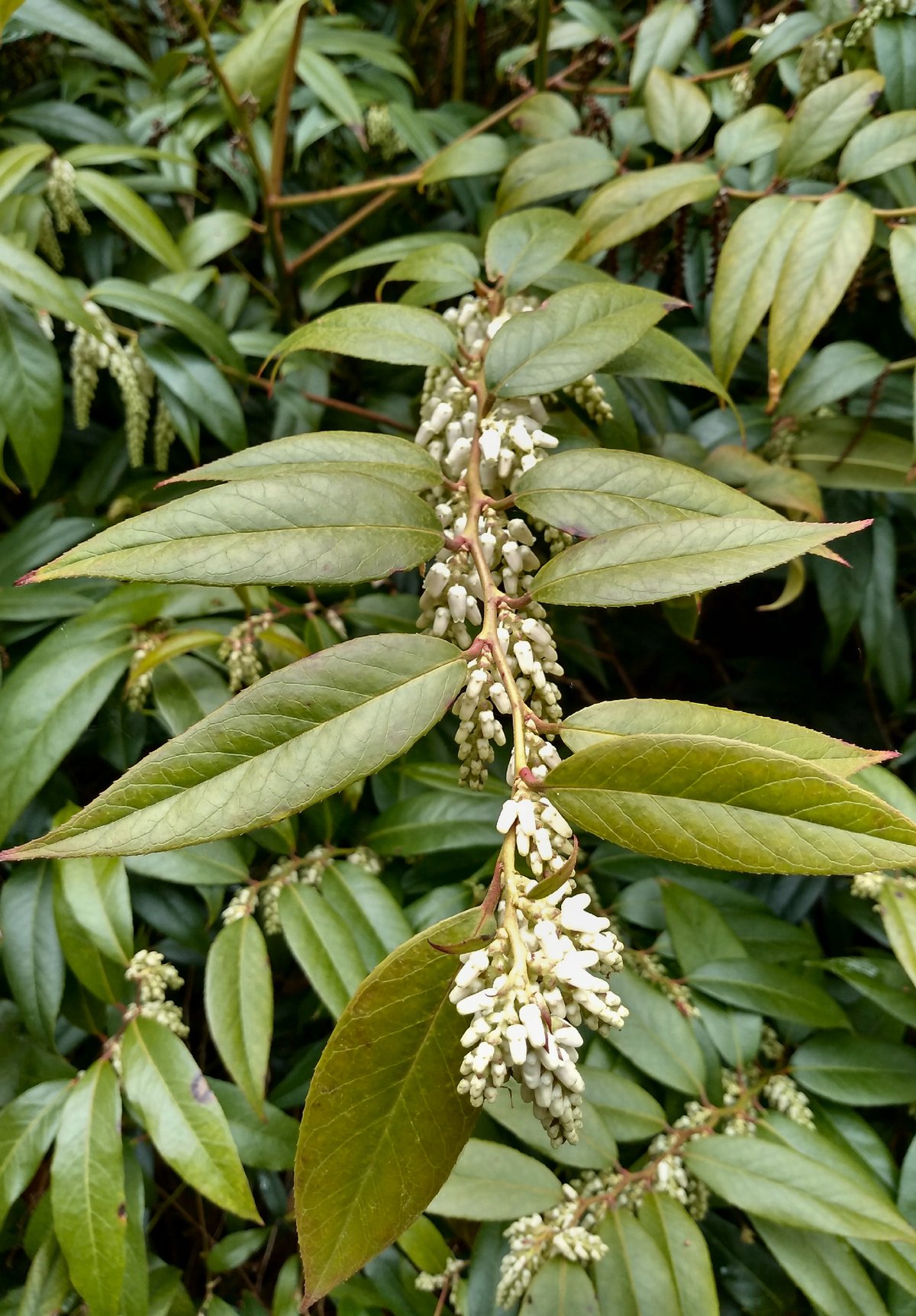
Scenic view of Dog-hobble plants (Leucothoe fontanesiana) growing along the main stream within Isabella Plantation, showcasing lush greenery and natural beauty.
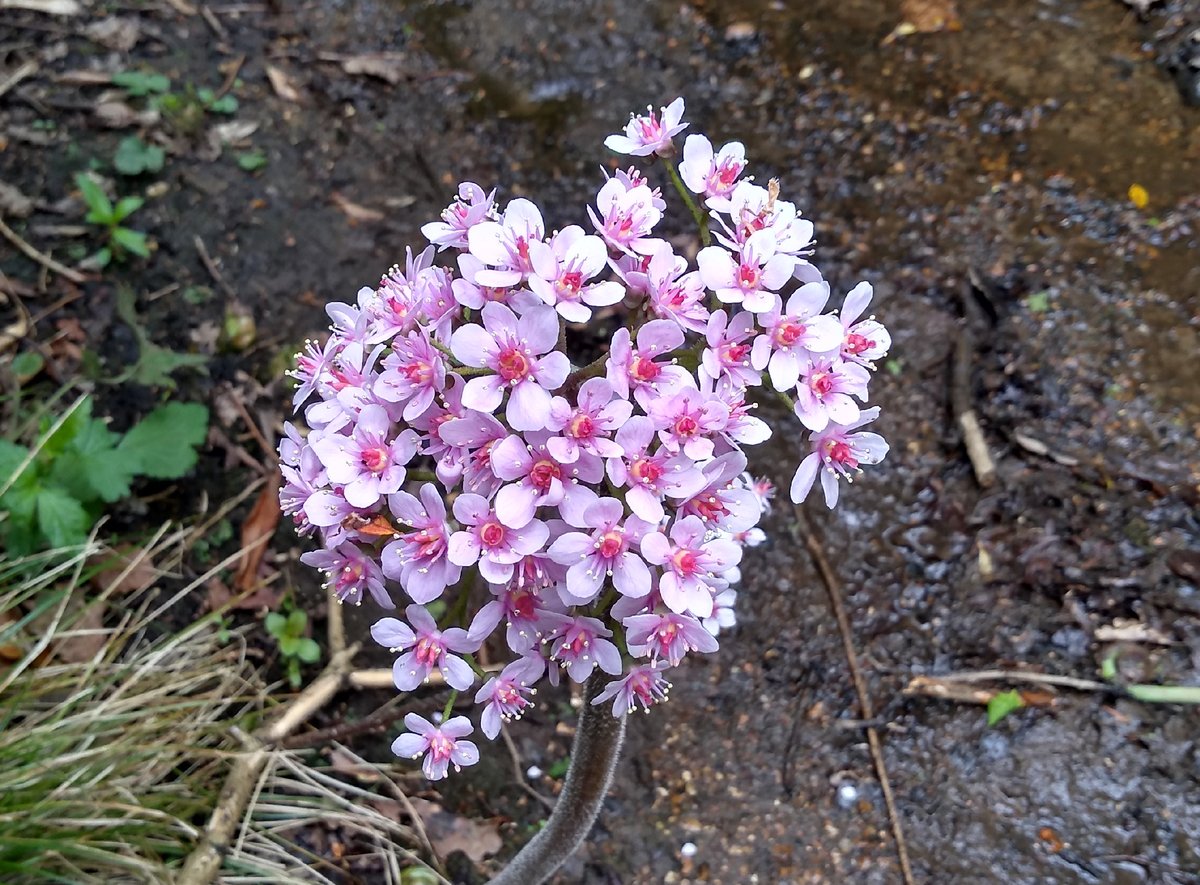
Scenic view of Indian-rhubarb (Darmera peltata) thriving near streams in Isabella Plantation, showcasing lush green foliage and natural water surroundings.
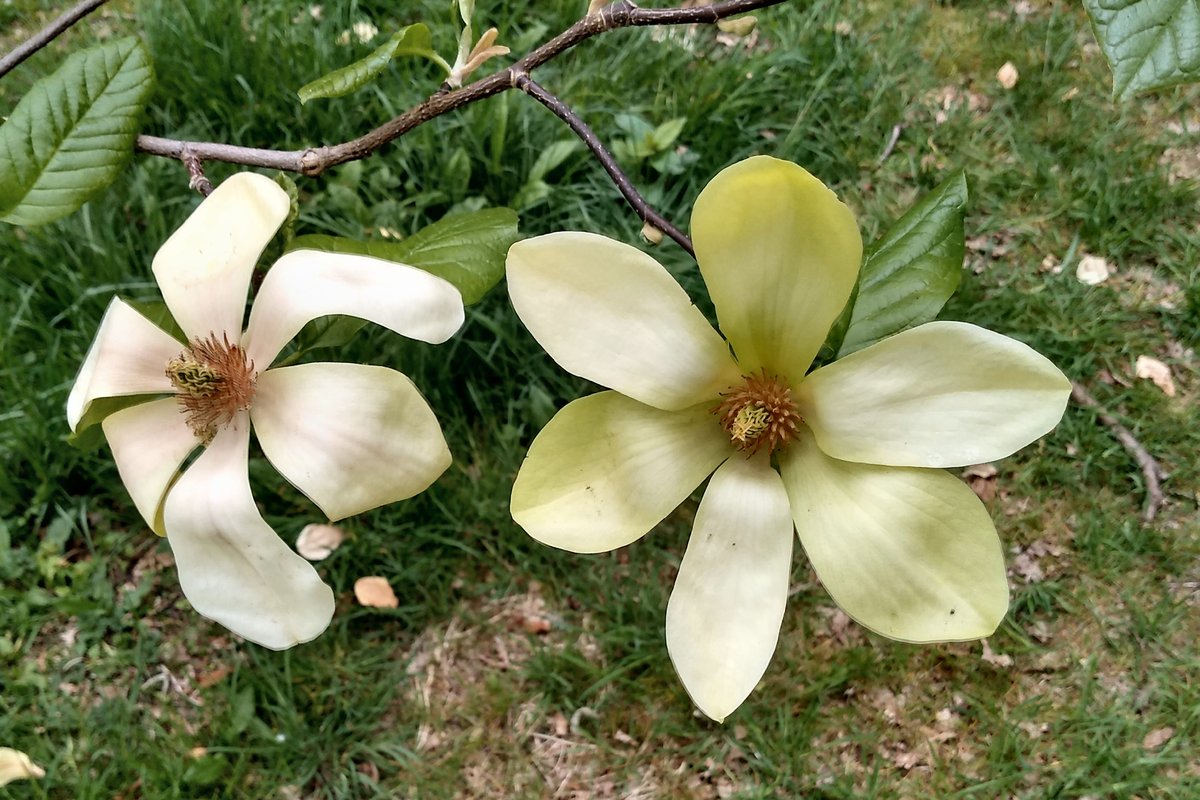
Beautiful Magnolia Swedish Star flower, a hybrid of M. acuminata and M. kobus, blooming in Isabella Plantation
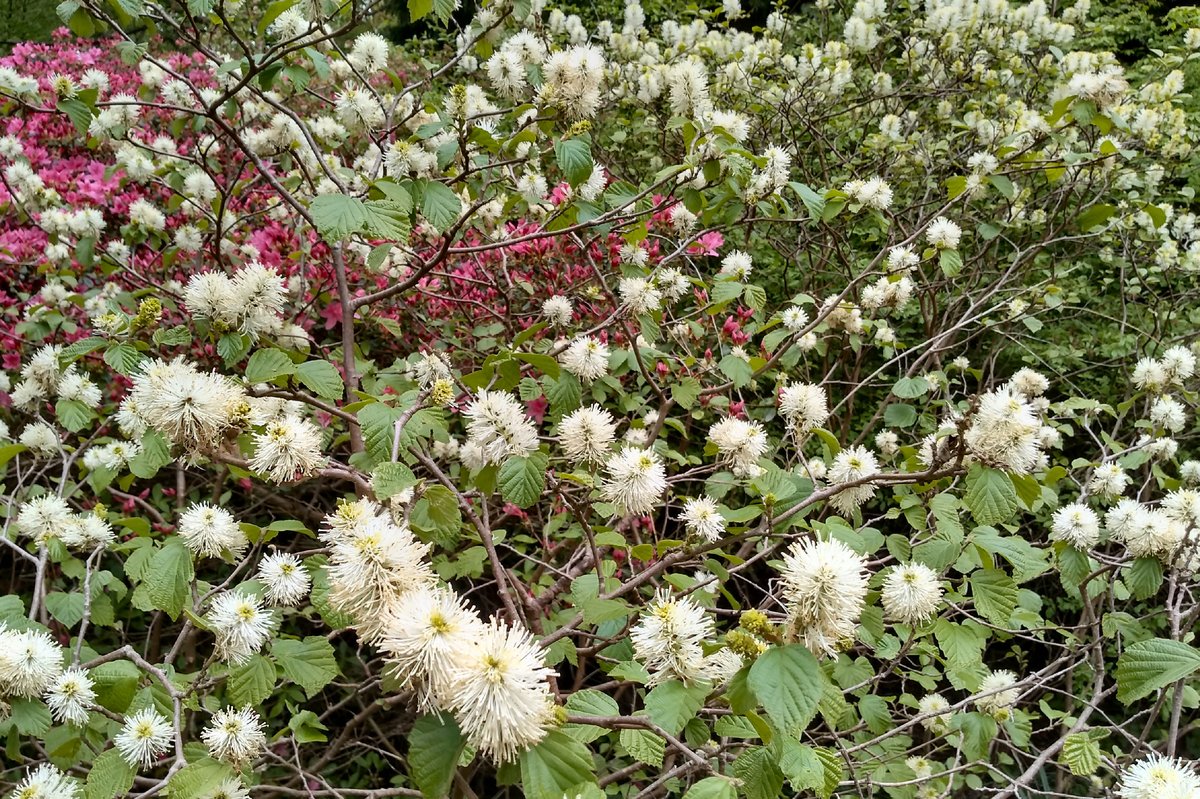
Mountain witch alder (Fothergilla monticola) plant located at Isabella Plantation, near the Broomfield Hill gate, showcasing lush green foliage.
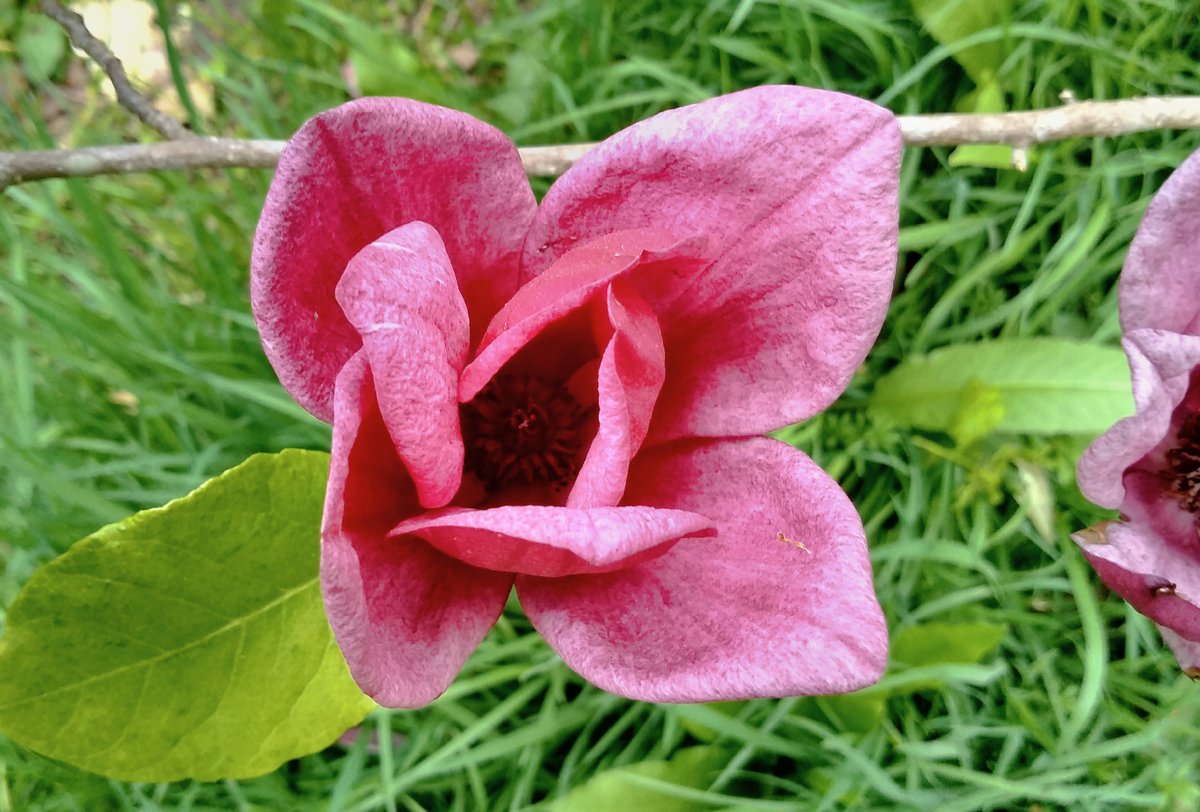
Image of a Purple Tulip Magnolia tree (Magnolia 'Genie') in full bloom with vibrant pink-purple flowers at Isabella Plantation
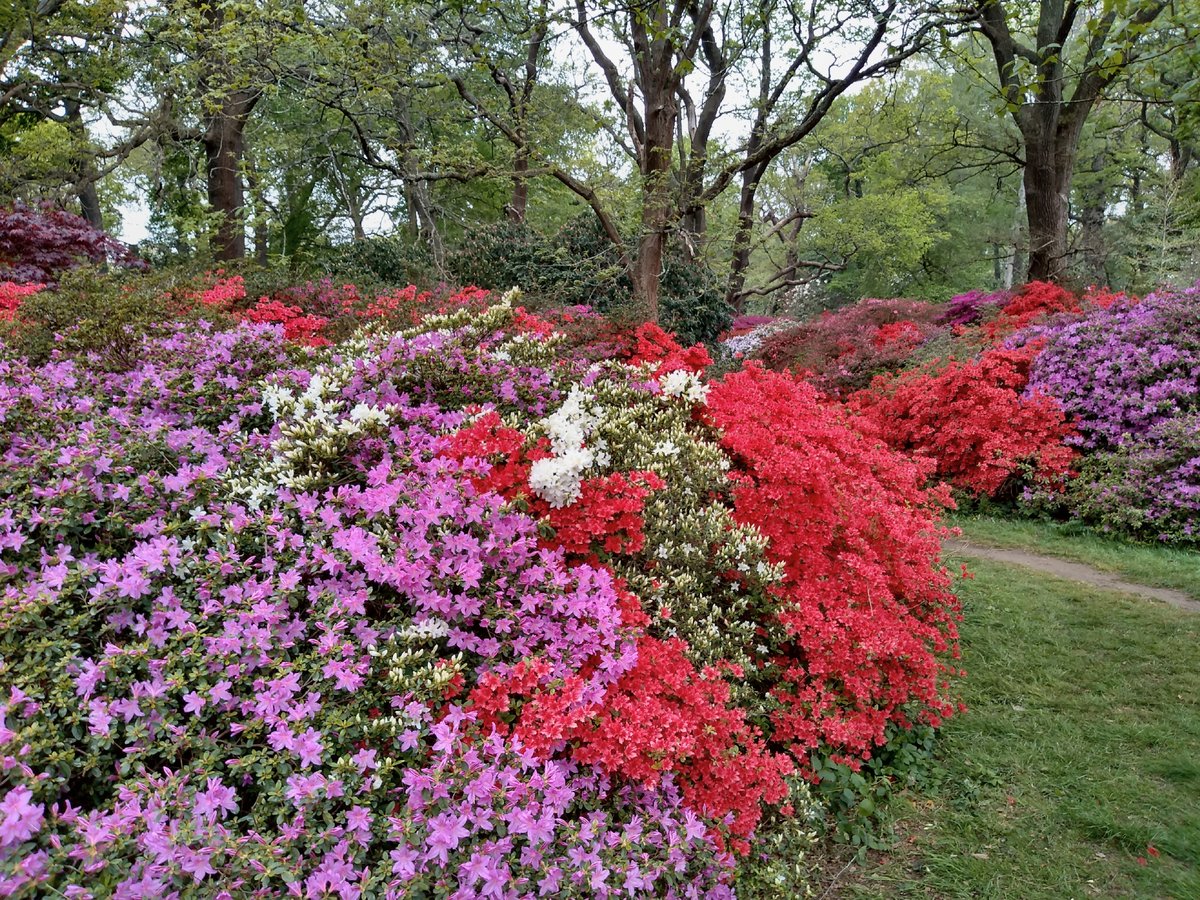
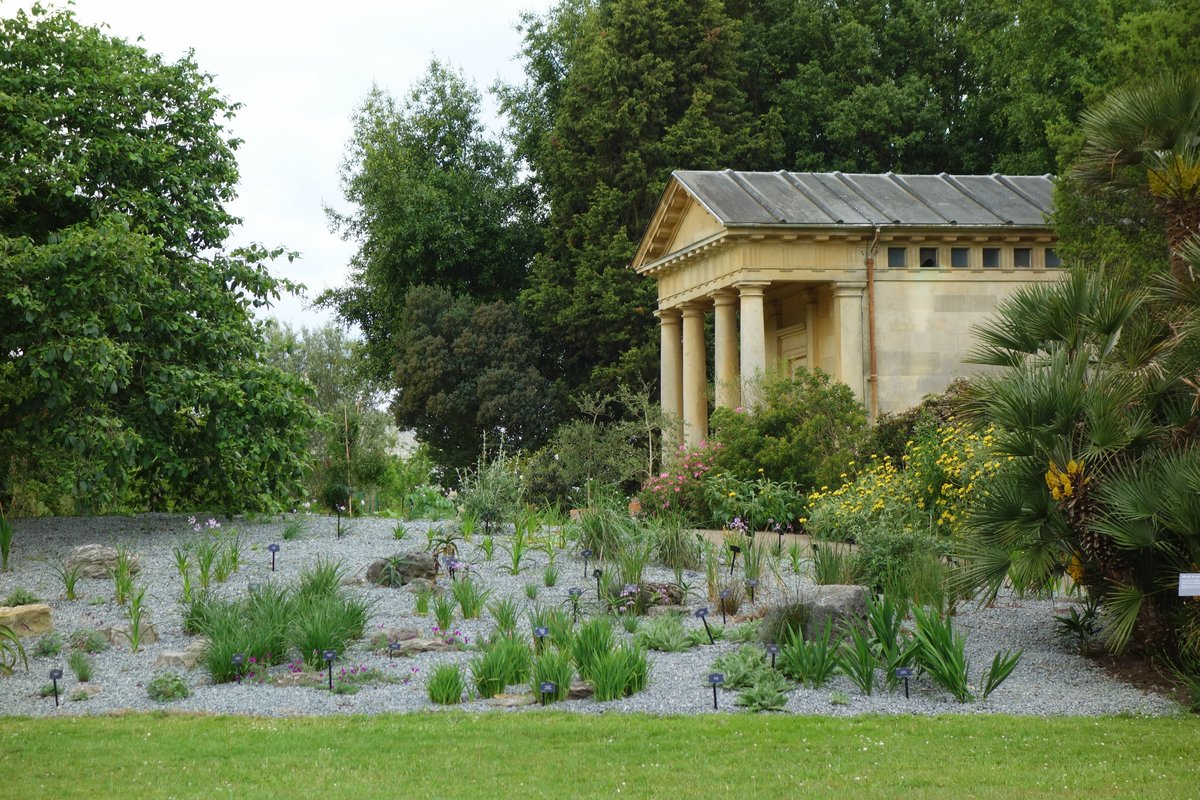
Scenic view of Isabella Plantation featuring Thomson's pond surrounded by vibrant green foliage and tranquil water reflecting the natural beauty
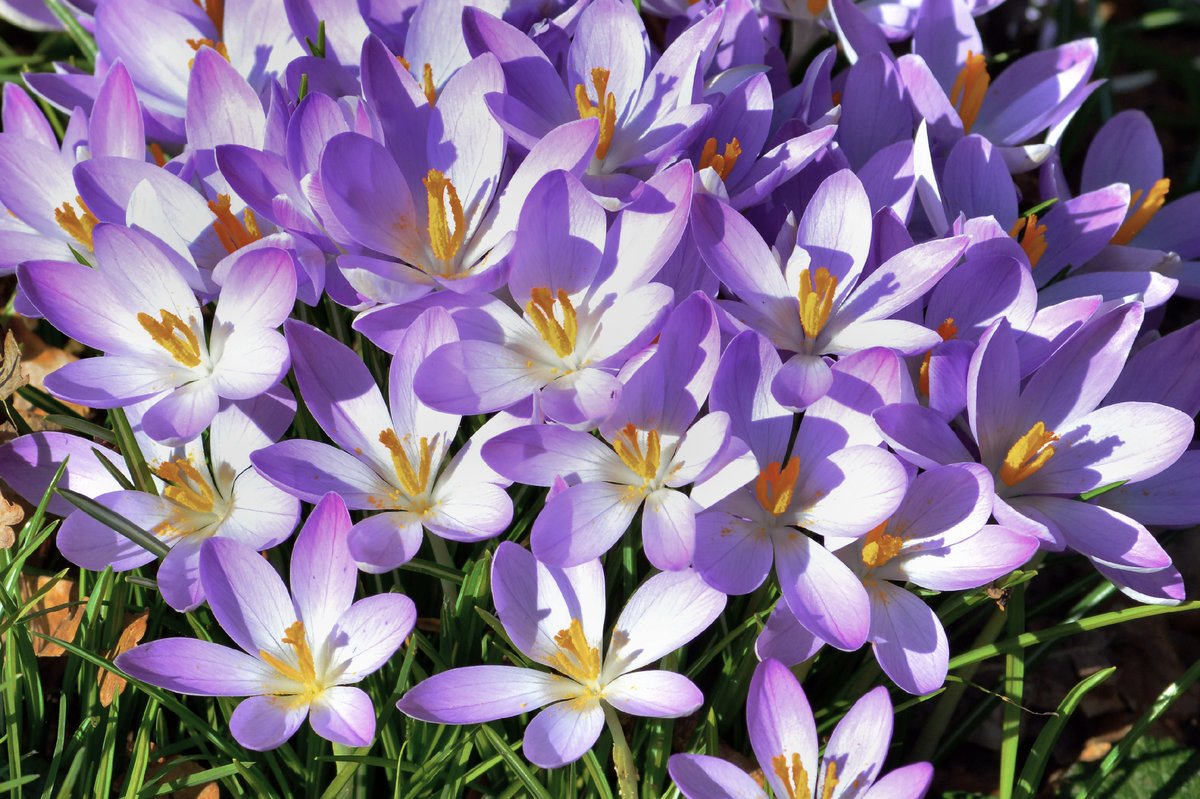
Close-up image of early crocus (Crocus tommasinianus Herb.) flowers in bloom at Isabella Plantation, showcasing purple and white petals amidst green foliage.
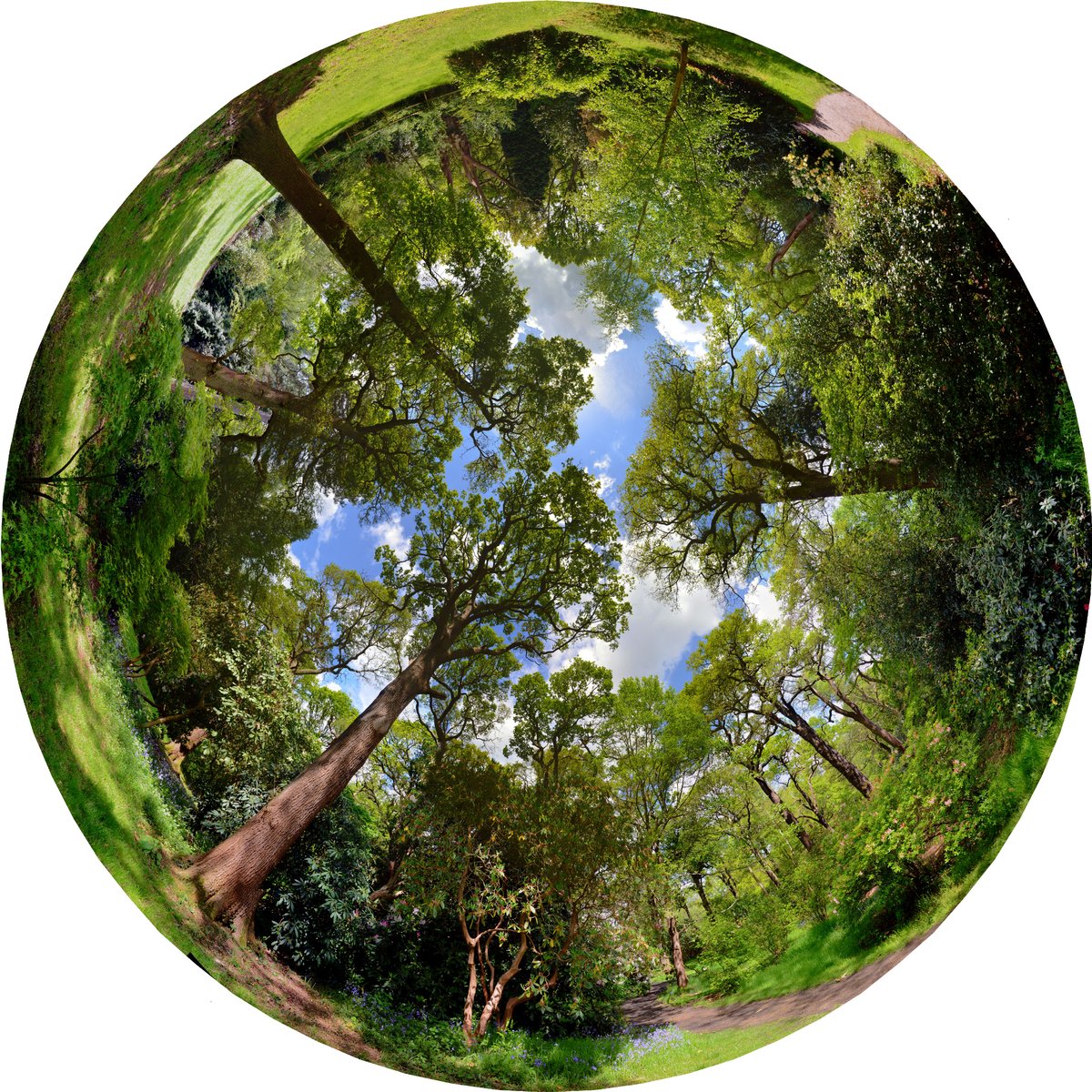
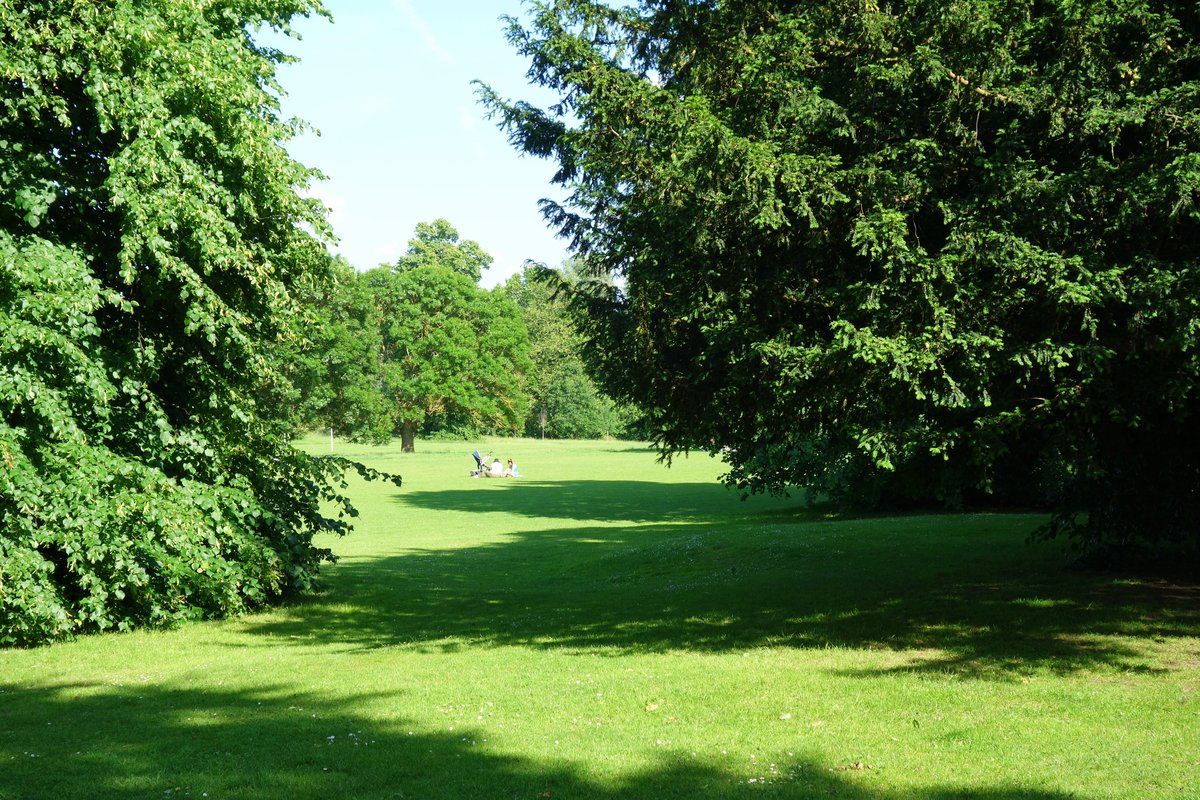
A fisheye lens photograph showcasing the dense, natural woodland scenery of Isabella Plantation, highlighting tall trees and lush green foliage.
A Woodland Legacy - Unveiling the History of Isabella Plantation
While the vibrant floral displays of Isabella Plantation captivate visitors today, the story of this woodland haven stretches back centuries, intertwined with the history of Richmond Park and the changing landscape of London. Whether you're interested in its rich history, the best times to visit, or practical visitor information, this guide has it all.
Early Beginnings - From Medieval Hunting Ground to Royal Park
Isabella Plantation's roots lie in the much larger Richmond Park, established in the 13th century as a royal hunting ground by King Edward I. The park, originally known as Shene Chase, encompassed a vast swathe of land, providing a habitat for deer and other game pursued by the monarchy.
Over the centuries, Richmond Park witnessed transformations under different monarchs. King Henry VIII, known for his passion for hunting, enlarged the park and built the majestic Hampton Court Palace nearby. Later, King Charles I opened the park to the public, a tradition that continues to this day.
The Birth of a Plantation - A Victorian Vision Takes Root
The story of Isabella Plantation as we know it began in the early 19th century. In 1811, the area now encompassing the Plantation was enclosed within the park, forming a secluded woodland. This marked the first step towards its transformation from a wild expanse to a cultivated landscape.
The name "Isabella Plantation" itself remains shrouded in some mystery. While the exact origin is unknown, it is believed to be linked to either Queen Isabella, wife of Edward II, or a later figure associated with the park's development.
Shaping the Landscape - Planting for Future Generations
The mid-19th century saw significant developments in the Plantation's character. Under the direction of the then Superintendent of Parks, James Pulham, extensive planting began in the 1830s. Pulham, renowned for his naturalistic approach to landscape design, sought to create a harmonious blend of native and exotic species.
Pulham's vision extended beyond mere aesthetics. He recognized the ecological importance of diversity, introducing a wide array of trees and shrubs to enrich the woodland ecosystem. This forward-thinking approach laid the foundation for the Plantation's remarkable biodiversity today.
A Legacy of Rhododendrons - A Burst of Color in Spring
Among Pulham's most enduring legacies was the introduction of rhododendrons to Isabella Plantation. These flowering shrubs, native to Asia and the Himalayas, found a thriving home in the Plantation's acidic soil and sheltered woodland environment.
Over time, the rhododendron collection expanded, encompassing a dazzling array of species and cultivars. Today, Isabella Plantation boasts one of the finest collections of rhododendrons and azaleas in the United Kingdom, their vibrant blooms transforming the woodland into a sea of color each spring.
Enduring Through Time - Wartime Challenges and Post-War Renewal
The 20th century brought both challenges and triumphs to Isabella Plantation. During World War II, like many green spaces across Britain, the Plantation was pressed into service for the war effort. Timber was felled for fuel, and parts of the woodland were used for military training.
Despite these wartime hardships, the Plantation's spirit endured. In the post-war years, a renewed focus on conservation and restoration saw the woodland gradually recover. New plantings were undertaken, and the existing collection of rhododendrons and azaleas was carefully nurtured.
A Garden for All Seasons - Evolving Beauty Throughout the Year
While spring remains the most celebrated season at Isabella Plantation, with the explosion of rhododendron blooms, the garden offers a captivating experience year-round. In autumn, the woodland canopy transforms into a tapestry of fiery hues as leaves turn shades of crimson, gold, and russet.
Winter reveals the skeletal beauty of the trees, their branches etched against the sky. The stillness of the season allows visitors to appreciate the subtle textures and colors of bark and evergreen foliage.
A Haven for Wildlife - Biodiversity Thrives in the Heart of London
Beyond its horticultural splendor, Isabella Plantation stands as a testament to the power of conservation. The diverse range of plant life supports a rich ecosystem, providing a haven for a variety of wildlife within the urban landscape of London.
Birdsong fills the air as numerous species, including woodpeckers, nuthatches, and treecreepers, flit through the branches. The ponds and streams teem with life, home to dragonflies, damselflies, and amphibians. The Plantation's commitment to ecological balance ensures that this natural heritage continues to thrive.
Visitor Information - Plan Your Trip to Isabella Plantation
Visiting Hours and Tickets
Isabella Plantation is open year-round with varying visiting hours depending on the season. Admission to the Plantation is free, making it an accessible destination for all. Check the official Richmond Park website for the most current visiting hours and any special events that may be taking place (Royal Parks).
Getting There
Located in Richmond Park, Isabella Plantation is easily accessible by public transport and car. Richmond Station is the nearest major station, with bus routes and parking facilities available nearby. For detailed travel tips, visit the Transport for London website or the Richmond Park official site.
Accessibility
The Plantation offers accessible pathways, making it suitable for visitors with mobility issues. Wheelchair-friendly routes are marked, and assistance dogs are welcome. For more information on accessibility, consult the Richmond Park visitor guide.
Nearby Attractions
Richmond Park itself is a treasure trove of historical and natural wonders. Nearby attractions include Pembroke Lodge, King Henry's Mound, and the Isabella Plantation itself. Hampton Court Palace and Kew Gardens are also within a short distance, offering further exploration opportunities (Royal Parks).
Special Events and Guided Tours
The Isabella Plantation often hosts special events and guided tours, providing deeper insights into the garden's history and plant collections. These activities are usually advertised on the Royal Parks website, so be sure to check for the latest offerings.
Photographic Spots
The Isabella Plantation offers numerous photographic opportunities. Whether it's the vibrant azaleas, the serene Still Water Pond, or the enchanting bluebell carpets, photographers will find plenty of inspiration. Early morning and late afternoon provide the best lighting conditions.
FAQ
What are the visiting hours for Isabella Plantation?
Visiting hours vary by season. Please check the official Richmond Park website for the most up-to-date information.
How much are tickets to Isabella Plantation?
Admission is free for all visitors.
Is Isabella Plantation accessible for visitors with disabilities?
Yes, the Plantation has accessible pathways and is suitable for visitors with mobility issues. Assistance dogs are also welcome.
What is the best time to visit Isabella Plantation?
Spring is the most popular time due to the vibrant rhododendron blooms, but the Plantation offers beauty throughout the year.
How do I get to Isabella Plantation?
Isabella Plantation is located in Richmond Park and is easily accessible by public transport and car. Richmond Station is the nearest major station.
Listen to the full story in the app
Your Personal Curator, in Your Pocket.
Audio guides for 1,100+ cities across 96 countries. History, stories, and local insight — offline ready.
Audiala App
Available on iOS & Android
Join 50k+ Curators
Sources
-
verified
Royal Parks
Isabella Plantation - A Historical Haven in Richmond Park
-
verified
Royal Parks
Isabella Plantation - Visiting Hours, Tickets, and Key Attractions in Richmond Park
-
verified
Royal Parks
Visiting Isabella Plantation - Tips, Tickets, and Must-See Spots in Richmond Park
- verified
Last reviewed: