Plan and listen to Ham House with Audiala.
Audio guide in your pocket, itinerary in your browser. Built for the way you actually visit.
Introduction to Ham House and Its Historical Significance
Ham House, beautifully set on the south bank of the River Thames in Ham, Richmond, is among the United Kingdom’s most exquisite and best-preserved 17th-century historic estates. Completed in 1610 and embodying Jacobean and Stuart elegance, this mansion offers visitors a vivid glimpse into English aristocratic life, royalist intrigue, and architectural splendor. With its opulent interiors, rare period furnishings, and formal gardens that have changed little since the 17th century, Ham House is an essential destination for history enthusiasts, architecture lovers, and families alike.
The estate’s enduring story is intertwined with royal connections, political drama, and the legacy of the Murray and Tollemache families. Their stewardship preserved Ham House through the English Civil War, the Restoration, and into the modern era. Now managed by the National Trust, Ham House welcomes tens of thousands of visitors each year, offering tours, special events, and accessible facilities that ensure this historic treasure remains open to all.
This comprehensive guide provides everything you need for a rewarding visit: Ham House visiting hours, ticket prices, travel tips, highlights of its history and architecture, nearby attractions, and practical advice for planning your trip.
For the latest and most official details, refer to the National Trust's Ham House page. For deeper historical and architectural insights, see Historic UK and Country Life.

Early Origins and Jacobean Foundations
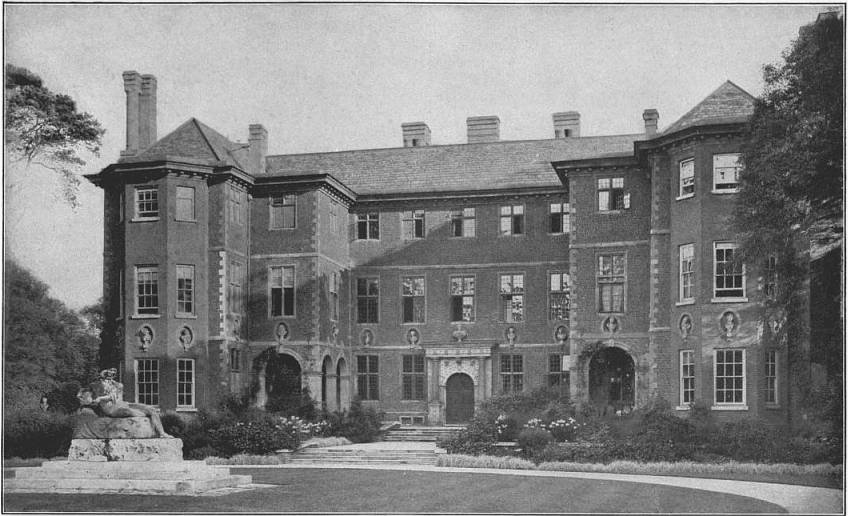
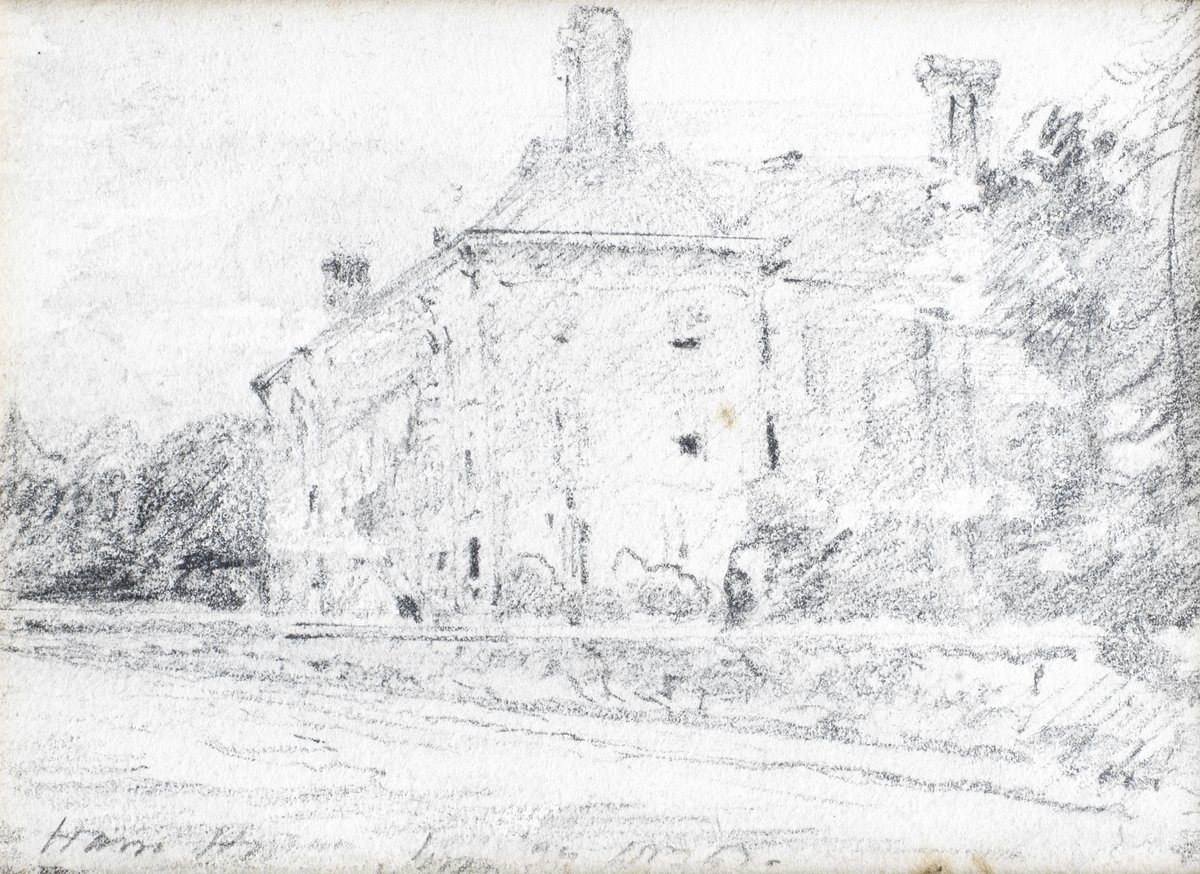
Ham House is a remarkable example of early 17th-century English architecture. Built in 1610 for Sir Thomas Vavasour, Knight Marshal to King James I, its strategic Thames-side location allowed for convenient travel between royal palaces at Richmond, Hampton Court, and London. The original Jacobean structure, featuring an H-plan layout and imposing north front, reflected the architectural preferences of the period (Wikipedia; Historic UK).
Royal Connections and Early Ownership
The manors of Ham and Petersham were granted by James I to his eldest son, Prince Henry. After Prince Henry’s death, the estate passed to Charles (later Charles I). After Vavasour’s death, Ham House was granted to John Ramsay, Earl of Holderness, and subsequently leased in 1626 to William Murray, a close companion of Charles I. Murray’s relationship with the king was so close that he served as Charles’s “whipping boy” (Sash Window; Wikipedia).
The Murray and Dysart Legacy
William Murray’s purchase of Ham House in 1626 began an era of transformation. Murray, a devout royalist, modernized the estate in 1638–1639, turning it into a fashionable riverside retreat. During the English Civil War, Murray fought for the king while his wife Catherine and daughter Elizabeth protected the estate. Though Parliament seized Ham House, Catherine’s efforts secured its return in 1646 after a heavy fine (Historic UK; Wikipedia).
Elizabeth Murray, later Countess of Dysart, inherited the estate and, with her husband Sir Lionel Tollemache, maintained the property even through the turbulent Protectorate era, ensuring its survival when many royalist homes were lost (Historic UK).
Restoration and Baroque Transformation
With the monarchy’s restoration in 1660, Elizabeth Murray married John Maitland, Duke of Lauderdale, and together they transformed Ham House into one of England’s grandest Stuart mansions. The interiors were lavishly refurnished, featuring collections of 17th-century art, tapestries, and furniture. The Great Hall, grand staircase, Long Gallery, and Green Closet remain highlights, displaying the opulence of the Restoration era (Wikipedia; Sash Window; Historic UK).
Decline, Survival, and Modern Restoration
After the Duke of Lauderdale’s death in 1682, Elizabeth Dysart’s later years saw financial hardship, but the house remained in the family. The 19th and early 20th centuries brought periods of neglect, but the estate’s collections were preserved by successive Tollemache heirs. In 1948, Ham House was entrusted to the National Trust, and since then, extensive restoration has brought it back to its former glory, with interiors and furnishings arranged according to historical records (Wikipedia).
Architectural and Cultural Significance
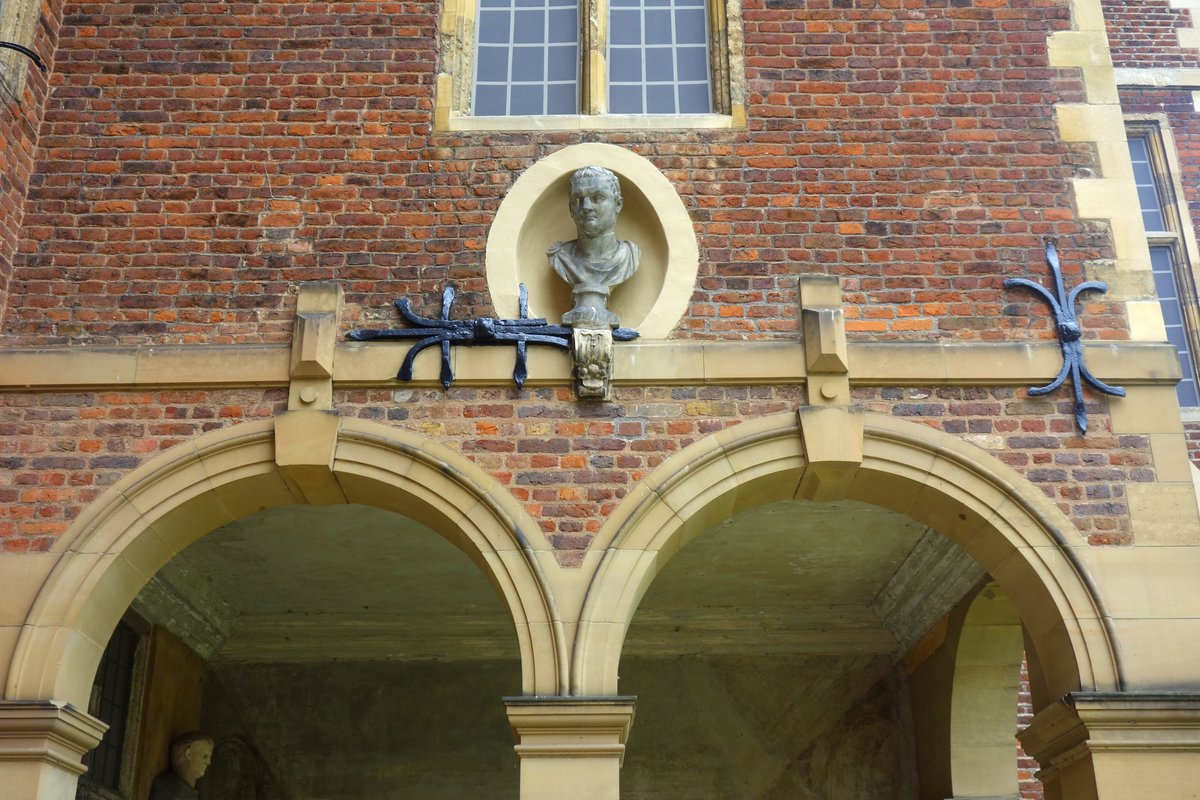
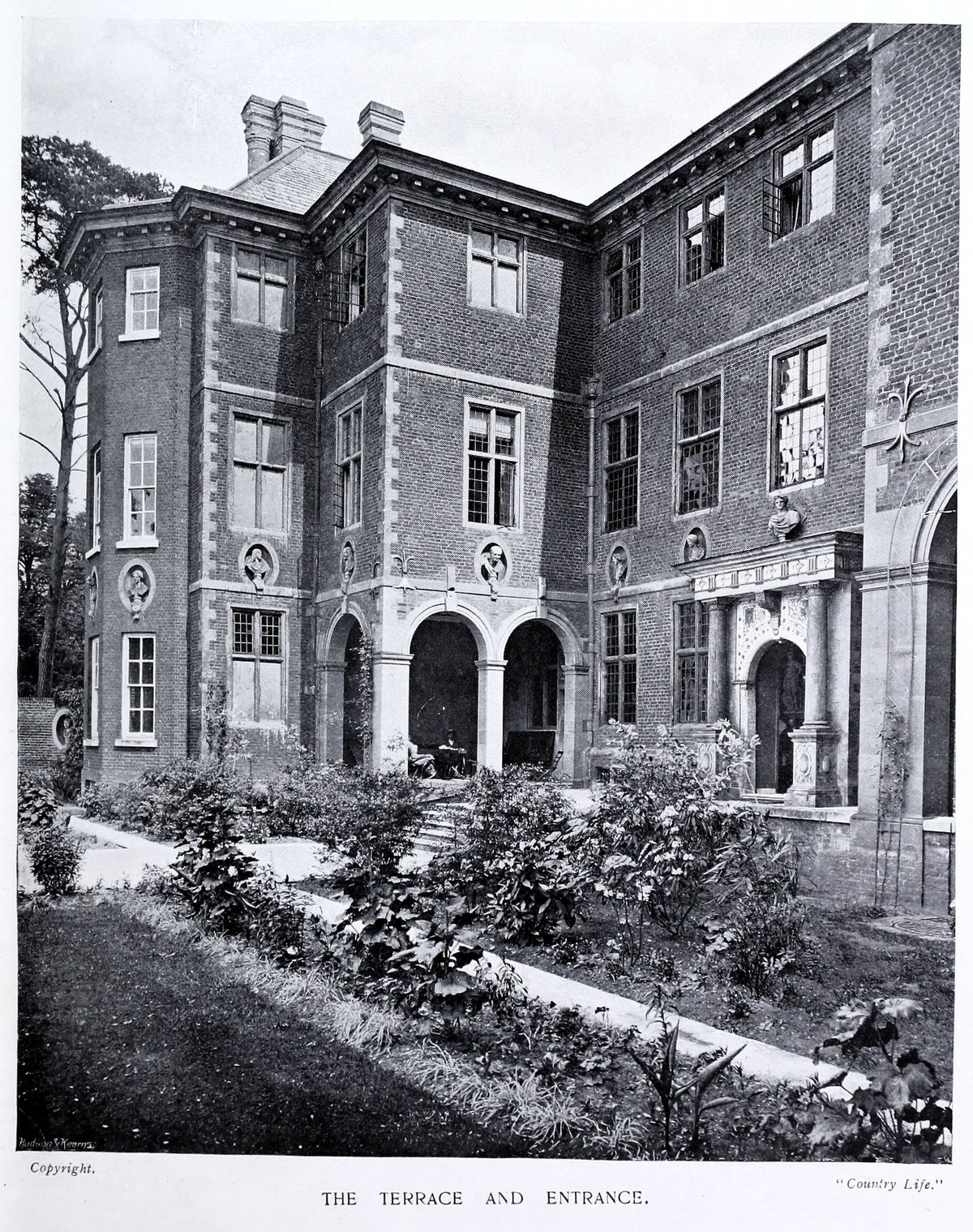
Ham House is celebrated for its authentic 17th-century architecture and interiors. Its symmetrical red-brick façade, stone busts of monarchs, and inscription “Vivat Rex” emphasize royalist loyalties (Historic UK). The interiors, rich with antique treasures and atmospheric wood-paneled galleries, provide a rare window into Stuart life—including what’s believed to be the world’s oldest surviving bathroom (Historic UK; Country Life).
The formal gardens, inspired by 17th-century continental designs, feature parterres, avenues, and a productive kitchen garden that still supplies the on-site café (National Trust).
Ham House’s restoration has influenced heritage conservation debates, emphasizing research, authenticity, and the challenge of interpreting incomplete evidence (Country Life).
Visiting Ham House: Hours, Tickets, and Travel Tips
Opening Hours
- Gardens: 10:00–17:00 daily
- House: 12:00–16:00 (closed Mondays and Tuesdays)
- Café and Shop: Generally align with garden hours but may vary seasonally (Chimptrips; National Trust)
Tickets
- Standard Admission: Adults from £14.00; children £7.00; family and concession tickets available.
- National Trust Members: Free entry.
- Booking: Recommended in advance, especially during peak times and for special events. Walk-ins are accepted if space allows.
Directions
- By Train: Richmond station (South Western Railway, London Overground); then bus 371 or 65 to Ham Street (Visit Richmond).
- By Bus: Routes 371 and 65.
- By Car: No on-site parking except for blue badge holders (advance booking required). Use nearby Ham Street Car Park.
- By Bicycle: Bike racks available; Thames Towpath provides a scenic cycle route.
- By Foot Ferry: Hammerton Ferry from Twickenham offers a picturesque crossing (Lotus Eaters Travel).
Accessibility
- Most gardens and ground floor rooms are wheelchair accessible.
- Accessible toilets, baby-changing facilities, and manual wheelchairs available (pre-booking advised).
- Assistance dogs welcome; monthly dementia-friendly walks offered (AccessAble).
Exploring Ham House: Interiors, Collections, and Gardens
House Highlights
- Historic Rooms: Self-guided and guided tours reveal original 17th-century interiors and the story of the Murray and Tollemache families.
- Art Collection: Over 200 paintings, sculptures, and rare furnishings by artists including van Dyck and Peter Lely (History Tools).
- Servants’ Quarters: Interactive basement exhibits explore the “hidden” side of aristocratic life (Chimptrips).
Gardens
- Formal Layout: 17th-century parterres, Cherry Garden, Wilderness maze, and productive kitchen garden (National Trust; History Hit).
- Family Activities: Activity trails, explorer packs, and a discovery room make Ham House popular with families.
- Dog-Friendly: Dogs welcome in gardens and café outdoor seating (on leads).
Facilities and Visitor Amenities
- Orangery Café: Light lunches, cakes, and garden views; outdoor seating is dog-friendly (Chimptrips).
- Gift Shop: Books, souvenirs, and garden-themed gifts (Visit Richmond).
- Restrooms: Conveniently located, with baby-changing facilities.
Special Events and Tours
- Seasonal festivals, historical reenactments, and family-friendly activities during school holidays.
- Guided house and garden tours, audio guides, and specialist workshops.
- Ham House often features in film and television productions (History Hit).
Nearby Attractions
- Richmond Park: Ideal for walks, cycling, and wildlife.
- Petersham Meadows: Perfect for picnics and riverside strolls.
- Ham Pond and Local Villages: Quiet spots for further exploration (Lotus Eaters Travel).
Practical Tips for Visiting Ham House
- Arrive early during weekends and holidays to avoid crowds.
- Check event listings for seasonal exhibitions and activities.
- Dress for the weather for garden exploration.
- Photography: Non-flash allowed in most areas; restrictions apply in some rooms.
- Dogs: Only assistance dogs in the house; pets on leads in the gardens and café area.
- Contact ahead for specific accessibility needs (AccessAble).
Frequently Asked Questions (FAQ)
What are Ham House’s visiting hours?
Gardens: 10:00–17:00 daily; House: 12:00–16:00 (closed Mondays and Tuesdays). Check the official website for updates.
How much do tickets cost?
Adults from £14.00; children £7.00; free for National Trust members; reduced rates in winter.
Can I bring my dog?
Assistance dogs are welcome in the house and gardens; other dogs allowed in gardens and café outdoor areas on leads.
Is Ham House wheelchair accessible?
Yes, the ground floor and most gardens are accessible; some upper floors have limited access.
Are guided tours available?
Yes, regular house and garden tours and audio guides are offered.
Are there activities for children?
Yes, especially during school holidays (themed trails, explorer packs, play sessions).
Where can I get refreshments?
The Orangery Café serves drinks, light meals, and cakes. Picnics are allowed in designated areas.
Listen to the full story in the app
The whole Ham House,
told well.
Audio guides for 1,100+ cities across 96 countries. History, stories, and local insight — offline ready.
Verified, and shown.
Researched and written by the Audiala editorial team from historical records, architectural archives, and local expertise.
Researched from Wikidata, Wikipedia & official sources · fact-checked · How we make our guides →