Plan and listen to Evolution House At The Royal Botanic Gardens, Kew with Audiala.
Audio guide in your pocket, itinerary in your browser. Built for the way you actually visit.
Introduction
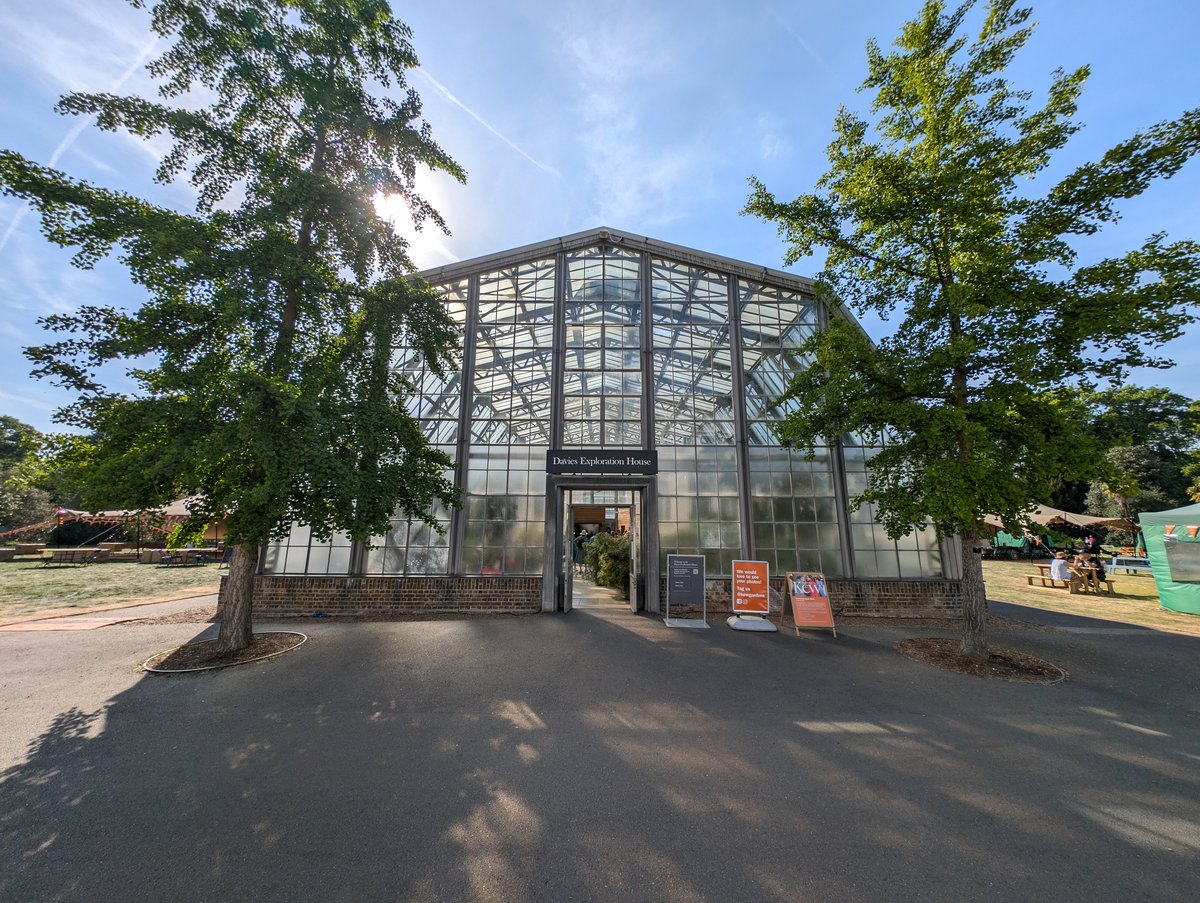
Evolution House, set within the celebrated Royal Botanic Gardens, Kew, in Richmond, London, stands as a beacon of botanical science, innovative architecture, and public education. Opened in 2019 alongside the Agius Evolution Garden, this contemporary structure commemorates more than 350 million years of plant evolution. Through immersive exhibits, sustainable design, and a dedication to accessibility, Evolution House invites visitors of all backgrounds to engage with the wonders of plant diversity, evolutionary science, and global conservation (UNESCO; Kew Gardens: Agius Evolution Garden).
This comprehensive guide details everything you need to plan your visit—from historical context and architectural highlights to ticketing, accessibility, travel tips, and nearby attractions. Whether you are a science enthusiast, family, student, or casual visitor, Evolution House promises a memorable and enlightening experience within one of London’s premier heritage sites (Architectuul; Secret London).

Historical Context
Kew Gardens' botanical legacy dates to 1759, evolving into a world leader in plant science and conservation. Evolution House, together with the Agius Evolution Garden, represents Kew’s ongoing mission to interpret and illuminate the story of plant evolution for the public (UNESCO). The project, generously supported by Marcus and Kate Agius, showcases the latest in DNA-based research and the significance of plant adaptation through time (Kew Press Release).
Architectural Significance and Features
Integration with the Scientific Narrative
The design of Evolution House is intentionally subtle, allowing the surrounding gardens and scientific displays to take center stage. Pathways radiate from the building, echoing the evolutionary Tree of Life and guiding visitors through key evolutionary milestones (Kew Gardens: Agius Evolution Garden).
Materials, Aesthetic, and Sustainability
Constructed with sustainable timber and expansive glass, Evolution House harmonizes with Kew’s iconic Victorian glasshouses. The building’s low profile and use of natural light minimize visual impact and energy consumption (Architectuul).
Relationship to Kew’s Heritage
As part of a UNESCO World Heritage Site, Evolution House complements historic landmarks like the Palm and Temperate Houses, offering a contemporary yet respectful counterpoint to Kew’s architectural tradition (Kew Art and Architecture Trail).
Scientific Foundations and Exhibition Experience
The Evolution Exhibition inside Evolution House is rooted in the latest DNA-based plant classifications developed by the Angiosperm Phylogeny Group. Kew researchers use advanced sequencing to unravel plant relationships—sometimes revealing surprising evolutionary kinships (Gardeners' Club). The exhibition invites visitors to explore the branching Tree of Life through interactive panels and living plant displays, demonstrating how molecular biology is revolutionizing taxonomy.
Exhibition Layout and Design
Visitors journey through evolutionary time, moving from early land plants to the rise of flowering species. Interactive displays, touchscreen panels, and real-time data visualizations bring complex scientific concepts to life (Gardeners' Club).
Educational Impact
Kew’s exhibits are inclusive, with content tailored for all ages. Educational programs encompass guided tours, hands-on workshops, and curriculum-linked activities, supported by digital resources such as the Cambridge Darwin Archive (Cambridge University Library). Kew’s Millennium Seed Bank and global partnerships are also featured, linking evolutionary science to conservation and sustainability (Kew Press Releases).
Darwin, Kew, and Evolutionary Heritage
Kew’s connection to Charles Darwin is celebrated throughout the Evolution Exhibition. Original letters, sketches, and research notes—many digitized for public access—illustrate Darwin’s groundbreaking work and his scientific exchanges with Kew’s director, Joseph Hooker (Cambridge University Library). These archives, recognized by UNESCO, underpin the story of how Kew contributed to the birth and advancement of evolutionary theory.
Key Highlights of Evolution House
- Interactive Digital Tree of Life: Explore evolutionary relationships among thousands of species.
- Living Collections: Over 500 plant species arranged by evolutionary lineage.
- Darwin’s Legacy Gallery: Displays of original documents and modern research tools.
- Conservation in Action: Exhibits on the Millennium Seed Bank and global biodiversity efforts.
- Family and School Activities: Engaging stations for hands-on learning and citizen science.
Practical Visitor Information
Visiting Hours
- Daily: 10:00 AM – 5:30 PM (last entry 5:00 PM)
- Note: Hours vary seasonally; always check the official Kew Gardens website before your visit.
Tickets and Admission
- Included with Kew Gardens entry
- Adult: £20.00–£22.00
- Child (4–15): £6.00
- Concessions: £16.00–£17.00
- Family and disabled visitor rates available
- Booking: Purchase online in advance, especially during peak periods (Timeless Travel Steps; Time Travel Turtle).
Accessibility
- Fully wheelchair accessible, with level entrances, wide pathways, and accessible facilities.
- Assistance dogs permitted.
- Audio guides, large-print materials, and sensory support available (Kew Gardens Accessibility).
Travel and Parking
- Tube: Kew Gardens Station (District Line, London Overground) is a short walk from Victoria Gate.
- Train: Kew Bridge Station offers regular services.
- Bus: Routes 65, 237, 267, and 391.
- Car: Limited parking at Brentford Gate; early arrival recommended.
- River: Seasonal Thames riverboats from Westminster (Time Travel Turtle).
Entrances
- Victoria Gate (TW9 3JR)
- Lion Gate (TW9 2DF)
- Elizabeth Gate (TW9 3AE)
- Brentford Gate (TW9 3AF) (Secret London)
Facilities and Amenities
- Restrooms, including accessible toilets near Evolution House.
- Cafés and restaurants, with sustainable, locally sourced menus.
- Picnic areas and gift shops.
- Family facilities: baby changing and stroller-friendly routes.
Nearby Attractions
While at Kew, visit the Palm House, Temperate House, Princess of Wales Conservatory, Queen Charlotte’s Cottage, and the Millennium Seed Bank. Nearby, explore Richmond Park, Syon Park, and the Museum of Richmond for a full day of discovery.
Sustainability and Conservation at Kew
Kew Gardens is at the forefront of environmental stewardship. Net zero glasshouse projects, the Carbon Garden (opening 2025), and the Millennium Seed Bank reflect Kew’s commitment to sustainability (Kew Gardens; Academia.edu). Education and outreach programs foster biodiversity awareness and sustainable living.
Accessibility Initiatives
Kew provides inclusive pathways, carer tickets, sensory tours, British Sign Language events, and learning programs for all visitors (Kew Gardens Accessibility). Download the accessibility map and contact staff for any specific needs.
Visitor Tips and FAQs
What are the opening hours?
10:00 AM – 5:30 PM (seasonal variations); verify online before visiting.
How much do tickets cost?
Adult tickets: £20.00–£22.00; discounts for children, seniors, students, and families.
Is Evolution House suitable for children?
Yes—interactive exhibits and educational activities for all ages.
Are guided tours available?
Yes—periodic tours and workshops; check Kew’s events calendar.
Is Evolution House accessible?
Fully accessible with support for mobility and sensory needs.
Are dogs allowed?
Only assistance dogs are permitted.
How do I get there?
Public transport is recommended; see above for options.
Can I picnic at Kew?
Yes—designated areas are available.
Visuals and Media
Visit the official Kew Gardens website for virtual tours, high-resolution images, and downloadable maps to enhance your visit.
Contact and Further Information
- Address: Royal Botanic Gardens, Kew, Richmond, London, TW9 3AE
- Phone: 020 8332 5655
- Email: [email protected]
- Official Website: www.kew.org
Tickets & tours.
These are guided options from our partners — same price as booking direct.
Prices are indicative — final pricing and availability are confirmed at checkout. Audiala may earn a commission from bookings made through these links.
Listen to the full story in the app
The whole Evolution House At The Royal Botanic Gardens, Kew,
told well.
Audio guides for 1,100+ cities across 96 countries. History, stories, and local insight — offline ready.
Verified, and shown.
Researched and written by the Audiala editorial team from historical records, architectural archives, and local expertise.
Researched from Wikidata, Wikipedia & official sources · fact-checked · How we make our guides →