Plan and listen to Wittenham Clumps with Audiala.
Audio guide in your pocket, itinerary in your browser. Built for the way you actually visit.
Introduction
Wittenham Clumps, located in the picturesque Oxfordshire countryside, is a treasure trove of historical and cultural significance. This guide will take you through its rich history, visiting hours, ticket information, and travel tips to make the most of your visit.

History of Wittenham Clumps
Ancient Beginnings
Wittenham Clumps is known for its two prominent hills, Round Hill and Castle Hill, which have been a focal point of human activity for thousands of years. Archaeological evidence suggests that the site was occupied as early as the Bronze Age, around 2000 BCE. The presence of ancient burial mounds, known as barrows, indicates that the area was used for ceremonial purposes (Historic England).
Iron Age Fortifications
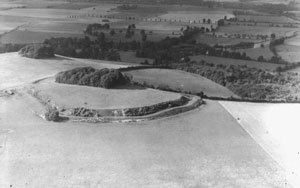
During the Iron Age, approximately 600 BCE to 43 CE, Wittenham Clumps became a strategic location. Castle Hill, in particular, was fortified with a hillfort, a type of earthwork used for defense. The hillfort's ramparts and ditches are still visible today, providing a glimpse into the engineering skills of the Iron Age inhabitants. These fortifications were likely constructed by the local Celtic tribes, who used the elevated position to monitor and control the surrounding landscape (Oxford Archaeology).
Roman Influence
The Roman conquest of Britain in 43 CE brought significant changes to the region. While there is limited evidence of direct Roman occupation at Wittenham Clumps, the area was undoubtedly influenced by the Roman presence in nearby settlements such as Dorchester-on-Thames. Roman roads and infrastructure would have facilitated trade and movement, impacting the local economy and culture (British Museum).
Medieval Period
In the medieval period, Wittenham Clumps continued to be an important landmark. The Domesday Book of 1086, a comprehensive survey of England commissioned by William the Conqueror, mentions the nearby village of Little Wittenham. The hills likely served as a lookout point and a place for local gatherings. The medieval landscape was characterized by agricultural activities, with the surrounding fields being used for farming and grazing (National Archives).
18th and 19th Centuries
The 18th and 19th centuries saw Wittenham Clumps becoming a popular destination for leisure and recreation. The picturesque landscape attracted artists and writers, including the renowned poet Matthew Arnold, who referred to the hills as the "Clumps of Wittenham" in his works. The area was also a favorite spot for picnics and nature walks among the local gentry (Oxford University Press).
20th Century to Present
In the 20th century, Wittenham Clumps underwent significant changes. The hills were acquired by the Earth Trust, a conservation organization dedicated to preserving the natural and historical heritage of the area. The Trust has implemented various conservation projects to protect the unique flora and fauna of the Clumps, as well as to maintain the archaeological features. Today, Wittenham Clumps is a popular destination for tourists and locals alike, offering stunning views of the Oxfordshire countryside and a rich tapestry of history (Earth Trust).
Archaeological Discoveries
Recent archaeological excavations have uncovered a wealth of artifacts that shed light on the long history of Wittenham Clumps. Finds include pottery shards, tools, and remnants of ancient structures. These discoveries have provided valuable insights into the daily lives of the people who once inhabited the area. The ongoing research continues to reveal new aspects of the site's history, contributing to our understanding of the region's past (Archaeology Data Service).
Cultural Significance
Wittenham Clumps holds a special place in the cultural heritage of Oxfordshire. The hills have inspired numerous artists, poets, and writers over the centuries. Their iconic silhouette is a symbol of the region's natural beauty and historical depth. The Clumps are also a site of local folklore, with legends and stories passed down through generations. This cultural significance adds to the allure of Wittenham Clumps as a destination for those seeking to connect with the history and traditions of the area (Oxfordshire History Centre).
Preservation Efforts
The preservation of Wittenham Clumps is a collaborative effort involving various organizations and the local community. The Earth Trust plays a central role in managing the site, ensuring that its natural and historical features are protected for future generations. Conservation initiatives include habitat restoration, archaeological surveys, and educational programs aimed at raising awareness about the importance of preserving this unique landscape (Earth Trust Conservation).
Visitor Information
- Visiting Hours: Wittenham Clumps is open to visitors year-round, from dawn to dusk. Check the Earth Trust website for any seasonal variations.
- Tickets: Entry to Wittenham Clumps is free, but donations to the Earth Trust are welcome to support ongoing conservation efforts.
- Travel Tips: Accessible by car and public transport, with parking available at the site. Wear comfortable walking shoes and bring a camera to capture the stunning views.
- Nearby Attractions: Explore other historical sites in Oxfordshire, such as Dorchester Abbey and the Ashmolean Museum.
Visitor Experience
Visitors to Wittenham Clumps can explore the rich history of the area through a network of well-maintained trails and interpretive signs. The Earth Trust offers guided tours and educational workshops that provide deeper insights into the site's archaeological and ecological significance. The panoramic views from the top of the hills are a highlight for many visitors, offering a chance to appreciate the beauty and history of the Oxfordshire countryside (Visit Oxfordshire).
FAQ Section
Q: What are the opening hours of Wittenham Clumps? A: Wittenham Clumps is open from dawn to dusk throughout the year. For any updates or changes in visiting hours, please check the Earth Trust website.
Q: How can I get tickets for Wittenham Clumps? A: Entry to Wittenham Clumps is free of charge. However, donations to the Earth Trust are appreciated to help support their conservation efforts.
Listen to the full story in the app
The whole Wittenham Clumps,
told well.
Audio guides for 1,100+ cities across 96 countries. History, stories, and local insight — offline ready.
Verified, and shown.
Researched and written by the Audiala editorial team from historical records, architectural archives, and local expertise.
Wittenham Clumps
Wittenham Clumps
Roman Influence at Wittenham Clumps
Medieval Period at Wittenham Clumps
Wittenham Clumps in the 18th and 19th Centuries
Conservation Efforts at Wittenham Clumps
Archaeological Discoveries at Wittenham Clumps
Cultural Significance of Wittenham Clumps
Visitor Experience at Wittenham Clumps
Researched from Wikidata, Wikipedia & official sources · fact-checked · How we make our guides →