Plan and listen to John Rylands Library with Audiala.
Audio guide in your pocket, itinerary in your browser. Built for the way you actually visit.
Introduction
The John Rylands Library, nestled in the heart of Manchester, stands as a testament to Victorian neo-Gothic architecture, civic philanthropy, and the city’s enduring commitment to knowledge and culture. Since its opening in 1900, the library has captivated visitors with its breathtaking design and world-class collections, making it one of the United Kingdom's most treasured historical sites (Manchester University; Visit Manchester). This guide provides a detailed overview of the library’s history, collections, architecture, visitor information—including current opening hours and ticket details—and practical tips to help you plan your visit.
Historical Background
Founding Vision
Commissioned by Enriqueta Augustina Rylands in memory of her husband, John Rylands—a prominent industrialist and philanthropist—the library was envisioned as a “cathedral of learning” for Manchester. Enriqueta’s generous endowment of approximately £1 million (over £100 million today) reflected her desire to foster civic pride and intellectual advancement in the city (Manchester University; History Tools).
Architectural Significance
Designed by Basil Champneys, the library is a masterpiece of neo-Gothic architecture, featuring soaring arches, elaborate stone carvings, and intricate stained glass. The building’s fortress-like exterior and cathedral-inspired reading room create an atmosphere of reverence, distinguishing it from Manchester’s predominantly classical Victorian cityscape (Country Life; Britain Visitor).
Growth and Collections
Enriqueta Rylands was instrumental in acquiring foundational collections, including the Earl Spencer’s library and the Crawford manuscripts, rapidly establishing the John Rylands Library as a repository of international significance. Over time, the collections expanded to include illuminated manuscripts, rare printed books (such as the Gutenberg Bible), and significant archives covering science, literature, and local history (Manchester University Library; Wikipedia).
Integration and Modernization
The library became part of the University of Manchester in 1972, merging its academic mission with public engagement. Renovations and expansions, including the award-winning “Unlocking the Rylands” project and the current “Next Chapter” refurbishment, have ensured the preservation and accessibility of its collections while enhancing visitor facilities (Secret Manchester).
The Collections
Rare Books and Early Printing
The John Rylands Library houses one of the world’s finest collections of rare books and early printed works, including:
- The Gutenberg Bible
- Works by Aldus Manutius and William Caxton
- Early European and Chinese printed books
- Exquisite bookbindings and illustrated masterpieces (ilovemanchester.com; Manchester Digital Collections)
Manuscripts and Archives
The manuscript collection is renowned for its breadth, with items spanning over 5,000 years and more than 50 languages. Highlights include:
- The Rylands Papyrus P52, the earliest known fragment of the New Testament
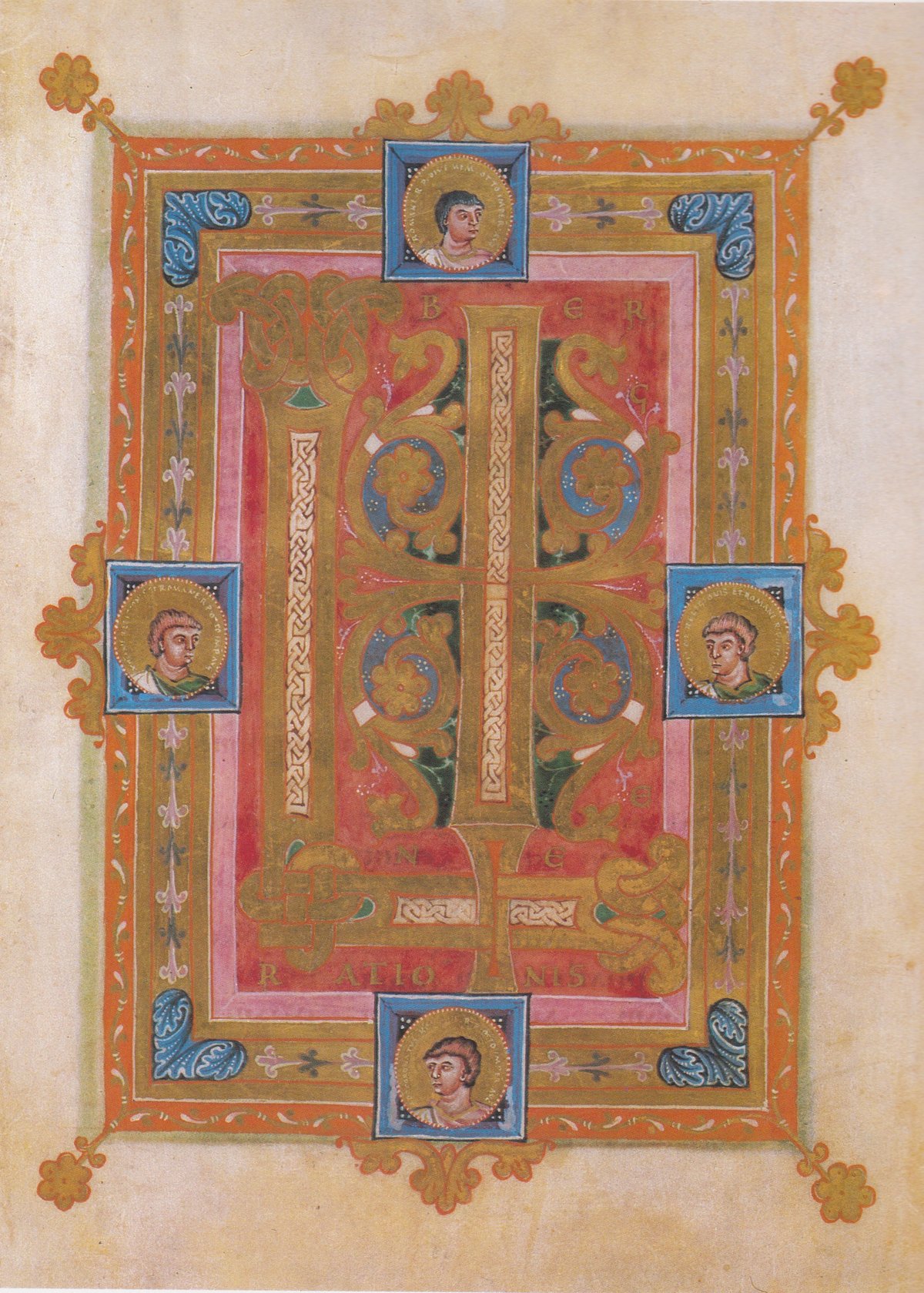
- Medieval illuminated manuscripts (e.g., the Rylands Beatus)
- Middle English literary treasures
- A 14th-century trilingual Qur’an
- Archives from local families and figures such as Elizabeth Gaskell and Alan Turing (Manchester Special Collections; manchester.ac.uk)
Thematic and Subject Guides
Over 30 subject guides support research across topics like labor history, religion, science, literature, and local industry, underscoring Manchester’s historic role in social reform and innovation (Manchester Special Collections).
Digital Access and Public Engagement
The library’s holdings are increasingly accessible worldwide through the Manchester Digital Collections, and the new Collections Gallery showcases rotating exhibitions of rare and significant objects.
Visiting Information
Opening Hours (as of June 2025)
- Wednesday to Saturday: 10:00 am – 5:00 pm (last entry 4:30 pm)
- Closed: Sunday, Monday, Tuesday, and public holidays
Hours may change due to renovations—please check the official website before visiting.
Admission and Tickets
- Entry: Free for all visitors; no advance booking required
- Special Exhibitions/Tours: Some may require tickets, which can be purchased online or at the library
Location and Getting There
- Address: 150 Deansgate, Manchester M3 3EH
- Easily accessible by tram (St Peter’s Square), bus, and train (Manchester Piccadilly, Victoria, and Salford Central stations). Nearby parking is available in Spinningfields.
Accessibility
The library is fully accessible, with step-free entry, lifts, accessible toilets, and support for visitors with disabilities. Assistance dogs are welcome (AccessAble).
Facilities
- Café: Light refreshments available in the modern extension
- Shop: Library-themed gifts and books (card payments only)
- Cloakroom, Reading Rooms, and Accessible Restrooms
Visitor Experience and Highlights
Arrival
Enter through the modern extension, housing the café and shop, then step into the historic library with its vaulted ceilings and tranquil atmosphere—a dramatic transition from bustling Deansgate (helenonherholidays.com).
Architectural Features
Admire the neo-Gothic stonework, stained glass, flying buttresses, and the cathedral-like reading room watched over by statues of John and Enriqueta Rylands. Don’t miss the original Victorian toilets, a quirky piece of history accessible via guided tours (Unlock Manchester).
Collections Gallery and Exhibitions
The newly opened Collections Gallery (since May 2025) displays rotating highlights, such as:
- The earliest New Testament papyrus
- King Nebuchadnezzar’s clay cylinder
- Shakespeare’s First Folio
- Archives from the Peterloo Massacre and Alan Turing
Guided Tours and Events
Guided tours and public lectures are available (some may be paused or limited during renovations). Check the website or inquire at the front desk for up-to-date offerings (library.manchester.ac.uk).
Study and Research
The main reading room is open to all for quiet study. Access to special collections requires an appointment. Researchers must adhere to handling guidelines to protect rare materials.
Photography
Personal photography is permitted in most public spaces (no flash or tripods). Commercial photography requires prior permission.
Nearby Attractions
The library’s central location makes it ideal for exploring other Manchester landmarks, including the Science and Industry Museum, Manchester Art Gallery, and Manchester Cathedral. The Spinningfields district offers a range of dining options (timeout.com).
Frequently Asked Questions (FAQs)
Q: What are the current opening hours?
A: Wednesday to Saturday, 10:00 am – 5:00 pm (last entry 4:30 pm). Closed Sunday–Tuesday.
Q: Is entry free?
A: Yes, admission is free. Some events or tours may require tickets.
Q: Are guided tours running?
A: Guided tours are available but may be limited during renovations. Check with staff on arrival.
Q: Is the library accessible?
A: Yes, with step-free entry, lifts, and accessible restrooms.
Q: Can I take photos?
A: Personal photography is welcome in most areas (no flash/tripods).
Summary and Visitor Recommendations
The John Rylands Library is more than a repository of knowledge; it is a living monument to Manchester’s industrial, cultural, and philanthropic legacy. Its awe-inspiring architecture, globally significant collections, and commitment to accessibility make it a must-visit for anyone interested in history, literature, or architecture. Situated centrally, it serves as an ideal starting point for exploring Manchester’s rich heritage.
- Plan ahead: Always check for the latest updates on hours and exhibitions (library.manchester.ac.uk).
- Take your time: Allocate 1–2 hours to fully appreciate the library’s spaces and collections.
- Explore nearby attractions: Make the most of your visit by exploring Manchester’s other historical and cultural sites.
Listen to the full story in the app
The whole John Rylands Library,
told well.
Audio guides for 1,100+ cities across 96 countries. History, stories, and local insight — offline ready.

Verified, and shown.
Researched and written by the Audiala editorial team from historical records, architectural archives, and local expertise.
Last reviewed
Researched from Wikidata, Wikipedia & official sources · fact-checked · How we make our guides →


