Plan and listen to Hough End Hall with Audiala.
Audio guide in your pocket, itinerary in your browser. Built for the way you actually visit.
Introduction
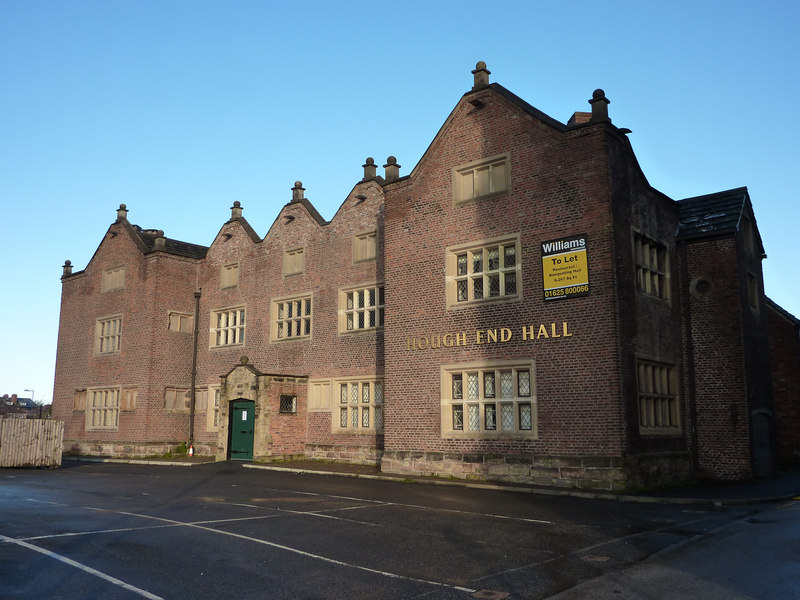
Hough End Hall, located in Chorlton-cum-Hardy, Manchester, is a rare survivor of the city’s Elizabethan past. Built in 1596 by Sir Nicholas Mosley, a prominent wool merchant and Lord Mayor of London, this Grade II* listed manor house stands as a vital link to Manchester’s pre-industrial history. With its distinctive Tudor architecture, rich folklore, and evolving role in the community, Hough End Hall offers visitors an opportunity to experience the city’s heritage firsthand.
This guide provides comprehensive information on Hough End Hall’s visiting hours, tickets, accessibility, and nearby historical attractions. It also highlights ongoing preservation efforts and offers practical tips for planning your visit. For the latest updates, consult the Friends of Hough End Hall, Confidentials, and Spacehive.
Origins and Early History
Commissioned by Sir Nicholas Mosley in the late 16th century, Hough End Hall originally served as the Mosley family’s country seat. Its brick construction was groundbreaking for the region, setting a precedent for future architectural developments in Manchester (Confidentials). The hall’s symmetrical gabled façade distinguished it from the predominantly timber-framed buildings of the era.
Architectural Significance
Hough End Hall is a prime example of late Tudor architecture, characterized by its decorative brickwork, prominent gables, and mullioned windows. Though the interior has seen significant changes, original features like fireplaces and timber beams remain. Its architectural integrity stands as a testament to the craftsmanship of the Elizabethan period.
Changing Fortunes and Preservation
After the Mosley family vacated the hall in the 18th century, the building endured periods of varied use and neglect. By the 20th century, urban expansion had largely isolated the hall from its original grounds, and unsympathetic developments in the 1960s further diminished its setting (Spacehive). Despite these challenges, the building was granted listed status in 1974, securing its place in Manchester’s heritage.
Visitor Information
Current Status and Access
Hough End Hall is not currently open for general interior tours due to ongoing restoration and safety concerns. However, the exterior and grounds can be viewed from public footpaths and adjacent roads. For updates on special events or potential openings, refer to the Friends of Hough End Hall or Friends of Hough End Hall Community Site.
Visiting Hours and Ticketing
- Regular Access: No general opening hours; access is limited to special events, heritage open days, or by prior arrangement.
- Tickets: No routine ticketing. Special events or tours may require advance booking.
- Guided Tours: Occasionally available during heritage events, led by local volunteers. Advance booking is recommended.
Getting There
- Location: Chorlton-cum-Hardy, near the junction of Mauldeth Road West and Princess Road.
- Public Transport: Served by local bus routes and close to Chorlton Metrolink tram station.
- Parking: Limited on-site parking; visitors are encouraged to use public transport, especially during events at the nearby leisure centre or sports grounds.
Accessibility
- Building Access: The historic structure has some limitations for those with mobility challenges, but adjacent facilities like the leisure centre provide full accessibility, including step-free access and accessible restrooms.
- Visitor Amenities: The Hough End Leisure Centre offers family-friendly amenities, restrooms, and a café (Trustguide, Trustpilot).
Community Role and Preservation
Hough End Hall’s survival is due in large part to community activism. The Friends of Hough End Hall lead efforts to restore and repurpose the building as a community hub. Though previous crowdfunding campaigns fell short, local initiatives continue, including heritage walks, exhibitions, and educational programs (Spacehive).
Folklore and Local Legends
The Hall is steeped in legend, with tales of ghostly apparitions from the Civil War era, including Captain Robert Halgh and his phantom dogs. These stories add to the site’s allure and cultural significance.
Nearby Historical Attractions
While Hough End Hall’s interior access is limited, Manchester offers a wealth of alternative historical sites:
- Clayton Hall: A restored moated manor with open days and events. (Clayton Hall)
- Manchester Cathedral: The city’s stunning Gothic cathedral, open year-round. (Manchester Cathedral)
- John Rylands Library: A masterpiece of neo-Gothic architecture with public exhibitions. (John Rylands Library)
- Manchester Art Gallery and Whitworth Art Gallery: Free entry to outstanding collections.
- Hough End Leisure Centre: Modern sports and community facilities (not part of the historic hall). (Better.org.uk Hough End Leisure Centre)
Practical Tips for Visitors
- Plan Ahead: Always check official websites for the latest information on open days and accessibility.
- Combine Attractions: Pair your visit to Hough End Hall with other historical sites or Chorlton’s independent shops and cafés.
- Use Public Transport: Parking is limited and public transport is convenient.
- Photography: Exterior photography is welcomed; interior photography may be restricted during private or religious events.
- Cultural Sensitivity: Hough End Hall functions as both a mosque and community academy—modest dress and respectful behaviour are appreciated.
- Safety: The area is generally safe, but visitors should remain aware of their surroundings (Guard Mark).
Frequently Asked Questions (FAQ)
Q: Can I visit inside Hough End Hall?
A: The interior is closed except during scheduled special events or by prior arrangement.
Q: Are there regular visiting hours or tickets?
A: No; tickets are only required for specific events or guided tours. Check the Friends of Hough End Hall for updates.
Q: Is the site accessible for visitors with disabilities?
A: The building has some limitations, but the adjacent leisure centre provides accessible amenities.
Q: Are guided tours available?
A: Occasionally, during special events or heritage open days.
Q: What nearby sites should I visit?
A: Clayton Hall, Manchester Cathedral, John Rylands Library, and Manchester Art Gallery.
Supporting Hough End Hall’s Future
You can support ongoing preservation by engaging with local campaigns, donating, or raising awareness. Community groups welcome volunteers and contributions to ensure the hall’s legacy endures (Spacehive).
Listen to the full story in the app
The whole Hough End Hall,
told well.
Audio guides for 1,100+ cities across 96 countries. History, stories, and local insight — offline ready.

Verified, and shown.
Researched and written by the Audiala editorial team from historical records, architectural archives, and local expertise.
Last reviewed
Researched from Wikidata, Wikipedia & official sources · fact-checked · How we make our guides →


