Plan and listen to Colonnade By Lake To South Of Heaton Hall with Audiala.
Audio guide in your pocket, itinerary in your browser. Built for the way you actually visit.
Introduction
Nestled within the expansive grounds of Heaton Park—Manchester’s largest and most celebrated green space—the Colonnade by the Lake stands as a powerful symbol of the city’s civic heritage and architectural ambition. Originally constructed as the grand neoclassical portico of Manchester’s first purpose-built Town Hall in the early 19th century, this striking structure was painstakingly relocated to Heaton Park in 1912, ensuring the preservation of a significant piece of the city’s municipal history. Today, the Colonnade offers visitors not only a tranquil retreat by the water but also a direct connection to Manchester’s past, blending stately architecture with scenic beauty.
Whether you are a history enthusiast, architecture lover, photographer, or a family seeking a memorable day out, this comprehensive guide covers everything you need to know about visiting the Heaton Park Colonnade. From its fascinating origins and design details to practical visitor information, conservation status, and community engagement, plan your visit with confidence and insight.
For further authoritative information and updates, refer to the Manchester City Council heritage pages, Historic England listing, and Heaton Park official resources.

Origins and Historical Evolution
The Manchester Town Hall Facade (1822–1912)
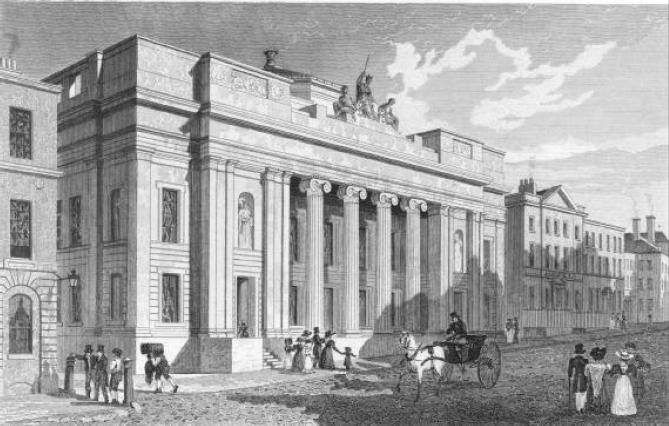
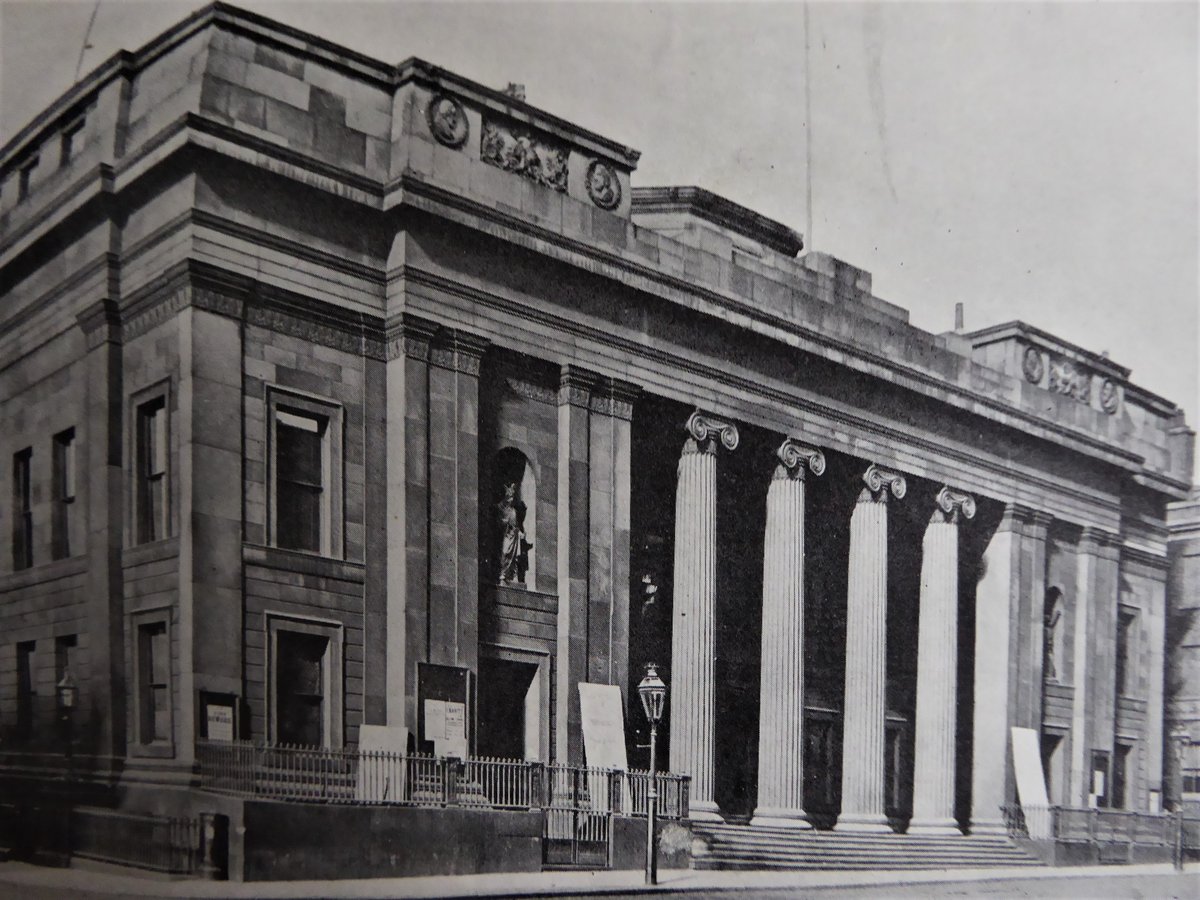
The Colonnade began its life as the façade of Manchester’s first purpose-built Town Hall on King Street, constructed between 1822 and 1824. Designed by Francis Goodwin, the Town Hall’s Ionic portico embodied the city’s industrial-era aspirations and burgeoning civic pride. As Manchester grew, the building was replaced by the larger, Gothic Revival Town Hall on Albert Square in 1877, making the original structure redundant (Historic England; Manchester City Council).
Preservation and Relocation to Heaton Park (1912)
Public outcry over the demolition of the original Town Hall led to a successful preservation campaign. Notable advocates ensured the colonnade was carefully dismantled, each stone marked and catalogued, then transported to Heaton Park. In 1912, it was reassembled to overlook the newly created boating lake, transforming it into a prominent park feature and safeguarding a piece of Manchester’s architectural legacy (Mancunion; Manchester Evening News; Proper Manchester).
Architectural Design and Features
Neoclassical Grandeur
The Colonnade is a fine example of early 19th-century neoclassical architecture. Built from sandstone ashlar, it features four giant fluted Ionic columns in antis, capped by classical capitals and supporting a robust entablature. Flanking the main columns are one-bay screens with pilasters and enriched friezes, while coved niches above the doors once housed statues. The design’s elegance and restraint reflect Goodwin’s mastery and the civic dignity of its original function (Historic England).
Setting in Heaton Park
Now free-standing by the south side of Heaton Hall’s boating lake, the Colonnade provides a dramatic focal point within the park’s picturesque landscape. Its classical lines are reflected in the water, creating a serene and photogenic scene, and its orientation links the formal grandeur of Heaton Hall with the park’s more informal beauty (Britain Visitor).
Visiting the Heaton Park Colonnade: Practical Information
Visiting Hours
Heaton Park is open daily, typically from 7:00 AM to dusk. The Colonnade is accessible during these hours, though currently fenced off due to ongoing conservation work. For seasonal variations or event closures, check the Manchester City Council website.
Tickets and Entry
Entry to the park and the Colonnade area is free. Some activities—such as boating or event participation—may incur a charge.
Getting There
- Public Transport: Served by buses and the Heaton Park Metrolink stop.
- By Car: Multiple car parks available, with designated accessible spaces.
- Accessibility: Paths are generally wheelchair-friendly, though temporary fencing around the Colonnade currently limits close access.
Amenities
- Lakeside Café: Offers refreshments and scenic outdoor seating.
- Restrooms: Available throughout the park, with accessible facilities.
- Seating: Benches and picnic tables are located nearby.
Special Events and Guided Tours
Heaton Park hosts heritage tours, festivals, and community events throughout the year. For schedules and booking, refer to the Heaton Park events page.
Heritage Status and Conservation
Listed Building Status
The Colonnade is a Grade II* listed structure, recognizing its national historical and architectural value (Historic England).
Current Condition and Challenges
The Colonnade is currently on the Heritage at Risk Register due to:
- Movement of pediment stones
- Roof failures and water ingress
- Stone delamination and decorative erosion
Manchester City Council has fenced off the structure for safety and is developing restoration plans. Funding challenges have delayed repairs, but community advocacy remains strong (Historic England Heritage at Risk; Manchester Evening News).
Cultural and Civic Significance
Symbol of Civic Identity
The Colonnade stands as a testament to Manchester’s 19th-century civic ambition and resilience. Its preservation and prominent placement in Heaton Park reflect the city’s commitment to heritage and public spaces (Mancunion).
Community Engagement
Local groups, such as Friends of Heaton Hall, continue to campaign for restoration and raise awareness. The structure remains a focal point for community pride and heritage education (Manchester City Council).
Visitor Experience and Photography Tips
Although current fencing restricts close access, the Colonnade remains a favorite for lakeside strolls and photography. Early morning and late afternoon offer the best light for capturing its classical lines and reflective waters. Visitors are encouraged to respect safety barriers.
Frequently Asked Questions (FAQ)
Q: What are the Colonnade visiting hours?
A: The Colonnade can be viewed during Heaton Park’s open hours, typically 7:00 AM to dusk.
Q: Is there an entry fee?
A: No, access to the park and the Colonnade is free.
Q: Is the site accessible?
A: Yes, with wheelchair-friendly paths, though the Colonnade itself is currently fenced off.
Q: Are guided tours available?
A: Yes, during heritage events and by arrangement; check the council website for details.
Q: What is the best time for photography?
A: Early mornings and late afternoons for optimal lighting.
Visuals and Media


For more images and virtual tours, visit the Manchester City Council heritage page.
Related Articles
- Exploring Heaton Hall: Manchester’s Georgian Architectural Jewel
- Top Historical Sites to Visit in Manchester
- A Guide to Manchester Parks and Open Spaces
Listen to the full story in the app
The whole Colonnade By Lake To South Of Heaton Hall,
told well.
Audio guides for 1,100+ cities across 96 countries. History, stories, and local insight — offline ready.
Verified, and shown.
Researched and written by the Audiala editorial team from historical records, architectural archives, and local expertise.
Researched from Wikidata, Wikipedia & official sources · fact-checked · How we make our guides →