Plan and listen to Wellington Arch with Audiala.
Audio guide in your pocket, itinerary in your browser. Built for the way you actually visit.
Introduction
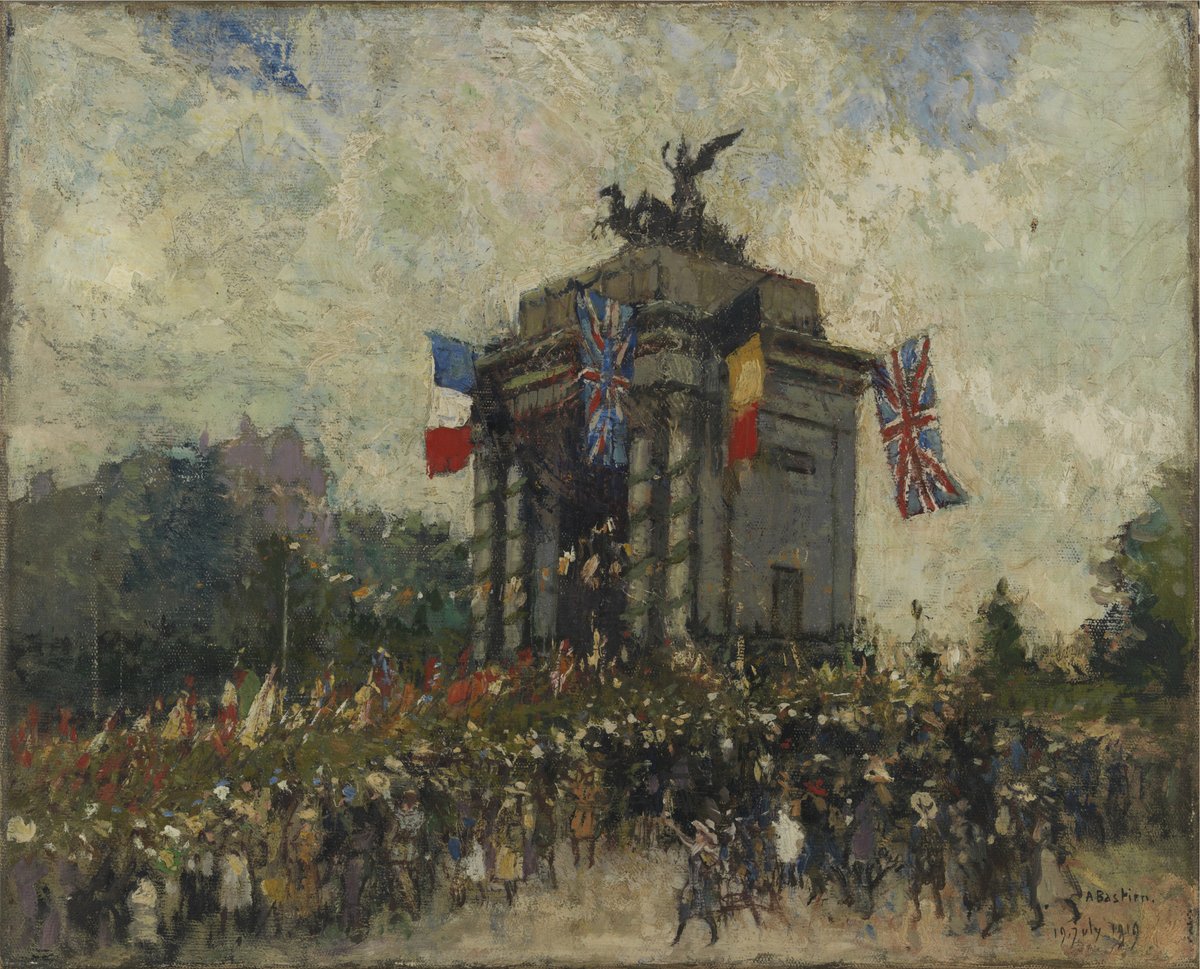
Wellington Arch, also known as Constitution Arch or the Green Park Arch, is one of London's most iconic landmarks. Situated at Hyde Park Corner, this grand triumphal arch was originally constructed in the early 19th century to commemorate the British victories in the Napoleonic Wars. Designed by the renowned architect Decimus Burton, the arch has undergone various transformations and relocations, making its history as fascinating as its architecture. Today, it stands not only as a testament to British resilience and architectural ingenuity but also as a popular tourist destination offering panoramic views of London and a rich tapestry of historical exhibits. For those planning a visit, Wellington Arch offers a blend of historical insight and visual splendor, making it a must-see attraction in central London. (Historic England)


History and Significance of Wellington Arch
Early Plans and Construction
Wellington Arch, a grand triumphal arch located in central London, has a rich history intertwined with national celebrations and urban planning. Initially conceived as a grand southern entrance to Buckingham Palace, the arch's story began in 1825 under the reign of King George IV. The renowned architect George Basevi, known for his work on the Fitzroy Square area, was commissioned to design the arch. However, the project faced early challenges due to the extravagant spending of King George IV, which led to budget constraints and delays. (Historic England)
Decades of Transformation and Relocation
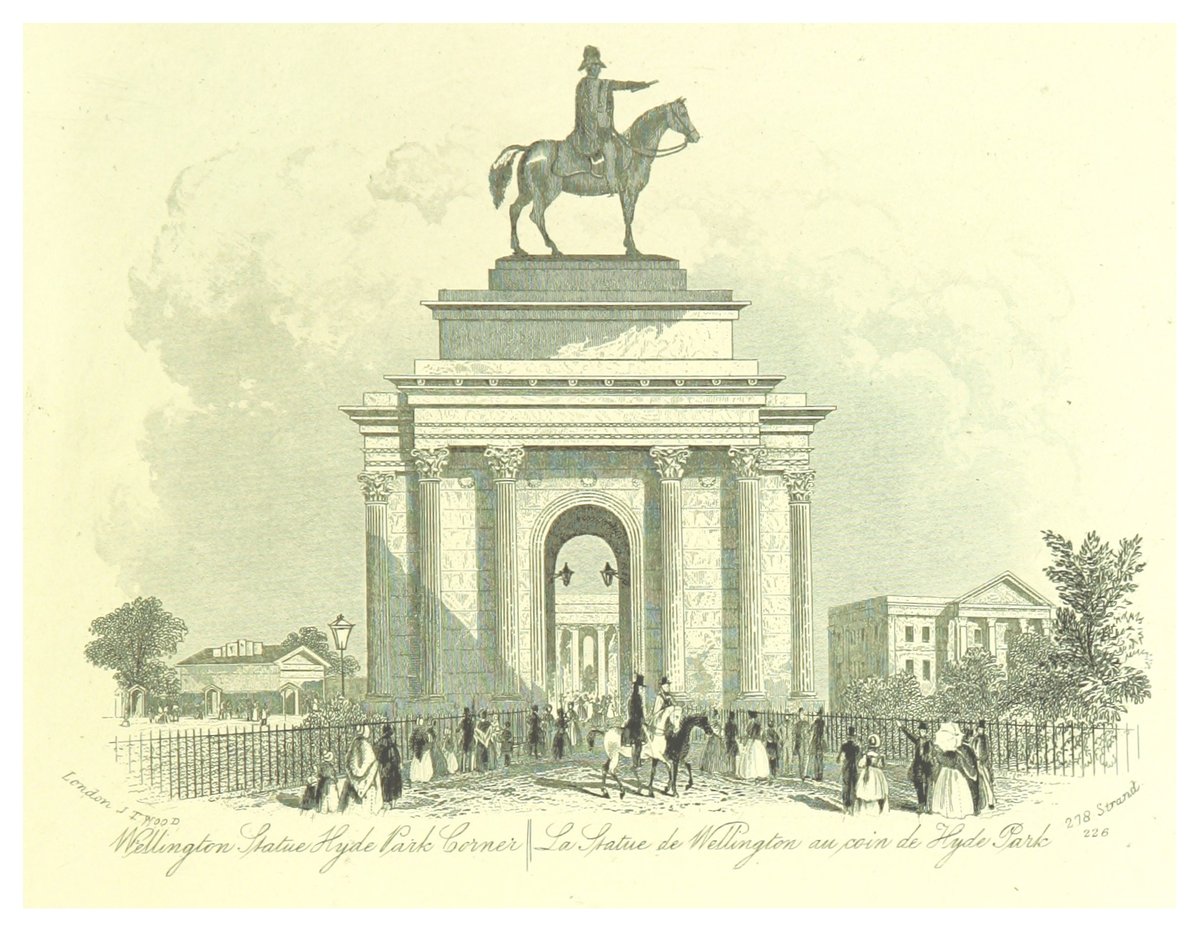
Despite the initial setbacks, construction commenced in 1826. Following Basevi's tragic death in 1845, the project was taken over by architect Decimus Burton, who significantly altered the original design. Burton simplified the arch's structure and removed a proposed grand sculptural frieze, opting for a more austere aesthetic. The arch was finally completed in 1830, but not without further modifications. Queen Victoria, succeeding her uncle King William IV, deemed the proposed equestrian statue of the Duke of Wellington atop the arch too grandiose, leading to a significant delay in the statue's installation.
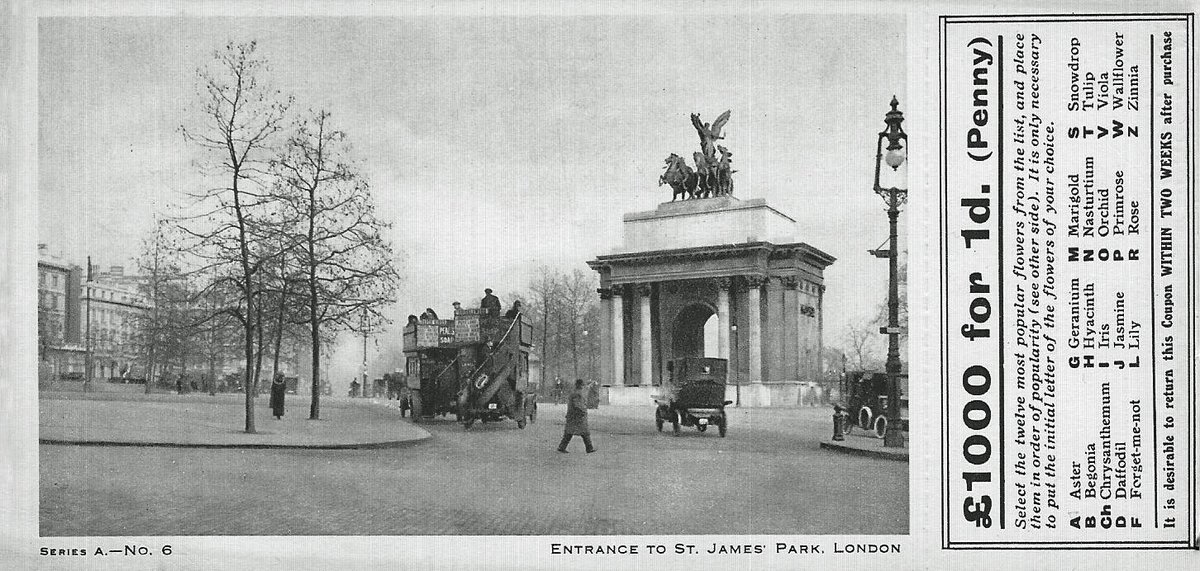
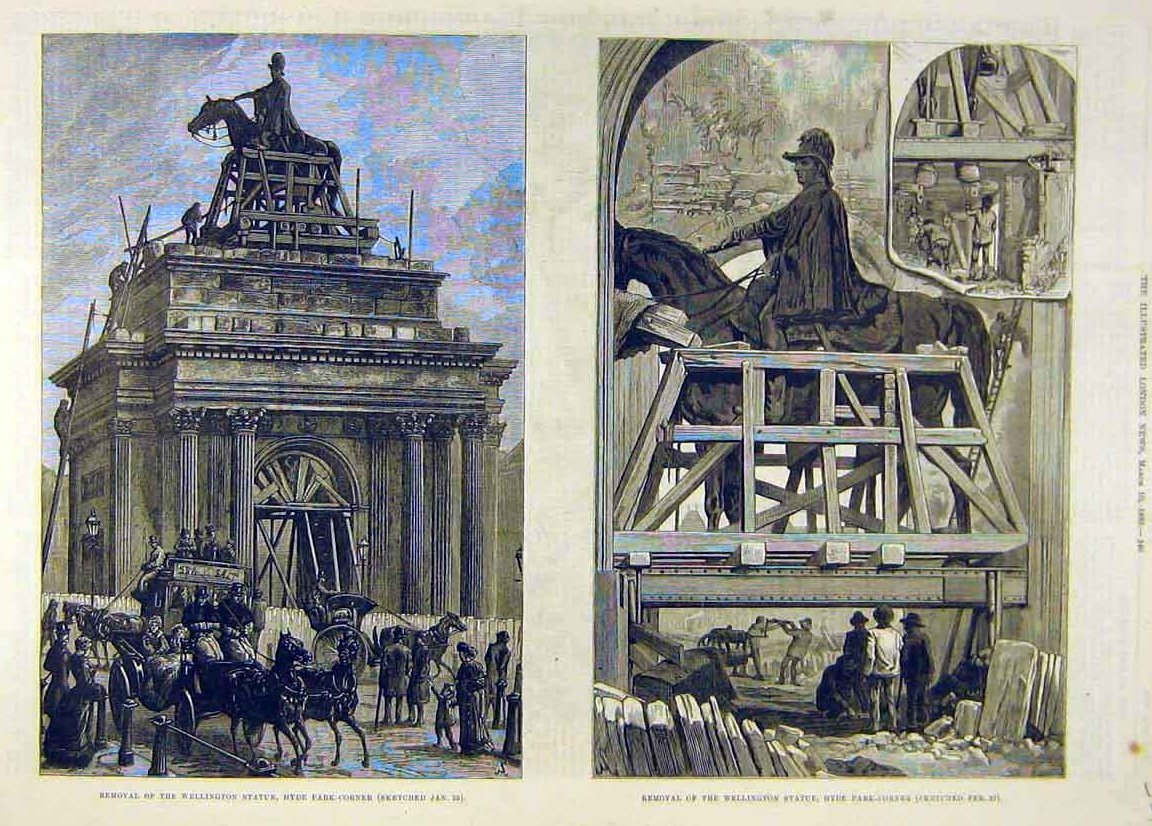
In 1882, a decision was made to relocate the arch to its current location at Hyde Park Corner as part of a broader urban redesign project aimed at easing traffic congestion. The relocation was a monumental task, requiring the arch to be meticulously dismantled, moved, and reconstructed.
The Arrival of the "Angel of Peace"
The relocation marked a turning point in its history. During this period, the iconic bronze statue of the Duke of Wellington, originally intended for the arch's summit, was replaced with a new sculpture. This new sculpture, titled "The Angel of Peace Descending a Quadriga (four-horsed chariot) to Earth," was created by sculptor Adrian Jones and installed in 1912. The statue, often referred to as the "Quadriga," quickly became a symbol of peace and victory, further solidifying the arch's significance in British history.
From Police Station to Tourist Destination
Wellington Arch has served various purposes throughout its existence. In the late 19th century, a small police station was housed within the arch, adding a unique chapter to its story. This unusual use of the space highlights the arch's adaptability and its integration into the fabric of London life. Today, Wellington Arch stands as a Grade I listed building, a testament to its architectural and historical importance. It has transitioned from a grand entrance to a symbol of national pride and a popular tourist destination. Visitors can explore its history through exhibits housed within the arch, offering insights into its construction, relocation, and evolving significance over the centuries.
Visitor Information
Wellington Arch Visiting Hours
Wellington Arch is open to visitors daily. The typical visiting hours are from 10:00 AM to 4:00 PM, but it is always a good idea to check the official website for any changes in the schedule or special events that might affect opening times.
Wellington Arch Tickets
Tickets for Wellington Arch can be purchased on-site or online. The prices are generally affordable, with discounts available for children, seniors, and students. Membership options for frequent visitors are also offered. For the most current ticket prices and to purchase tickets, visit the official Wellington Arch website.
Accessibility
Wellington Arch is committed to being accessible to all visitors. There are ramps and elevators available to ensure that individuals with mobility issues can enjoy the exhibits and views from the top of the arch. For specific accessibility needs, it is recommended to contact the site in advance.
Travel Tips
- Best Time to Visit: To avoid large crowds, consider visiting early in the morning or late in the afternoon. Weekdays tend to be less busy than weekends.
- What to Bring: Comfortable walking shoes are recommended as there is a lot to explore. Don’t forget your camera to capture the stunning views from the top of the arch.
- Guided Tours: Check if there are guided tours available during your visit. These tours can offer deeper insights into the history and significance of Wellington Arch.
Nearby Attractions
- Hyde Park: Just a short walk from Wellington Arch, Hyde Park offers a beautiful green space perfect for a leisurely stroll or a picnic. (More Info)
- Buckingham Palace: The iconic residence of the British monarch is within walking distance and offers tours of its opulent state rooms during the summer months. (More Info)
- Apsley House: Also known as the Wellington Museum, this historic house is located nearby and provides more context on the life and achievements of the Duke of Wellington. (More Info)
FAQ Section
What are the visiting hours for Wellington Arch?
Wellington Arch is typically open from 10:00 AM to 4:00 PM daily. Be sure to check the official website for any changes or special events.
How much are tickets for Wellington Arch?
Ticket prices vary, with discounts available for children, seniors, and students. Visit the official Wellington Arch website for the most current ticket prices and to purchase tickets.
Is Wellington Arch accessible to visitors with disabilities?
Yes, Wellington Arch is equipped with ramps and elevators to ensure accessibility for all visitors. For specific needs, it is recommended to contact the site in advance.
Tickets & tours.
These are guided options from our partners — same price as booking direct.
Prices are indicative — final pricing and availability are confirmed at checkout. Audiala may earn a commission from bookings made through these links.
Listen to the full story in the app
The whole Wellington Arch,
told well.
Audio guides for 1,100+ cities across 96 countries. History, stories, and local insight — offline ready.

Verified, and shown.
Researched and written by the Audiala editorial team from historical records, architectural archives, and local expertise.
Researched from Wikidata, Wikipedia & official sources · fact-checked · How we make our guides →