Introduction
The Waterloo & City Line, affectionately known as "The Drain," is one of London's most distinctive and historically significant Tube lines. Despite being the shortest line in the London Underground network, stretching just 2.3–2.4 km (1.4–1.5 miles), it plays an essential role as a commuter shuttle between Waterloo Station on the South Bank and Bank Station in the heart of the City of London. Opened in 1898 as London’s second deep-level electric railway, the line was engineered to provide a fast, direct underground link beneath the River Thames, serving generations of workers and visitors alike (London Fandom).
This guide offers a detailed overview of the Waterloo & City Line’s history, operational hours, ticketing, accessibility, travel tips, infrastructure, and nearby attractions. Whether you’re commuting, sightseeing, or exploring London’s heritage, this line is both a practical route and a fascinating part of the city’s transport legacy.
Origins and Purpose:
The Waterloo & City Line opened on July 11, 1898, as a direct response to the need for a seamless connection between Waterloo — a prominent southern rail terminus — and London’s financial district at Bank (London Fandom). It became the city’s second deep-level electric railway, solving the persistent challenge of lengthy, inconvenient overground transfers for City-bound commuters.
Operational Evolution:
Originally operated by the London & South Western Railway, the line later became part of Southern Railway, then British Railways, and has been managed by London Underground since 1994. Its enduring function as a two-station shuttle has remained unchanged, despite multiple proposals for expansion (News Shopper).
Photo Gallery
Explore Waterloo & City Line in Pictures
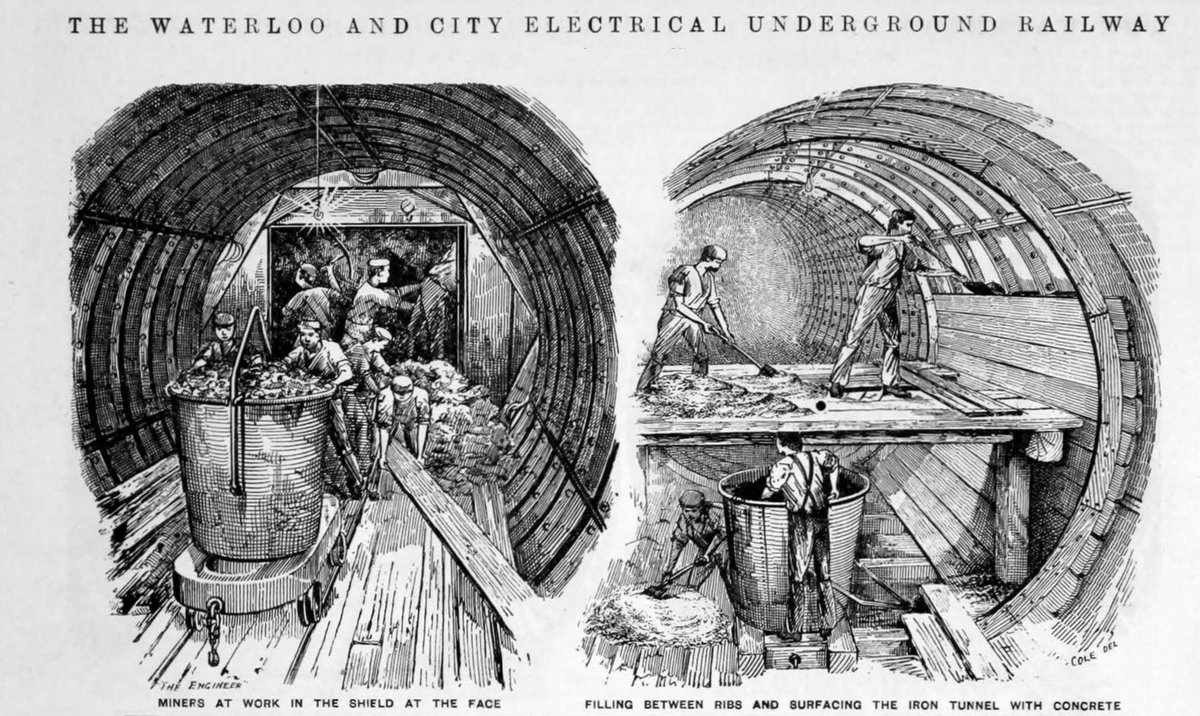
The Greathead tunnelling shield designed by James Henry Greathead in use during the construction of the Waterloo & City Railway in London.
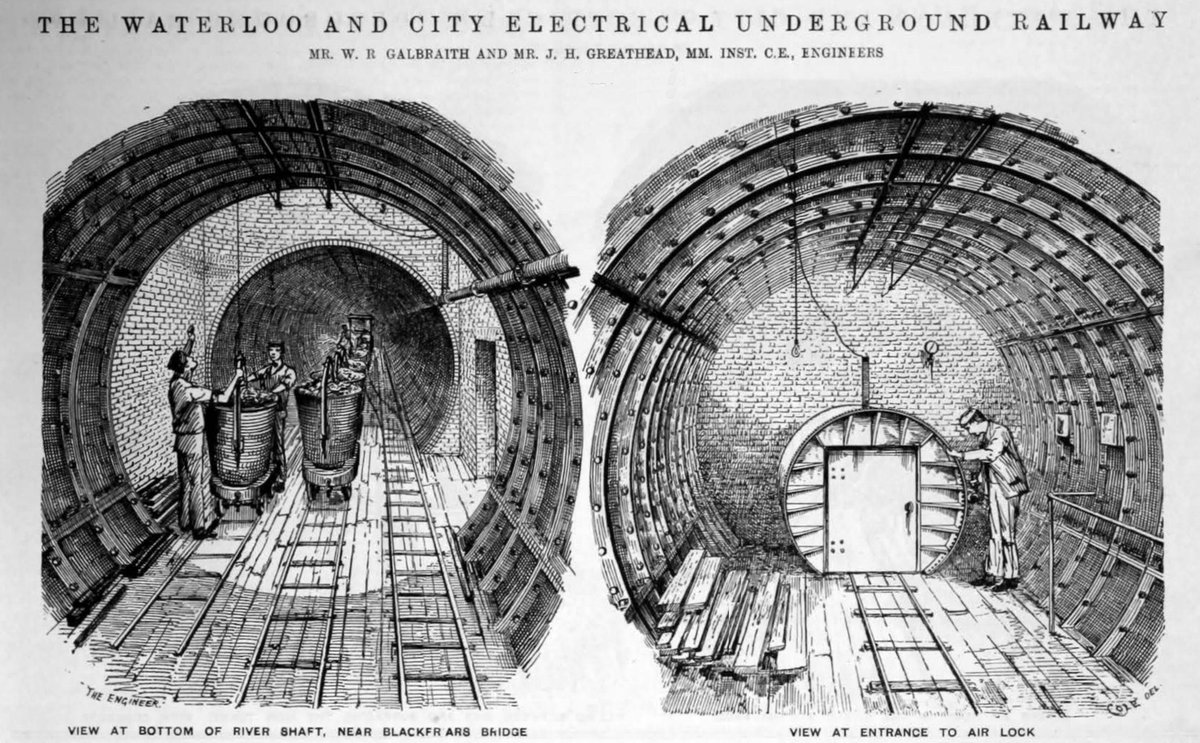
Historic image showing remoal of spoil in the process of tunnelling the Waterloo & City Railway in London
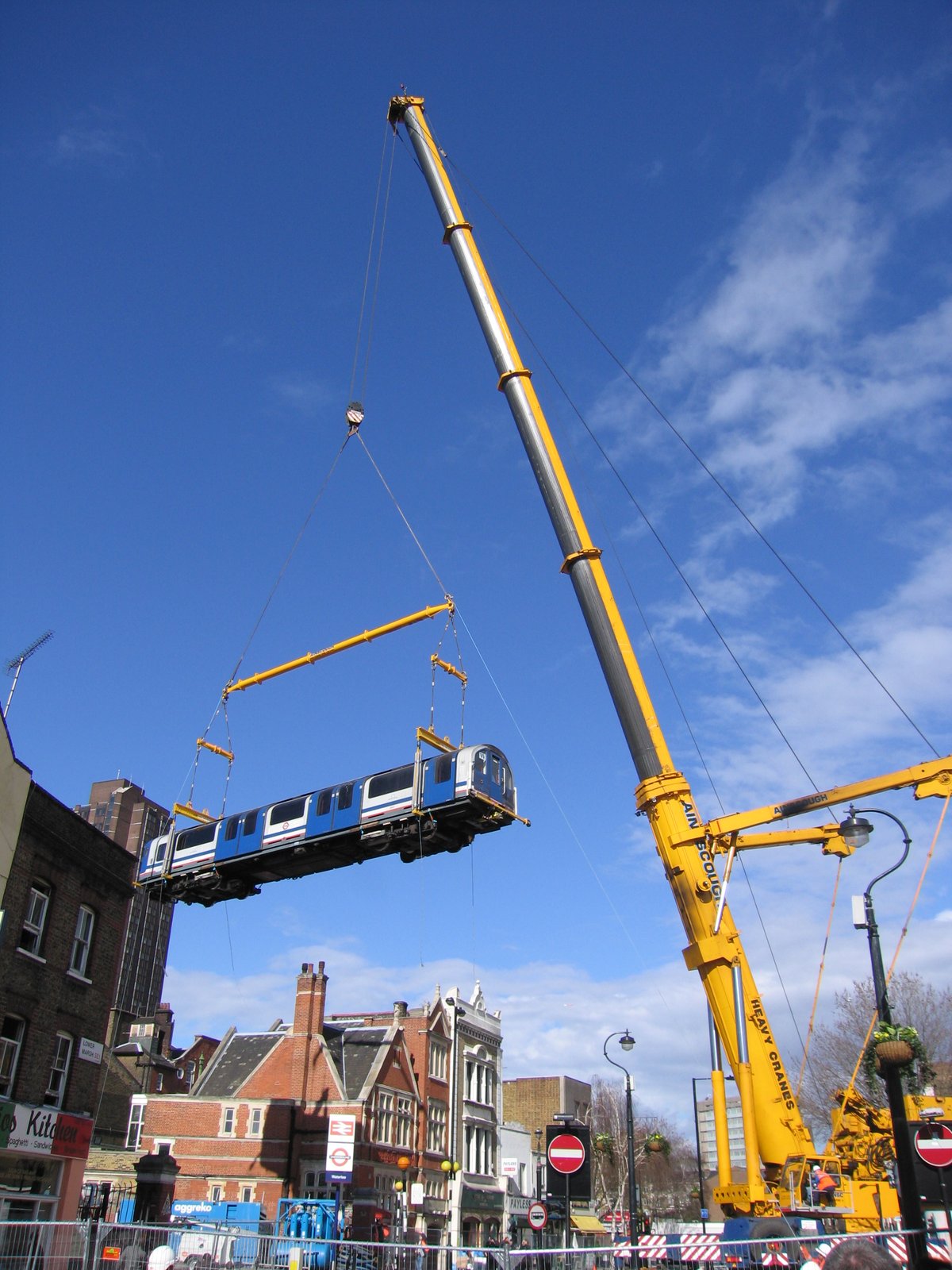
Image showing a Waterloo & City Line train being lifted off the railway line by a large crane in 2006
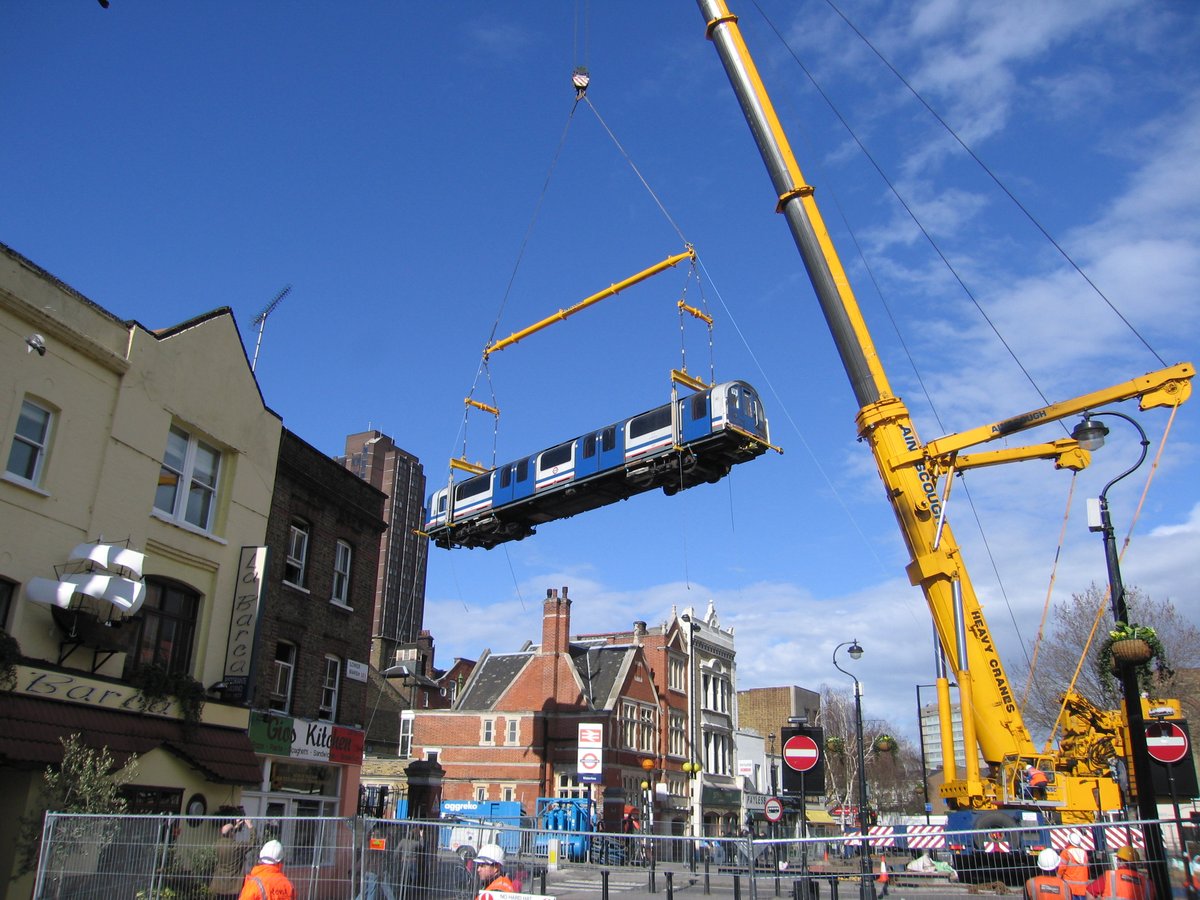
A Waterloo & City Line train being lifted off the tracks by a large crane for maintenance or repair work in 2006.
Construction and Technical Features
Engineering Achievements:
The line is entirely underground—one of only two such lines in London (alongside the Victoria line)—and runs directly beneath the Thames. Early engineering included advanced waterproofing and a dedicated power supply. Tunnels were constructed using pioneering techniques to withstand flooding, and coal for the original power station was delivered by lift at Waterloo (Londonist).
Infrastructure Specifics:
- No Intermediate Stations: The route connects only Waterloo and Bank, with no stops in between, maximizing efficiency for commuters.
- Rolling Stock: Trains used are 1992 Tube Stock (Class 482), similar to those on the Central line but adapted for the line’s isolation (City Transport Info).
- Unique Maintenance Access: Trains are delivered via a crane and special hatch at Waterloo due to the line’s separation from the rest of the network.
Operational Details and Ownership
Operating Hours:
The line operates exclusively on weekdays, reflecting its historic commuter focus. There is no service on weekends or public/bank holidays. Trains run every few minutes, with a typical journey time of 3–4 minutes.
- First train: 06:00 (Monday–Friday)
- Last train: 00:30 (Monday–Friday)
- Closed: Saturdays, Sundays, public/bank holidays, and during planned engineering works (TfL)
Ownership Timeline:
- 1898–1922: London & South Western Railway
- 1923–1947: Southern Railway
- 1948–1994: British Railways
- 1994–present: London Underground
Visiting Hours and Ticketing
Visiting Hours
- Monday–Friday: 06:00–00:30
- Closed: Weekends and public/bank holidays
- Peak hours: 06:30–09:30 and 16:00–19:00
Always check for planned engineering works or service disruptions before travel (TfL Status Updates).
Ticketing and Fares
- Zone: Entire route is in Zone 1
- Oyster/contactless fares: £2.80 off-peak, £2.90 peak (2025)
- Payment methods: Oyster card, contactless bank card, Travelcard, ticket machines
- No return tickets: Each journey is charged individually
- Daily cap: Automatically applied with Oyster/contactless
Tap in and out at yellow readers to avoid extra charges. For current fares, see TfL Fare Information.
Accessibility
Waterloo Station:
Offers step-free access to the Waterloo & City platforms via lifts and escalators, suitable for wheelchair users (South Western Railway).
Bank Station:
Step-free access is limited for the Waterloo & City platforms. Travelers with mobility needs should consult TfL Accessibility Guide for the latest updates.
Station Facilities and Connections
Waterloo Station
- Connections: Bakerloo, Jubilee, Northern lines; National Rail
- Amenities: Retail shops, cafés, accessible toilets, baby-changing rooms, ticket offices, free Wi-Fi, cash machines, and step-free access
- Nearby Attractions: London Eye, Southbank Centre, SEA LIFE London Aquarium, National Theatre (Show Me The Journey)
Bank Station
- Connections: Central, Northern, DLR; connects to Monument for Circle/District lines
- Amenities: Ticketing, staff assistance, some retail, public toilets
- Nearby Attractions: Bank of England Museum, Leadenhall Market, Royal Exchange, Mansion House, St Paul’s Cathedral
Service Tips and Etiquette
- Travel off-peak for a quieter journey (avoid 07:30–09:30, 16:30–18:30)
- No luggage racks: Space is limited; avoid large bags during peak times
- Stand on the right on escalators; let passengers exit before boarding
- CCTV and staff presence: For safety and security
Infrastructure and Upgrades
- Rolling Stock: 1992 Tube Stock (Class 482)
- Upgrades: Positive rail replaced with aluminum (2008); moving walkway at Bank (installed 1959); ongoing safety improvements after notable incidents
- Maintenance: Special logistical procedures due to the line’s physical separation from the rest of the Underground
Cultural Impact
The Waterloo & City Line’s commuter focus, historical engineering, and unique “shuttle” operation have made it a subject of urban fascination. Nicknamed “The Drain,” it is frequently referenced in popular culture and used as a filming location (e.g., the film “Sliding Doors”) (MyLondon; Londonist).
Frequently Asked Questions (FAQ)
Q: Does the Waterloo & City Line operate on weekends?
A: No, it runs Monday to Friday only.
Q: Can I use contactless payment on the Waterloo & City Line?
A: Yes, Oyster cards and contactless bank cards are accepted.
Q: Is there step-free access at both stations?
A: Step-free access is available at Waterloo, but limited at Bank for this line.
Q: How long is the journey between Waterloo and Bank?
A: Approximately 4 minutes.
Q: Are there luggage facilities on the trains?
A: No dedicated luggage racks; space is limited.
Q: Are there any stops between Waterloo and Bank?
A: No, the line runs non-stop between these two stations.
Summary Table: Waterloo & City Line Visitor Essentials
| Feature | Details |
|---|---|
| Operating Days | Monday–Friday only (closed weekends/public holidays) |
| First/Last Train | 06:00 / 00:30 |
| Journey Time | Approx. 4 minutes (non-stop) |
| Fare | £2.80 off-peak, £2.90 peak (Oyster/contactless) |
| Accessibility | Step-free at Waterloo; limited at Bank |
| Luggage | Limited space; avoid large suitcases |
| Nearby Attractions | London Eye, Southbank Centre, Bank of England Museum, St Paul’s Cathedral |
| Service Disruptions | Frequent on weekends/public holidays; check TfL status |
| Payment Methods | Oyster, contactless, Travelcard, ticket machines |
| Connections | Waterloo: Bakerloo, Jubilee, Northern, National Rail; Bank: Central, Northern, DLR |
Listen to the full story in the app
Your Personal Curator, in Your Pocket.
Audio guides for 1,100+ cities across 96 countries. History, stories, and local insight — offline ready.
Audiala App
Available on iOS & Android
Join 50k+ Curators
Sources
- verified
- verified
- verified
- verified
- verified
Last reviewed: