Introduction
The Ukrainian Catholic Cathedral of the Holy Family in Exile stands as a beacon of faith, resilience, and cultural identity in London’s prestigious Mayfair district. This impressive Grade II* listed building, originally the King’s Weigh House Congregational Chapel, is both an architectural gem and a vibrant hub for the Ukrainian Greek Catholic community. This comprehensive guide explores its rich history, distinctive architecture, visitor information—including up-to-date visiting hours and ticketing—and the cathedral’s enduring role in preserving Ukrainian culture and spiritual life in the UK.
Photo Gallery
Explore Ukrainian Catholic Cathedral of the Holy Family in Exile in Pictures
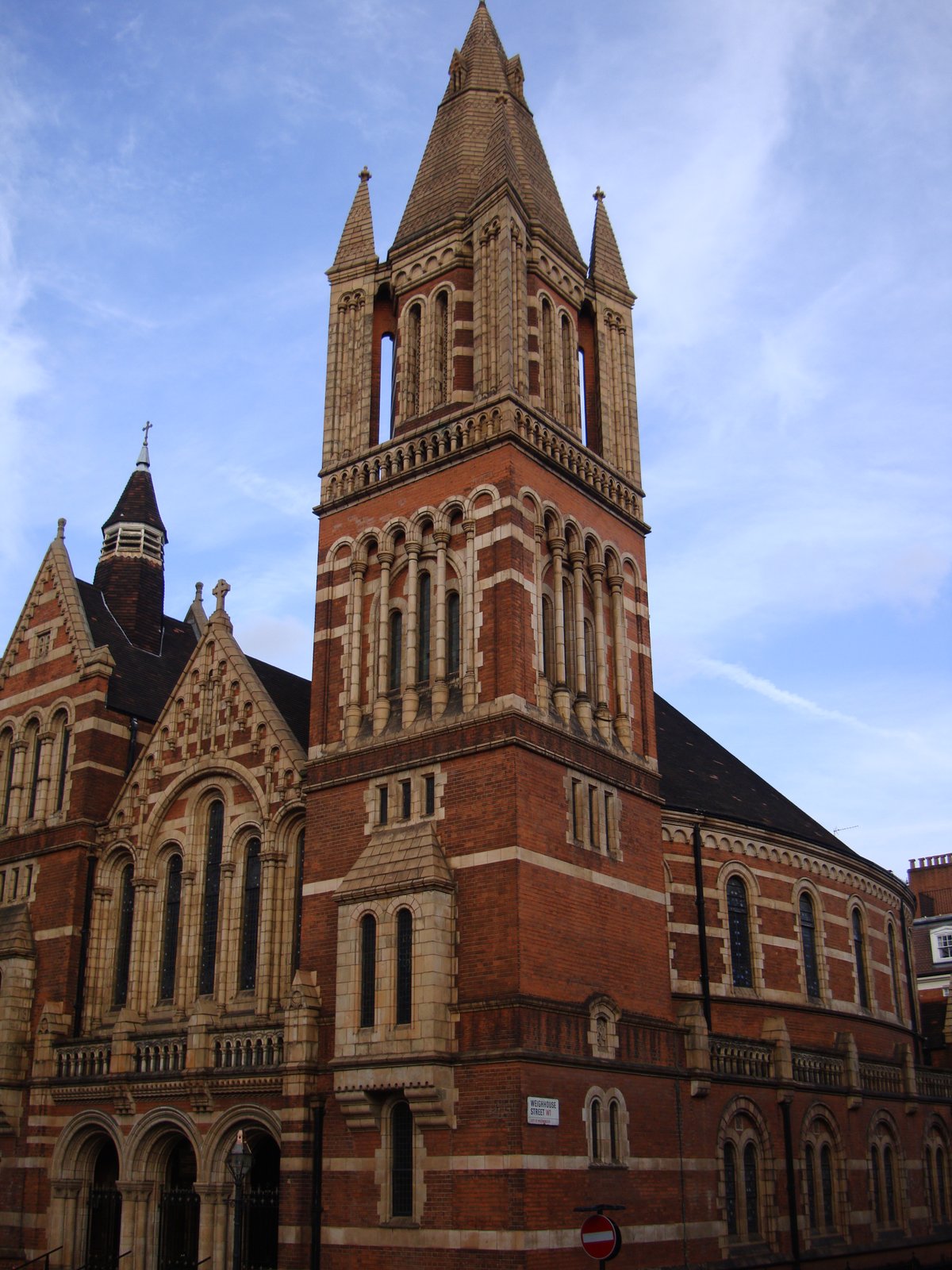
Photograph showcasing the architectural beauty of the Ukrainian Catholic Cathedral located in London, featuring its golden domes and crosses.
Exterior view of the Ukrainian Catholic Cathedral of the Holy Family in Exile, a prominent church located in London, showcasing its architectural design and cultural significance.
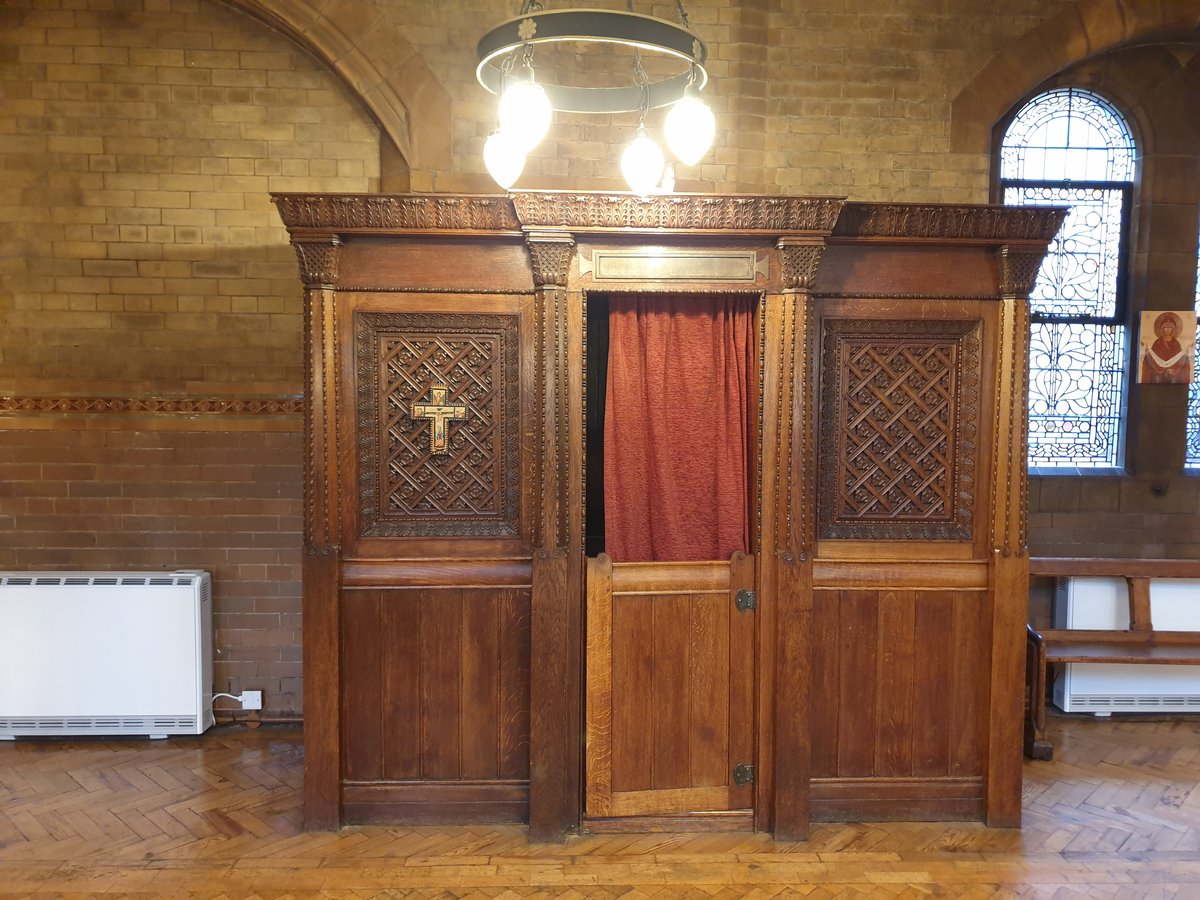
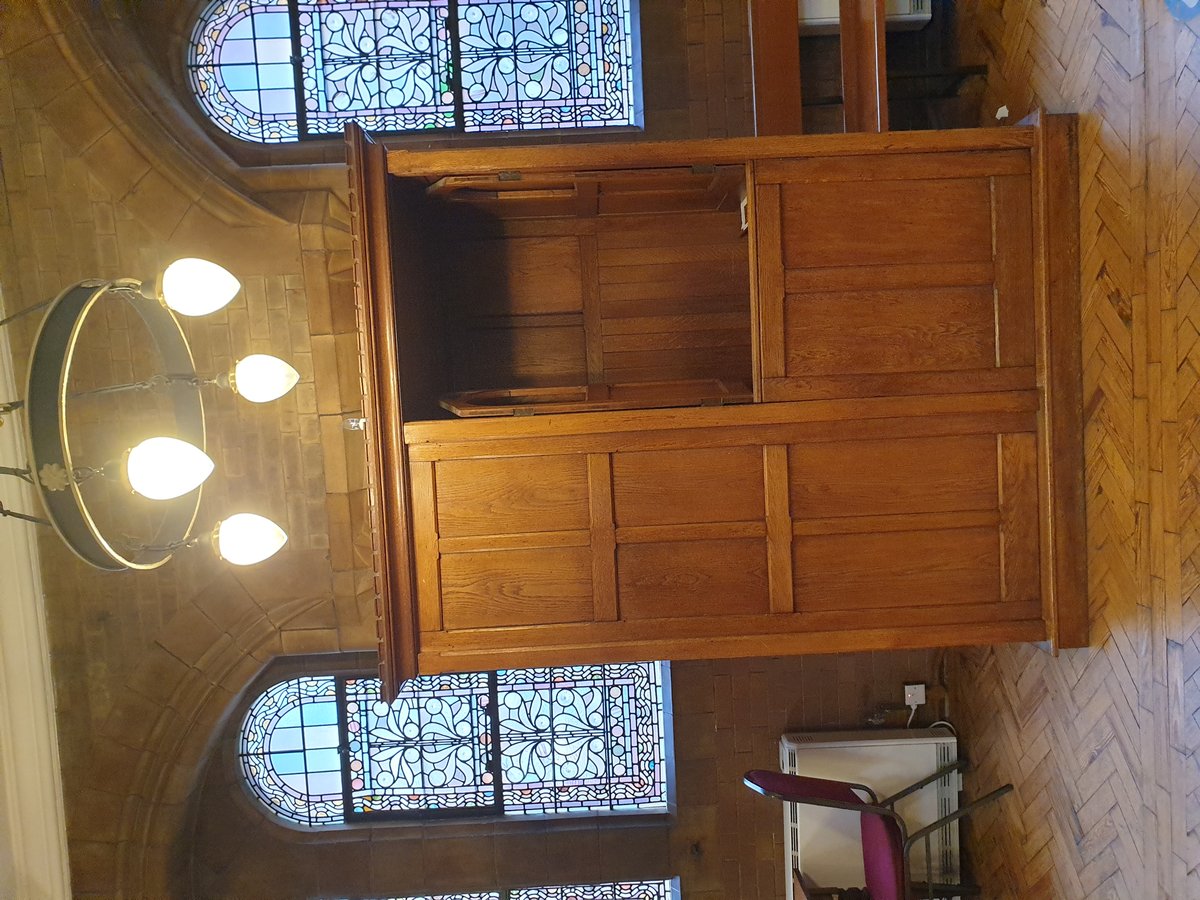
Photograph of the Ukrainian Catholic Cathedral of the Holy Family in Exile located in London, featuring its unique architectural details and cultural significance.
Historic Origins and Evolution
The cathedral’s story begins between 1889 and 1891, when celebrated architect Alfred Waterhouse—also known for the Natural History Museum—designed the King’s Weigh House Congregational Chapel. The chapel’s robust Romanesque Revival style, marked by red brick and terracotta, served a thriving Victorian nonconformist congregation (British Listed Buildings, Historic England).
As London’s religious landscape changed, declining attendance led to the building’s sale in the 1960s. In 1967, following a significant influx of Ukrainian refugees after World War II, the Ukrainian Catholic Eparchy of the Holy Family of London acquired the site, re-consecrating it as the cathedral for Ukrainian Catholics in exile (Ukrainian Catholic Eparchy of the Holy Family of London, Catholic News Agency).
Transition to Ukrainian Catholic Cathedral
With its acquisition, the cathedral became a sanctuary for a community displaced by war and Soviet oppression. Its dedication to the Holy Family in Exile powerfully echoes the experience of many Ukrainians forced to leave their homeland (ctiw.london). The cathedral was consecrated to serve the Ukrainian Greek Catholic Church—an Eastern Catholic church of the Byzantine Rite in full communion with the Pope in Rome—preserving faith and national identity for Ukrainians in Britain (Vatican News).
Architectural Features and Artistic Highlights
Exterior
Waterhouse’s Romanesque Revival design features sturdy red brick and terracotta, round-arched windows, a prominent apse, and a distinctive tower at the south-west corner (ianVisits, Taking Stock). The complex includes adjacent buildings that formerly served as a church school and hall, all contributing to the site’s cohesive character.
Interior
Inside, the oval nave creates an intimate yet uplifting space. The galleries flanking the nave enhance both acoustics and visual impact. A key feature is the iconostasis—crafted by Ukrainian monk Juvenalij Mokrytsky—adorned with icons and religious paintings that guide worshippers’ spiritual focus (ianVisits, Wikipedia).
Original stained glass windows, including the east window by Robert Anning Bell, cast colorful light into the nave, preserving a link to the building’s Victorian heritage. Other notable elements include a confessional by J. F. Bentley and a stone carving of the Holy Family from the community’s original church on Saffron Hill.
Restoration
The cathedral sustained bomb damage in WWII and a partial ceiling collapse in 2007, but careful restorations have preserved its historic character and artistic features (Wikipedia).
Religious and Cultural Significance
As the mother church of the Ukrainian Catholic Eparchy of the Holy Family of London, the cathedral is a spiritual heart for around 10,000 faithful in the UK. Divine Liturgies are celebrated in Ukrainian and English, with major feasts such as Easter and Christmas (Julian calendar) drawing large congregations (ugcc.ua). The cathedral’s dedication to the Holy Family in Exile underscores its mission of hope and endurance for a community shaped by migration and resilience.
Community Role and Activities
Beyond worship, the cathedral is a cultural and social hub. It hosts concerts, exhibitions, language classes, youth activities, and commemorations of national tragedies and celebrations such as Holodomor Remembrance Day and Ukrainian Independence Day (Ukrainian Institute London). The Ukrainian Welcome Centre (UWC) within the cathedral supports Ukrainians displaced by conflict, providing guidance, language classes, art therapy, and social activities (source).
The cathedral has been at the forefront during major events and crises affecting Ukraine, organizing relief efforts and advocacy campaigns (BBC News, The Guardian).
Visiting Information
Visiting Hours
- General Opening: Daily, 9:00 AM – 6:00 PM.
- Liturgies: Main Sunday service at 10:30 AM.
- Note: Hours may vary for religious holidays or special events. Check the cathedral’s website for up-to-date information.
Entry and Tickets
- Admission: Free of charge.
- Donations: Appreciated to support maintenance and community programs.
Guided Tours and Events
- Guided Tours: Available by appointment for groups and educational visits.
- Special Events: The cathedral regularly hosts concerts, festivals, and visits from dignitaries. During such events, visitor access may be limited.
Accessibility
- Fully wheelchair accessible, with ramps and accessible restrooms.
- Staff are available to assist visitors with additional needs.
Location and Nearby Attractions
- Address: Duke Street, Mayfair, London W1K 5BQ
- Transport: Bond Street and Marble Arch Underground stations (Central and Jubilee lines) are nearby; local bus routes serve the area.
- Parking: Limited in Mayfair; use nearby car parks or public transport when possible.
- Nearby Sites: Royal Academy of Arts, Hyde Park, Wallace Collection, Oxford Street shopping.
Preservation and Recognition
The cathedral’s Grade II* listing reflects its exceptional historical and architectural value (Historic England). It is a rare example of a Victorian nonconformist church repurposed for Eastern Catholic worship, blending Romanesque architecture with Ukrainian spiritual artistry. The site has been designated a Jubilee Church and remains a recognized pilgrimage destination (gcatholic.org).
Frequently Asked Questions (FAQ)
Q: What are the cathedral’s visiting hours?
A: Generally 9:00 AM to 6:00 PM daily, but check the official website for any changes.
Q: Is there an entrance fee or are tickets required?
A: Admission is free; no tickets are required.
Q: Are guided tours available?
A: Yes, for groups and educational visits by prior arrangement.
Q: Is the cathedral accessible for people with disabilities?
A: Yes, with ramps, accessible entrances, and restrooms.
Q: Can I take photographs inside?
A: Photography is generally allowed, but please respect worshippers and avoid flash during services.
Q: What language are services in?
A: Primarily Ukrainian, with some services in English.
Listen to the full story in the app
Your Personal Curator, in Your Pocket.
Audio guides for 1,100+ cities across 96 countries. History, stories, and local insight — offline ready.
Audiala App
Available on iOS & Android
Join 50k+ Curators
Sources
- verified
- verified
- verified
- verified
- verified
- verified
- verified
- verified
- verified
- verified
Last reviewed: