Plan and listen to Tate Modern with Audiala.
Audio guide in your pocket, itinerary in your browser. Built for the way you actually visit.
Introduction
Tate Modern stands as one of the world's most iconic modern art galleries, located on the banks of the River Thames in London, United Kingdom. It's more than just a museum; it's a vibrant cultural hub that draws millions of visitors each year. Housed in the former Bankside Power Station, the gallery's transformation into a contemporary art haven highlights the power of adaptive reuse in architecture. Designed by Sir Giles Gilbert Scott and later revamped by Herzog & de Meuron, Tate Modern's structure retains its industrial charm while providing a dynamic space for art exhibitions (Secret London). Since its inauguration on May 12, 2000, Tate Modern has not only revitalized the Bankside area but also established itself as a global leader in contemporary art. Its extensive collections, groundbreaking exhibitions, and commitment to accessibility and education make it a must-visit destination for art enthusiasts and tourists alike (London My Mind).

History and Significance of Tate Modern
Origins and Transformation
Tate Modern is housed in the former Bankside Power Station, a testament to the transformative power of art and architecture. The power station, designed by Sir Giles Gilbert Scott, was constructed in two phases between 1947 and 1963. It was decommissioned in 1981, leaving a vast, unused industrial space along the River Thames. The transformation of this space into a modern art gallery began in the mid-1990s, spearheaded by the Tate Gallery's director, Sir Nicholas Serota. The architectural firm Herzog & de Meuron was commissioned to redesign the building, maintaining its iconic chimney and industrial aesthetic while creating a functional and inspiring space for contemporary art. The gallery opened its doors to the public on May 12, 2000 (Secret London).
Architectural Significance
The architectural significance of Tate Modern lies in its innovative reuse of industrial space. Herzog & de Meuron's design preserved the building's original structure, including the massive Turbine Hall, which now serves as a dramatic entrance and exhibition space. The conversion of the power station into a gallery was a pioneering example of adaptive reuse, setting a precedent for similar projects worldwide. The addition of the Blavatnik Building in 2016, also designed by Herzog & de Meuron, expanded the gallery's capacity and introduced new architectural elements, such as the twisted brick tower that contrasts with the original building's linear form (London My Mind).
Cultural Impact
Since its opening, Tate Modern has had a profound cultural impact, both locally and globally. It has become one of the most visited modern art galleries in the world, attracting over 5 million visitors annually. The gallery's success has revitalized the Bankside area, transforming it into a vibrant cultural district. Tate Modern's exhibitions and installations have introduced millions of visitors to contemporary art, fostering a greater appreciation and understanding of modern artistic practices. The gallery's commitment to accessibility and education has also made it a valuable resource for students, educators, and art enthusiasts (Tate Modern).
Visitor Information
Tickets and Visiting Hours
Tate Modern is open daily from 10:00 AM to 6:00 PM, with last admission at 5:15 PM. General admission is free, but special exhibitions may require a ticket. It's advisable to book tickets in advance, especially for popular exhibitions. For the latest information on visiting hours and ticket prices, visit the Tate Modern website.
How to Get There
Tate Modern is conveniently located along the River Thames in London. The nearest Underground stations are Southwark (Jubilee Line) and Blackfriars (District and Circle Lines). The gallery is also accessible by numerous bus routes and riverboat services. For detailed travel tips and directions, refer to the Tate Modern website.
Nearby Attractions
While visiting Tate Modern, you can also explore nearby attractions such as Shakespeare's Globe Theatre, the Millennium Bridge, and Borough Market. Each of these historical sites offers a unique glimpse into London's rich cultural heritage.
Notable Exhibitions and Commissions
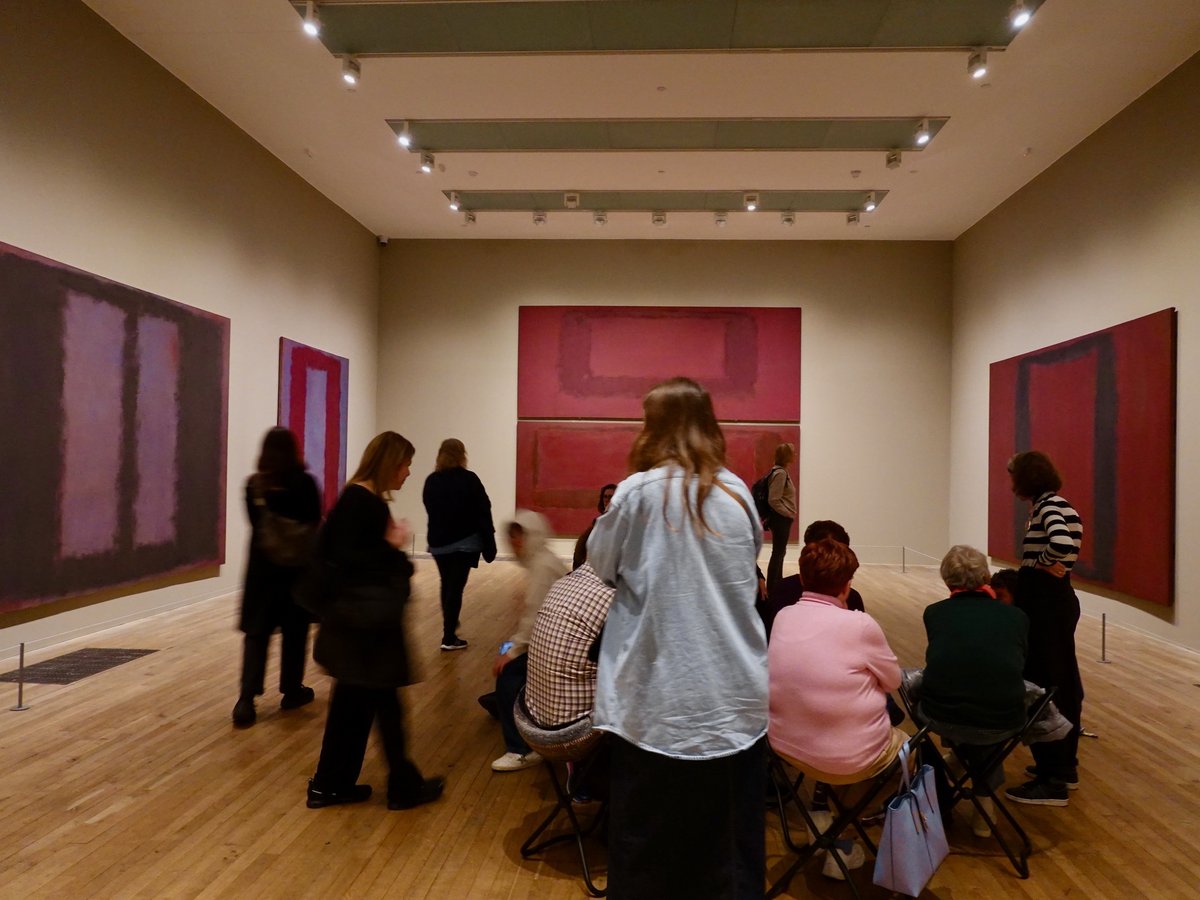
Tate Modern is renowned for its ambitious exhibitions and site-specific commissions. The Turbine Hall, in particular, has hosted some of the most memorable installations in contemporary art. The annual Hyundai Commission invites artists to create new works for this unique space. Notable commissions include Olafur Eliasson's The Weather Project (2003), which transformed the hall into a mesmerizing sunlit environment, and Ai Weiwei's Sunflower Seeds (2010), which filled the floor with millions of handcrafted porcelain seeds. The current Hyundai Commission, Behind the Red Moon by El Anatsui, features monumental sculptures made from thousands of metal bottle tops, exploring themes of migration and colonial history (Tate Modern).
Expressionists: Kandinsky, Münter and The Blue Rider
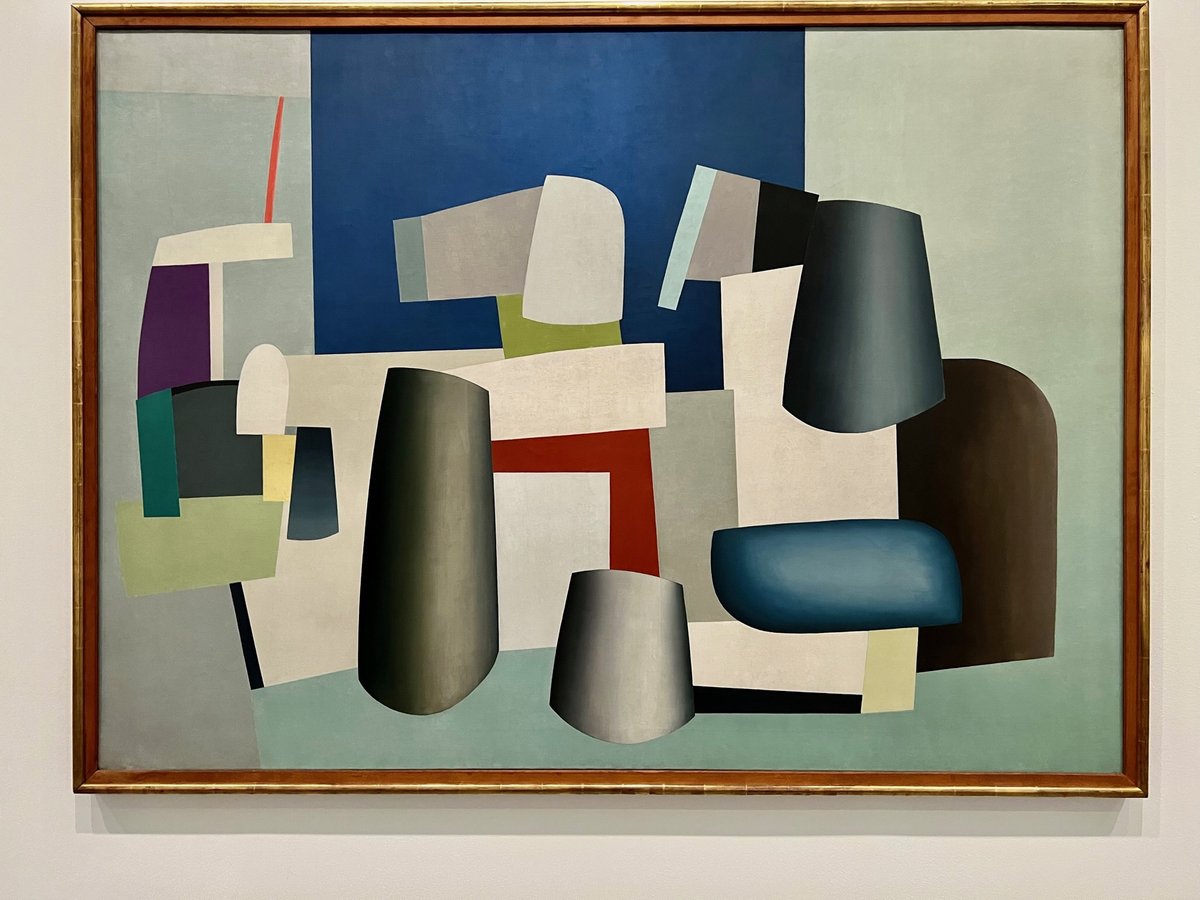
Running from July 13, 2024, to October 12, 2024, this exhibition delves into the friendships and artistic collaborations that shaped the Blue Rider movement. It features over 130 works, including paintings, sculpture, photography, performance, and sound, brought together in the UK for the first time in 80 years (Tate Modern).
Capturing the Moment
Open until April 28, 2024, this exhibition examines the relationship between photography and painting. It includes iconic works by artists such as Pablo Picasso, Paula Rego, Hiroshi Sugimoto, and Jeff Wall. The show also features extraordinary works from Taiwan's YAGEO Foundation Collection, including pieces by Francis Bacon, Gerhard Richter, and Peter Doig (Maxwell Museums).
Yayoi Kusama: Infinity Mirror Rooms
This immersive installation has been a smash hit since it opened and will be on display until April 28, 2024. The Infinity Mirror Rooms offer a unique, immersive experience that has captivated visitors and become a popular spot for social media photos (Maxwell Museums).
Zanele Muholi
Opening on June 6, 2024, and running until January 26, 2025, this major career retrospective showcases over 260 photographs by acclaimed photographer Zanele Muholi. The exhibition documents and celebrates the lives of South Africa’s LGBTQIA+ community, challenging societal norms and advocating for equality (Art Distance).
Anthony McCall: Solid Light
From June 27, 2024, to April 27, 2025, visitors can experience Anthony McCall's groundbreaking 'solid-light' installations. These works blend sculpture, cinema, drawing, and performance, creating vast three-dimensional forms that evolve over time. A highlight is McCall's first-ever 'solid-light' installation, Line Describing a Cone (1973) (Maxwell Museums).
Electric Dreams
Opening on November 28, 2024, and running until June 1, 2025, this exhibition celebrates the early innovators of optical, kinetic, programmed, and digital art. It focuses on art produced between the 1950s and 1980s, bringing together groundbreaking works by international artists who engaged with science, technology, and material innovation (Maxwell Museums).
Educational and Community Engagement
Tate Modern is committed to engaging with diverse audiences through its educational and community programs. The gallery offers a range of activities and resources for visitors of all ages, including guided tours, workshops, and interactive exhibits. The Discovery Tour, for example, provides an in-depth exploration of the gallery's collections with expert guides, while the Tate Lates program offers evening events featuring art, music, and performances. Tate Modern also collaborates with local schools and community groups to provide educational opportunities and support creative learning (Tate Modern).
Accessibility and Inclusivity
Accessibility and inclusivity are central to Tate Modern's mission. The gallery is designed to be fully accessible, with step-free entrances, lifts to all floors, and accessible parking spaces available by reservation. The gallery also offers a range of services for visitors with disabilities, including audio description tours, tactile exhibits, and sign language interpretation. Tate Modern's commitment to accessibility ensures that all visitors can enjoy and engage with its collections and programs (Tate Modern).
Economic Contribution
Tate Modern's economic contribution to London and the UK is significant. The gallery attracts millions of tourists each year, generating substantial revenue for the local economy. The success of Tate Modern has also spurred investment in the surrounding area, leading to the development of new businesses, restaurants, and cultural institutions. The gallery's role as a major cultural attraction has helped to position London as a global center for contemporary art, enhancing the city's reputation and drawing international visitors and artists (Secret London).
Future Developments
Looking to the future, Tate Modern continues to evolve and expand its offerings. The gallery is committed to showcasing diverse voices and perspectives, with a focus on underrepresented artists and global contemporary art. Upcoming exhibitions and commissions promise to push the boundaries of artistic practice and engage audiences in new and exciting ways. Tate Modern's ongoing development reflects its dedication to remaining at the forefront of contemporary art and culture (Tate Modern).
FAQ
What are Tate Modern's visiting hours?
Tate Modern is open daily from 10:00 AM to 6:00 PM, with last admission at 5:15 PM.
How much are tickets to Tate Modern?
General admission is free, but special exhibitions may require a ticket. Check the Tate Modern website for current prices.
Is Tate Modern accessible?
Yes, Tate Modern is committed to accessibility. All entrances are step-free, and there are lifts to every floor. Accessible parking spaces are available by reservation. For detailed information, visit the Tate Modern accessibility page.
Tickets & tours.
These are guided options from our partners — same price as booking direct.
Prices are indicative — final pricing and availability are confirmed at checkout. Audiala may earn a commission from bookings made through these links.
Listen to the full story in the app
The whole Tate Modern,
told well.
Audio guides for 1,100+ cities across 96 countries. History, stories, and local insight — offline ready.
Verified, and shown.
Researched and written by the Audiala editorial team from historical records, architectural archives, and local expertise.
Researched from Wikidata, Wikipedia & official sources · fact-checked · How we make our guides →