Plan and listen to St Margaret'S Church, Westminster with Audiala.
Audio guide in your pocket, itinerary in your browser. Built for the way you actually visit.
Introduction
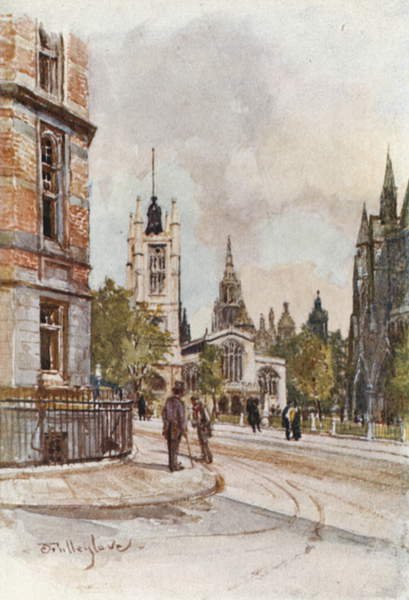
St Margaret’s Church, Westminster, stands as a distinguished symbol of England’s religious, cultural, and political heritage. Situated on Parliament Square beside Westminster Abbey and the Houses of Parliament, St Margaret’s traces its roots to the 11th century, when Benedictine monks established it to serve the lay community outside the Abbey’s walls. Over the centuries, the church has evolved architecturally and institutionally, reflecting the dynamic history of Westminster and its vital role in British governance. Since 1614, it has been recognized as the “Parliamentary Church,” serving as the parish church of the House of Commons and intertwining national spiritual life with political tradition.
Today, St Margaret’s welcomes visitors with its striking late medieval Perpendicular Gothic architecture, notable monuments, and vibrant parish life. Renowned features include the celebrated 16th-century east stained glass window commemorating the marriage of Catherine of Aragon and Henry VIII, as well as memorials to historical figures like Sir Walter Raleigh and John Milton. As a living institution, the church hosts regular worship services, concerts, and parliamentary events, making it both a historic site and a hub of community life. Located within the Westminster UNESCO World Heritage Site, St Margaret’s offers an accessible and enriching experience for visitors interested in history, art, politics, or faith (British Pilgrimage Trust, Westminster Abbey Official Site, UNESCO World Heritage Centre).

Origins and Early History
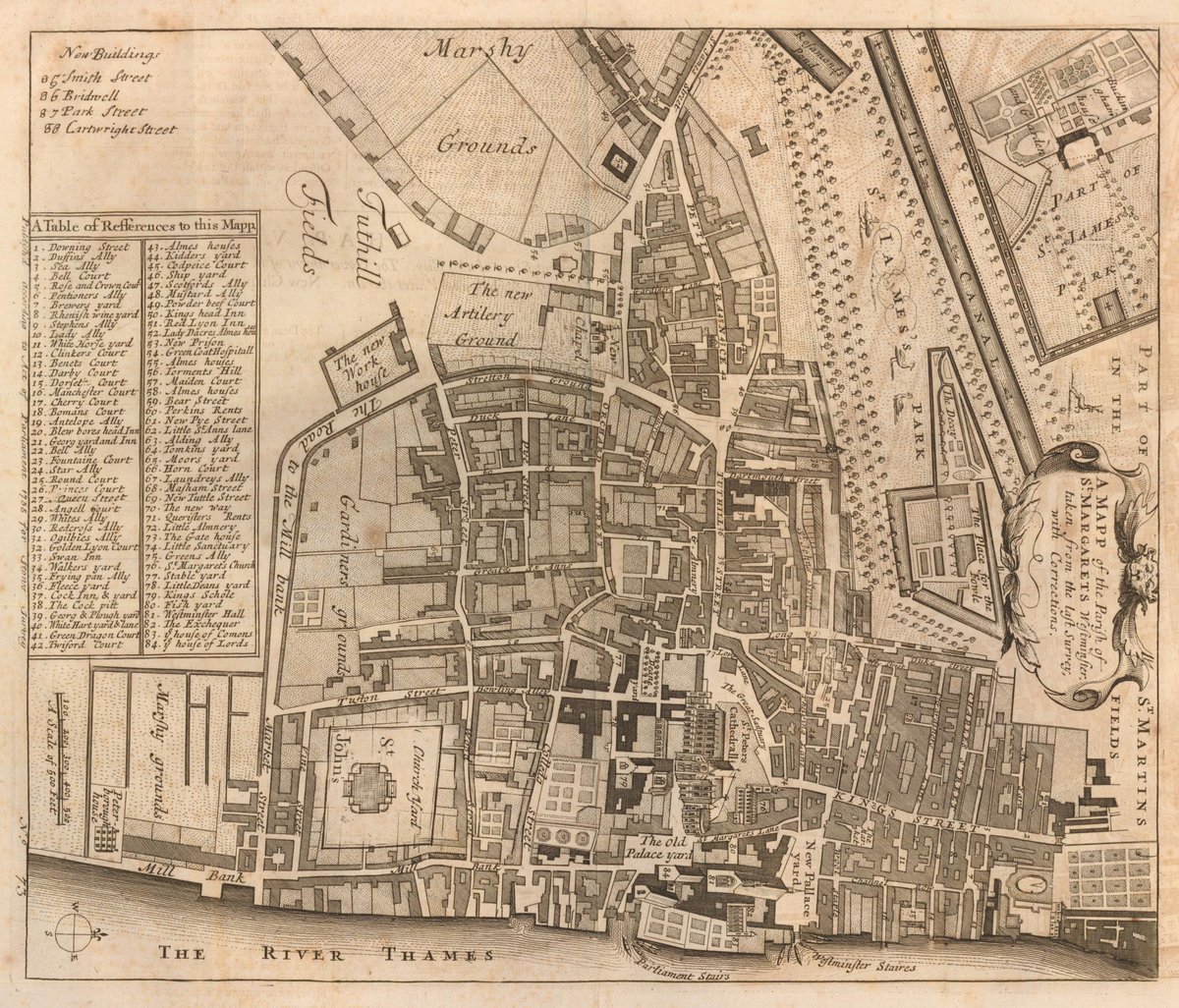
St Margaret’s Church was founded in the 11th century by Benedictine monks to serve the lay population residing outside Westminster Abbey’s monastic precincts (British Pilgrimage Trust). Though the Abbey was reserved for monastic and royal use, St Margaret’s became the parish church for the growing local community. The church is dedicated to St Margaret of Antioch, a revered early Christian martyr. The earliest records indicate a modest structure from the late Anglo-Saxon period, but the church rapidly became central to the religious and civic life of Westminster (British History Online).
Architectural Evolution
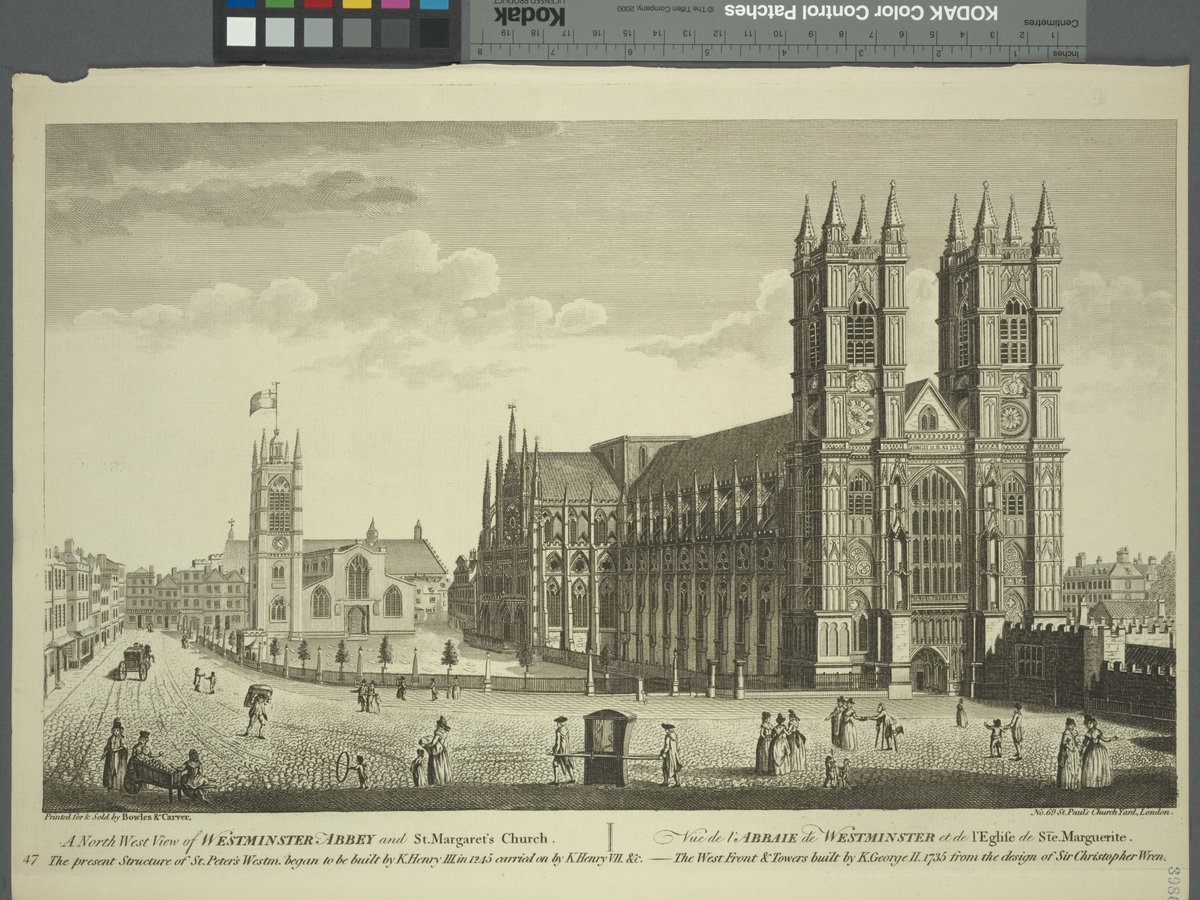
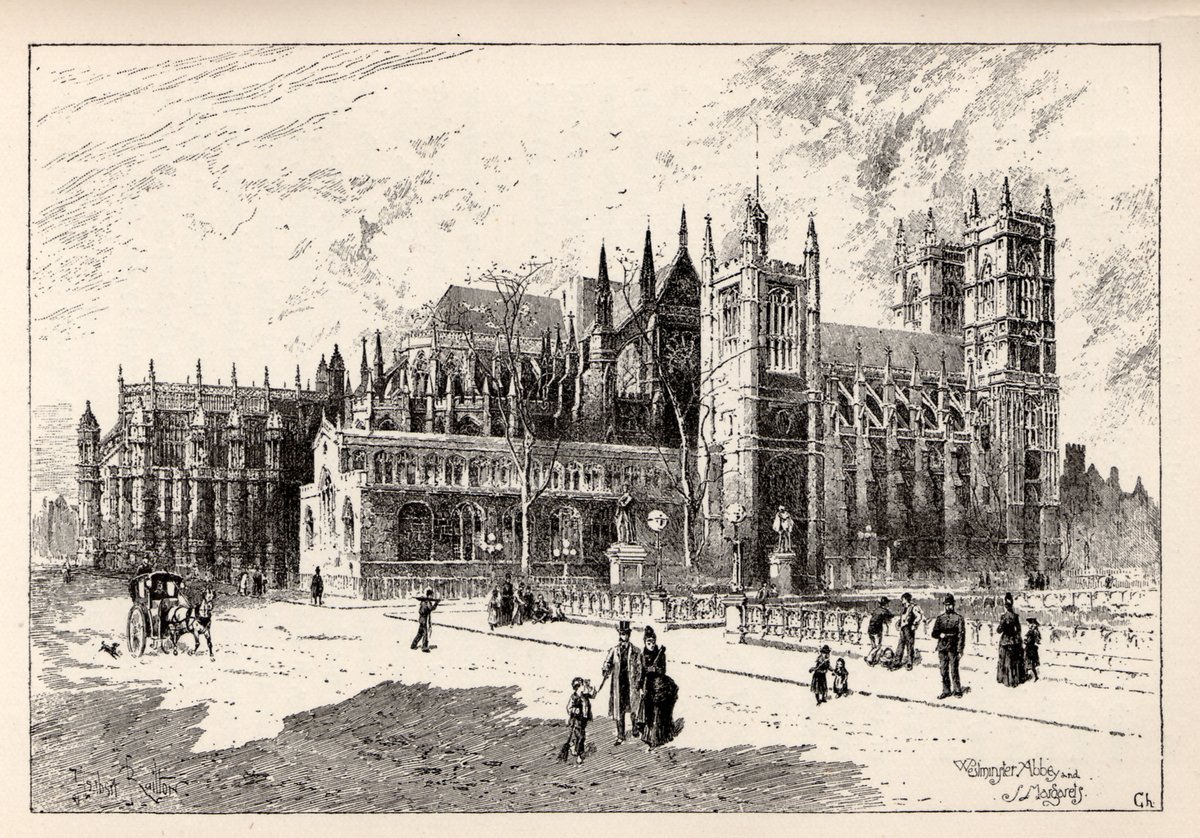
St Margaret’s architectural story is one of transformation and preservation. The current building largely dates from the late 15th and early 16th centuries (1486–1523), reflecting the Perpendicular Gothic style prevalent in that era (UNESCO World Heritage Centre). Key features include expansive windows with intricate tracery, a spacious nave, and a distinctive square tower. The church’s notable east stained glass window was a royal gift in 1509 from King Ferdinand and Queen Isabella of Spain to commemorate the marriage of their daughter, Catherine of Aragon, to Henry VIII. Although removed during the Puritan era, the window was eventually restored to St Margaret’s and remains a highlight for visitors (British History Online).
The church’s interior has also evolved, with alterations to pews, pulpit, and monuments. The churchyard, once overcrowded, was closed for burials in the 19th century, and gravestones were used to pave the grounds.
Notable Events and Associations
Since 1614, St Margaret’s has served as the parish church of the House of Commons, earning its reputation as the “Parliamentary Church” (Westminster Abbey Official Site). The church has hosted the marriages of celebrated figures such as John Milton, Thomas Campbell, Samuel Pepys, and Winston Churchill (Everything Everywhere). It was also the site of the signing of the Solemn League and Covenant in 1643 during the English Civil War, and has long played a role in national commemorations and state services (British History Online).
Cultural and National Significance
As part of the UNESCO World Heritage Site encompassing Westminster Abbey and the Palace of Westminster, St Margaret’s Church embodies the interconnected histories of monarchy, parliament, and the Church of England (UNESCO World Heritage Centre). Its proximity to the Houses of Parliament has made it a symbol of British constitutional and democratic values. The church remains a vital place of worship and a venue for national reflection, concerts, and cultural events (Westminster Abbey Official Site).
Visiting St Margaret’s Church: Hours, Tickets & Tips
Visiting Hours
- General Opening: Monday–Friday, 10:30 AM – 3:30 PM
- Saturday: Closed to tourists
- Sunday: Open for services only
Visiting hours may change for special services or events; always check the official website before your visit (Westminster Abbey - Visit St Margaret’s, Archaeology Travel).
Tickets and Admission
- Entry: Free of charge; no tickets required
- Donations: Welcomed to support preservation
- Security: All visitors pass through security checks shared with Westminster Abbey (Slow Travel UK)
Accessibility
- Wheelchair Access: Ramps provided
- Hearing Loop: Available
- Assistance: Staff are available to help with additional needs (Westminster Abbey - Visit St Margaret’s).
Guided Tours and Virtual Visits
- Guided tours are available by appointment and offer in-depth insight into the church’s history, architecture, and significance (History Tools).
- Virtual tours and multimedia resources may be available via the Westminster Abbey website.
Travel Tips
- Location: St Margaret Street, SW1P 3JX, Parliament Square, Westminster
- Nearest Underground: Westminster (Jubilee, District, Circle lines)
- Nearby Mainline Stations: London Victoria and Waterloo (approx. 0.8 miles)
- Nearby Attractions: Westminster Abbey, Houses of Parliament, Churchill War Rooms, Jewel Tower (Londonaire)
Preservation and Modern Use
St Margaret’s Church is managed as part of the Westminster Abbey complex, with its independent parish status concluding in 1972 (British Pilgrimage Trust). Regular worship services, concerts, and parliamentary events are held, ensuring the church’s ongoing role in community and national life. As a Grade I listed building within a UNESCO World Heritage Site, St Margaret’s benefits from robust conservation efforts (UNESCO World Heritage Centre).
Frequently Asked Questions (FAQ)
Q: What are the visiting hours?
A: Monday–Friday, 10:30 AM – 3:30 PM; closed Saturdays; Sundays open for services only. Always check the official website for updates.
Q: Is there an entry fee?
A: Entry is free; donations are welcomed.
Q: Is the church accessible?
A: Yes, with ramps and hearing loops available.
Q: Are guided tours offered?
A: Yes, by appointment. Booking in advance is recommended.
Q: Can I take photos?
A: Personal photography is allowed (no flash, tripods, or photography of children without consent). Professional photography requires advance approval.
Q: How do I get there?
A: Take the London Underground to Westminster station or walk from Victoria or Waterloo train stations.
Key Historical Facts and Figures
- Established: 11th century by Benedictine monks
- Dedication: St Margaret of Antioch
- Current Building: 1486–1523, Perpendicular Gothic style
- Parliamentary Church: Since 1614
- Notable Events: Solemn League and Covenant (1643), marriages of John Milton, Samuel Pepys, and Winston Churchill
- Stained Glass: Notable 16th-century east window, a royal gift
- Current Status: Part of Westminster Abbey complex and UNESCO World Heritage Site
Tickets & tours.
These are guided options from our partners — same price as booking direct.
Prices are indicative — final pricing and availability are confirmed at checkout. Audiala may earn a commission from bookings made through these links.
Listen to the full story in the app
The whole St Margaret'S Church, Westminster,
told well.
Audio guides for 1,100+ cities across 96 countries. History, stories, and local insight — offline ready.
Verified, and shown.
Researched and written by the Audiala editorial team from historical records, architectural archives, and local expertise.
Researched from Wikidata, Wikipedia & official sources · fact-checked · How we make our guides →