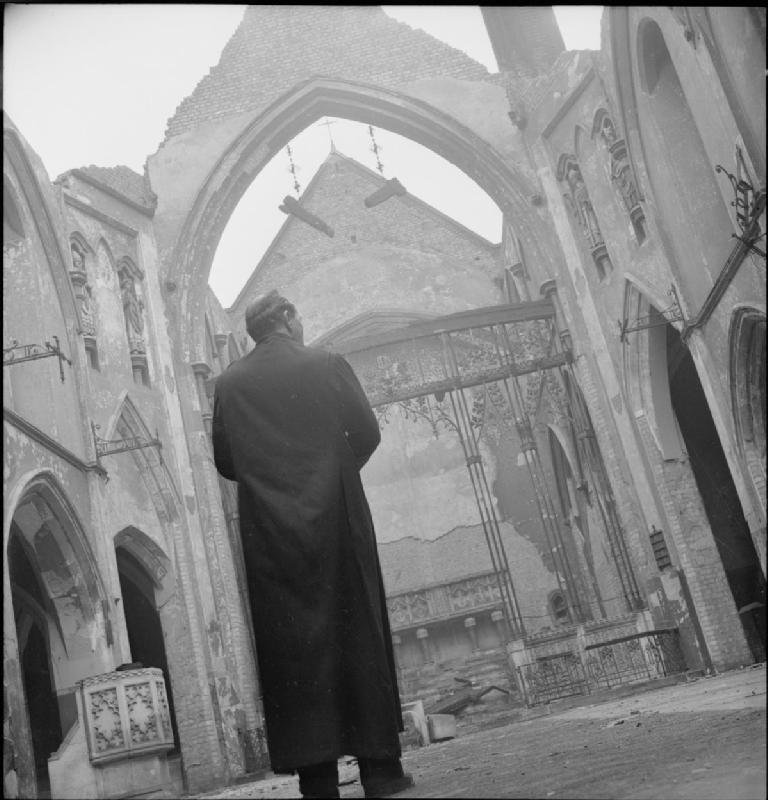
Introduction
Prominently positioned at the southern end of Westminster Bridge, the South Bank Lion is a striking emblem of London’s industrial heritage and cultural transformation. Sculpted in 1837 by William Frederick Woodington from innovative Coade stone, the lion was originally commissioned to adorn the Lion Brewery on the Lambeth bank of the Thames. Over nearly two centuries, this 13-foot-long, 13-tonne statue has witnessed London’s evolution from industrial powerhouse to vibrant cultural hub. Remarkably preserved—thanks in part to King George VI’s intervention—the lion stands today as a symbol of resilience, continuity, and artistry for Londoners and visitors alike. Freely accessible at all times, it remains a celebrated meeting point and photographic landmark adjacent to iconic attractions such as the London Eye, County Hall, and the Houses of Parliament.
This comprehensive guide explores the South Bank Lion’s fascinating history, cultural significance, visitor information, accessibility details, nearby attractions, and practical travel tips. For further insights, see Londonist, South London Guide, and Historic England.
Photo Gallery
Explore South Bank Lion in Pictures

Statue of a British lion in front of a Union flag with a Hebrew quote from Isaiah 24:15, illustrating the British-Israelism theory linking the ten lost tribes of Israel to the British.
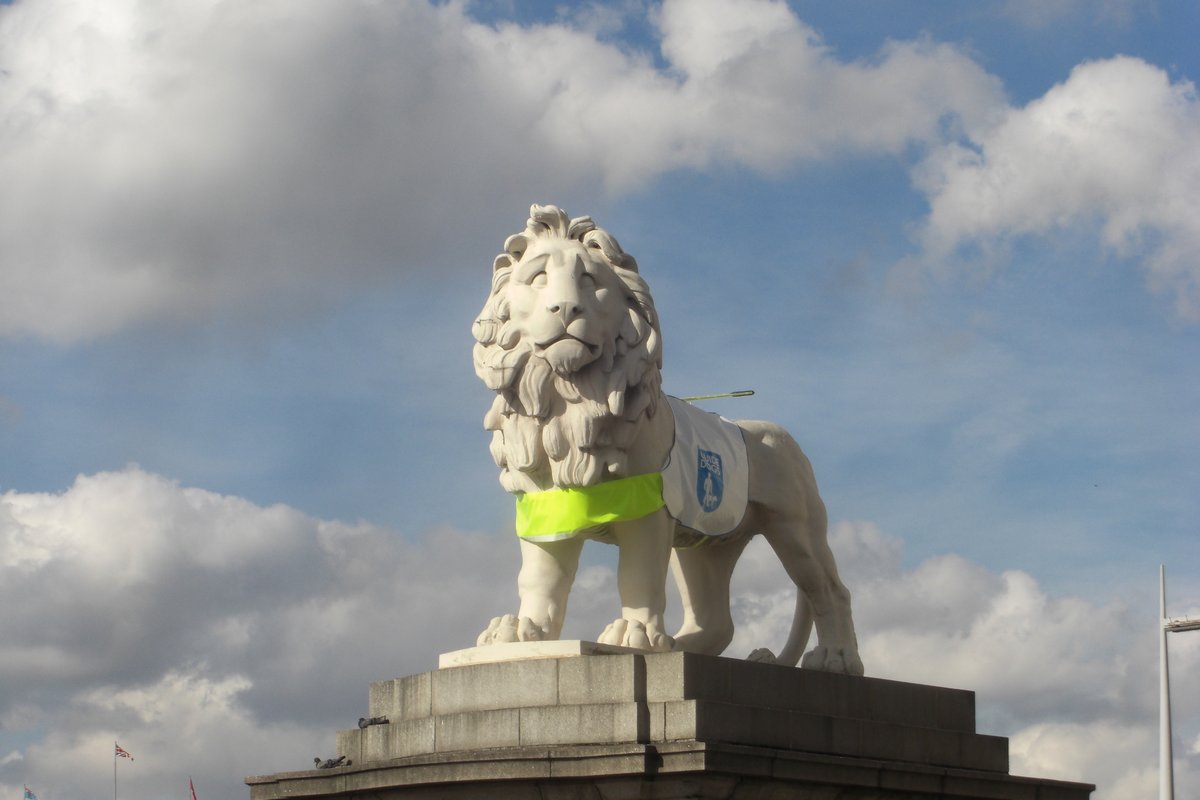
Stone lion sculpture located in London featuring an advertisement for the Guide Dogs for the Blind charity.
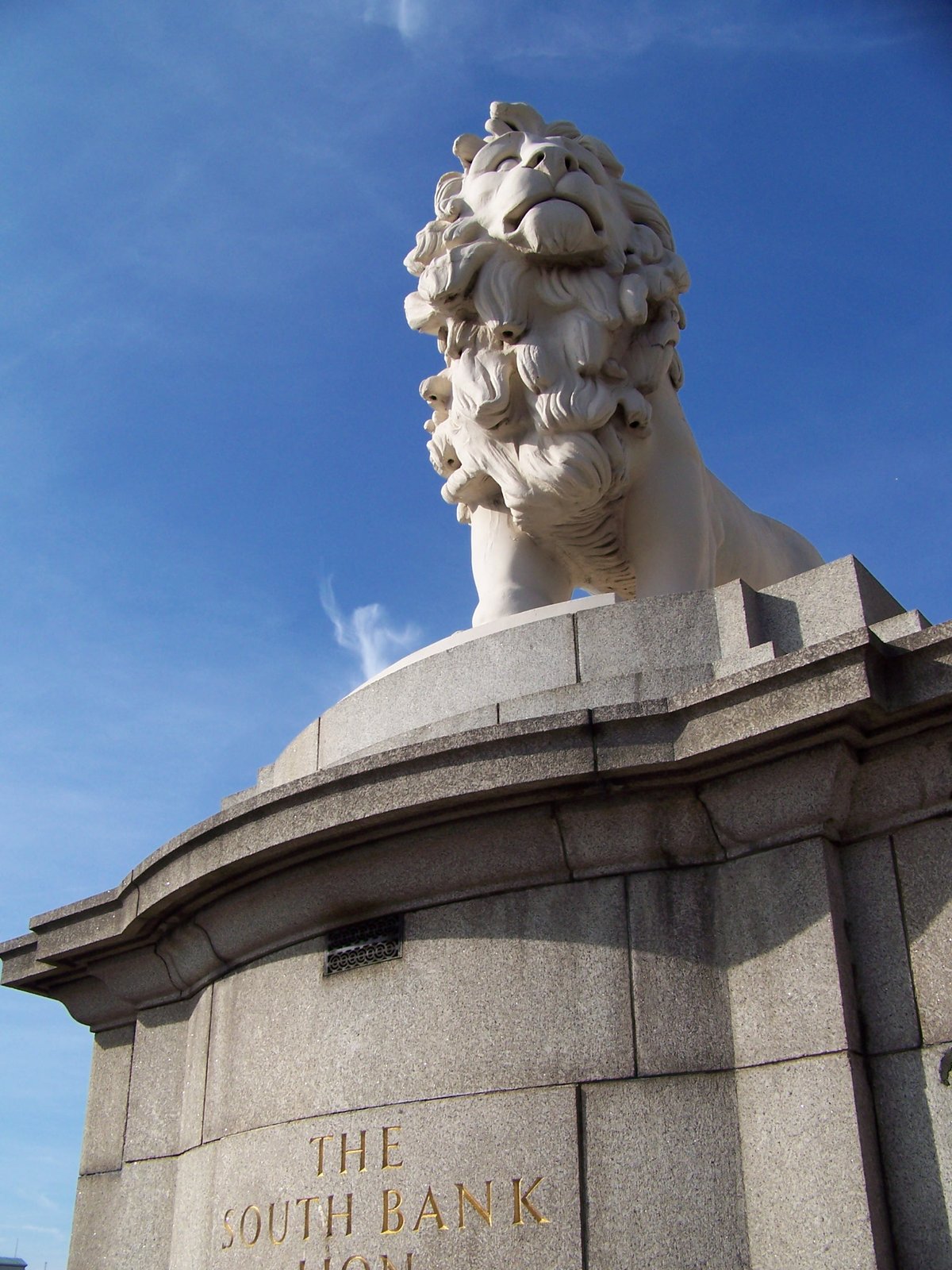
Detailed sculpture of a Coade stone lion located on Westminster Bridge in London, showcasing historic artistry and iconic city landmark.
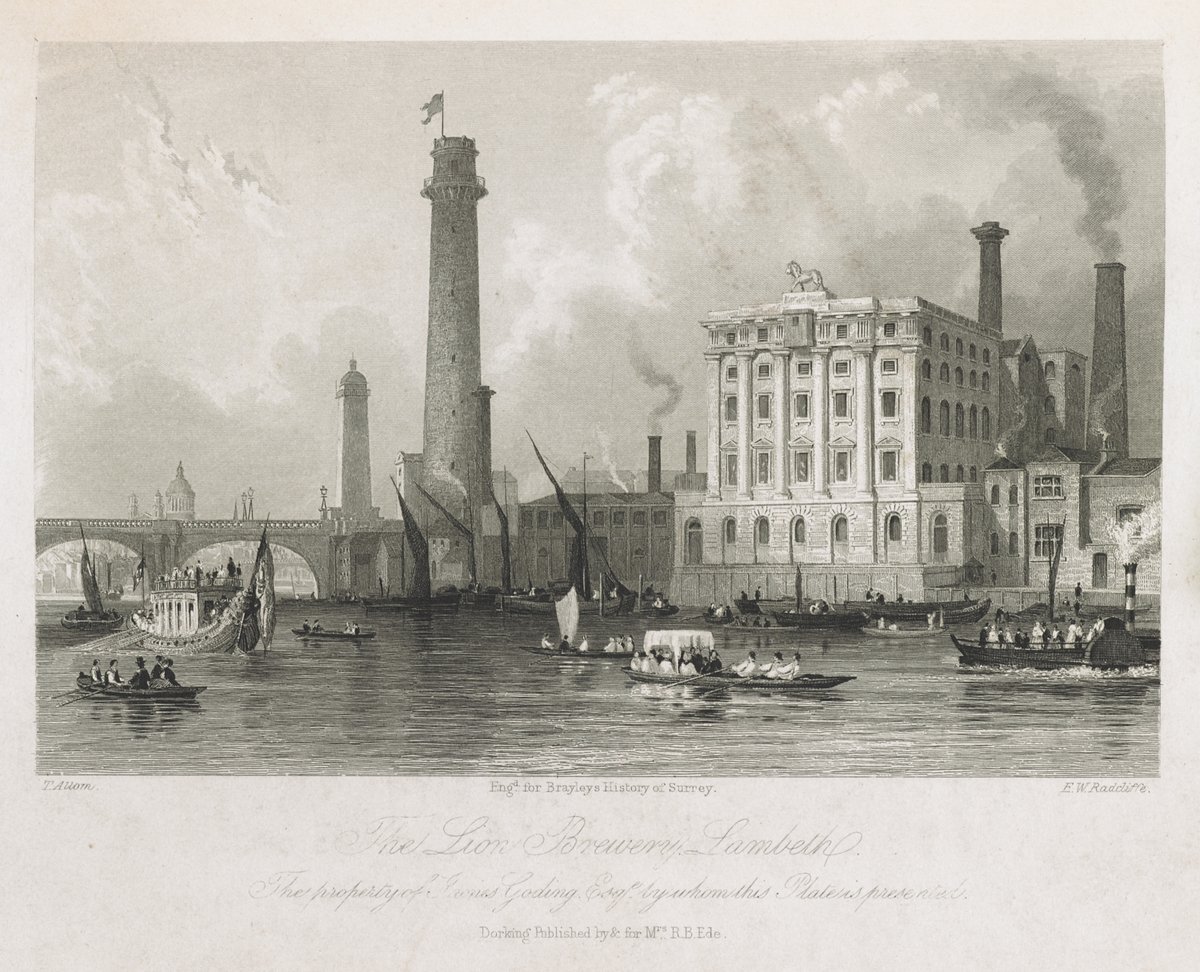
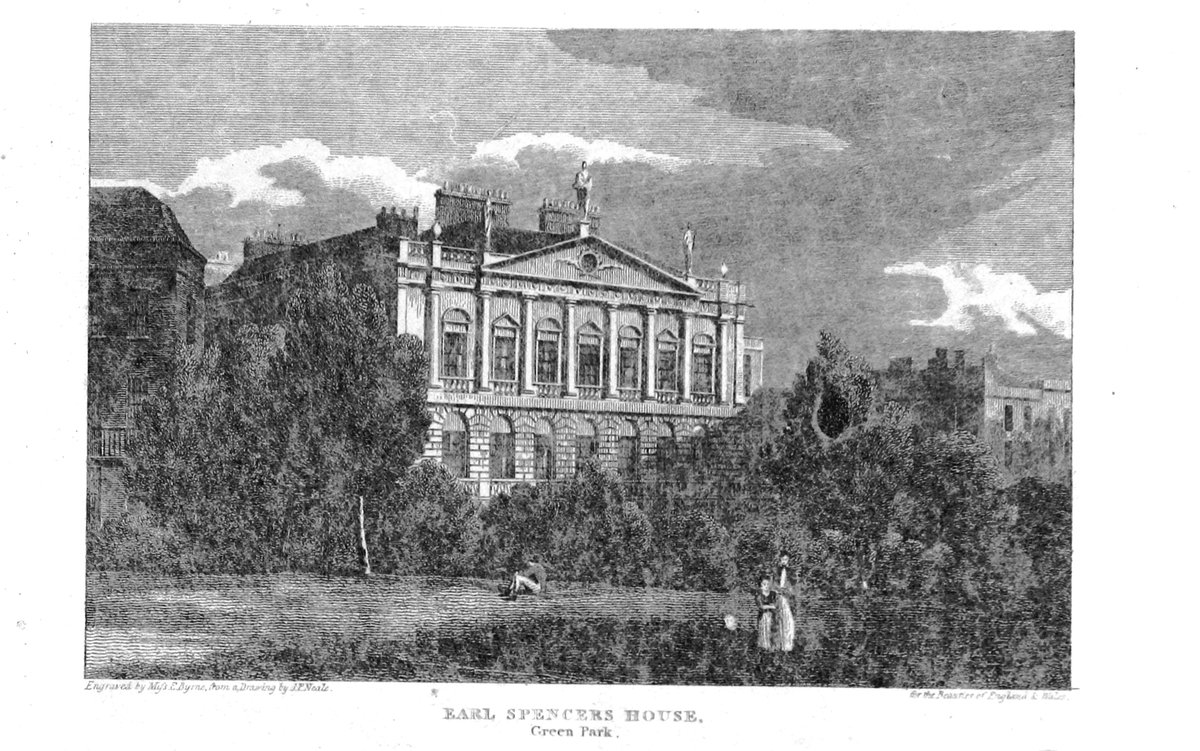
Historical illustration of The Lion Brewery located in Lambeth, featured in E. W. Brayley's A Topographical History of Surrey.
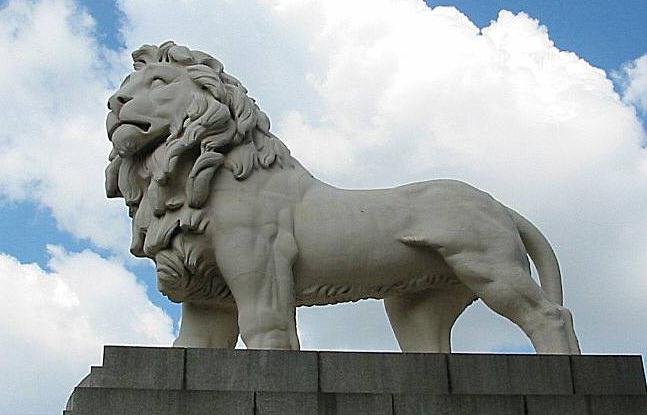
Coade Stone lion sculpture created in 1837 by William Frederick Woodington, located on the South Bank beside Westminster Bridge in London
Origins and Creation of the South Bank Lion
Commissioned by the Lion Brewery, the South Bank Lion was sculpted in 1837 by William Frederick Woodington (Londonist; Wikipedia). Crafted from Coade stone—a hardy artificial material developed by Eleanor Coade—the lion was designed to withstand the harsh urban environment. Its creation marked the dawn of Queen Victoria's reign and reflected the industrial ambitions of Lambeth, then an area dominated by manufacturing (A London Inheritance).
The lion originally graced the parapet above the Lion Brewery, serving as a powerful riverside symbol. An inscription beneath its paw—“WFW Coade 24 May 1837”—records its date and sculptor’s initials (Londonist). Measuring around 13 feet in length and weighing approximately 13 tonnes, the lion’s durability and detailed features are a testament to Coade stone’s remarkable properties (IanVisits).
The Lion Brewery and Industrial Context
The Lion Brewery was established by James Goding and completed in 1837 on a site formerly occupied by Belvidere House. The brewery thrived for several decades, employing innovative water supply systems and contributing to Lambeth’s industrial growth (A London Inheritance). By the 20th century, however, the brewery’s fortunes waned. After a fire in 1931 and subsequent use as storage, the building was demolished in 1949 to make way for the Royal Festival Hall, a symbol of postwar regeneration (A London Inheritance). The lion’s survival during this period is a remarkable chapter in its story.
Wartime Survival and Royal Intervention
During World War II, the South Bank Lion withstood the devastation of the Blitz, even as surrounding structures suffered extensive damage (London Remembers). Upon the brewery’s demolition in 1949, King George VI personally intervened to ensure the lion’s preservation, recognizing its symbolic value as an emblem of London’s resilience (IanVisits). The statue was carefully removed, revealing the sculptor’s signature beneath its paw (Wikipedia).
Relocations and Changing Symbolism
After its removal, the lion was painted red and installed outside Waterloo Station as a symbol for the 1951 Festival of Britain and British Rail (Londonist). In 1966, it was stripped of its red paint and moved to its current location beside County Hall at the southern end of Westminster Bridge (IanVisits). Its journey from brewery rooftop to festival gateway to riverside monument reflects the South Bank’s transformation from industrial quarter to cultural district.
Coade Stone: Material Innovation
Eleanor Coade’s artificial stone—produced at her Lambeth factory—was a unique blend of clay, flint, quartz, and glass, fired for days to achieve its unparalleled durability (IanVisits). Coade stone’s resilience has enabled the lion to retain its sharp features after nearly two centuries of London weather and pollution (Time Out). The South Bank Lion is one of the largest and most prominent surviving examples of this remarkable material (Living London History).
Recognition & Heritage Status
The South Bank Lion is listed as a Grade II* structure on the National Heritage List for England (Historic England), underscoring its special architectural and historical significance. This heritage status ensures legal protection and ongoing conservation for future generations to appreciate.
Visiting the South Bank Lion: Practical Guide
Location:
- Southern end of Westminster Bridge, outside County Hall, London SE1 7PB
- Adjacent to the London Eye and within easy reach of Waterloo Station
Visiting Hours:
- The South Bank Lion is accessible 24/7 as an outdoor public monument. There are no entrance fees or tickets required.
Accessibility:
- The site is wheelchair accessible with smooth pavements and ramps. Public restrooms and seating are nearby at County Hall and the Southbank Centre (AccessAble).
How to Get There:
- By Tube: Westminster (Jubilee, Circle, District lines), Waterloo (Jubilee, Northern, Bakerloo, Waterloo & City lines)
- By Bus: Routes serving Westminster Bridge and the South Bank
- By River: Riverboat services stop at Westminster Pier and the London Eye Pier
Best Times to Visit:
- For optimal photography and fewer crowds, visit early mornings or late afternoons on weekdays. Evening visits offer dramatic night views.
Visitor Tips:
- The lion is a popular meeting point and photo spot. Please do not climb on the statue or plinth.
- The site is well-lit and safe, with regular patrols and CCTV.
Frequently Asked Questions (FAQ)
Do I need tickets to visit the South Bank Lion?
No, it is free and open to the public at all times.
Is the South Bank Lion wheelchair accessible?
Yes, the area is fully accessible with paved walkways and ramps.
What are the best nearby attractions?
The London Eye, Southbank Centre, Jubilee Gardens, Sea Life London Aquarium, and the Houses of Parliament are all within walking distance.
Are guided tours available?
Yes, many South Bank walking tours feature the lion as a highlight. Check local operators for details.
Can I take photos of the lion?
Absolutely! The statue is a favorite subject for photographers, especially during golden hour and at night when illuminated.
Nearby Attractions & Experiences
- London Eye: Panoramic city views
- Southbank Centre: Arts and cultural events
- Jubilee Gardens: Green space for relaxation
- BFI Southbank, National Theatre, Hayward Gallery: Cultural venues with year-round programs
- Tate Modern, Shakespeare’s Globe: A scenic walk along the Thames leads to more historic sites
Food options range from riverside cafes to street food markets around the Southbank Centre (Time Out).
Visuals and Media

Alt text: South Bank Lion sculpture at Westminster Bridge with London Eye in the background.
Interactive Map of South Bank Attractions
Listen to the full story in the app
Your Personal Curator, in Your Pocket.
Audio guides for 1,100+ cities across 96 countries. History, stories, and local insight — offline ready.
Audiala App
Available on iOS & Android
Join 50k+ Curators
Sources
- verified
- verified
- verified
- verified
- verified
Last reviewed: