Introduction
The Royal Academy of Music Museum in London is a remarkable destination for anyone interested in music, history, or the arts. Located in one of London’s most vibrant cultural quarters, the museum is part of the UK’s oldest conservatoire, established in 1822. The museum offers an immersive exploration of centuries of musical craftsmanship, performance traditions, and innovation, with highlights ranging from Cremonese string instruments by Stradivari and Guarneri to original manuscripts from Purcell and Handel, and memorabilia belonging to luminaries such as Sir Elton John and Annie Lennox. Housed within an Edwardian Baroque landmark, the museum seamlessly blends historic charm with modern facilities and accessibility. This detailed guide covers the museum’s history, collections, visiting hours, ticketing, accessibility, events, and practical tips—helping you plan an enriching visit to one of London's top cultural sites (Royal Academy of Music, Architects’ Journal).
Photo Gallery
Explore Royal Academy of Music Museum in Pictures
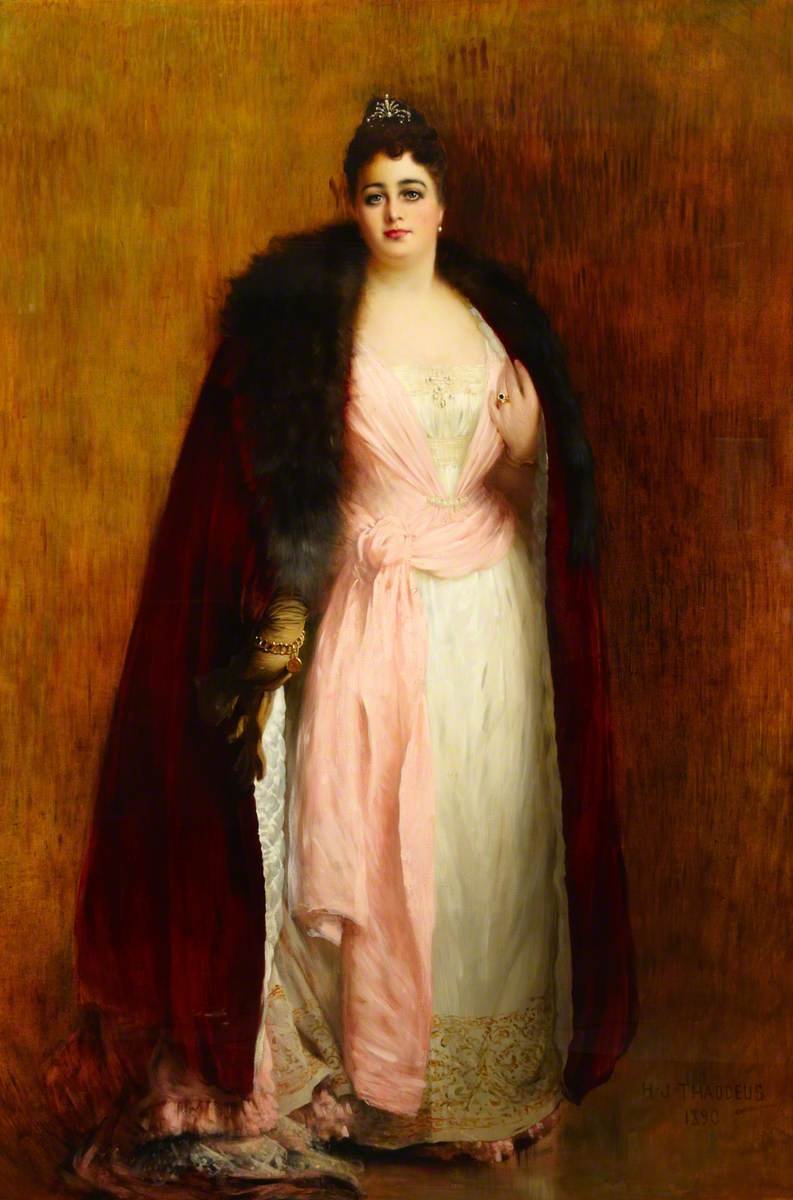
Grand full-length portrait of Ada Lewis-Hill from 1890, wearing a white silk or satin evening dress with a pink overlay garment, decorative pearl brooch at the lace neckline, heavy gold chain with round charm, fawn glove on right hand, and rings on her left hand's wedding finger, draped in a dark fu
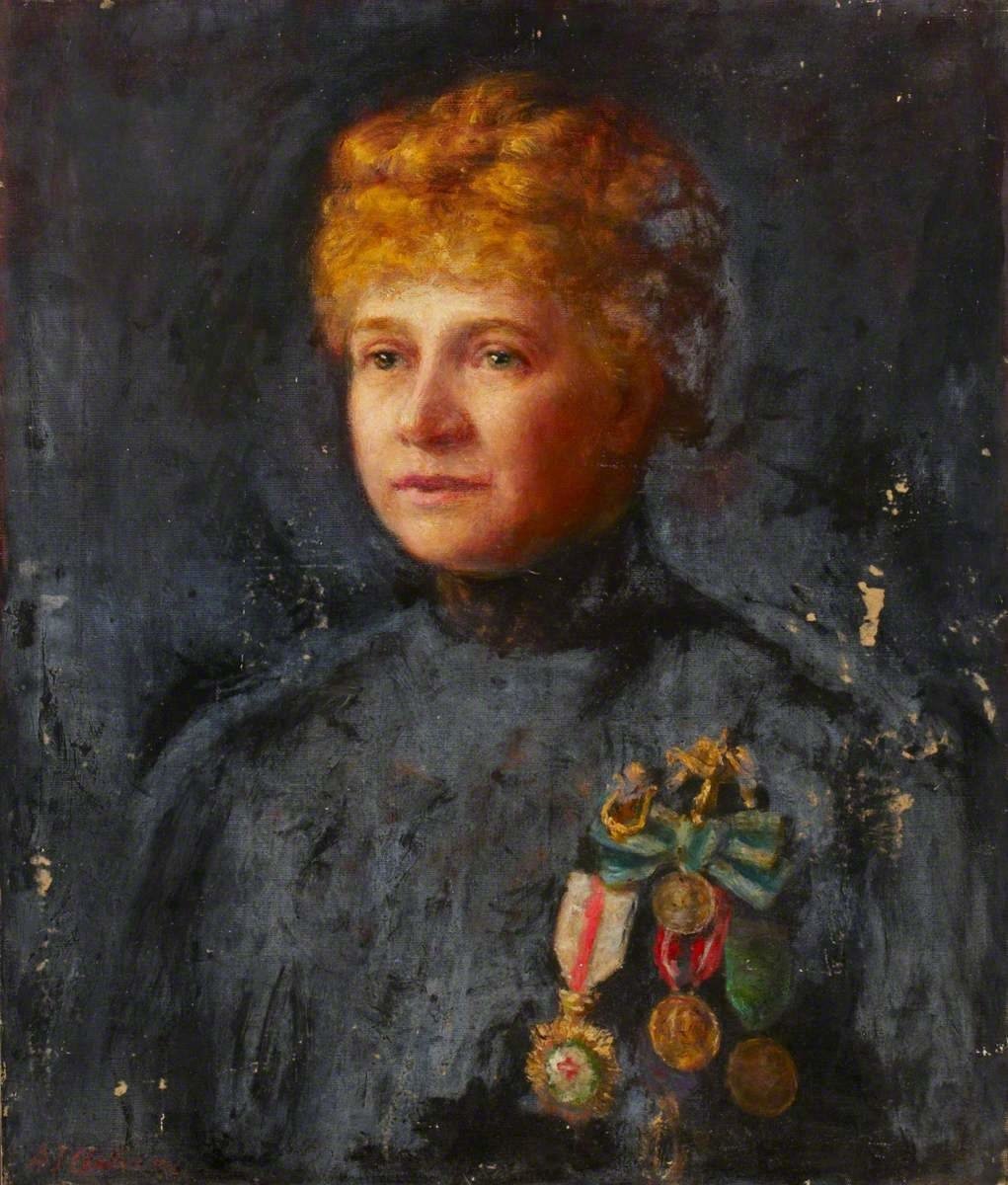
A detailed portrait of Nathalie Janotha, showcasing her historical appearance and attire.
History of the Royal Academy of Music and Its Museum
Founding and Early Years
Founded in 1822 by John Fane, 11th Earl of Westmorland, and French musician Nicolas-Charles Bochsa, the Royal Academy of Music (RAM) was established to nurture musical talent and elevate music education in Britain. Its royal charter was granted in 1830, cementing its status as a premier institution (official RAM website).
Evolution and Architectural Development
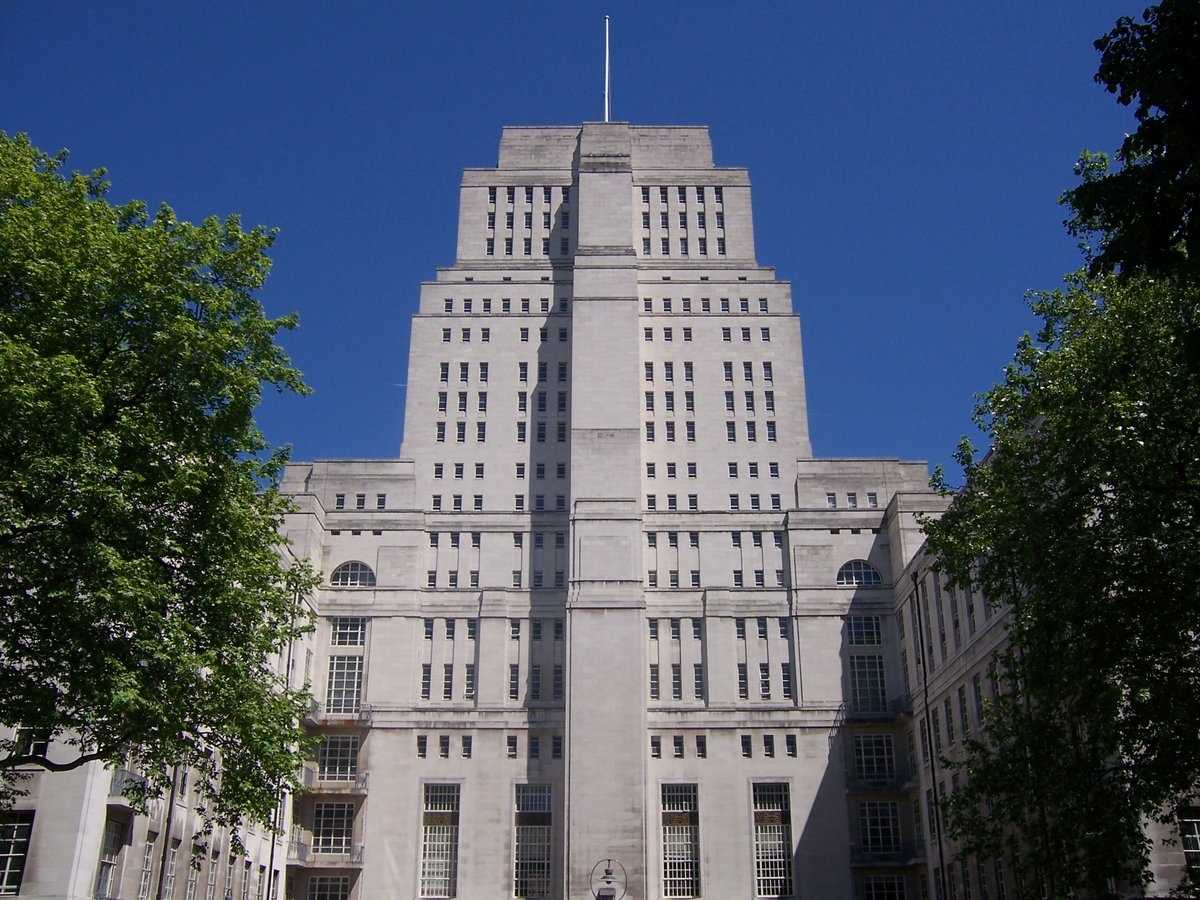
Originally located on Tenterden Street, the Academy moved in 1911 to its current Marylebone Road location. The new building, designed by Sir Ernest George, quickly became a cultural landmark, featuring the 450-seat Duke’s Hall. Subsequent expansions included the Sir Jack Lyons Theatre (1976) and state-of-the-art venues like the Susie Sainsbury Theatre and Angela Burgess Recital Hall, all within a historic façade (Architects’ Journal, Ritchie Studio).
Museum Establishment
The museum, now housed at 1–5 York Gate, highlights the Academy’s commitment to preserving and celebrating musical heritage. It provides public access to a world-class collection of instruments, manuscripts, and memorabilia, serving as both an educational resource and a vibrant cultural venue (Guide London).
Museum Collections and Highlights
Strings Gallery
Home to masterworks by Stradivari, Guarneri, and Amati, the gallery features rare violins, violas, and cellos—many in playable condition. The adjacent luthiers’ workshop allows visitors to observe expert instrument conservation and repair.
Keyboard Gallery
Showcasing the evolution of keyboard instruments, this gallery includes English pianos from the late 18th to mid-19th centuries, Italian virginals, and notable grand pianos. The conservation workshop is often visible, revealing the intricate work behind instrument maintenance.
Wind and Brass Instruments
Highlights include Dennis Brain’s French horn, batons used by Sir Henry Wood, and a diverse collection of brass and woodwind instruments from across history.
Manuscripts and Memorabilia
Original manuscripts from Purcell, Handel, Vaughan Williams, and others illuminate the creative processes of great composers. Additional memorabilia celebrates the Academy’s famous alumni and their contributions to music.
Special Exhibitions and Interactive Features
Rotating exhibitions explore themes like women in music or the Academy’s role in pop culture. Live demonstrations, family workshops, and lecture-recitals offer engaging experiences for all ages.
Planning Your Visit: Hours, Tickets, and Accessibility
Visiting Hours
- Monday to Saturday: 10:00 AM – 5:00 PM
- Sunday & Public Holidays: Closed
Note: Some sources indicate limited public opening (e.g., Fridays only, 11:00 AM – 6:00 PM). Always check the official museum website before your visit, as hours may vary due to events or maintenance (IanVisits).
Tickets and Admission
- General Admission: Free
- Special Exhibitions/Events: Tickets may be required (book online or at the entrance; advance booking recommended during busy periods)
Accessibility
- Step-free access via ramps and lifts to all galleries
- Accessible restrooms available
- For specific accessibility needs, contact the museum in advance (Accessibility Info)
Events, Tours, and Visitor Experience
Guided Tours and Demonstrations
- Guided tours can be booked in advance and are led by knowledgeable staff or expert guides.
- Live instrument demonstrations and performances are frequently scheduled—check the events calendar online.
Atmosphere
The museum’s integration within a working conservatoire means visitors often hear students practicing, adding a vibrant, authentic backdrop to the experience.
Family and Educational Activities
Family workshops, school programs, and interactive events cater to younger visitors and educational groups.
Practical Travel Tips and Nearby Attractions
Getting There
- Location: 1–5 York Gate, Marylebone Road, London NW1 5HT
- Underground: Baker Street (closest), Regent’s Park
- Bus: Several routes serve Marylebone Road
- Walking: Near Regent’s Park and Marylebone High Street
Facilities
- Lifts and accessible toilets
- Free Wi-Fi
- Small shop for music-related souvenirs and publications
- Café within the main Academy building
Nearby Attractions
Frequently Asked Questions (FAQ)
Q: What are the museum’s visiting hours?
A: Generally Monday to Saturday, 10:00 AM – 5:00 PM, but verify on the official website for changes.
Q: Is admission free?
A: Yes, general entry is free. Some events or exhibitions may require tickets.
Q: Is the museum wheelchair accessible?
A: Yes, with step-free access and lifts. Contact the museum for specific needs.
Q: Are guided tours available?
A: Yes, tours can be pre-booked. Staff are also happy to answer questions during your visit.
Q: Can I take photographs?
A: Personal photography is permitted (no flash or tripods). Some exhibits may have restrictions (Museums London).
Q: Is there parking?
A: No onsite parking. Public transport is recommended.
Recommendations for Various Visitors
Music Enthusiasts & Students:
Focus on the Strings and Keyboard Galleries, book a guided tour, and attend a lecture-recital if possible.
Families:
Participate in family workshops and allow 45–90 minutes for your visit.
Casual Visitors & Tourists:
Combine your museum visit with other nearby attractions like Regent’s Park or the British Museum.
Visitors with Accessibility Needs:
Check accessibility in advance, as lift service may occasionally be interrupted by maintenance.
Listen to the full story in the app
Your Personal Curator, in Your Pocket.
Audio guides for 1,100+ cities across 96 countries. History, stories, and local insight — offline ready.
Audiala App
Available on iOS & Android
Join 50k+ Curators
Sources
- verified
- verified
- verified
- verified
- verified
- verified
-
verified
Visiting the Royal Academy of Music Museum London: Hours, Tickets, Insider Tips, and More, 2024
- verified
Last reviewed: