Introduction
The Queen Eleanor Memorial Cross stands as a prominent symbol of London’s medieval heritage and Victorian revivalism. Located in the forecourt of Charing Cross railway station, this neo-Gothic monument commemorates Queen Eleanor of Castile and represents an enduring legacy of royal devotion and artistic craftsmanship. Crafted in the 19th century to replace the original 13th-century cross destroyed during the English Civil War, today’s monument is a must-see for anyone interested in London’s fascinating past. This detailed guide covers everything you need to know to plan your visit, from historical background and architectural highlights to accessibility, directions, and travel tips.
For official information, see Visit London, Victorian Web, and Explorial.
Photo Gallery
Explore Queen Eleanor Memorial Cross in Pictures
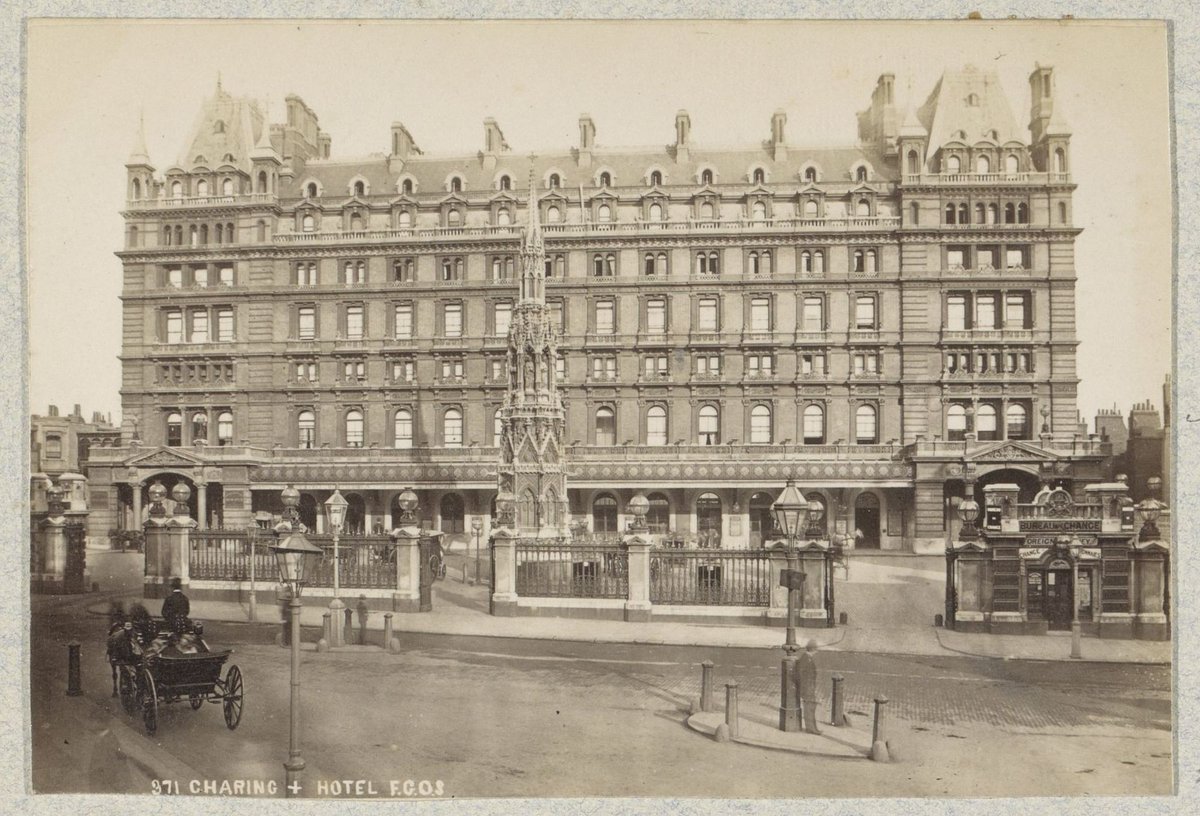
Vintage albumen print photo of Charing Cross Station and adjacent hotel in London, featuring a replica of the Eleanor Cross monument in front. Taken by F.G.O. Stuart between 1880 and 1910, part of a travel album documenting notable sights in England, Switzerland, France, and Germany.
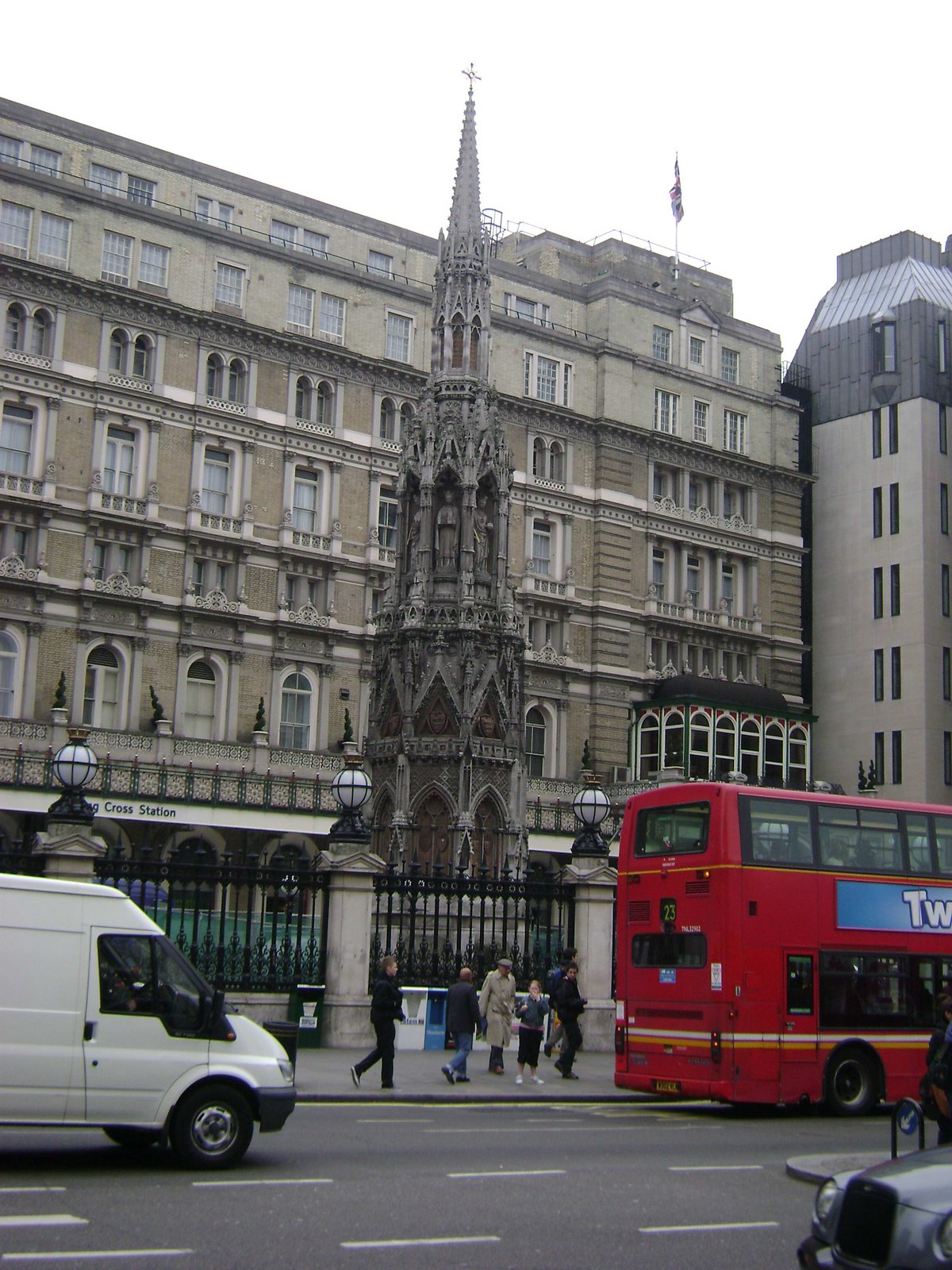
Image of a detailed replica of the Eleanor Cross located in the forecourt of Charing Cross railway station, London.
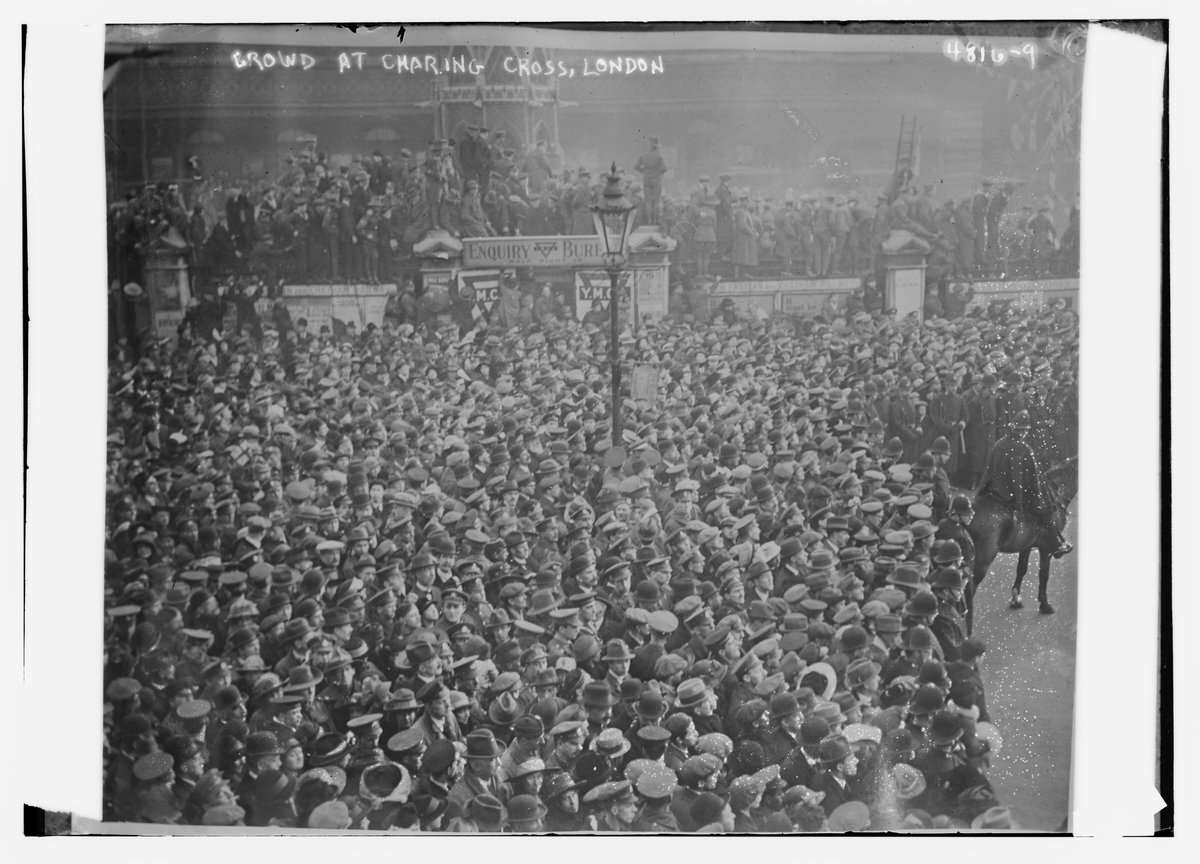
Black and white image showing a large crowd gathered at Charing Cross in London, capturing a moment from the early 20th century with detailed urban background and glass negative format.
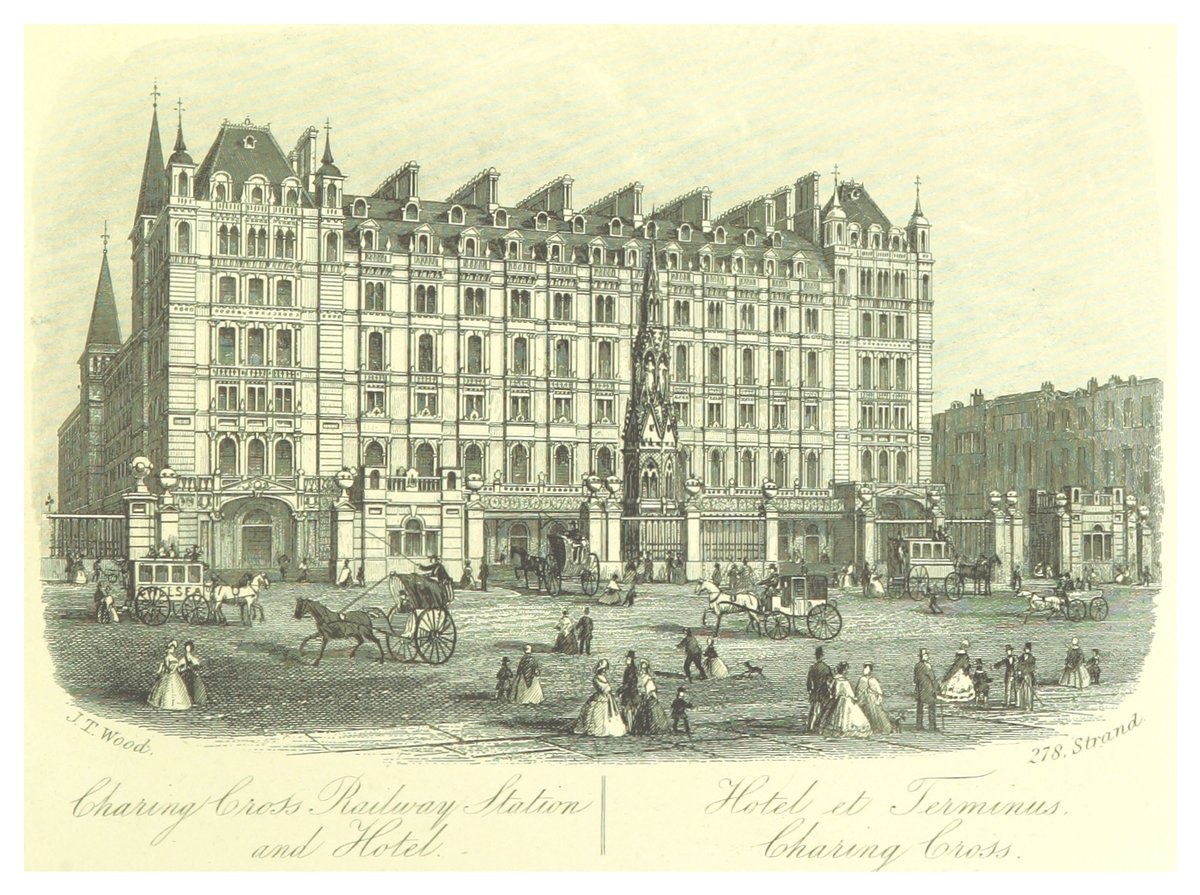
Vintage illustration depicting the Hotel at Charing Cross in London as it appeared in the year 1872
Historical Background
Origins and Purpose
Commissioned by King Edward I in 1290, the original Eleanor Crosses were erected at twelve locations marking the nightly resting places of Queen Eleanor of Castile’s funeral procession from Lincoln to Westminster Abbey. The Charing Cross was the last and most elaborate of these monuments. Its purpose was both devotional and commemorative, inviting prayers for the Queen’s soul and asserting royal presence along the route.
Destruction and Victorian Reconstruction
The original Charing Cross was demolished in 1647 during the English Civil War. In the 19th century, as part of the Victorian revival of medieval art and architecture, architect Edward Middleton Barry designed a new cross (1863–1865) near the original site, utilizing Gothic Revival motifs and craftsmanship to honor the original’s legacy (Victorian Web).
Architectural Significance
Barry’s monument is not a strict restoration but a creative interpretation inspired by the surviving crosses at Geddington, Hardingstone, and Waltham. The design features strong verticality, tiered structure, and intricate statuary, all hallmarks of Gothic style. The cross stands approximately 70 feet (21 meters) tall and is adorned with statues of Queen Eleanor in regal pose, surrounded by decorative canopies, heraldic shields, and elaborate stone carvings (Victorian Web).
Materials and Design Features
The monument is constructed from Portland stone, Mansfield stone, and Aberdeen granite, chosen for their durability and suitability for fine carving. Master-mason Thomas Earp executed the intricate details, including:
- Statues: Eight carved figures of Queen Eleanor, each holding a sceptre and orb.
- Ornamentation: Gothic motifs such as crockets, finials, quatrefoils, and foliate carvings.
- Heraldry: Shields and royal symbols referencing Eleanor’s status and legacy.
The monument’s base is octagonal, with steps inviting close viewing. The middle tier features the statues in canopied niches, and the uppermost tier tapers to a cross, emphasizing the spiritual and commemorative purpose (Victorian Web).
Location and How to Get There
Address
Charing Cross Station Forecourt, Strand, London WC2N 5HF, United Kingdom (Explorial).
Directions
- By Underground: Charing Cross Station (Northern and Bakerloo lines) is adjacent to the cross.
- By National Rail: The station serves southeast England and opens directly onto the monument.
- By Bus: Numerous routes (6, 9, 11, 15, 23, 87, 91, 139, 176) stop nearby.
- On Foot: Easy walk from Trafalgar Square, Covent Garden, and the Embankment (LondonXLondon).
Visiting Hours & Admission
- Open Access: The Queen Eleanor Memorial Cross is outdoors and accessible 24/7.
- Admission: Free, no tickets required (Explorial).
Tip: Daylight visits are best for appreciating the monument’s details and for photography.
Accessibility
The monument sits in a spacious, level area with step-free access from the station forecourt. Wheelchair users and visitors with limited mobility can approach the cross easily, although the base features steps that may limit very close inspection. Charing Cross station provides lifts and accessible facilities, but some older station areas may have limited step-free routes (Transport for London).
Guided Tours & Nearby Attractions
- Guided Tours: Many walking tours of Westminster and central London include the cross, providing historical context and architectural insights (Explorial).
- Nearby: Trafalgar Square, The National Gallery, Covent Garden, The Strand, Embankment Gardens.
For up-to-date events and listings, consult Time Out London and Visit London.
Photography Tips
- Best Light: Early morning and late afternoon provide optimal lighting for capturing the stonework.
- Angles: Try views from the station forecourt and adjacent streets for dramatic backgrounds.
- Details: Focus on the statues and carved motifs for striking close-ups.
- Weather: Bring an umbrella and dress for changeable London weather.
Visitor Experience & Amenities
- Facilities: Public restrooms, food outlets, and shops are available at Charing Cross station.
- Safety: The area is well-lit and busy, but remain alert for traffic and keep belongings secure.
- Signage: Onsite plaques and murals in the Underground provide historical context (Great North Road).
Frequently Asked Questions (FAQs)
Q: Is there an entrance fee or ticket required?
A: No, the monument is free and open to the public at all times.
Q: What are the best times to visit?
A: Daylight hours for the clearest view and best photos.
Q: Is the site accessible for wheelchair users?
A: Yes, with step-free access from the street and station forecourt.
Q: Are guided tours available?
A: Yes, many central London walking tours include the cross. Check with local operators for details.
Q: What attractions are nearby?
A: Trafalgar Square, The National Gallery, Covent Garden, The Strand, and Embankment Gardens are all within walking distance.
Q: Can I take photos?
A: Absolutely—photography is encouraged.
Summary and Visitor Tips
The Queen Eleanor Memorial Cross is a compelling monument uniting medieval commemoration and Victorian artistry. Freely accessible at all hours and located in the heart of central London, it offers visitors a unique window into England’s royal and architectural history. Whether as part of a walking tour or a spontaneous stop, the cross is an enriching highlight of any London itinerary. For enhanced experiences, consider a guided tour and consult digital resources like the Audiala app.
Stay informed with official resources:
Listen to the full story in the app
Your Personal Curator, in Your Pocket.
Audio guides for 1,100+ cities across 96 countries. History, stories, and local insight — offline ready.
Audiala App
Available on iOS & Android
Join 50k+ Curators
Sources
- verified
- verified
- verified
- verified
- verified
- verified
- verified
Last reviewed: