An introduction.
Researched by the Audiala editorial team from historical records, architectural archives, and local expertise.
WWhy does the Natural History Museum in London, United Kingdom, look less like a museum than a cathedral built for dinosaurs? That question is the reason to come: this place turns science into theatre, argument, and spectacle all at once. Today, on Cromwell Road, you face Alfred Waterhouse's striped terracotta facade, hear school groups ricochet through the entrance, and step into a hall where a blue whale hangs overhead like a thought too large for the building that contains it.
Most visitors arrive expecting fossils and family crowds. They get those, certainly, but they also get one of Victorian London's strangest acts of self-confidence: a public palace for naming, sorting, and possessing the natural world.
Look up early. The walls crawl with carved monkeys, lizards, birds, and extinct beasts, and the polished stone throws back footsteps with a church-like echo that makes even a noisy afternoon feel faintly ceremonial.
Visit for the obvious stars if you like. Visit also because the building itself is the exhibit: a monument to science, empire, rivalry, and the old habit London had of turning ideas into architecture on a grand scale, much as it did at St Pauls Cathedral, only here the saints have been replaced by iguanodons and hummingbirds.
Best Things To Do in London England 4K
Island Hopper TV01 What to see.
Hintze Hall and Hope
The Cromwell Road Facade
Take the Museum in the Right Order
Watch & Explore Natural History Museum.
Plan and listen to Natural History Museum with Audiala.
Audio guide in your pocket, itinerary in your browser. Built for the way you actually visit.
03 Visitor logistics.
The practical scaffolding for a good visit — kept short.
Getting There
South Kensington Tube is the cleanest approach: Piccadilly, District, or Circle line, then a 5-minute walk through the pedestrian subway and up Exhibition Road to Cromwell Road. Bus routes 70, 74, N74, and N97 stop at Natural History Museum / Cromwell Road; route 345 stops opposite, and Gloucester Road station is a 12-minute walk to the Central Entrance or 7 minutes to the West Entrance.
Opening Hours
As of 2026, the museum opens daily 10:00-17:50, with last entry at 17:30, and closes 24-26 December. The Evolution Garden keeps the same hours, while the Nature Discovery Garden closes at daylight and is currently listed as 16:00.
Time Needed
Give it 1-1.5 hours if you want a quick hit of Hintze Hall, dinosaurs, and one more gallery. Most first visits take 3-4 hours, and half a day makes more sense if you want the gardens, quieter rooms, and time to stand under Hope the blue whale instead of marching past it.
Accessibility
Most of the museum is step-free, with lifts, accessible toilets, a Changing Places toilet in the Blue Zone, free loan wheelchairs, and folding stools from the cloakrooms. Check lift outages before you leave: as of 21 April 2026 the Flett Theatre lift, Mammals Hall lift, and multiple Darwin Centre lifts were reported out of order, and South Kensington station still is not fully step-free.
Cost & Tickets
As of 2026, general admission is free, but booking a free timed entry slot online usually saves you from the ugliest queue. Paid exhibitions cost extra: Wildlife Photographer of the Year starts at £15.50, Visions of Nature is £9.95 for non-members, and Our Story with David Attenborough starts at £20.
04 Tips for visitors.
Small things that change the day.
Photo Rules
Personal photography is allowed, but flash, extra lighting, tripods, monopods, selfie sticks, gimbals, and easels all need permission. Some exhibitions ban photos outright, so watch the signs before you raise the camera.
Crowd Watch
South Kensington station and the museum entry queue are the pressure points; pickpockets work those bottlenecks, not the grand staircase. Keep your bag zipped and in front of you in the subway tunnel and dinosaur galleries, where people bunch up like commuters at rush hour.
Best Timing
Arrive for the 10:00 opening or come in the last hour if you want the building with fewer elbows and a quieter shot at the dinosaur rooms. Midweek is kinder, and late afternoon light in Hintze Hall turns the terracotta arches the color of warm brick dust.
Eat Nearby
Skip the idea of a grand meal inside unless convenience wins; the museum cafes are practical, not memorable. For a better break, walk to Iddu at 44 Harrington Road for mid-range Sicilian pastries and coffee, Gazette Brasserie at 17 Queensberry Place for a very South Ken French lunch, or The Lavery at 4 Cromwell Place if you want a splurge dinner after the museum.
Pair It Well
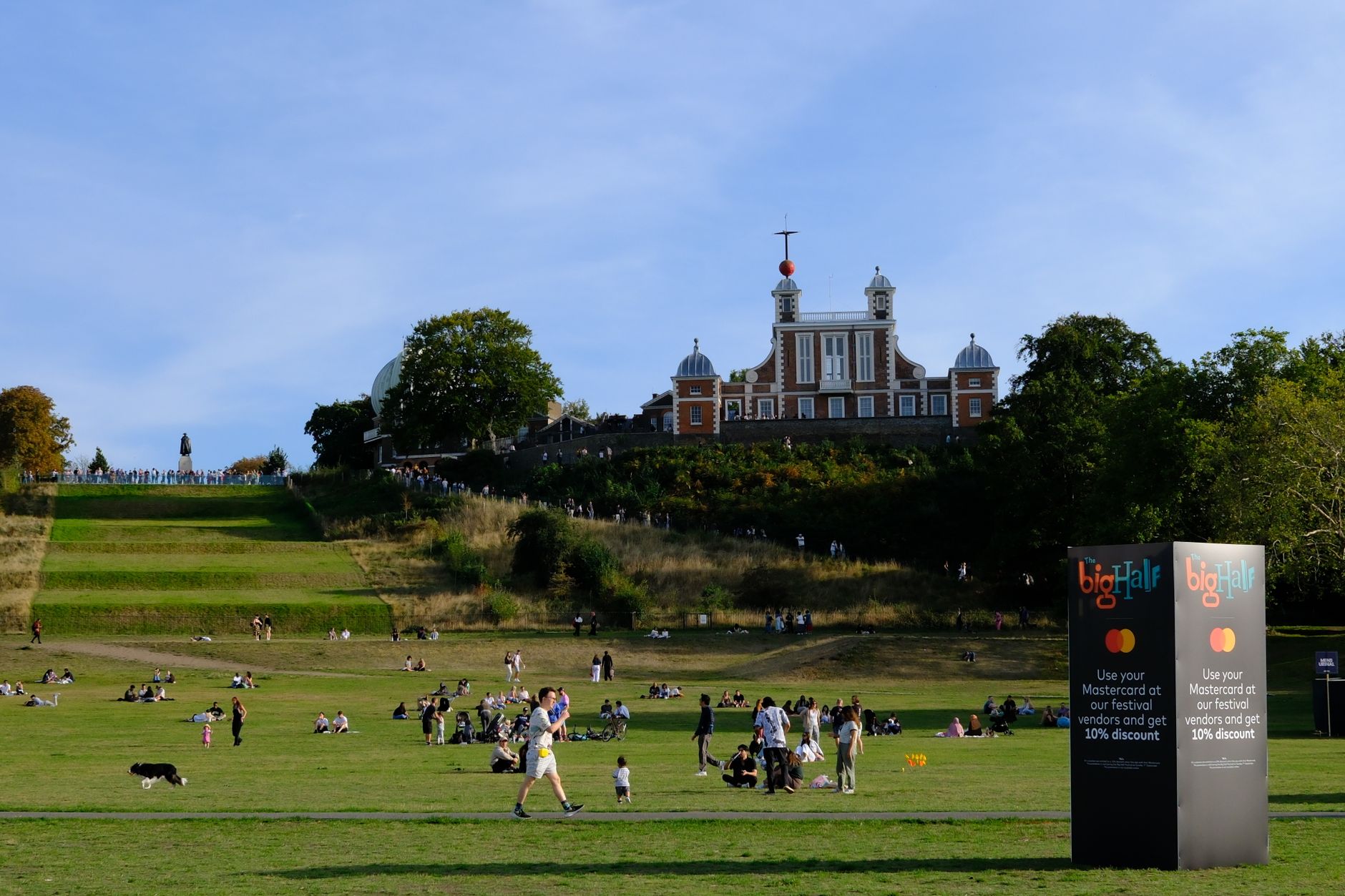
The museum sits four minutes from the Science Museum and the V&A, so this is one of the few London days where a double-museum plan actually works. If you want one hard contrast instead of more galleries, save your evening for Royal Observatory or St Pauls Cathedral, both places that trade in a very different kind of awe.
Bag Strategy
Large or wheeled suitcases that you cannot carry must go to the cloakroom, and space runs out. As of 2026, cloakroom prices run from £3 for an umbrella to £6 for a bag over 4kg, so traveling light saves both money and patience.
Where to Eat
Don't Leave Without Trying
Pravaas - South Kensington
local favoriteOrder: The vegetarian or regular tasting menus are beautifully presented and packed with balanced, authentic spices.
This cozy gem feels like a warm embrace, offering a level of attention to detail and skill that is rare to find in the area.
Ognisko Restaurant
fine diningOrder: The schnitzel is perfectly cooked and widely considered one of the best, followed by their authentic pierogi.
Set in an opulent white dining room, this restaurant offers an upscale, hotel-style bar experience with beautifully prepared, traditional Baltic flavors.
CERU South Kensington
local favoriteOrder: The slow-roast lamb shoulder and signature zucchini fritters are absolute must-haves.
This charming modern diner is perfect for a vibrant meal, showcasing fresh, spice-forward Levant flavors that feel natural and bright.
Filo
cafeOrder: The tiramisu bun and the chicken sandwich are standout items for a quick, delicious breakfast.
Located just two minutes from the museum, this cute spot offers a unique, high-quality coffee experience that beats the big chains.
Dining Tips
- check The South Kensington Farmers' Market is open every Saturday from 9am to 2pm.
- check Keep some cash handy for the Farmers' Market, as not all stallholders accept cards.
- check If you plan to have Afternoon Tea at the Natural History Museum, you must pre-book in advance.
- check Museum cafés generally operate between 10:00 and 17:30, with main hot food served until roughly 16:00.
Restaurant data powered by Google
05 A Scientific Argument in Terracotta
The clean tourist version says the Natural History Museum began on 18 April 1881, when the South Kensington building opened to the public. Records show the real story starts much earlier, with Sir Hans Sloane's collection entering the British Museum in 1753 and swelling for more than a century through collecting networks tied to empire, trade, and money made from enslaved labour.
What rose on Cromwell Road between 1873 and 1881 was not just extra storage. Richard Owen wanted a free national museum that would glorify natural history on his terms, and Alfred Waterhouse gave him one in terracotta tough enough to survive London's soot, a practical choice that also made the facade glow the colour of baked honey after rain.
The Museum That Pretends to Be Neutral
At first glance, the building seems to tell a simple story: Victorian Britain loved science, so it built a grand home for fossils, shells, and stuffed birds. The Romanesque arches, the soaring central hall, the ranks of carved animals all look like a public celebration of knowledge, generous and confident and faintly pious.
But one detail doesn't add up. Why are the animal carvings split so oddly, with living species on the west wing and extinct ones on the east, as if the building itself insists on a border nature no longer respects?
The answer leads straight to Richard Owen. He took charge of the British Museum's natural history collections in 1856, fought for years to wrench them out of overcrowded Bloomsbury, and staked his reputation on a separate museum that would present classification as order rather than evolutionary blur; when trustees accepted the South Kensington plan in principle after his 1859 sketch and the project finally moved forward, Owen gained the monument he wanted just as Darwin's ideas were rearranging biology under his feet.
That changes the way you look at the place now. The facade stops being decoration and starts reading like an argument in baked clay, a Victorian attempt to hold the world still while science was already making it move.
Before 1881
War and Reinvention
Listen to the full story in the app
The whole Natural History Museum,
told well.
Audio guides for 1,100+ cities across 96 countries. History, stories, and local insight — offline ready.
06 Frequently asked.
The questions travellers send us most about Natural History Museum.
Is Natural History Museum worth visiting?
Yes, especially if you care about buildings as much as bones. Alfred Waterhouse built it as a Victorian "cathedral to nature," and the first shock is architectural: a 207-metre facade, longer than two football pitches, then Hintze Hall with Hope, a 25-metre blue whale skeleton hanging overhead like a small ship turned inside out. Go for the dinosaurs if you want, but the real secret is that the building itself argues about science in terracotta.
How long do you need at Natural History Museum?
Most people need 3 to 4 hours for a first visit. That gives you time for Hintze Hall, the Dinosaurs gallery, Earth Hall, and a loop through the gardens without moving like you're late for a train. If you only want the headline sights, 1 to 1.5 hours works, but you'll miss the quieter rooms where the museum starts to breathe.
How do I get to Natural History Museum from London?
The easiest route is the Tube to South Kensington on the Piccadilly, District, or Circle line, then a 5-minute walk to the museum. Use the pedestrian subway if the weather is grim; London does damp with commitment. Gloucester Road also works and is about 12 minutes to the Central Entrance or 7 minutes to the West Entrance.
What is the best time to visit Natural History Museum?
Early morning at opening or the last hour of the day is your best bet. Midweek is calmer too, which matters because the Dinosaurs gallery can feel less like a museum and more like a polite stampede. Spring and summer also give you the gardens at full strength, with ponds, birdsong, and dragonflies doing their own version of curation outside.
Can you visit Natural History Museum for free?
Yes, general admission is free. The museum still recommends booking a free timed-entry ticket in advance, especially on busy days, because walk-up entry depends on capacity and queues can stretch your patience before you've seen a single fossil. Temporary exhibitions and special events may still charge separately.
What should I not miss at Natural History Museum?
Don't miss Hintze Hall, the balconies above it, the Dinosaurs gallery, and at least one pass through the new gardens. Look up before you look forward: the hall ceiling carries 162 painted panels of plants tied to Victorian trade and empire, while the whale below pulls your eyes away like a stage magician. Outside, Fern the bronze Diplodocus and the garden trails give the place fresh air after all that stone and echo.
Verified, and shown.
Researched and written by the Audiala editorial team from historical records, architectural archives, and local expertise.
Used for current opening hours, free general admission, and the recommendation to book free timed-entry tickets.
Used to confirm free entry, capacity-based walk-up access, and paid temporary exhibitions or events.
Used for nearest Tube stations, lines serving South Kensington and Gloucester Road, walking times, and entrance access details.
Used to support typical visit duration and route details from nearby stations.
Used for the "cathedral to nature" concept, Richard Owen's role, and architectural interpretation of the museum.
Used for architectural details, Waterhouse plans, and the building's design language.
Used for institutional history, the east-west species split in the building, and the museum's broader origin story.
Used for the 207-metre facade measurement and confirmation of the building's architectural significance.
Used for the central role of Hintze Hall and the experience of seeing Hope the blue whale skeleton.
Used for current garden access, seasonal appeal, and outdoor features that shape the best time to visit.
Used for the Dinosaurs gallery as a headline sight and major visitor draw.
Used as supporting visitor-report context for typical time spent at the museum.
Researched from Wikidata, Wikipedia & official sources · fact-checked · How we make our guides →