Introduction
Methodist Central Hall Westminster is a landmark at the heart of London’s Westminster district, recognized for its architectural splendor, civic legacy, and spiritual significance. Conceived in the early 20th century to honor John Wesley’s centenary, the Hall was realized through the remarkable grassroots “Million Guinea Fund,” exemplifying Methodist values of inclusivity and community (Methodist Heritage). Since its inauguration in 1912, it has served as a center for worship, notable historical events—including the inaugural United Nations General Assembly in 1946—and a vibrant venue for conferences, concerts, and public life (UN News).
This comprehensive guide details the Hall’s history, architecture, significant events, and provides all the practical visitor information you need, including opening hours, ticketing, accessibility, and nearby attractions. Whether you're a history enthusiast, architecture lover, or spiritual pilgrim, Methodist Central Hall Westminster promises a memorable experience in London’s civic and cultural heart (Visit London).
Photo Gallery
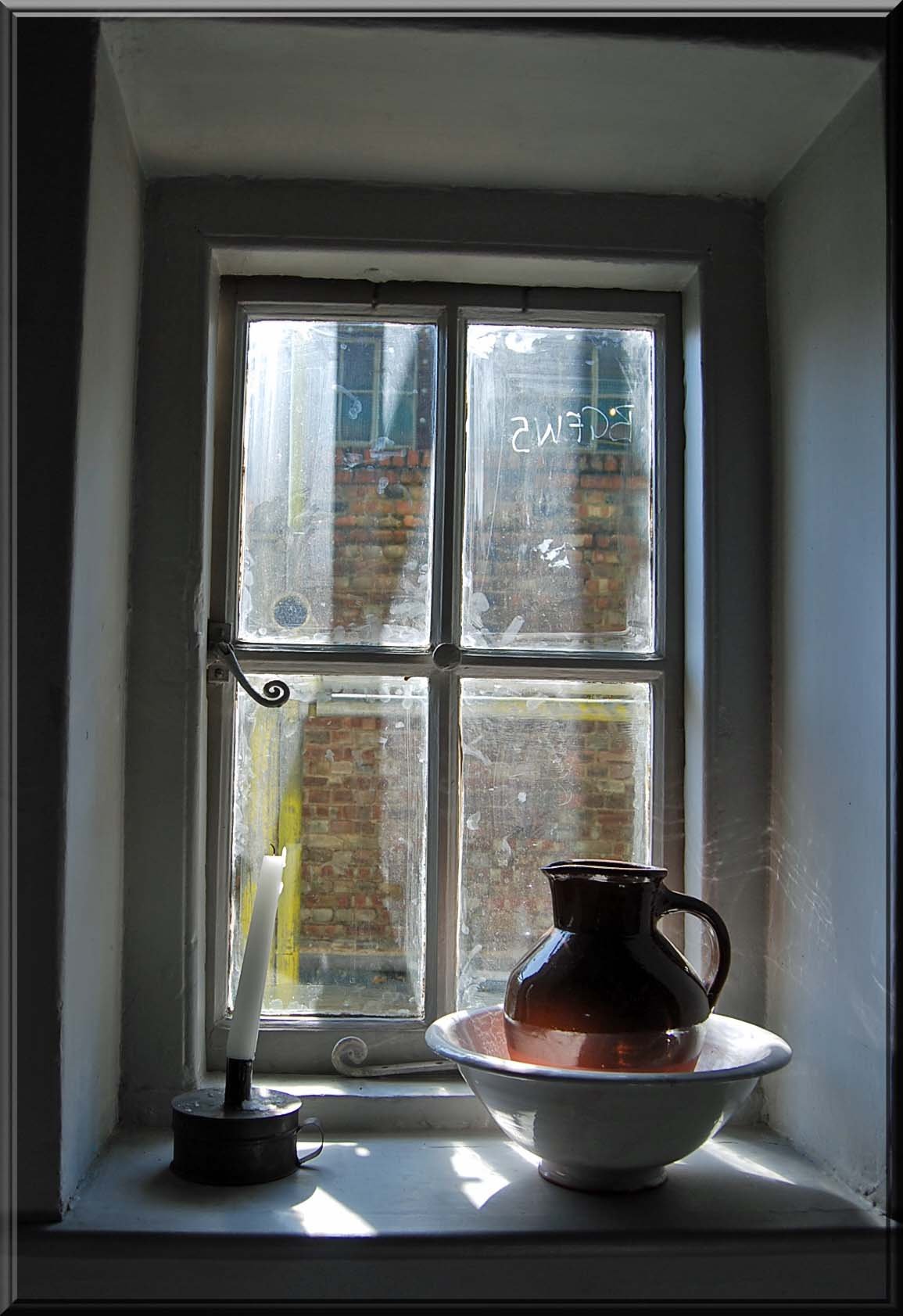
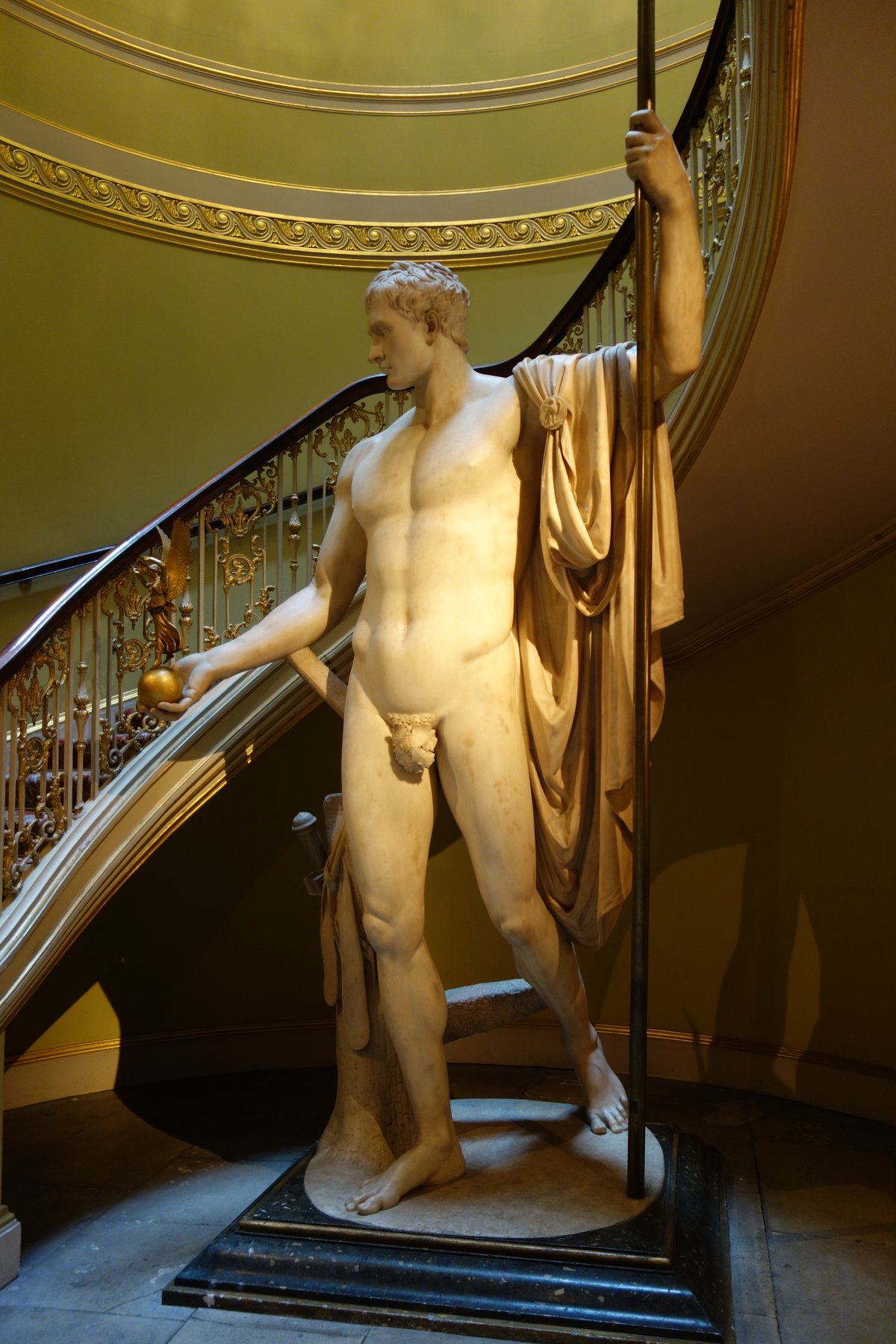
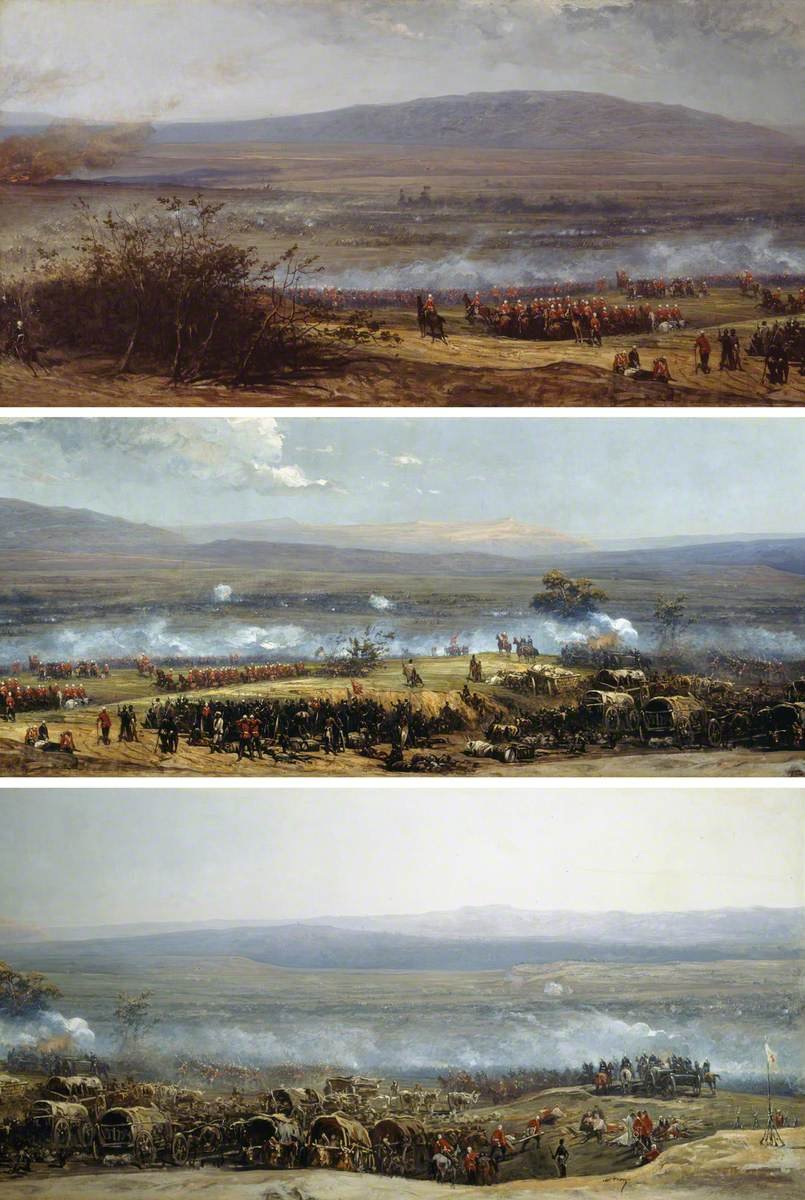
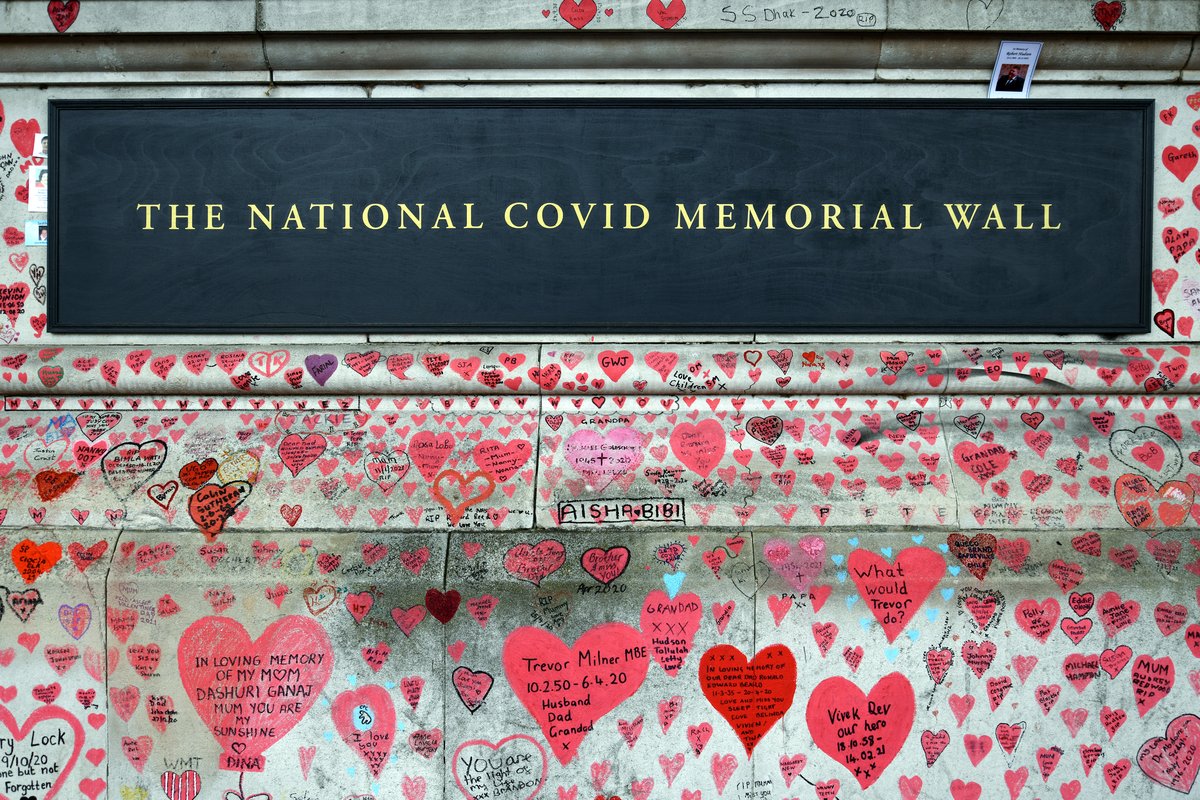
Explore Methodist Central Hall in Pictures
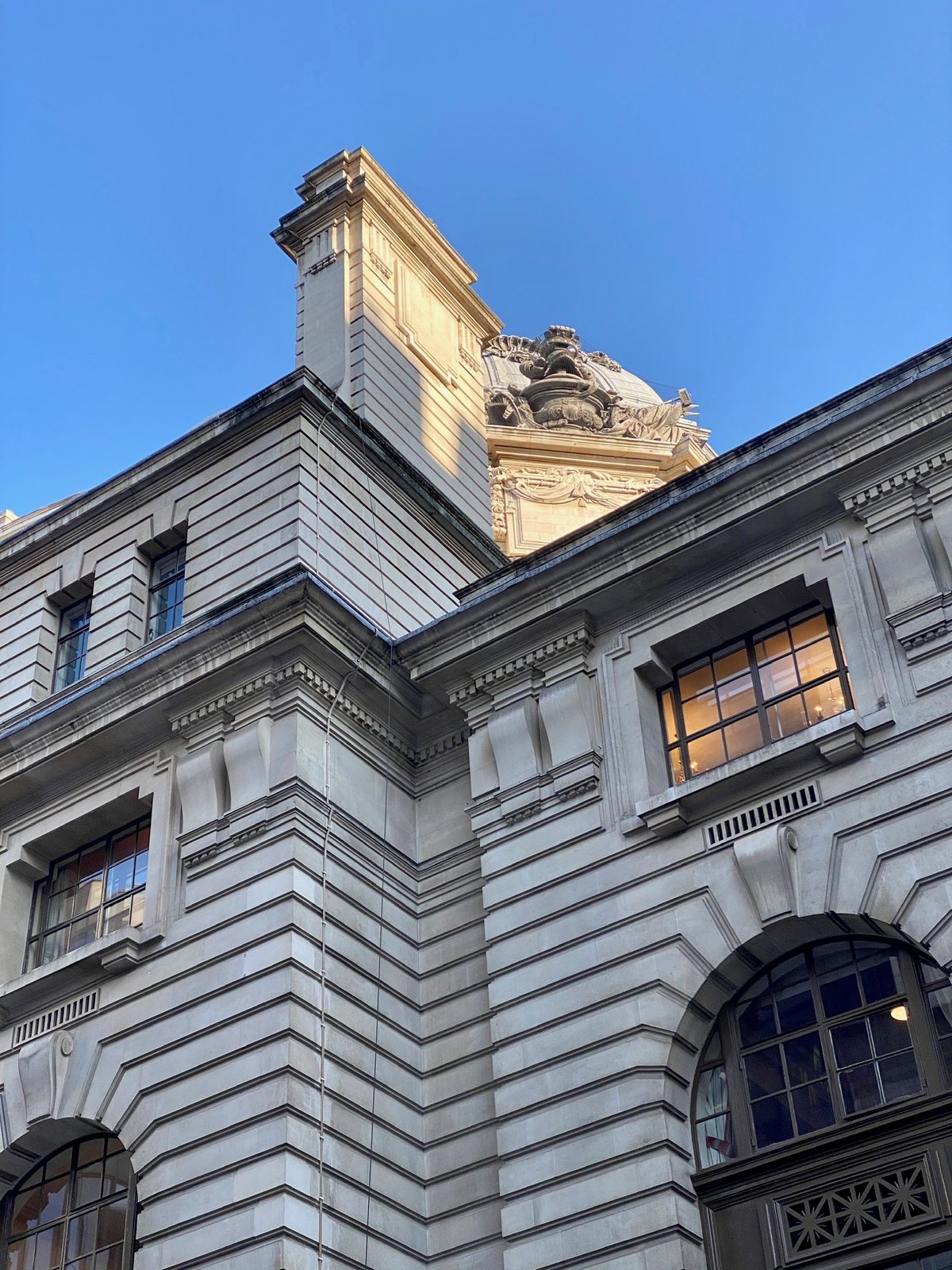
Detailed close-up of the ornate ceiling architecture within Methodist Central Hall, showcasing intricate patterns and classical design elements in 2029.
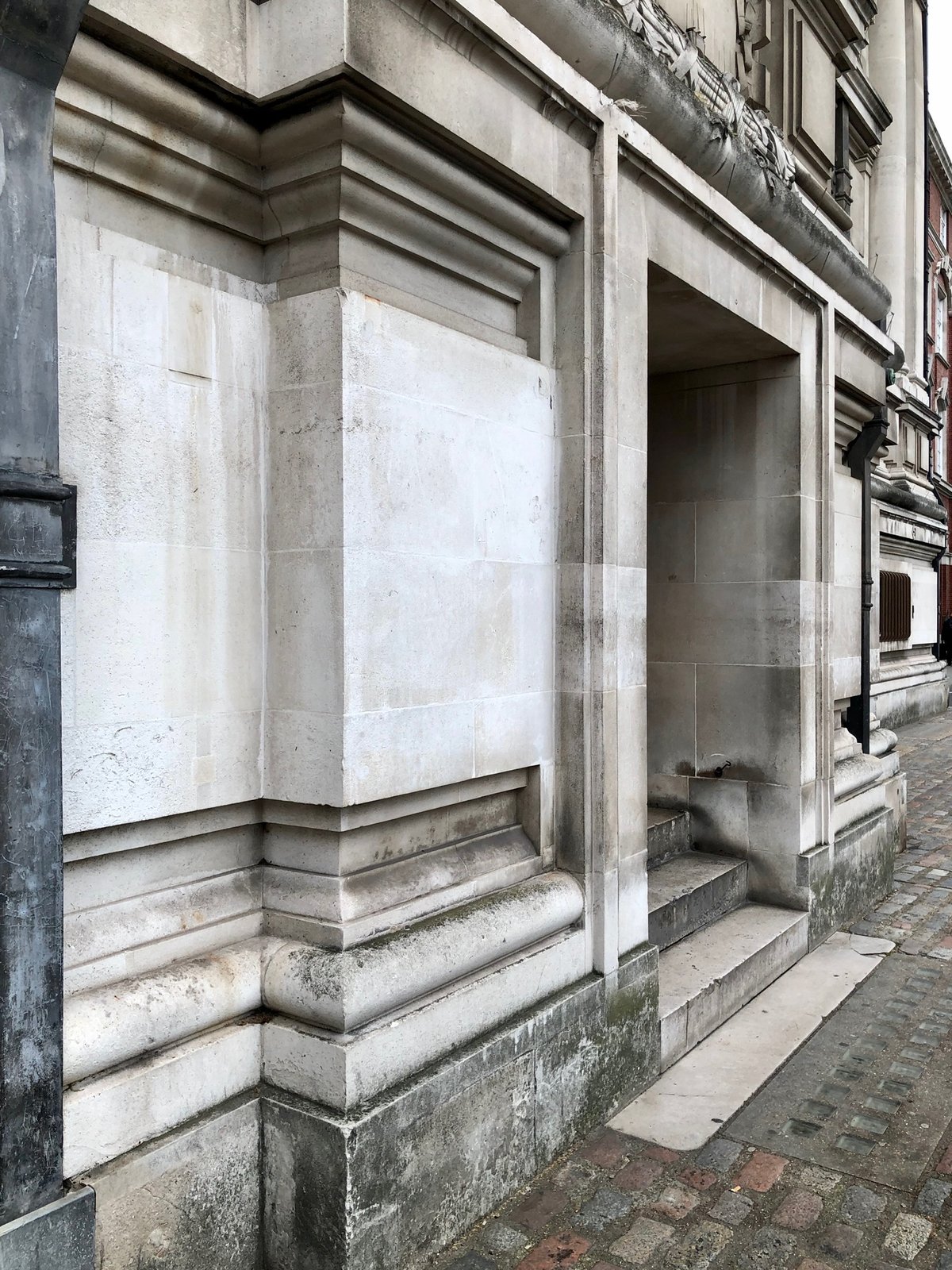
Close-up architectural detail of the Methodist Central Hall featuring intricate stone carvings, arched windows, and classical design elements
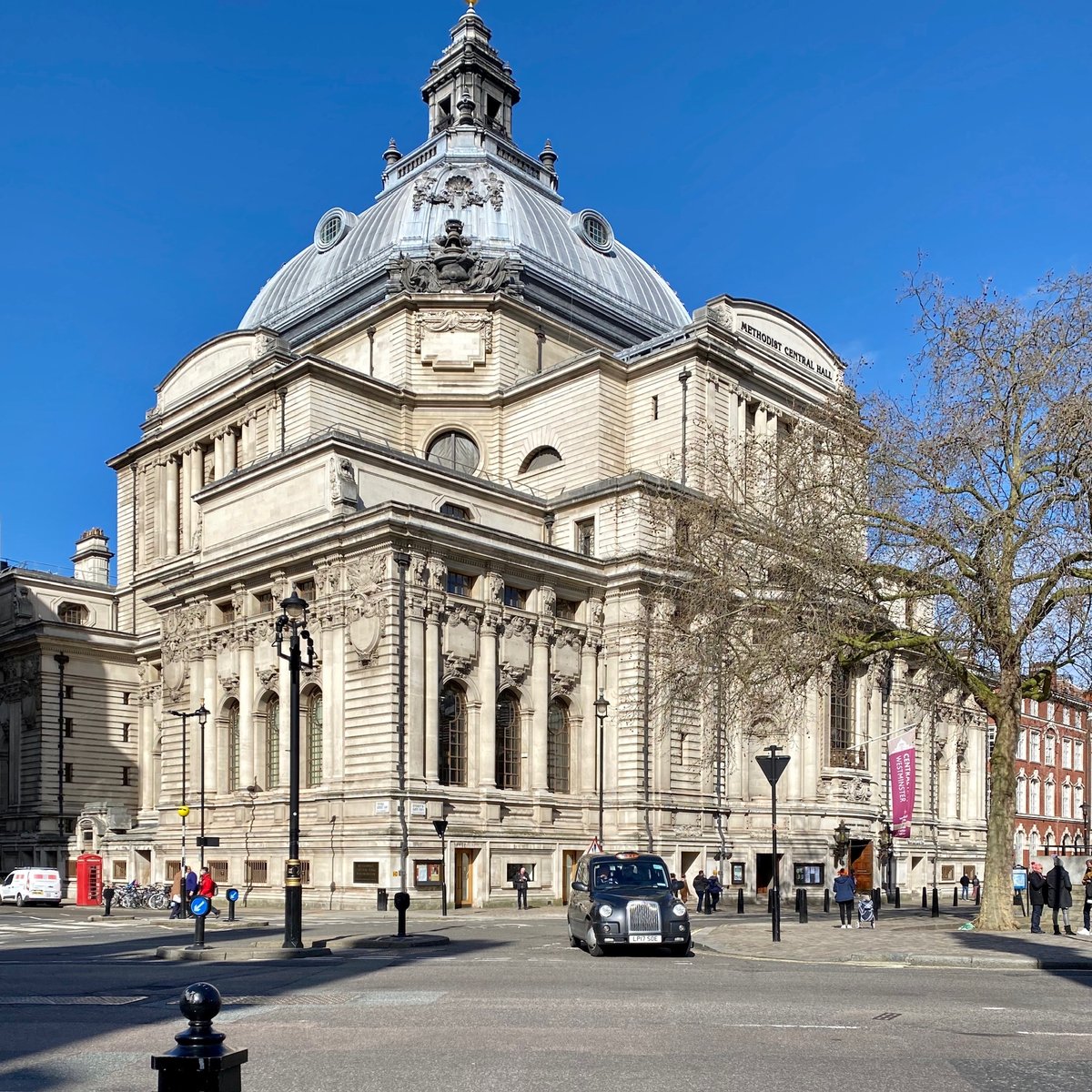
Interior view of Central Hall, Westminster showcasing its grand architectural design and historic significance
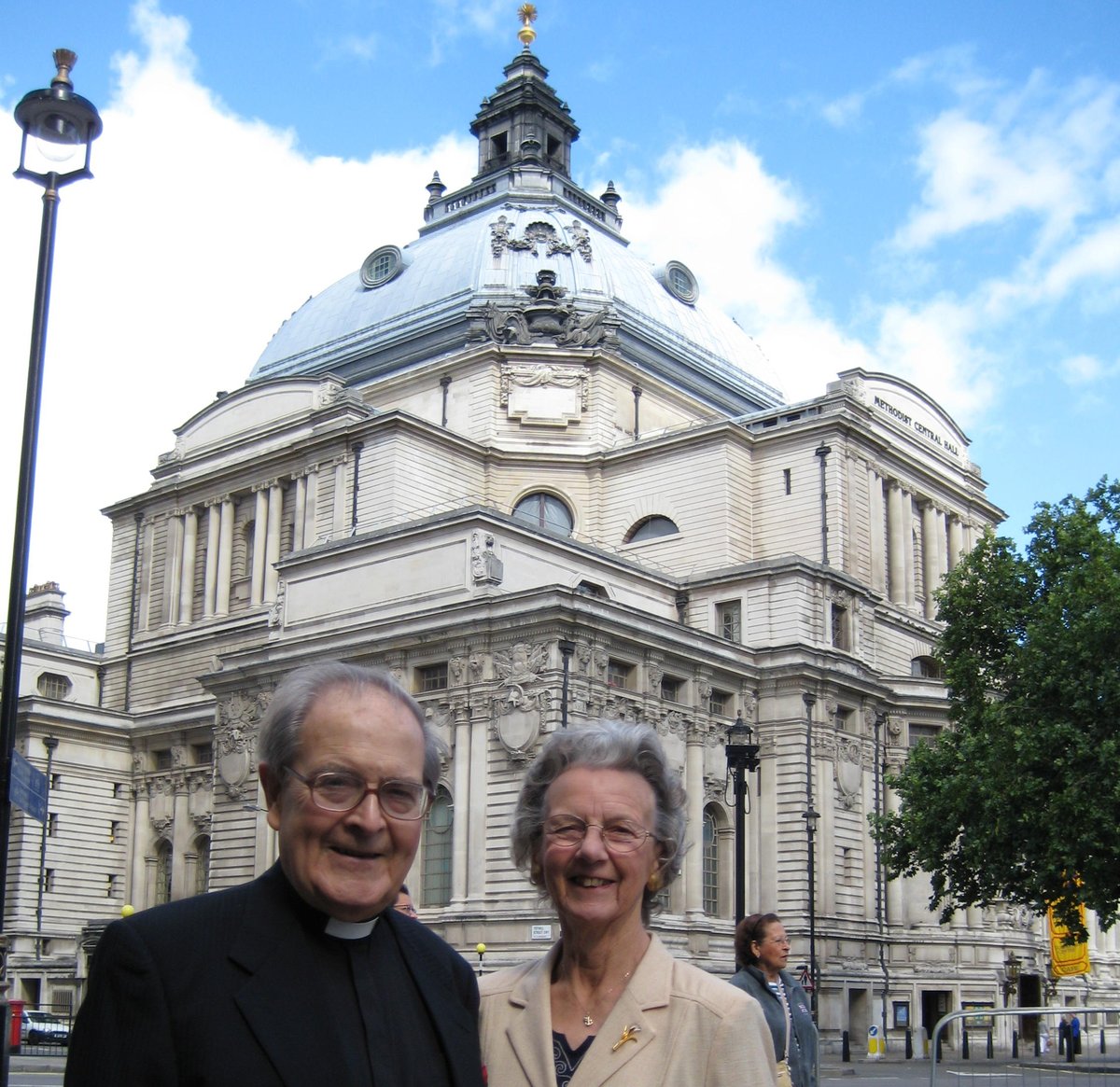
A photograph of Dr and Mrs Tudor at Westminster Central Hall taken in 2008, showing a moment captured at a significant venue.
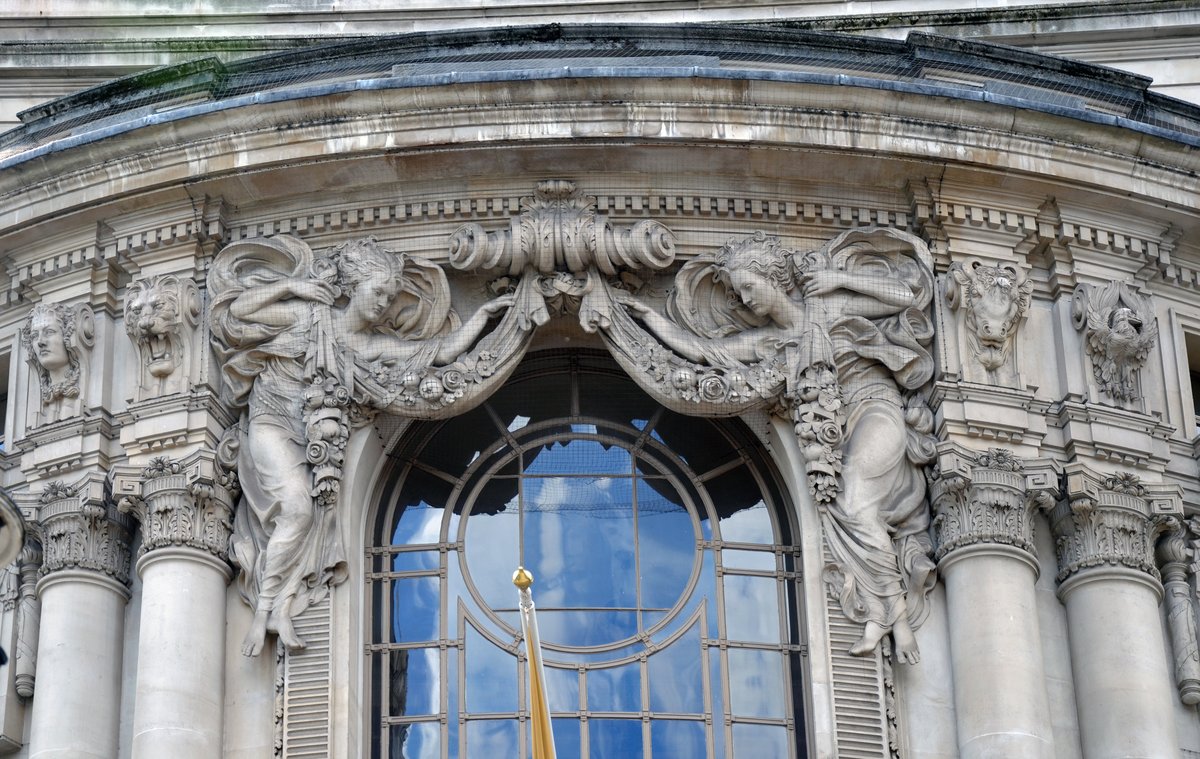
Close-up view of the architectural detail of the Methodist Central Hall located in London, highlighting its intricate design and historic features.
History and Origins
Methodist Central Hall Westminster was born from the ambition of the Wesleyan Methodist Church to establish a prominent headquarters in London. The Hall’s construction was inspired by the 1891 centenary of John Wesley’s death, with the Methodist community raising over £1 million—equivalent to more than £120 million today—through the “Wesleyan Methodist Twentieth Century Fund.” This collective fundraising effort was capped at one guinea per donor to ensure broad participation, demonstrating the denomination’s democratic ethos (Methodist Heritage; Central Hall Westminster History).
The chosen site, opposite Westminster Abbey and formerly occupied by the Royal Aquarium and Westminster Hospital, was strategically selected to assert Methodist presence in the nation’s religious and civic heart. The foundation stone was laid in 1905, and the building officially opened in 1912 (Central Hall Westminster History).
Architectural Significance
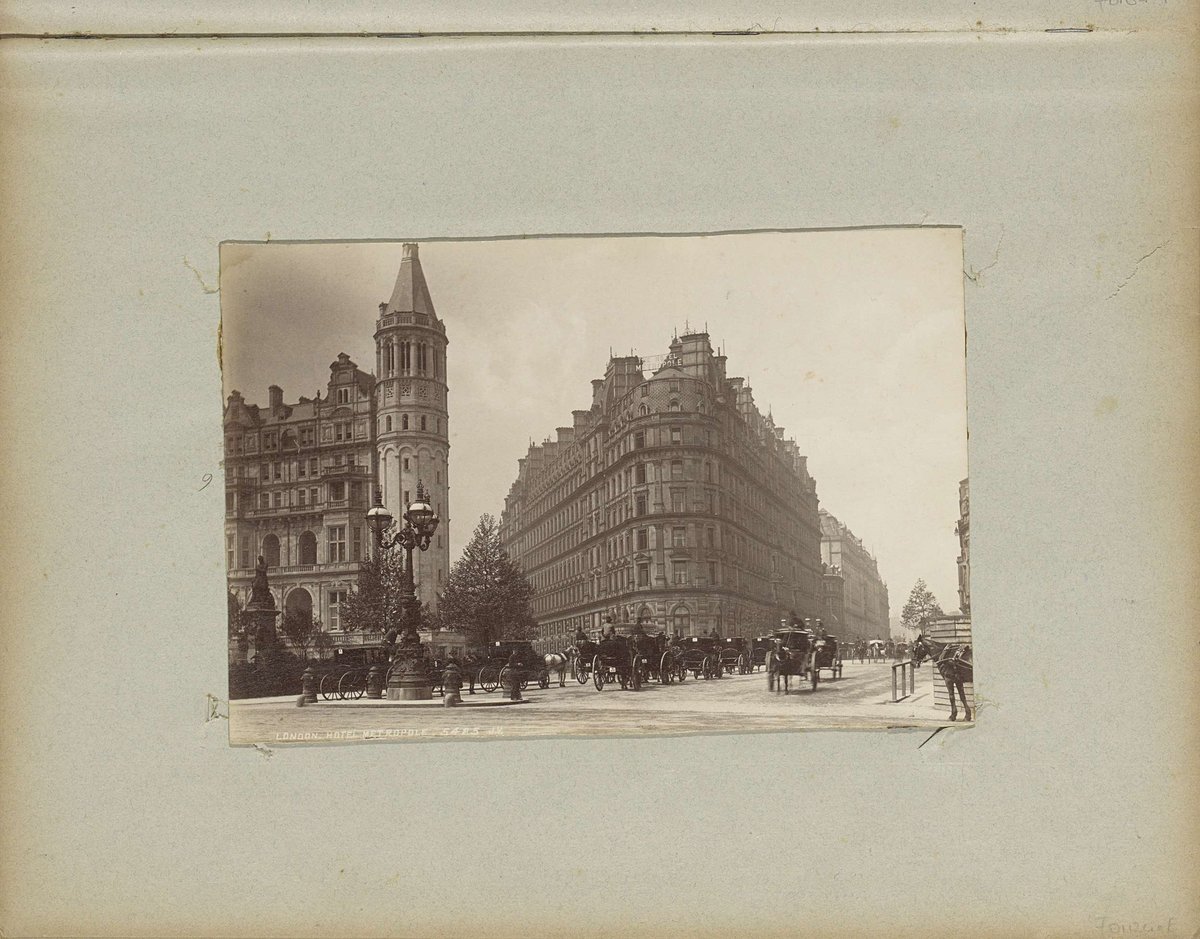
Designed by Edwin Alfred Rickards and Henry Vaughan Lanchester, Methodist Central Hall exemplifies Edwardian Baroque architecture, distinctively non-Gothic to contrast with its Westminster Abbey neighbor (Historic England). The building is constructed with Portland stone and features one of the UK’s largest self-supporting domes, rising 32 meters above the Great Hall, which can seat over 2,300 people. The interior includes sweeping staircases, ornate plasterwork, and a renowned 4,731-pipe organ (British Listed Buildings).
Significantly, the Hall’s design avoids explicit religious iconography, aligning with Methodist inclusivity and its intended dual function as a civic and religious space. The use of reinforced concrete allowed for innovative cantilevered galleries, ensuring unobstructed sightlines in the Great Hall (dmbi.online; mchw.live).
Designated a Grade II* listed building in 1970, the Hall’s architectural and historic value is now protected for future generations.
Historical and Cultural Milestones
Methodist Central Hall’s impact transcends its spiritual role, having hosted many landmark events:
- First United Nations General Assembly (1946): The Hall welcomed delegates from 51 nations to establish the UN’s founding framework, symbolizing its commitment to peace and international cooperation (UN News).
- Royal and State Occasions: Notably, the Hall hosted coronation thanksgiving services for King George VI (1937) and Queen Elizabeth II (1953), underscoring its national significance (Central Hall Westminster Events).
- Religious and Social Milestones: The Hall has been a platform for leaders like Mahatma Gandhi, Martin Luther King Jr., and Billy Graham, as well as the annual Methodist Conferences, interfaith gatherings, and social justice activism (Methodist Church UK).
- Wartime Refuge: During WWII, the crypt was used as an air-raid shelter, serving as a safe haven for thousands (dmbi.online).
The Hall’s Contemporary Role
Worship and Spiritual Life
The Hall remains an active place of worship, with Sunday services at 11:00 and 18:00, and Wednesday lunchtime services in the Chapel. Its welcoming ethos invites people of all backgrounds to participate in worship, prayer, Bible study, and healing encounters—many of which are accessible online (Central Hall Westminster Worship; mchw.live).
Civic and Cultural Venue
Beyond religious use, the Hall hosts concerts, conferences, debates, and exhibitions. Its Great Hall is celebrated for its acoustics and has staged historic musical performances, including the first public performance of Andrew Lloyd Webber’s “Joseph and the Amazing Technicolor Dreamcoat” (c-h-w.com).
Social Justice and Community Engagement
Rooted in Methodist values, the Hall supports anti-poverty initiatives, interfaith dialogue, community outreach, and educational programs. It regularly partners with government, educational, and charitable organizations to serve broader societal needs (Methodist Central Hall Social Action).
Practical Visitor Information
Visiting Hours and Tickets
- General Hours: Monday–Saturday, 9:00 AM–5:00 PM. Hours may vary for special events or holidays. For up-to-date times, check the official MCHW website.
- Admission: Entry is free for general visits and worship. Some concerts, guided tours, and special exhibitions require tickets, which can be booked online or at the venue (Central Hall Westminster Events).
Accessibility
- Fully accessible with step-free entrances, lifts to all floors, accessible restrooms, and hearing loops in the Great Hall and Chapel.
- Assistance dogs are welcome, and staff can help visitors with additional needs.
Getting There
- Address: Storey’s Gate, Westminster, London SW1H 9NH
- Nearest Tube: Westminster (Jubilee, District, Circle lines), St James’s Park
- Bus: Multiple routes serve the area; parking in central London is limited, so public transport is recommended.
Guided Tours
- Availability: Guided tours (60–90 minutes) cover the building’s history, architecture, and major events. Booking ahead is recommended via the official website.
- Highlights: The Great Hall, the pipe organ, John Wesley statue, historical memorabilia, and access to some areas not open during regular hours.
Facilities and Amenities
- Café: On-site café offers hot and cold drinks, sandwiches, and cakes.
- Gift Shop: Sells books, souvenirs, and items relating to Methodist and London history.
- Wi-Fi: Free in public areas.
- Group Visits: Advance booking required for schools and large groups; tailored programs available.
Nearby Attractions
- Westminster Abbey: Directly opposite; a UNESCO World Heritage Site.
- Houses of Parliament and Big Ben: Minutes away.
- St James’s Park: Ideal for a stroll before or after your visit.
- Churchill War Rooms, Tate Britain: Also within walking distance.
Frequently Asked Questions (FAQ)
Q: What are the opening hours?
A: Monday–Saturday, 9:00 AM–5:00 PM; check for event-specific changes.
Q: Is entry free?
A: Yes, general admission is free; some tours or events require tickets.
Q: Are guided tours available?
A: Yes, book in advance for a 60–90 minute tour.
Q: Is the Hall accessible?
A: Fully accessible with lifts, ramps, accessible toilets, and hearing loops.
Q: Can I attend worship services?
A: Yes, all are welcome.
Q: Is photography permitted?
A: Allowed in most public areas; restrictions may apply during services or events.
Q: How do I get there?
A: Closest Underground stations are Westminster and St James’s Park; multiple bus routes available.
Listen to the full story in the app
Your Personal Curator, in Your Pocket.
Audio guides for 1,100+ cities across 96 countries. History, stories, and local insight — offline ready.
Audiala App
Available on iOS & Android
Join 50k+ Curators
Sources
- verified
- verified
- verified
- verified
- verified
- verified
- verified
- verified
- verified
- verified
- verified
- verified
Last reviewed: